
Antique Bronze Tripod
These heavy three-legged metal vessels bring centuries of ritual and domestic utility into modern rooms through solid casting and tactile patination.
Antique Bronze Tripod
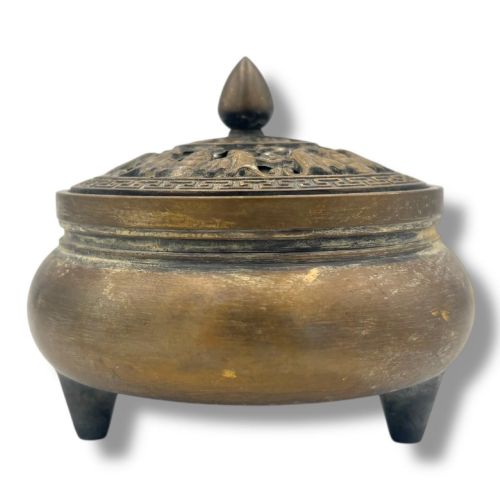
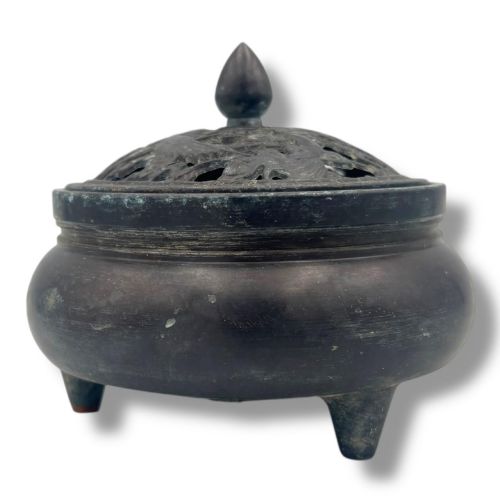
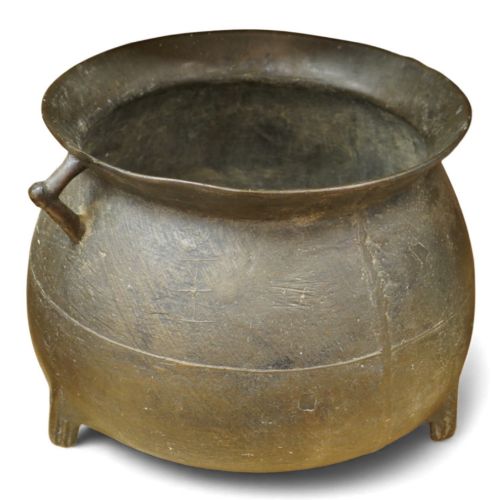
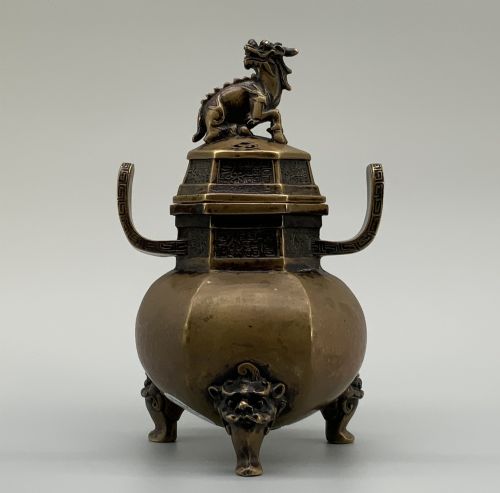
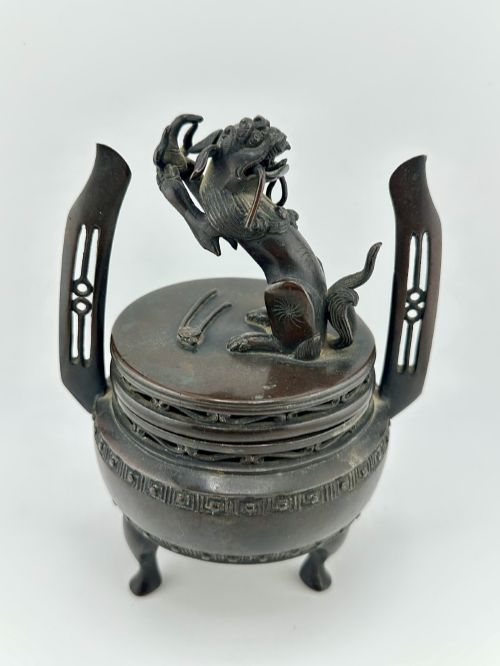
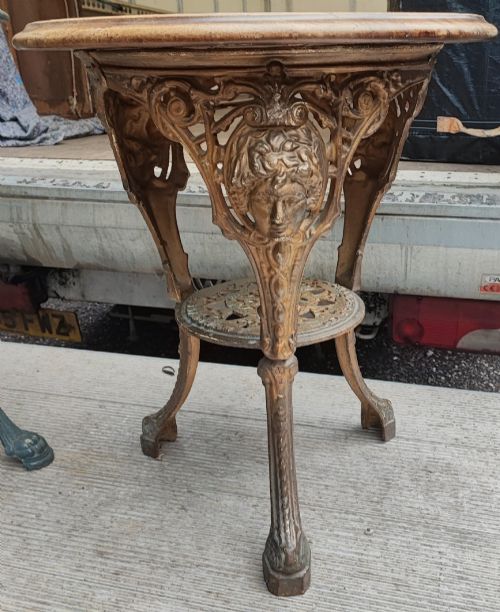
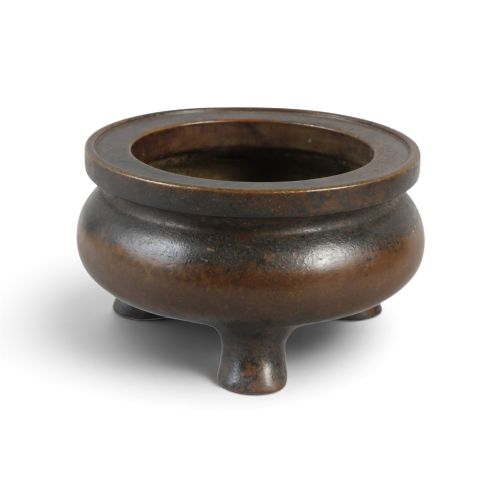
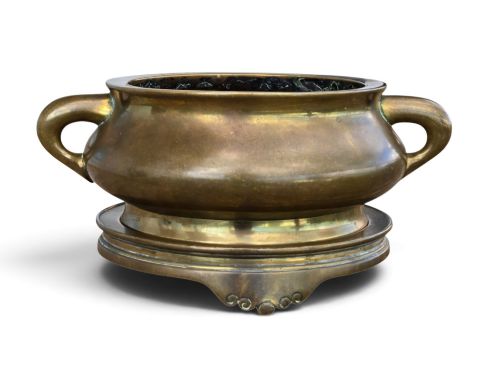
When a buyer searches for an antique bronze tripod, they encounter scholar's objects, ritual vessels, and utilitarian hearth cookware raised on three supporting feet. The pieces appearing most frequently on this page span Chinese censers from the Ming and Qing dynasties alongside European cauldrons and skillets from the seventeenth and eighteenth centuries.
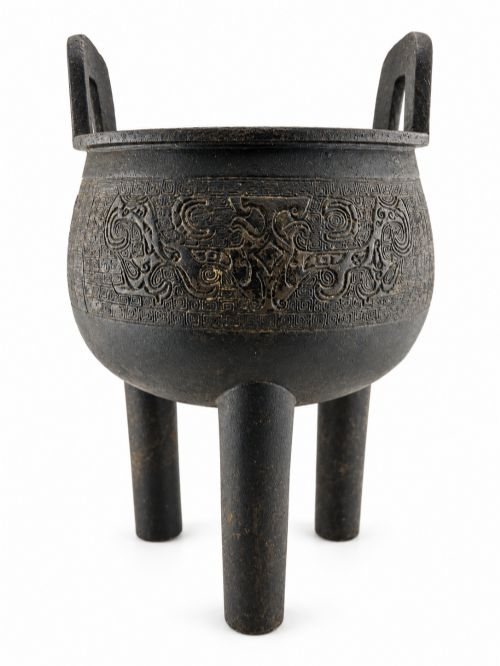
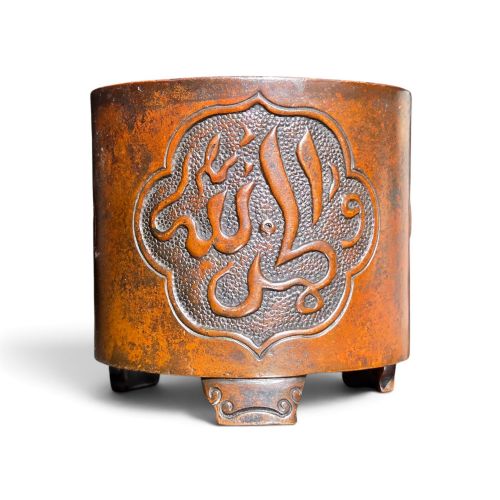
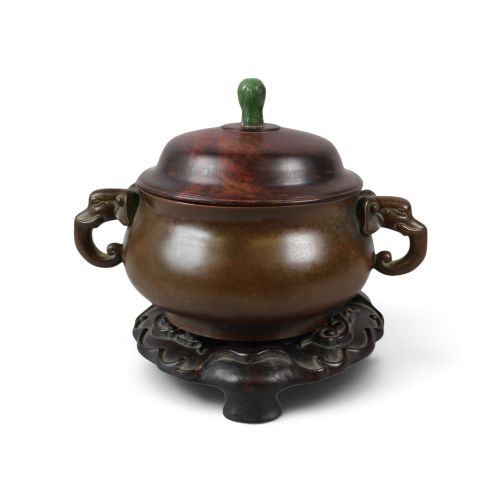
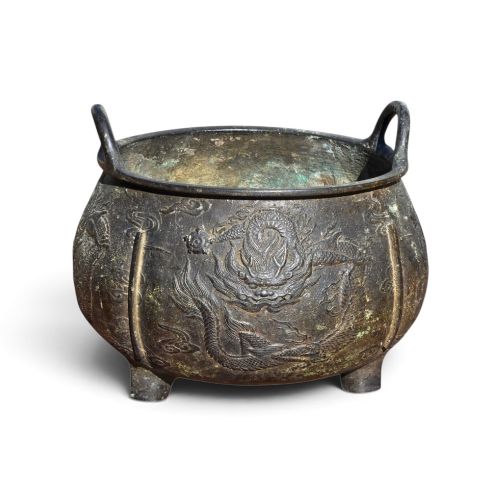
These works range from diminutive vessels weighing under two hundred grams to massive ritual pieces exceeding seven kilograms, often accompanied by custom hardwood stands or pierced lids. The forms encompass archaic ding shapes, lobed lotus bowls, cylindrical incense burners, and domestic cooking pots with long handles.
Origins stretch across Chinese dynastic periods, English country workshops, and continental European foundries, reflecting both scholarly refinement and everyday utility. Collectors select them for their sculptural presence, material density, and direct connection to historical domestic or ritual practices.
How they were made
Foundries utilised lost-wax casting techniques to achieve the substantial weight and complex geometry seen in these vessels. Molten bronze and brass flowed into intricately carved moulds, creating walls thick enough to produce a clear bell-ring resonance when struck.
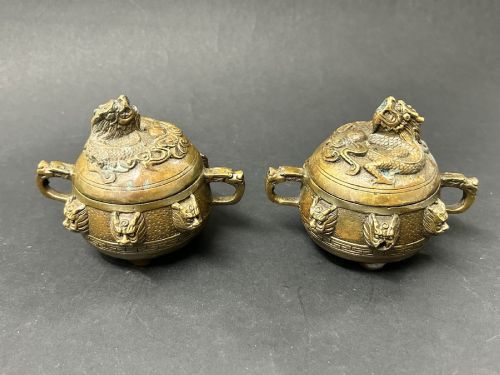
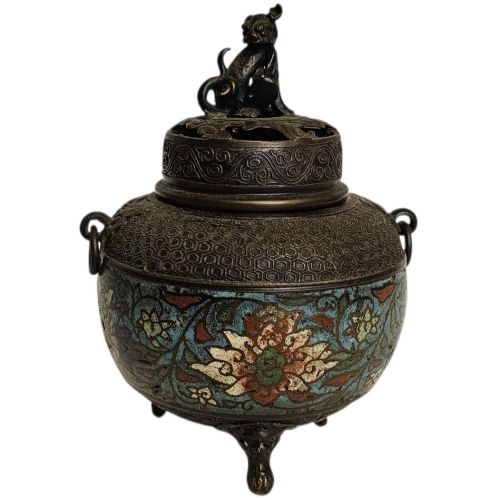
Finishing involved hand-chiselling details such as taotie masks, dragon handles, and lotus petals directly into the metal surface. Artisans then applied chemical patination or incorporated cloisonné enamel wires to enrich the exterior coloration before mounting pieces on contemporary zitan or hardwood stands.
One exceptional scholar's censer rewards the owner with a clear bell-ring resonance when struck, proving the caster's mastery.
What varies in quality
Quality rests primarily in the discipline of the casting and the crispness of applied surface ornamentation. Superior examples display sharply defined relief work on dragon panels and mask handles, whereas lower-tier pieces show softened details resulting from worn moulds.
The integrity of the metal surface and the depth of the natural patina further distinguish exceptional vessels from ordinary ones. Well-preserved surfaces reveal subtle tonal variations in the bronze achieved through decades or centuries of handling, unmarred by heavy modern intervention.
The Antique Bronze Tripod Glossary
- Censer
- A vessel designed for burning incense during ritual or scholarly pursuits. These pieces often feature pierced lids to release fragrant smoke.
- Ding
- An ancient Chinese ritual cauldron supported on three legs, typically featuring prominent vertical handles and archaistic surface decoration.
- Posnet
- A small metal cooking pot with three legs and a single long handle, used over open hearth fires during the seventeenth and eighteenth centuries.
- Patina
- The surface sheen and coloration developed by bronze through age and exposure. A rich patina indicates long-term handling and oxidation.
- Cloisonné
- An enamelling technique where metal wires form small compartments on the vessel body, which are then filled with coloured paste and fired.
Antique Bronze Tripod: Frequently Asked Questions
What were antique bronze tripods used for?
These vessels served diverse functions ranging from burning incense in Chinese scholar's studios to cooking food over European hearths. Ritual pieces held offerings during dynastic ceremonies, while domestic items boiled liquids or heated contents over coals.
Over time, many of these utilitarian and ceremonial objects transitioned into purely decorative items valued for their sculptural form and material weight.
How do I care for a bronze tripod?
Maintenance requires only occasional dusting with a soft, dry cloth to protect the historic surface layer. Avoid chemical polishes, which strip away the aged patination that collectors value.
Keep the pieces away from excessive moisture and direct heat sources to preserve both the metal body and any associated wooden stands.
How can I tell the period of a bronze tripod?
Dating relies on examining the casting style, surface motifs, and maker or dynastic marks stamped or cast into the metal. Archaistic designs often reference much older Shang or Zhou bronzes while retaining the casting characteristics of later periods like the Ming or Qing dynasties.
Weight, handle construction, and the presence of contemporary hardwood stands provide further clues to chronological origin.
Can I burn incense in these antique censers?
Many lidded censers remain structurally sound for burning modern or traditional incense cones. Users should place a bed of ash inside the bowl to protect the historic metal base from direct heat.
Care must be taken with pieces featuring delicate cloisonné enamel or fragile patination to avoid smoke staining or thermal shock.