


Antique Bronze Table Sculpture
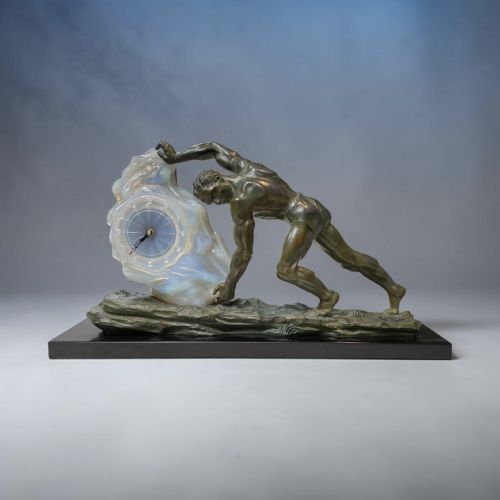
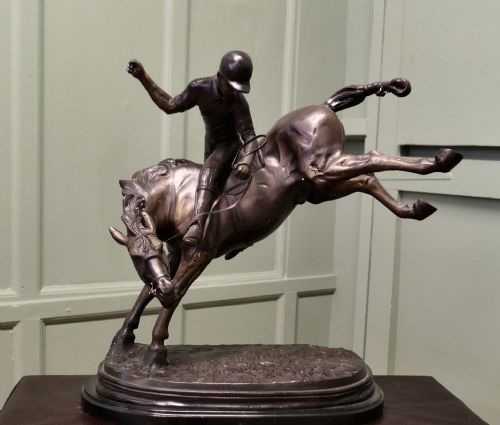
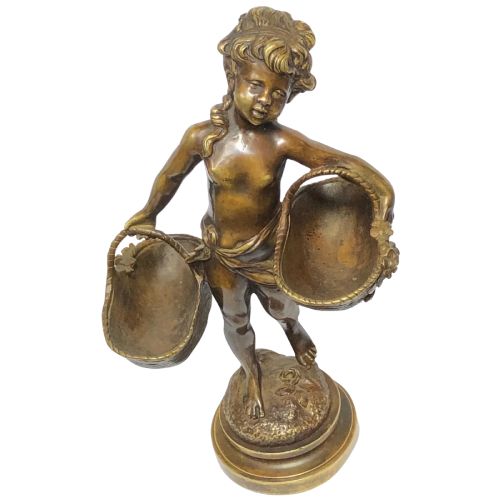
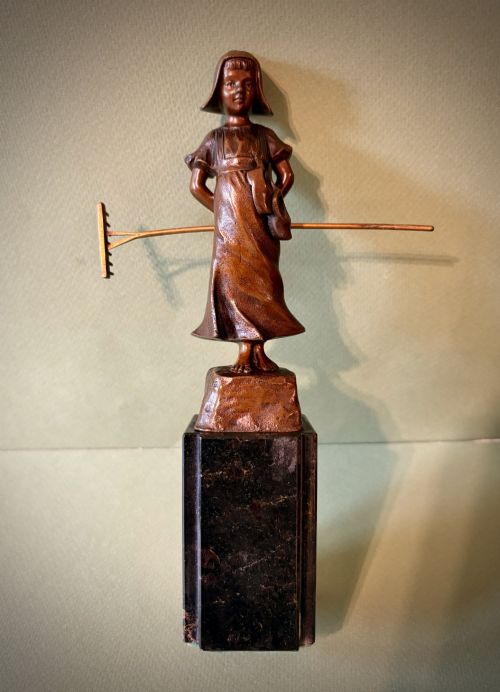
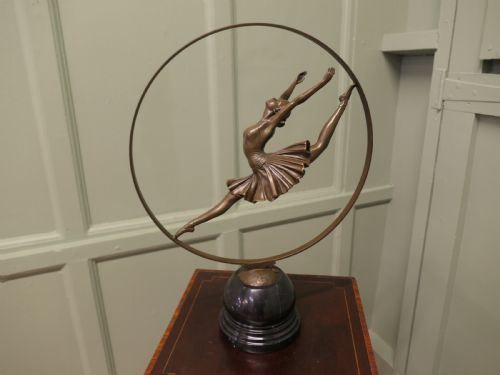
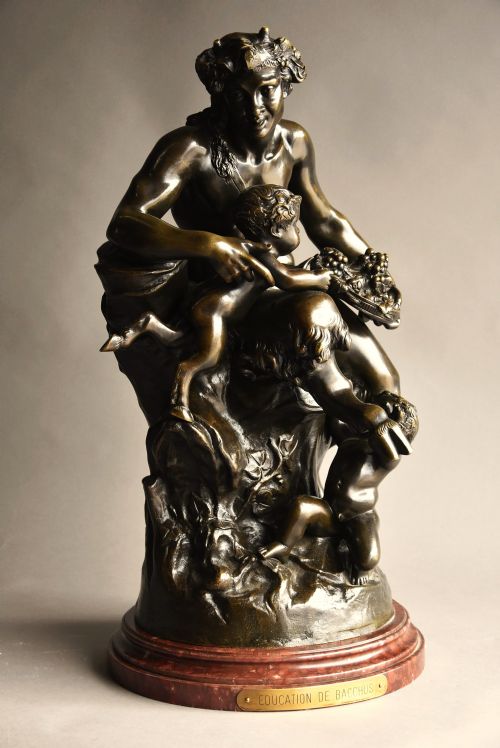
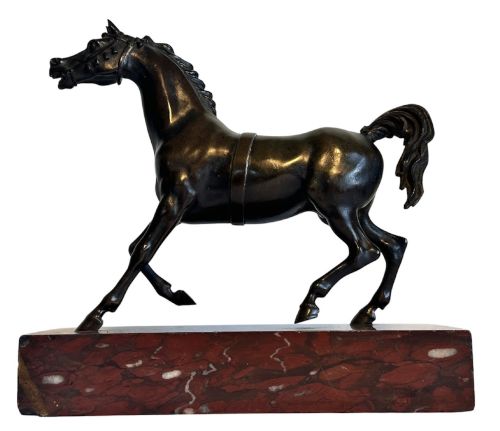
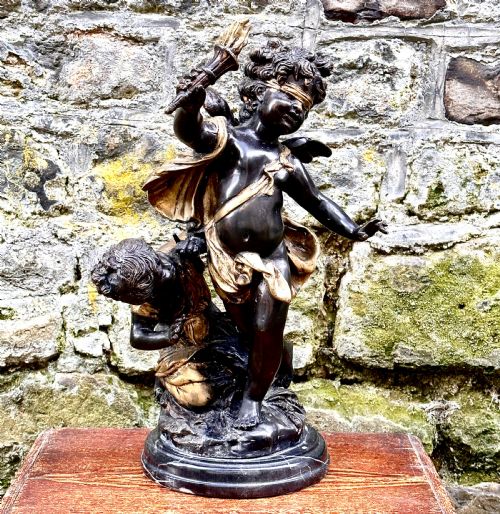
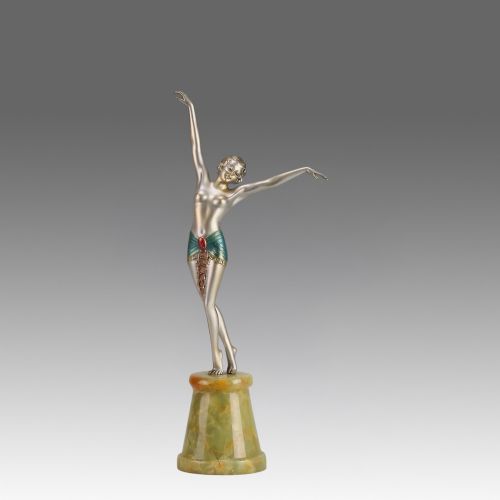
An antique bronze table sculpture brings cabinet-scale animalier studies, mythological figures and dancers into a room.
Antique Bronze Table Sculpture
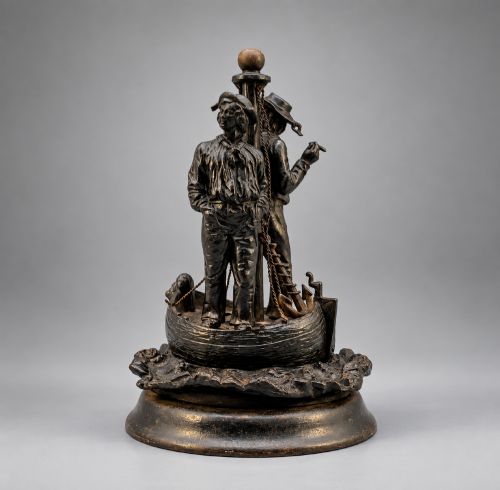
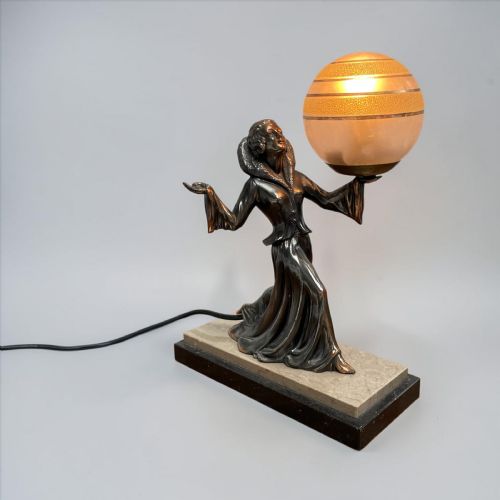
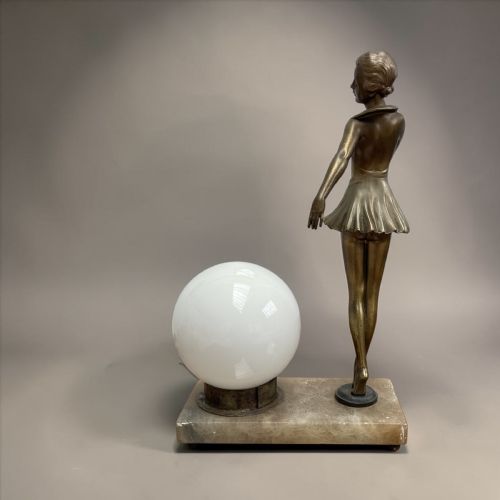
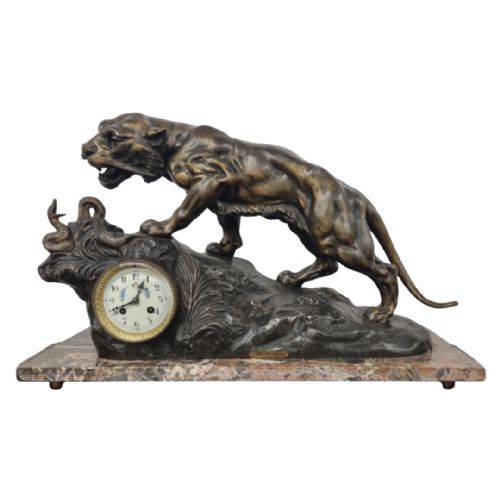
An antique bronze table sculpture encompasses small-scale metal figures, lamp bases, mantel clocks and candlesticks produced from the nineteenth century through the art deco period. These objects span French animalier groups, Grand Tour classical souvenirs, orientalist figures and modernist dancers designed to sit upon furniture rather than stand on the floor.
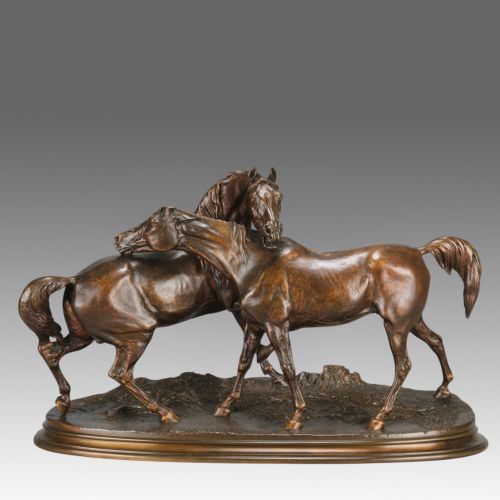
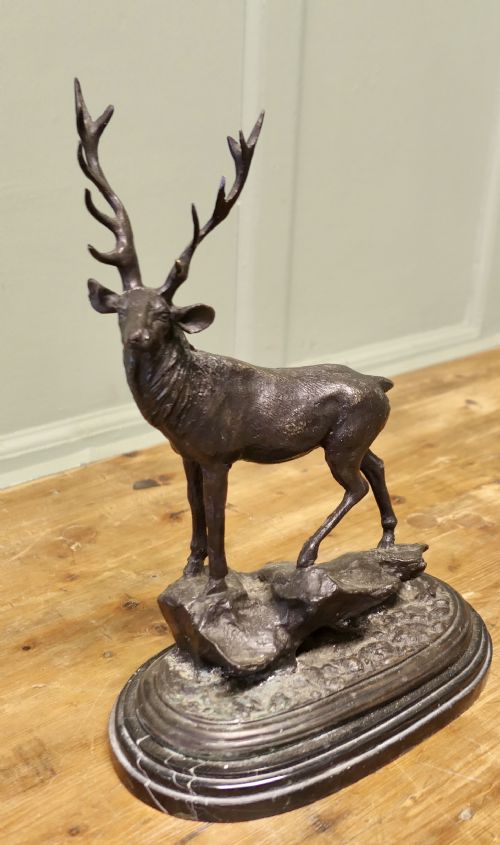
The assortment on this page draws heavily from nineteenth-century French workshops alongside early twentieth-century art deco production. Animal studies, human figures, mythological subjects and functional pieces like lamps and clocks dominate the available forms.
Foundations range from solid cast bronze to spelter and brass, frequently mounted on marble or onyx plinths. Pieces appear from the Victorian era, the Grand Tour tradition and the 1920s and 1930s design movements.
How they were made
Foundries utilised the lost-wax casting method or sand casting to shape molten bronze into complex animal and human forms, followed by hand-chasing to refine surface details. Cold-painted bronze pieces received delicate layers of polychrome paint applied after casting, particularly in orientalist and figural works.
Many sculptures incorporate bases of marble, onyx or slate, secured via threaded rods or pins running through the metal figures. Gilt bronze and ormolu pieces involved the application of gold leaf or mercury gilding to brass or bronze surfaces to create a bright metallic finish.
Antique Bronze Table Sculpture Retail Price Guide 2026
Typical asking prices for bronze table sculpture among the pieces listed under this phrase on Sellingantiques today, from the lower quarter to the upper quarter. They describe what is for sale here now, not the wider market.
Several sculptors captured the intense rivalry of the animal kingdom, immortalising greyhounds mid-stride chasing helpless flies.
What varies in quality
The quality of the patination alters the depth and longevity of the surface colour, distinguishing chemical patinas that penetrate the metal from simple applied paints. Heavier, stable stone plinths and secure mountings also separate standard commercial production from master foundry output.
R Varnier·Claude Michel Clodian·G Amodio Naples·Franz Bergman·Josef Lorenzl·P J Mêne·Alfred Barye·Masaaki·Franz Xaver Bergman·Friedrich Goldscheider·Barbedienne·Hector Lemaire·Leon Message·Emile Picault·Messina Roma·Remond·Gregoire·Edith Parsons
The Antique Bronze Table Sculpture Glossary
- Animalier
- A nineteenth-century artistic movement focused on the realistic depiction of animals, particularly horses, dogs and wild beasts in dynamic poses. French sculptors led this genre with anatomically precise models.
- Cold-painted bronze
- A technique where bronze sculptures are painted with polychrome oil or enamel colours after casting, without subsequent firing. This method was widely used for Austrian orientalist figures.
- Grand Tour
- A traditional trip through Europe undertaken by upper-class young men in the eighteenth and nineteenth centuries to study classical art and architecture. Souvenirs included small bronze reductions of famous ancient statues.
- Spelter
- A zinc alloy used as a cheaper, softer alternative to bronze in decorative figures and lamp bases, often given a bronze-coloured coating. It lacks the weight and tensile strength of true bronze.
- Ormolu
- Gilt bronze produced by applying finely ground gold mercury amalgam to a bronze base, then heating to vaporise the mercury. The term also describes high-quality gold-coloured brass mounts on decorative objects.
Antique Bronze Table Sculpture: Frequently Asked Questions
How do I clean an antique bronze sculpture?
Dust the surface gently with a soft, dry brush to remove accumulated particles without disturbing the underlying patina.
Avoid using water, chemical solvents or metal polishes, as these abrasive substances strip away historical patination and damage the metal permanently.
What is the difference between bronze and spelter?
Bronze is a durable copper and tin alloy that accepts detailed chasing and holds a stable, rich patina over centuries of handling. Spelter is a softer, lighter zinc-based metal that scratches easily and was used for more affordable decorative items.
You can often test the material by weight and temperature, as bronze feels heavier and cooler to the touch than spelter.
Where should I place a bronze table sculpture?
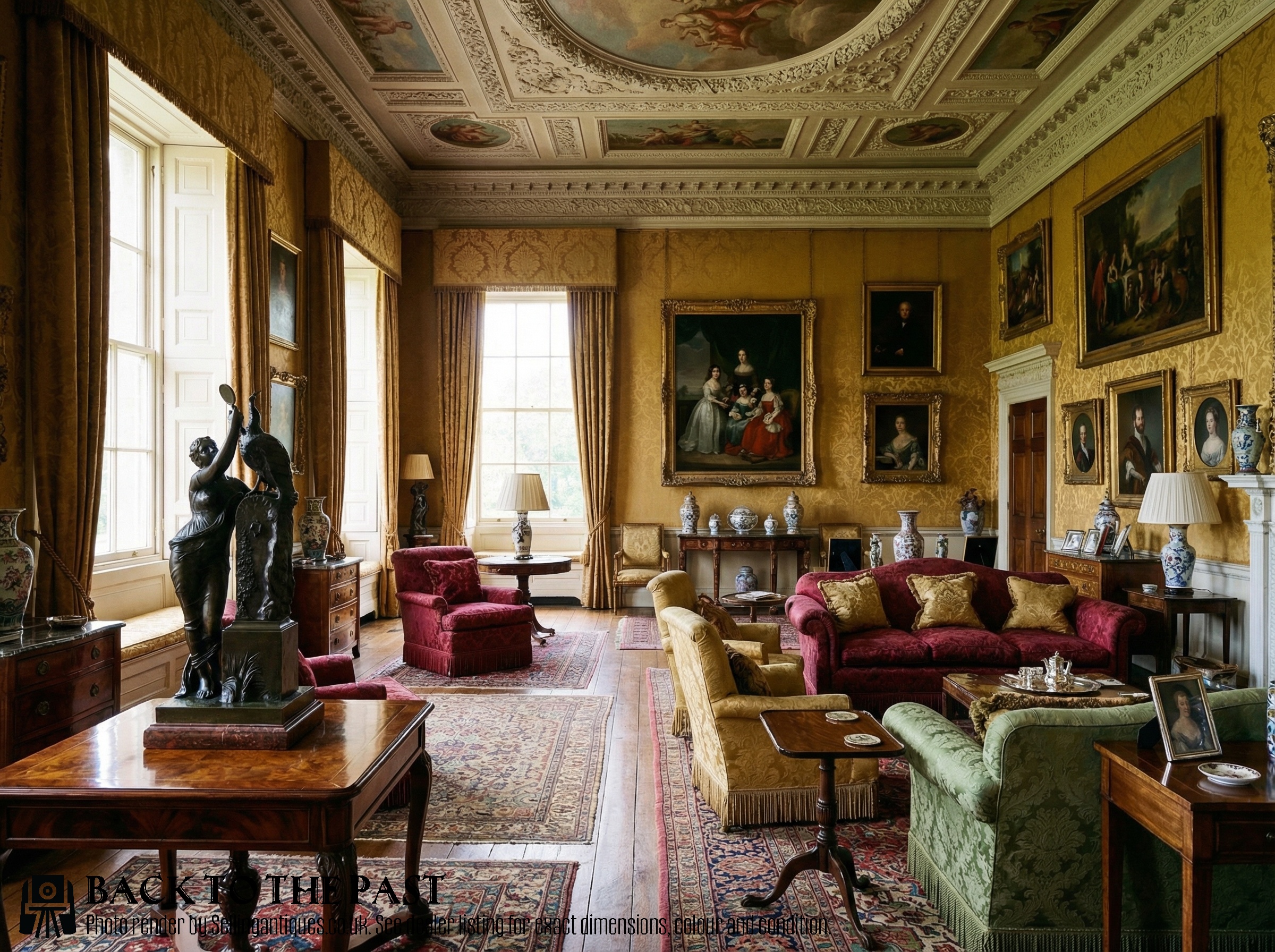
Position these pieces on sturdy desks, side tables, mantelpieces or bookcases where their scale can be appreciated up close. Ensure the display surface is level and capable of supporting the weight of sculptures set on dense marble or onyx bases.
Keep the pieces away from direct sunlight and damp environments to protect patinas and natural stone mounts from gradual surface degradation.
How can I tell if a bronze is nineteenth century?
Examine the casting quality, foundry marks, wear patterns on the underside and the character of the patina for signs of age. Nineteenth-century pieces typically feature hand-chased surface details and heavier, darker patination built up through decades of exposure.
Compare the style of the base and signature format with known foundry records and period exhibition pieces to confirm the era of production.