


Antique Bronze Table Lights
Antique bronze table lights bring heavy metalwork and warm illumination into a room, offering both decorative presence and functional service.
Antique Bronze Table Lights
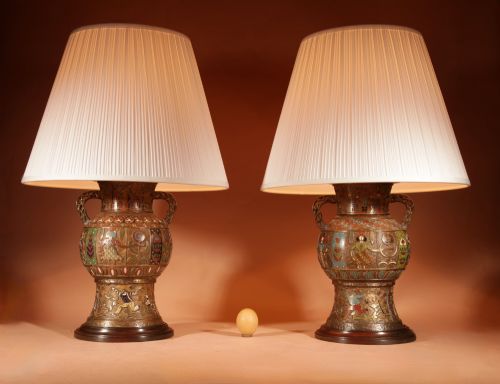
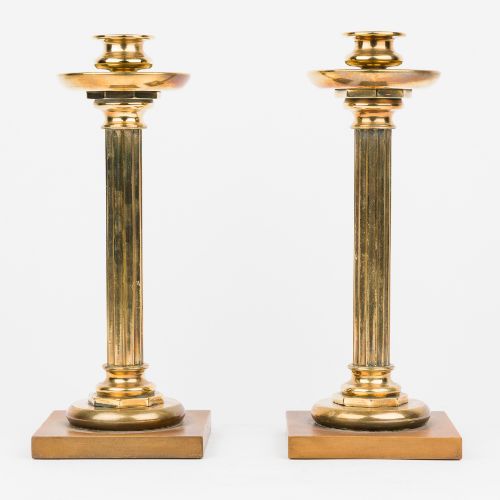
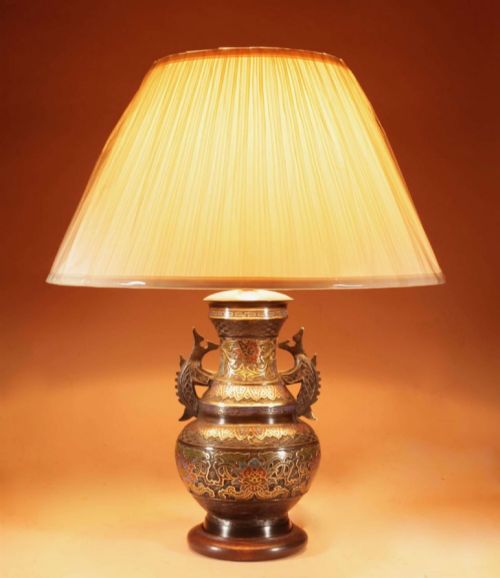
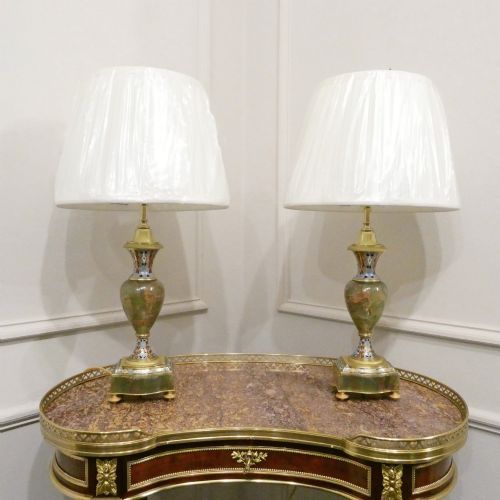
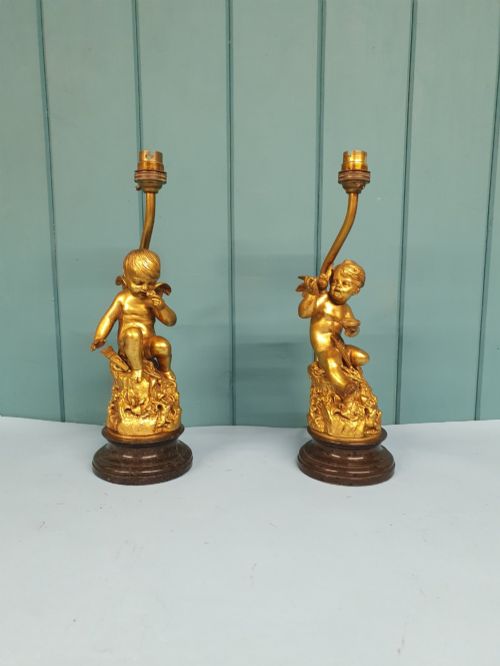
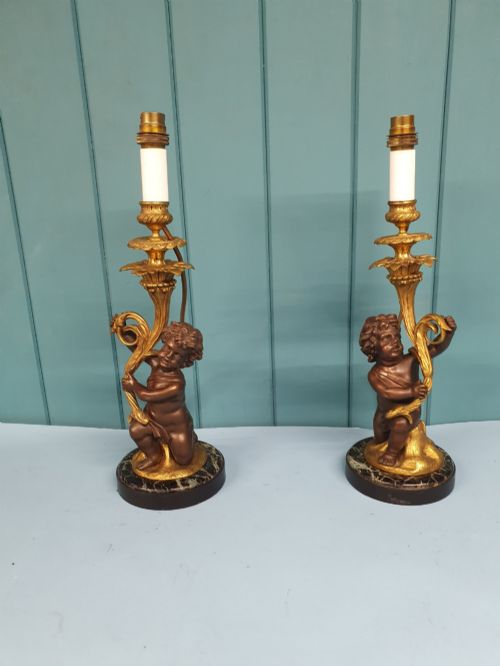
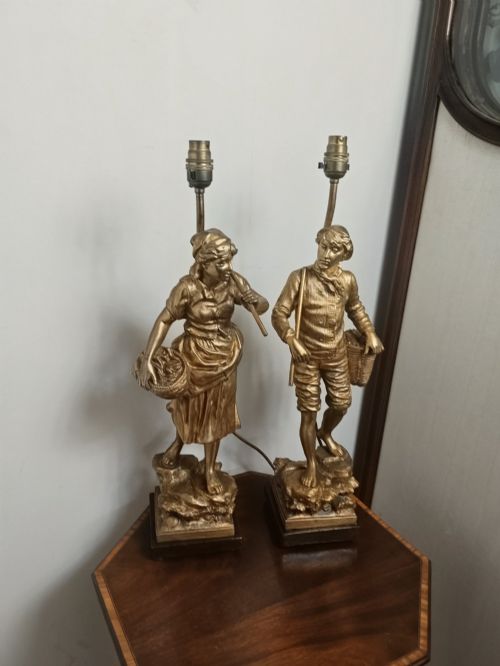
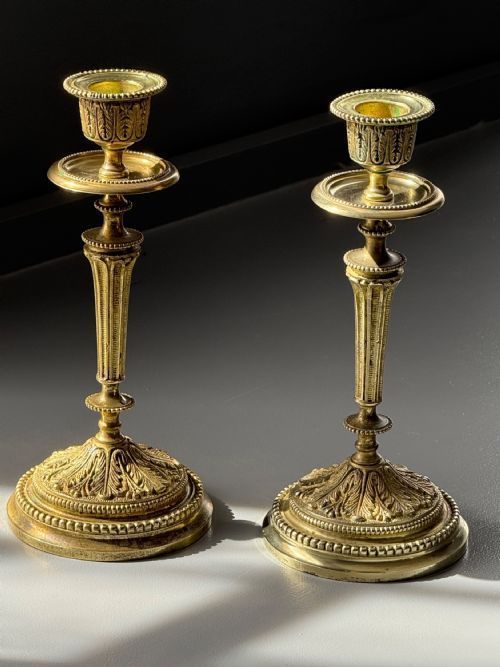
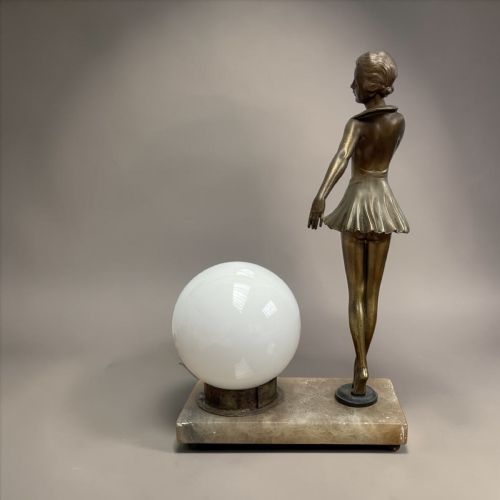
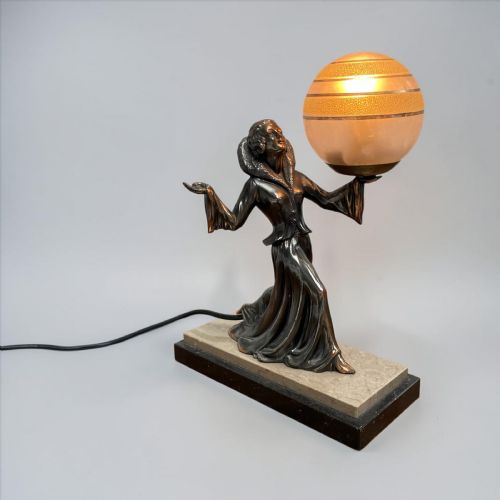
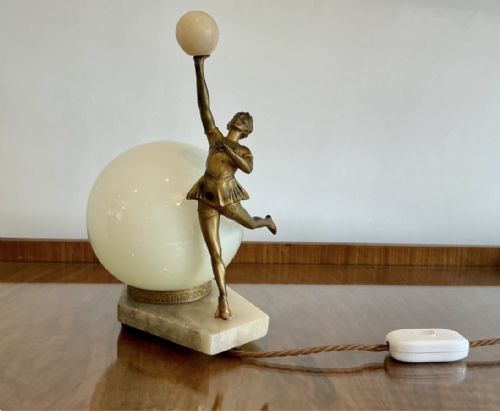
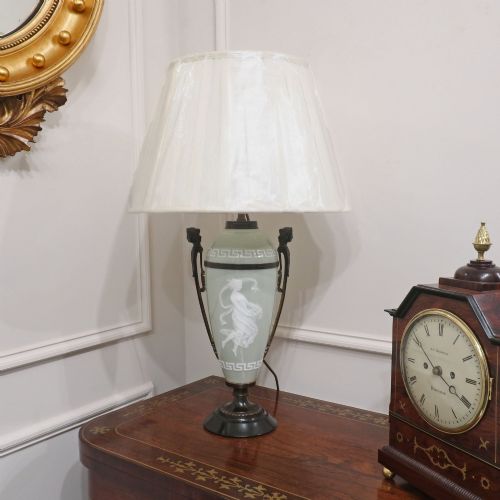
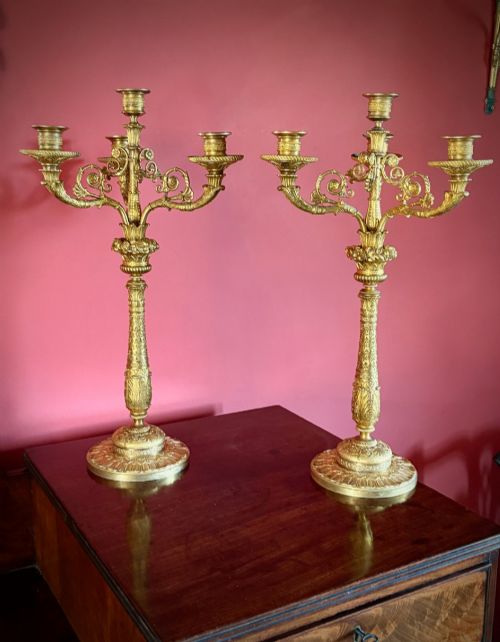
Forms include candelabra, figural table lamps, desk lamps, and urns mounted with gilt bronze trim. Materials frequently combine bronze or ormolu with marble, onyx, porcelain, and fabric shades.
Most examples originate from French workshops adhering to styles such as Louis XVI, Empire, and Rococo Revival. Pairs of lamps and candelabra dominate the offerings alongside individual sculptural pieces.
How they were made
Manufacturers utilised casting techniques to shape bronze and ormolu into intricate figural and floral motifs. Gilding was applied to bronze surfaces to create a bright, reflective finish on candelabra and mounts.
Many items incorporate mixed media such as carved white marble, onyx bases, crystal, and pate sur pate porcelain panels. Cold-painting and patination were applied to bronzes to achieve specific tonal depths on figures and animals.
Listings feature items from the eighteenth, nineteenth, and early twentieth centuries, incorporating materials such as gilt bronze, marble, onyx, and porcelain.
What varies in quality
The integration of secondary materials like marble, onyx, and porcelain sets apart superior pieces. Heavier, solid mounts and balanced proportions indicate higher manufacturing standards during the period.
E Rousseau·Dugourc·G. Amodio Naples·Pierre Philippe Thomire·Franz Bergman·L & F Moreau
The Antique Bronze Table Lights Glossary
- Ormolu
- Gilded bronze, usually referring to furniture mounts and lighting fixtures from the eighteenth and nineteenth centuries. This technique involved applying a mercury and gold amalgam to the bronze base before heating.
- Candelabra
- A branched candlestick holding multiple candles or configured later for electric bulbs. These fixtures often feature central stems surrounded by scrolling arms.
- Champlevé
- An enamelling technique where troughs are carved into the metal surface and filled with vitreous enamel before firing. It appears frequently on nineteenth-century French onyx bases.
- Patination
- The natural or chemical surface coloration developed on bronze over time. Artisans also applied artificial patinas to achieve specific dark or golden tones.
Antique Bronze Table Lights: Frequently Asked Questions
How do I convert antique bronze table lights for modern wiring?
Conversion typically involves running wire through the existing central channel without drilling new holes into the antique metalwork. A qualified electrician should fit modern bulb holders that match the scale of the original socket housing.
Retaining the original switchgear or incorporating inline switches helps preserve the historic integrity of the lamp. Care must be taken to protect delicate patination and mounted materials such as porcelain or marble during the rewiring process.
Are these antique bronze table lights sold as pairs?
Many listings feature matched pairs of candelabra and figural lamps, which were originally produced for symmetrical placement on mantelpieces or sideboards. Single pieces also appear, often representing larger sculptural works or converted desk items.
Matching pairs generally command higher interest from interior designers seeking balanced lighting for formal spaces. Single lamps offer focal points for smaller tables and reading desks.
How do I clean antique bronze table lights safely?
Dusting with a soft, dry brush removes surface particles without disturbing the protective layer of wax or old patina. Avoid abrasive metal cleaners and harsh chemical polishes that strip away original gilding and ormolu finishes.
Marble and onyx sections benefit from a gentle wipe with a damp cloth, followed immediately by drying. Keeping bronze fixtures away from direct moisture prevents corrosion and preserves the surface.
What periods do antique bronze table lights cover?
The selection spans from eighteenth-century Venetian candlesticks through nineteenth-century French Neoclassical, Empire, and Rococo Revival styles. Early twentieth-century Art Deco lady lamps and Japanese Meiji period bronzes also feature prominently.
Stylistic markers help identify the period, such as the classical restraint of Louis XVI designs versus the dynamic geometry of Art Deco pieces. Dates range from the eighteen-hundreds up to the nineteen-thirties.