


Antique Bronze Sculpture Decor
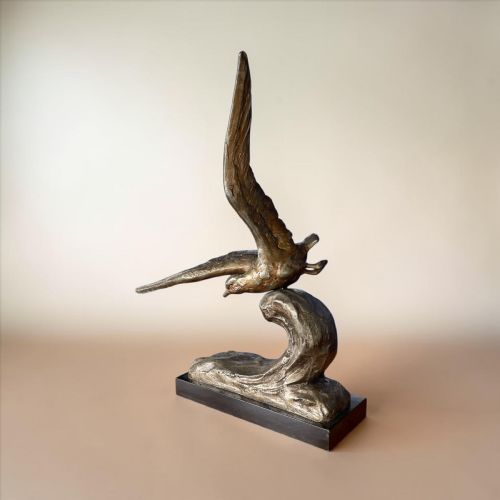
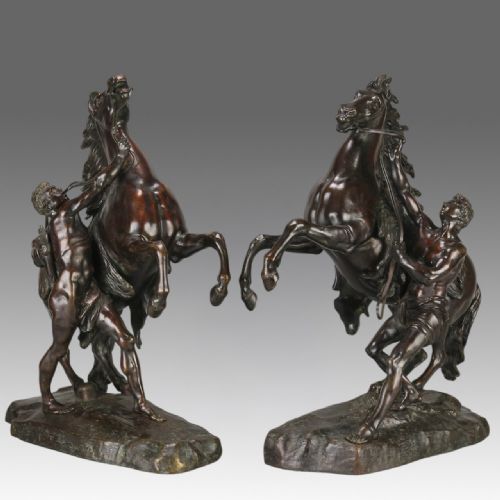
Antique bronze sculpture decor brings classical form, animalier studies, and Egyptian Revival weight into a room through cast metal and marble.
Antique Bronze Sculpture Decor
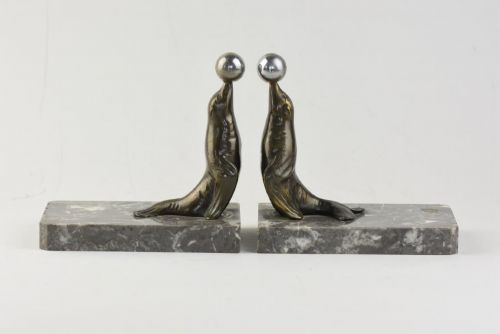
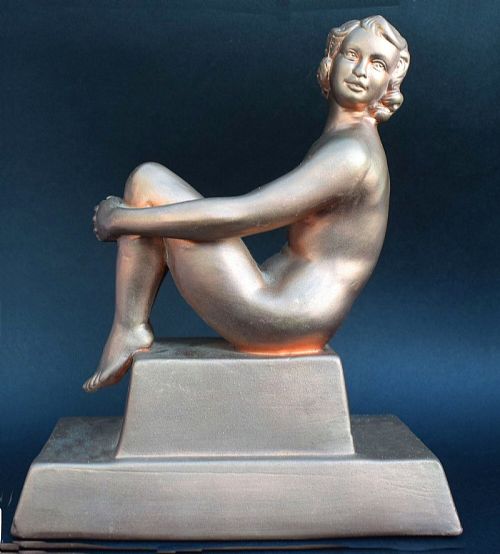
When buyers search for antique bronze sculpture decor, they encounter a diverse array of decorative objects ranging from nineteenth-century animal figures and portrait busts to Art Deco bookends and desk tidies. These items span Victorian, Edwardian, and early twentieth-century periods, reflecting shifting tastes in interior ornamentation.
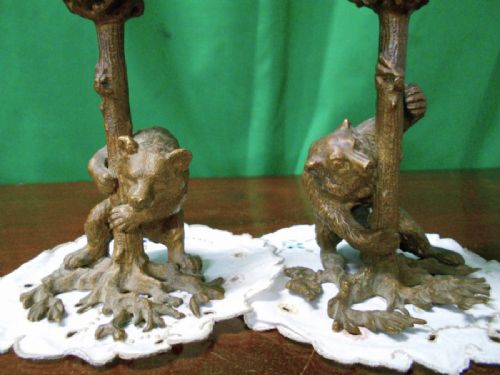
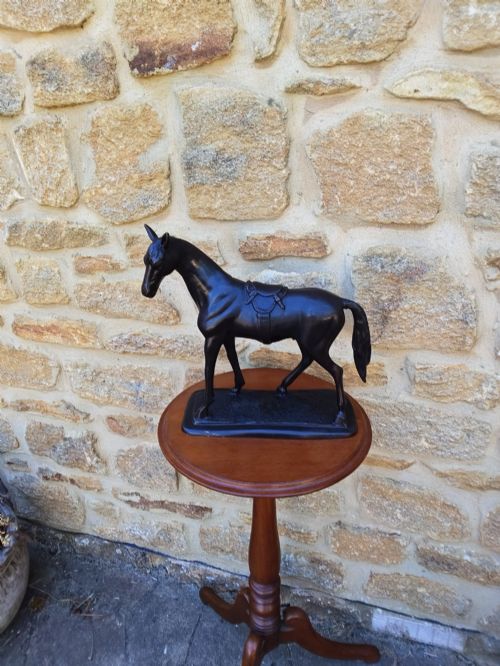
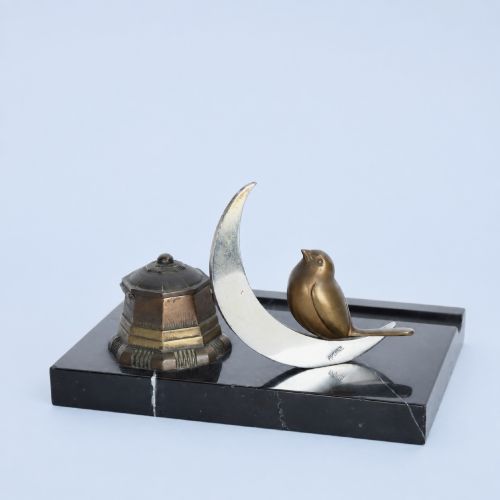
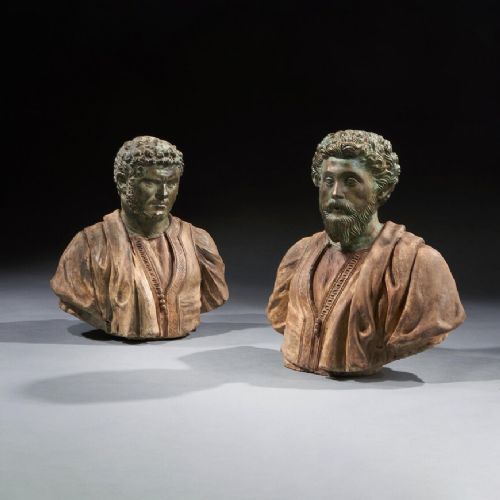
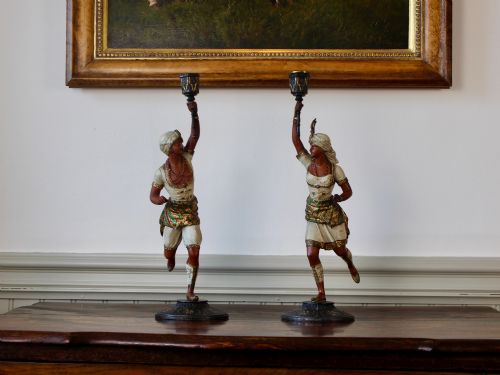
The selections on this page are most commonly represented by small desk accessories, figural candlesticks, and cabinet bronzes mounted on marble plinths or wood bases. Animal subjects, classical philosophers, and Orientalist figures dominate the forms available to collectors.
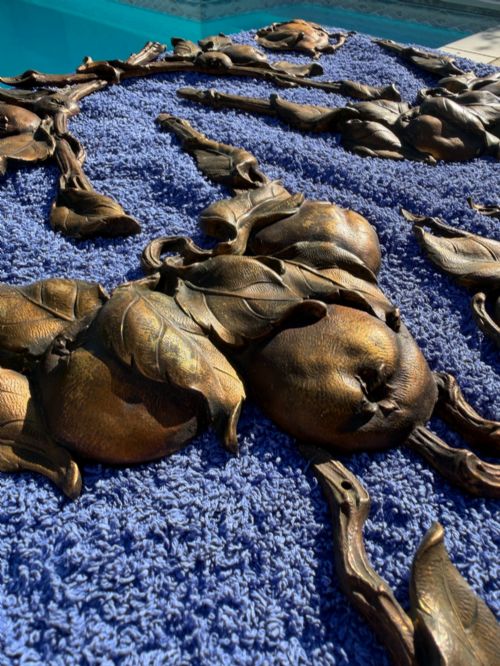
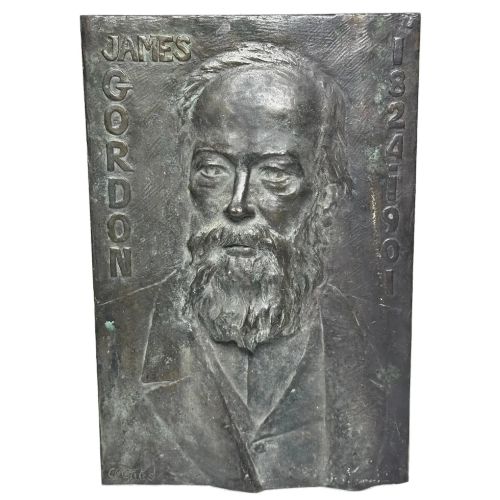
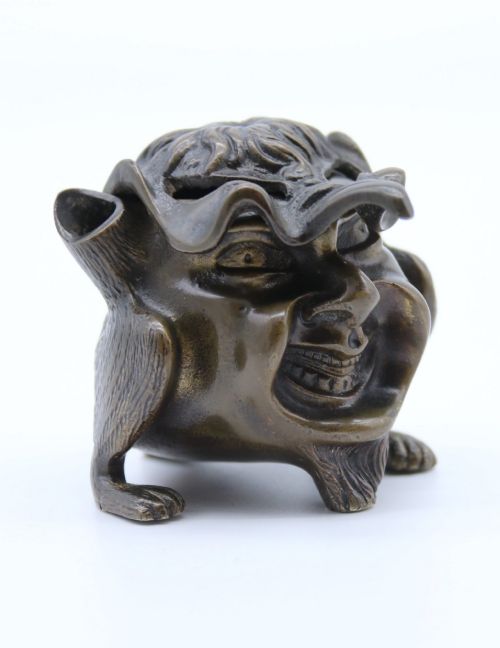
Beyond standalone statues, the category encompasses functional decor items such as inkwells, furniture mounts, wall plaques, and appliques. These pieces combine sculptural artistry with domestic utility, serving both decorative and practical roles in period interiors.
How they were made
Many of these decorative objects utilise traditional bronze casting techniques, yielding durable metal forms with substantial weight and defined surface detail. Artisans frequently applied patination or cold-painted finishes to achieve varied coloration on figures and animals.
Alternative compositions involve spelter and cast metal, often finished with paint or gilt to simulate the appearance of solid bronze. These metal elements are regularly paired with contrasting bases of black marble, Carrara marble, or olive wood to anchor the sculptures.
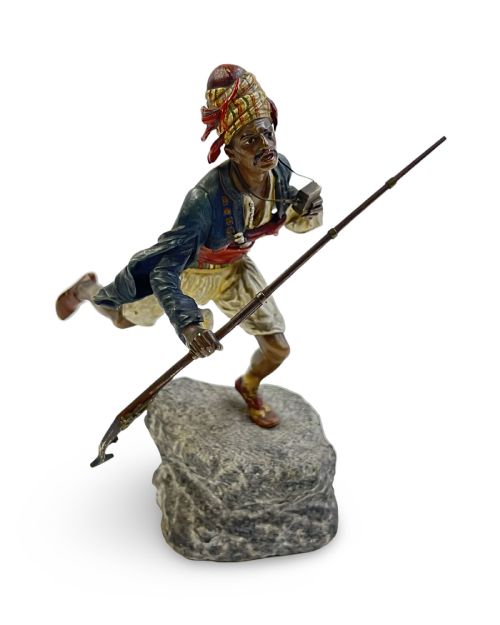
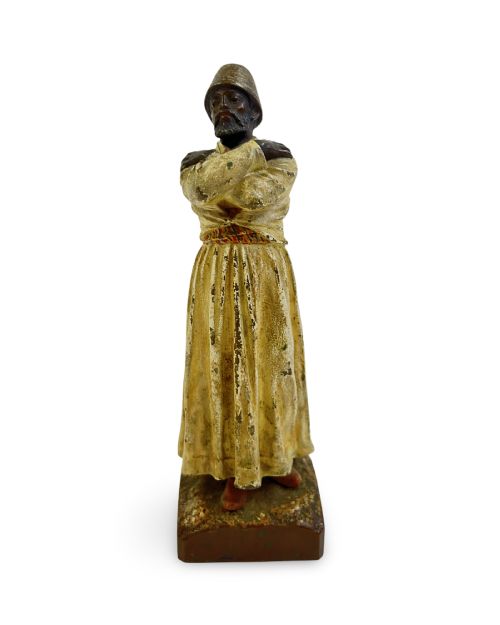
Specialised decorative treatments include fire-gilding for gilt bronze appliques and sphynxes, as well as cold-painted polychrome surfaces seen on Orientalist warrior and dervish figures. Relief wall panels and plaques rely on precise casting moulds to capture intricate portraits and classical motifs.
Listings feature nineteenth-century, Edwardian, and Art Deco periods, employing bronze, spelter, marble, and gilt metal.
What varies in quality
The depth and nuance of the patination or cold-painted polychromy dictate the visual impact of the object. High-grade surfaces show careful tonal layering that survives years of handling and display.
The choice of subsidiary materials strongly influences overall quality, particularly the selection of solid marble plinths, exotic woods, or heavy gilt mounts rather than lighter base substitutes.
Poix Blin·Alice Gates·Franz Xaver Bergman·Coustou·Remington·Pierre Lenordez·Michel Decoux
The Antique Bronze Sculpture Decor Glossary
- Animalier
- A nineteenth-century artistic style focusing on the realistic depiction of animals, particularly predators, horses, and bears in dynamic poses. Sculptors in this tradition studied anatomy closely.
- Cold-painted bronze
- A technique where bronze figures receive polychrome paint applications without being fired in a kiln. This finish is especially characteristic of Viennese workshops.
- Spelter
- A zinc-based alloy commonly utilised as a less expensive alternative to bronze for decorative statues and figural candlesticks. It is often painted to imitate genuine bronze patination.
- Gilt bronze
- Bronze that has been coated with a thin layer of gold or gold amalgam using fire-gilding methods. This treatment imparts a bright, enduring metallic lustre.
- Grand Tour
- A nineteenth-century cultural practice where travellers collected small bronze replicas of classical antiquities and busts. These souvenirs served as educational and decorative items upon return home.
Antique Bronze Sculpture Decor: Frequently Asked Questions
How do I clean an antique bronze sculpture?
Dust the surface gently with a soft, dry brush to prevent accumulation in crevices.
Avoid using water, chemical polishes, or abrasive cloths, as these treatments can strip the historic patina.
What is the difference between bronze and spelter?
Bronze is a heavy copper-alloy metal valued for its durability and capacity to hold fine cast details.
Spelter is a softer, lighter zinc alloy frequently employed for decorative figures during the nineteenth century.
How do I identify an Orientalist bronze?
These figures typically depict Middle Eastern or North African subjects, such as warriors, dervishes, and merchants.
They frequently feature intricate cold-painted polychrome surfaces rather than traditional dark bronze patinas.
What are Grand Tour bronzes?
Grand Tour bronzes are small-scale nineteenth-century replicas of classical statues, busts, and architectural elements.
Wealthy travellers collected them across Italy and Europe as mementos of their educational travels.