



Antique Bronze Okimono
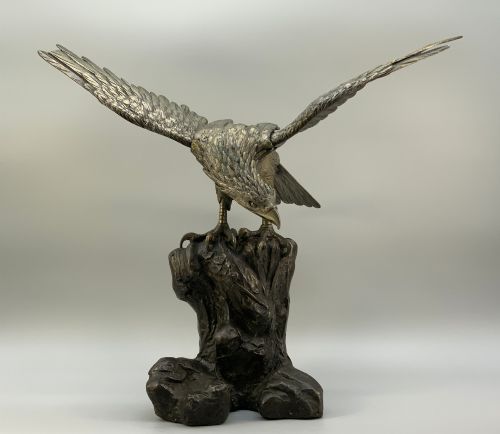
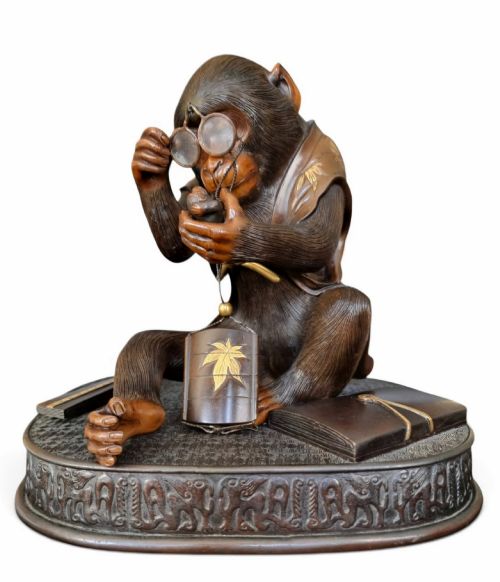
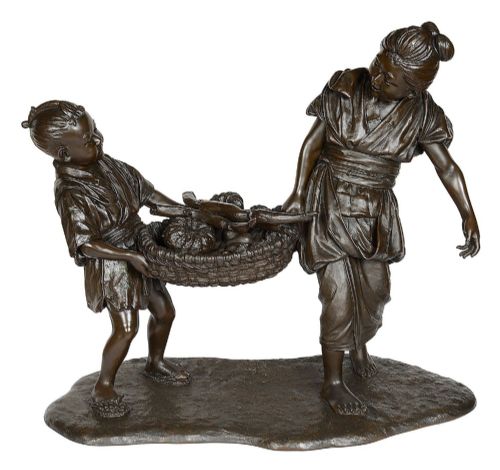
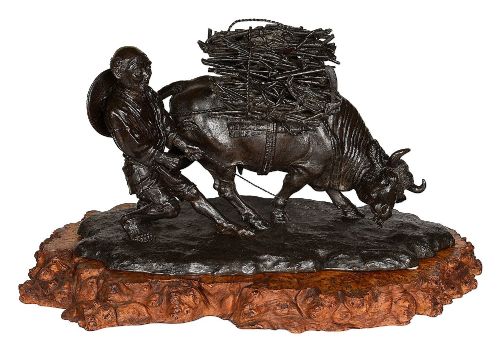
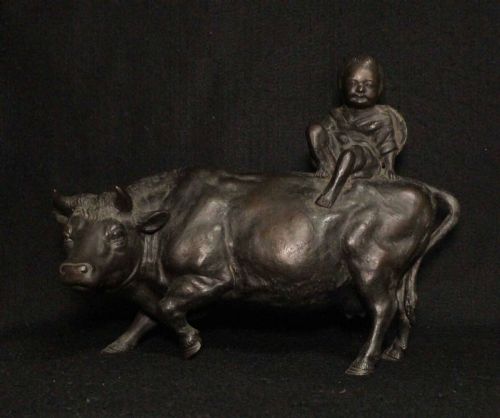
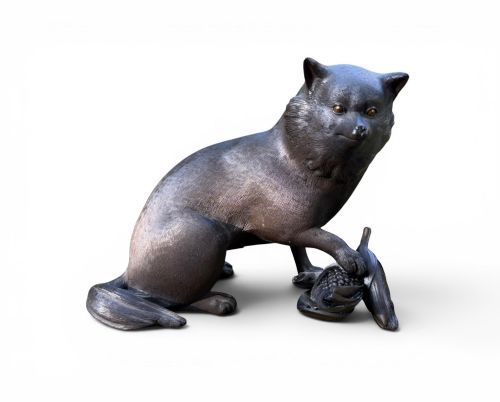
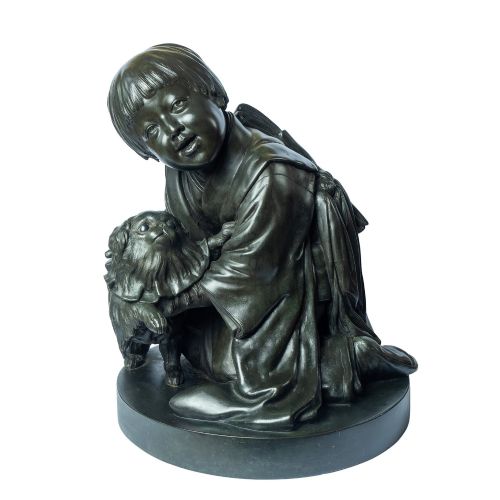
These antique bronze okimono are Japanese sculptures and figures depicting animals, humans and mythical subjects from the Meiji and Showa periods.
Antique Bronze Okimono
An antique bronze okimono is a standalone Japanese display object intended for interior decoration rather than altar use. When buyers search for this phrase, they encounter small desk studies alongside large garden statuary, vases and animal figures.
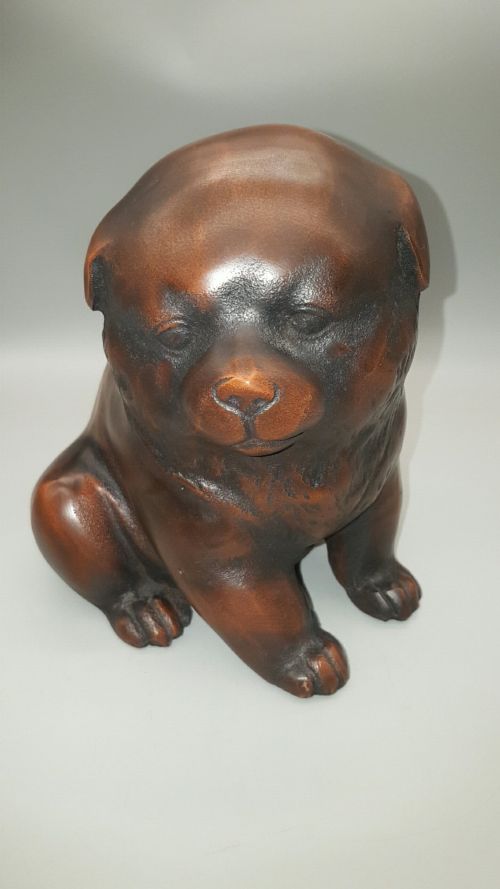
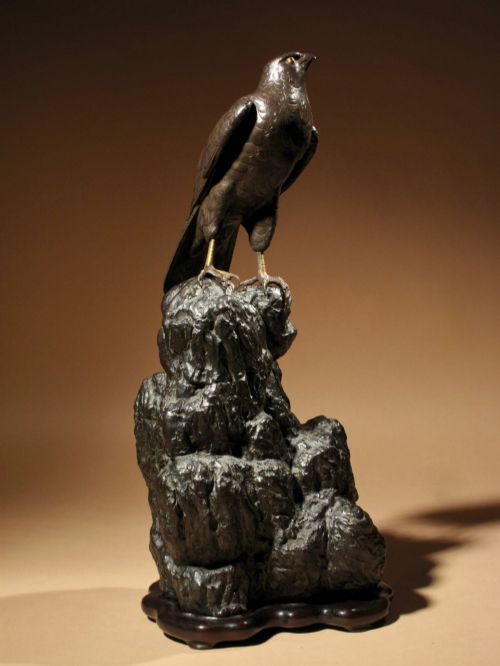
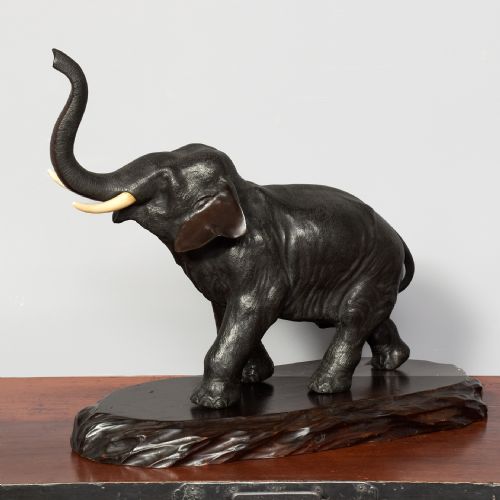
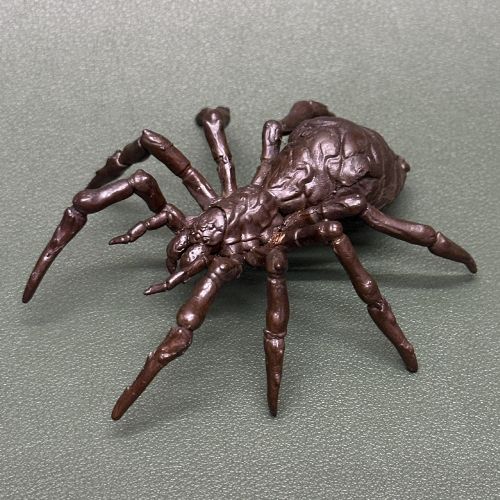
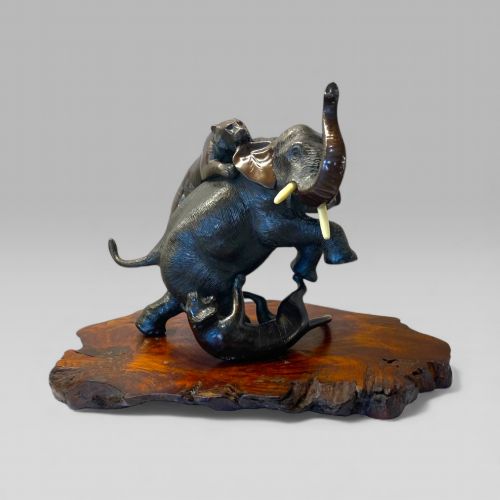
The majority of pieces on this page originate from the Meiji period and the nineteenth century, spanning subjects from birds of prey and elephants to insects and human figures. Makers frequently rendered animals in combat or naturalistic poses, such as tigers confronting elephants or puppies at play.
Forms range from intimate handheld sculptures to massive garden geese and dragons. Collectors select these works for their mastery of Japanese metalwork and the striking realism applied to natural subjects.
Materials and technique
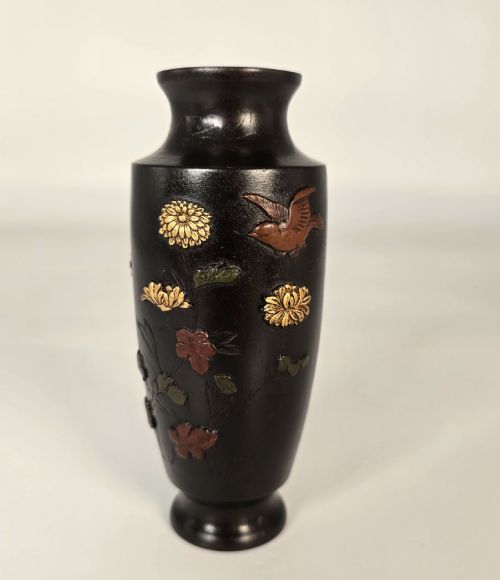
Casting forms rely primarily on bronze and patinated bronze, often enhanced through mixed-metal elements, gold inlay and silvered surfaces. Workshops utilised copper alloys to achieve deep, varied patinas on animal pelts and plumage.
Articulated joints appear in complex insect and crustacean models, where individual segments move independently. Artisans also incorporated secondary materials such as ivory, bone, wood and stone for tusks, bases and structural details.
Listings feature items dated from the 1870s through the 1920s, with a strong concentration in the Meiji period.
What separates the finest examples
Quality rests upon the precision of the casting and the subtlety of the surface patination. Superior pieces display anatomical accuracy and lifelike textures in feathers, fur and scales, achieved through meticulous chasing and finishing.
Signatures by recognised workshops or master artists elevate a sculpture's standing. The integration of mixed-metal highlights and secure, complex articulation in jointed creatures distinguishes workshop production from standard commercial casting.
Jomi Eisuke·Masaaki·Kaniya Kuniharu·Gyoko·Unno Shomin·Miyao·Genryusai Seiya Sasku
The Antique Bronze Okimono Glossary
- Okimono
- A Japanese ornamental object designed for display on a shelf or in a tokonoma alcove. These sculptures represent animals, figures and natural scenes without religious function.
- Meiji Period
- The era in Japanese history spanning from 1868 to 1912, characterised by intense modernisation and a surge in fine metalwork exported to Western markets.
- Patinated Bronze
- Metal treated with chemical solutions to produce specific surface colours and tones. This process accentuates sculptural detail and mimics natural ageing.
- Shakudo
- A Japanese billon alloy of copper and a small amount of gold, treated to yield a dark blue-black patina. Metalworkers utilised this material for contrast and inlay work.
- Articulated Okimono
- A piece constructed with movable joints that mimic the natural movement of insects, fish or reptiles. Each segment requires precise individual casting and pinning.
Antique Bronze Okimono: Frequently Asked Questions
How were okimono used in Japanese homes?
These sculptures served as decorative art placed within traditional interior spaces or on display furniture. Owners selected them to bring elements of nature and folklore indoors.
Unlike ritual objects, okimono were appreciated purely for their artistic merit and craftsmanship.
How do I care for bronze okimono?
Maintain bronze sculptures by dusting them gently with a soft, dry brush or cloth. Avoid liquid cleaners and polishes, which can strip the original patination.
Keep the pieces away from direct sunlight and excessive moisture to protect any integrated wood bases or ivory elements.
How can I tell the Meiji period pieces apart?
Meiji period works frequently feature high levels of anatomical realism combined with signature marks from active workshops. The era is distinguished by experimental patination and mixed-metal details.
Later pieces from the Showa or Taisho periods often continue these traditional forms but reflect twentieth-century production methods.