

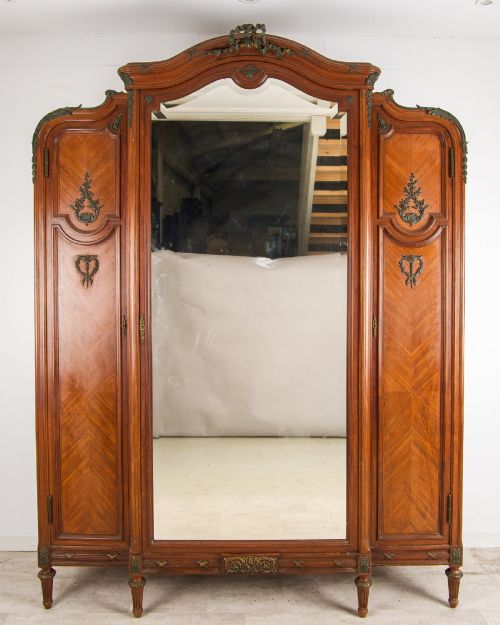


Antique Bronze Mirror
An antique bronze mirror brings substantial French metalwork and reflective glass into a room, offering weight and distinct period character.
Antique Bronze Mirror
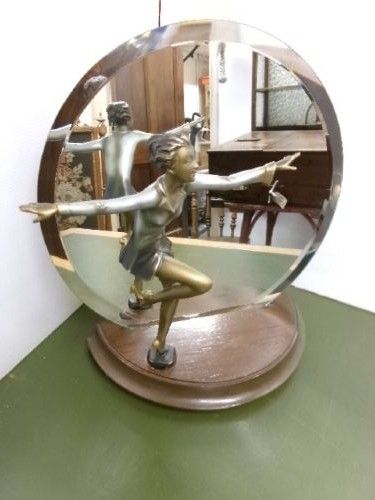
An antique bronze mirror encompasses wall mirrors, table mirrors, and dressing table mirrors shaped by French Empire, Rococo, and Louis XVI revival styles. These objects combine metal frames with mirror glass, appearing frequently alongside other gilt bronze mounts on furniture.
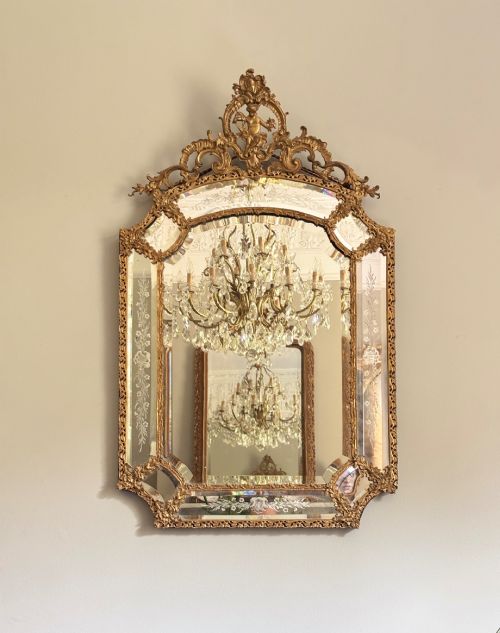
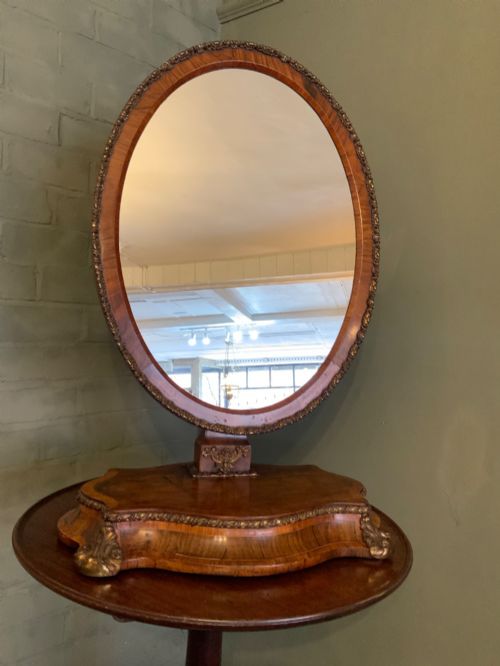
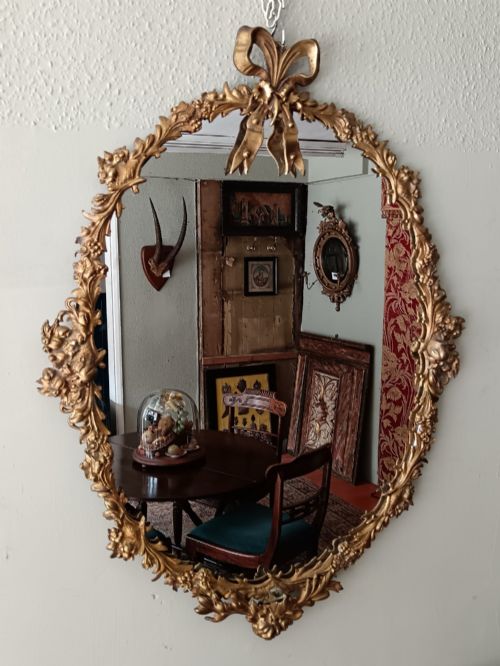
The selection ranges from small toilet mirrors placed on dressing tables to large wall mirrors framed in heavy gilt bronze or ormolu. Many pieces date from the nineteenth century, reflecting nineteenth-century manufacturing trends across France and England.
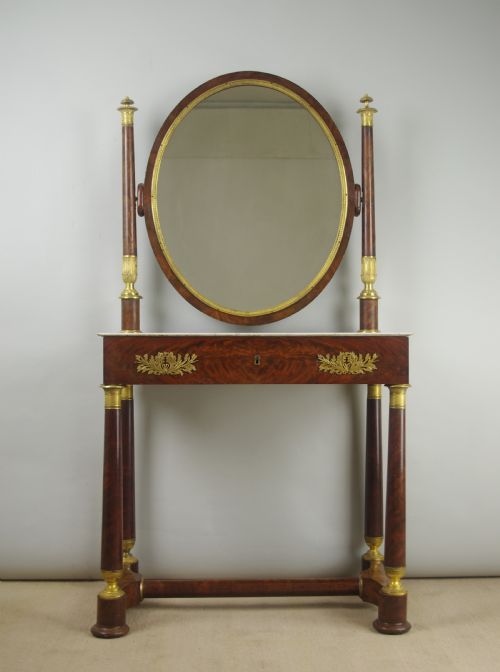
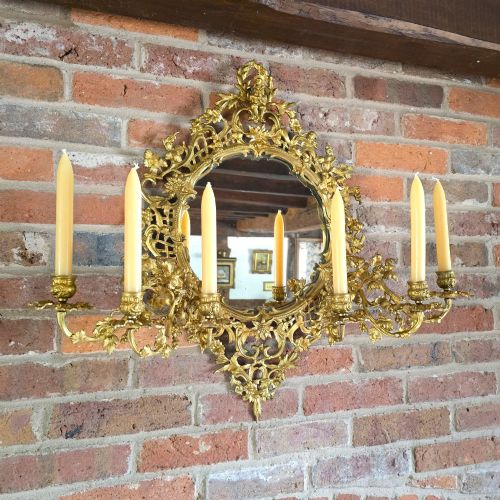
Buyers encounter freestanding cheval mirrors, hand mirrors, and wall sconces featuring cast bronze alongside glass and mirror glass panels. The forms reflect specific historical periods, particularly the Victorian era and the later decades of the eighteen-hundreds.
How they were made
The manufacture of these items relies on casting bronze, brass, or spelter into intricate frames, which often receive a layer of mercury gilding or ormolu to achieve a bright gold finish. Artisans combined these heavy metal mounts with glass plates, securing them into wooden carcases made from mahogany, walnut, kingwood, or burr walnut.
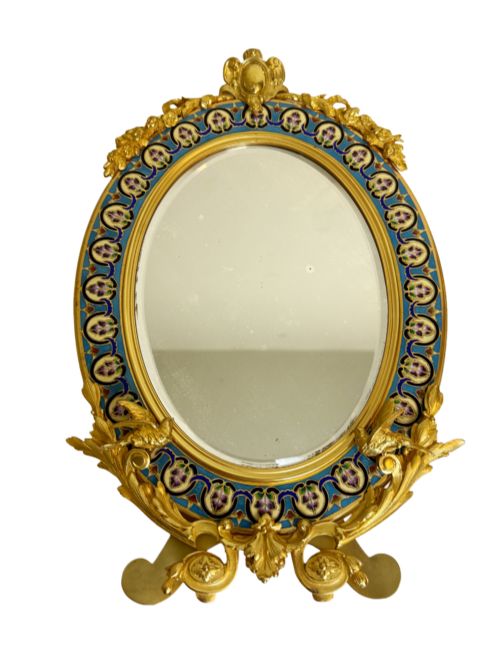
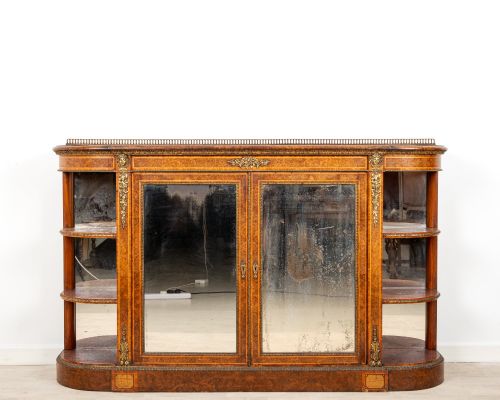
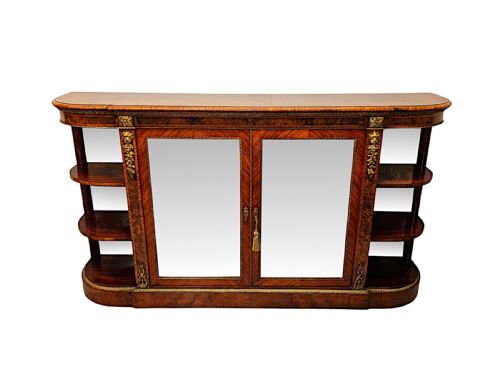
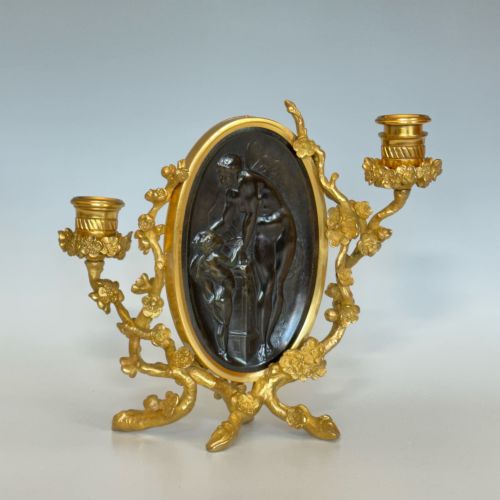
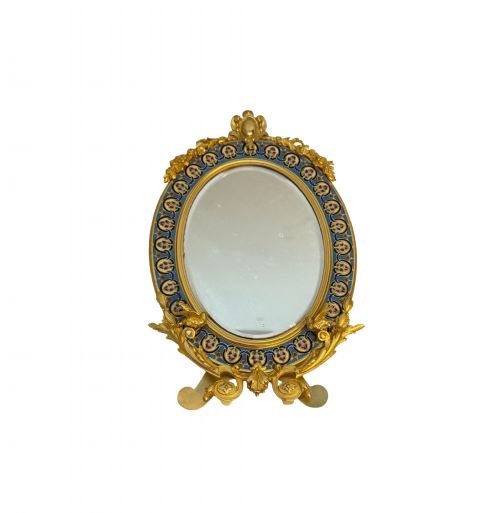
Detailing on the bronze frames frequently includes champleve enamel work, hand-chased surface patterns, and figural casts depicting cherubs or putti. Secondary materials such as marble tops and mirrored doors appeared on larger furniture pieces that incorporated these mirrors into their design.
Recorded materials span glass, gilt bronze, burr walnut, kingwood, brass, and champleve enamel.
What varies in quality
Quality in these mirrors rests upon the crispness of the bronze casting and the depth of the subsequent chasing work on the metal surface. Finer examples show sharp relief in floral motifs and figures, whereas lesser pieces display softened details from worn moulds.
The preservation of the original gilding or ormolu finish dictates the visual impact of the frame. Additionally, the clarity and age of the mirror glass itself, along with the solidity of the underlying wooden structure, separate standard production items from exhibition-grade works.
Gillows·Thiebaut Freres·G. Durand·Coalbrookdale
The Antique Bronze Mirror Glossary
- Ormolu
- A gilded bronze finish created by applying a mixture of gold and mercury to a cast bronze base. This technique was widely used by French makers during the eighteenth and nineteenth centuries.
- Champleve
- An enamelling technique where troughs are dug into the bronze surface and filled with vitreous enamel powder before firing. It appears frequently on nineteenth-century table mirrors and frames.
- Cheval Mirror
- A full-length floor mirror hung in a freestanding frame that allows the glass to tilt. These large pieces often incorporate heavy bronze or mahogany supports.
- Girandole
- A branched wall-bracket or sconce fitted with candles, often paired with a central mirror plate. The reflective glass multiplies the candlelight within the room.
Antique Bronze Mirror: Frequently Asked Questions
How do I clean an antique bronze mirror?
Dust the frame gently with a dry, soft brush to protect the delicate gilt bronze or ormolu surface from abrasion. Avoid commercial metal cleaners, which can strip the historic finish.
Clean the mirror glass using a simple damp cloth, keeping moisture away from the edges where the silver backing meets the metal frame.
Where should I place a table mirror?
Position a table mirror on a sturdy dressing table, console table, or chest of drawers where its weight receives proper support. Ensure the surface remains level so the adjustable pivots or stands do not strain.
Keep the piece away from direct sunlight and damp walls to preserve both the wooden backing and the metallic lustre of the bronze.
How do I identify French revival styles?
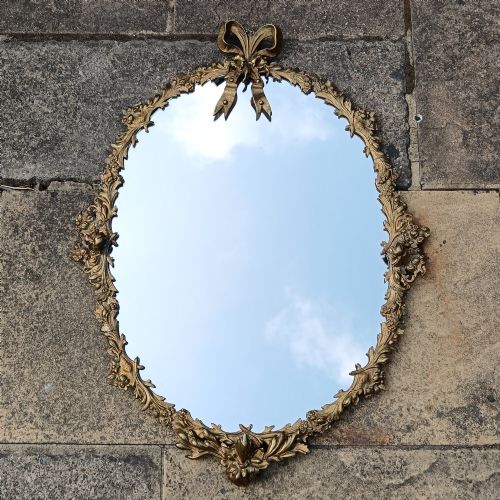
Look for the characteristic motifs of Louis XVI revival pieces, which favour neoclassical symmetry, straight lines, and ribbon ties. Rococo revival frames instead display asymmetric curves, C-scrolls, and naturalistic leaf patterns.
Examine the casting quality and the construction of the wooden elements behind the bronze mounts for clues regarding the nineteenth-century date of manufacture.
Are bronze mirrors very heavy?
Solid bronze frames combined with thick mirror glass and wooden carcases create substantial weight that requires secure wall fixings. Wall-mounted versions need proper anchors to support the load safely.
Table and cheval mirrors use wide bases or sturdy feet to counterbalance the weight of the tilting glass frame.