


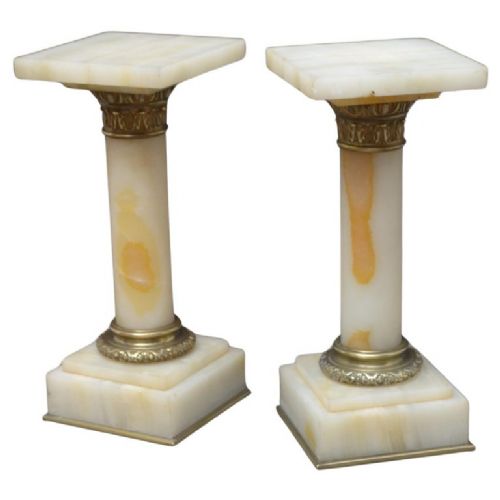


Antique Bronze Display Stand
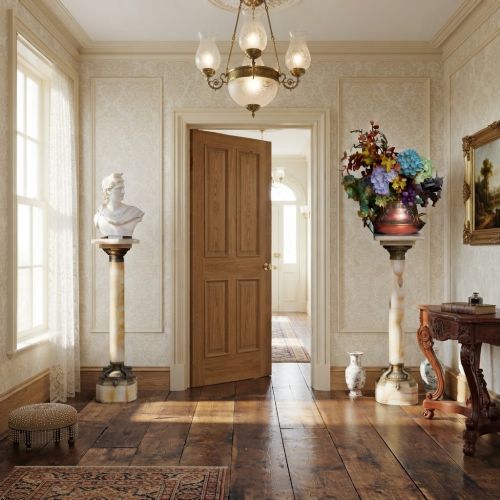
An antique bronze display stand brings distinct height and metallic warmth to a room, lifting decorative objects into clear view.
Antique Bronze Display Stand
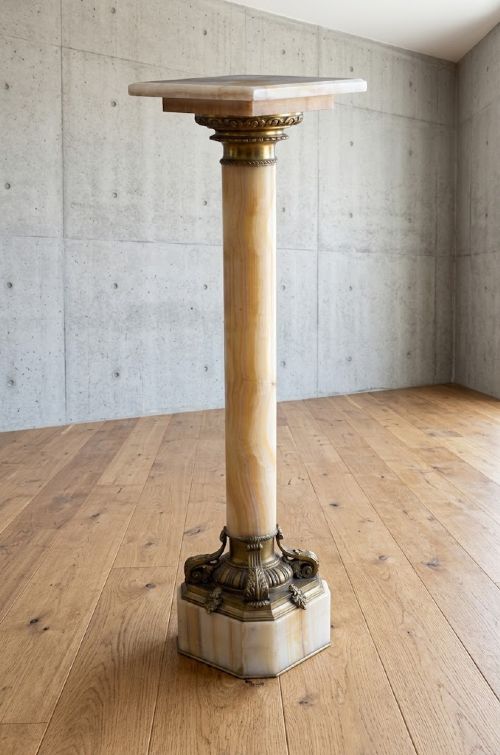
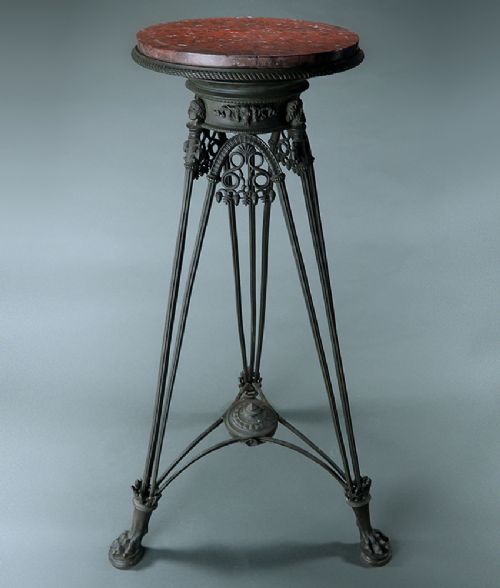
An antique bronze display stand combines structural support with ornamental metalwork, typically taking the form of pedestals, columns, or etageres. These pieces frequently incorporate materials such as marble, onyx, and various timbers to elevate items effectively.
Most examples encountered date from the nineteenth century, including Victorian and Edwardian periods, often reflecting French Rococo, Neoclassical, or Louis XV styles. They serve primarily to showcase vases, sculptures, or smaller decorative objects within an interior.
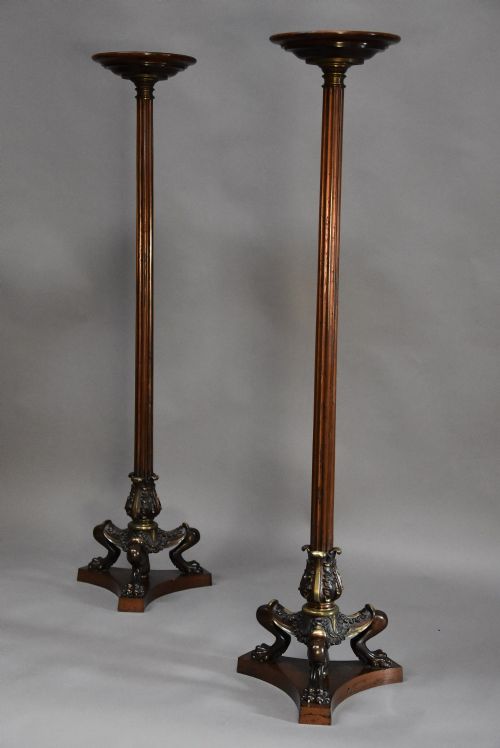
Forms range from tall torchere columns with ormolu collars to rotating stands and glazed cabinets designed for presentation. The metal components provide both stability and decorative framing for the surface material.
How they were made
Maker workshops utilised cast bronze and gilt ormolu mounts alongside natural stone pillars like marble and onyx. Timber elements such as mahogany, walnut, and kingwood were frequently inlaid with marquetry or parquetry.
Metal components were cast and often fire-gilded or patinated, then secured to stone columns or wooden frames using traditional joinery and brass hardware. Stonework was turned and polished to create smooth columnar shafts.
Materials span gilt bronze, ormolu, marble, onyx, and various timbers including walnut and mahogany.
What varies in quality
Quality rests in the crispness of the bronze casting and the precision of the ormolu chasing. Finer examples display deeply defined foliage and figures, whereas lesser pieces show softer, smoother contours from worn moulds.
The choice and integration of secondary materials also set pieces apart, such as finely figured marble tops and tightly fitted parquet veneers. Superior structural stability in tall columns indicates careful internal engineering.
Gabriel Viardot·George Smith·Thomas Hope
The Antique Bronze Display Stand Glossary
- Ormolu
- Gilded bronze used for mounts and decorative detailing on furniture and stands. The technique involves applying a mercury and gold amalgam to cast bronze before heating.
- Torchere
- A tall stand or pedestal originally designed to hold a torch or candelabrum. Later versions support vases, urns, or sculptural figures.
- Etagere
- A piece of furniture consisting of a set of open shelves for displaying small objects. They often feature intricate wood veneers and bronze mounts.
- Japonisme
- The study of Japanese art and aesthetics that influenced Western decorative arts in the late nineteenth century. Pieces in this style incorporate asymmetrical designs and distinct motifs.
- Guéridon
- A small round table supported by one or more columns, originating in seventeenth-century France. Nineteenth-century variants frequently feature marble tops and gilt bronze collars.
Antique Bronze Display Stand: Frequently Asked Questions
What is an antique bronze display stand used for?
These pieces elevate decorative objects, urns, and sculptures to improve their visibility within a room. They were designed to showcase prized possessions rather than serve as heavy utilitarian tables.
Tall columns and etageres allow collectors to create varied heights in interior displays, drawing the eye upward and highlighting specific items.
How do I date a nineteenth-century pedestal?
Dating relies on stylistic clues, timber choices, and casting techniques characteristic of specific decades. Neoclassical and Rococo revivals indicate particular periods during the eighteen-hundreds.
Secondary materials like onyx, amboyna, and specific marquetry patterns also help narrow the timeline between early Victorian and Edwardian eras.
Are marble and onyx tops original?
Most stone tops and column shafts are original to the pieces, shaped and fitted specifically for the bronze or ormolu mounts. The weight of the stone provides necessary balance for tall display columns.
Matching the stone type to the period and style helps confirm authenticity across the entire assembly.
How do I care for gilt bronze mounts?
Gilt bronze and ormolu require gentle dusting with a soft, dry brush to prevent the accumulation of grit in recessed chasing. Avoid chemical polishes that can strip the original gilding.
Maintaining stable humidity in the room protects both the metal patination and the underlying timber or stone components.