



Antique Bronze Canine
These antique bronze canine figures capture dogs in bronze, spelter, and cold-painted finishes from the nineteenth and early twentieth centuries.
Antique Bronze Canine
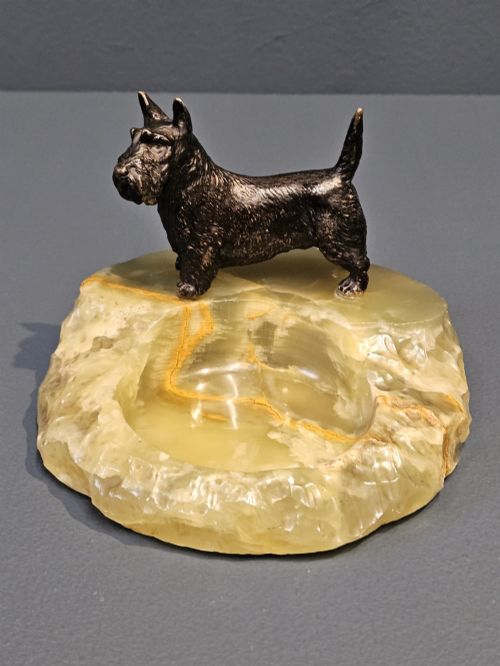
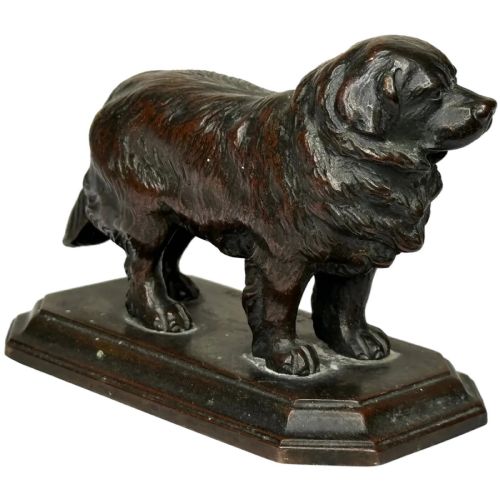
When looking for an antique bronze canine, buyers encounter sculptural studies, bookends, desk tidies, and inkwells representing various dog breeds. These pieces originate predominantly from the nineteenth and early twentieth centuries, spanning Victorian, Edwardian, and Art Deco periods.
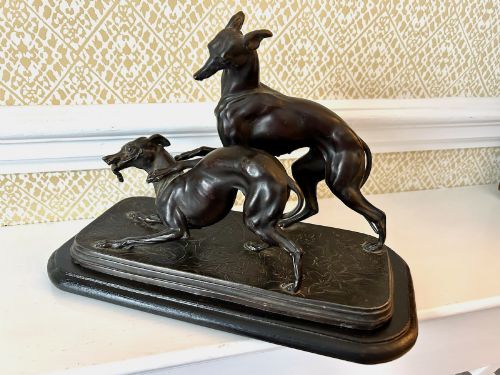
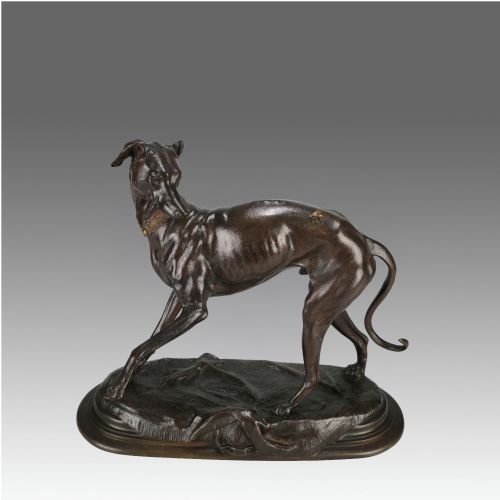
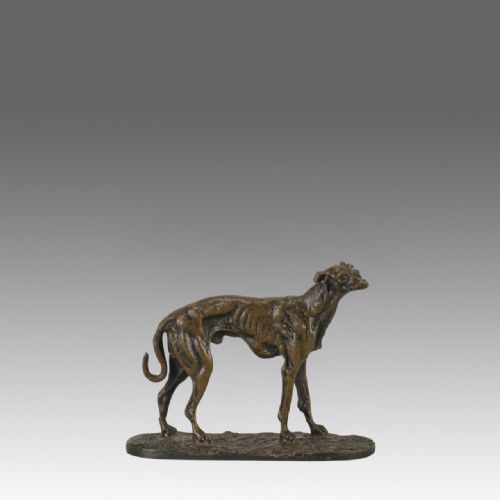
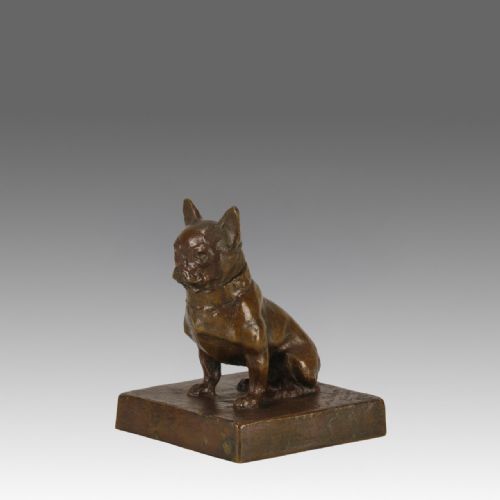
The most common examples on this page are French and Austrian animalier bronzes, featuring breeds such as greyhounds, whippets, terriers, and bulldogs. Sculptures range from small desk models and car mascots to larger signed foundry works.
Materials and production methods
Foundries utilised traditional lost-wax casting and sand-casting methods to shape molten metal into detailed animal forms. Bronze serves as the primary medium, alongside spelter for later decorative figures.
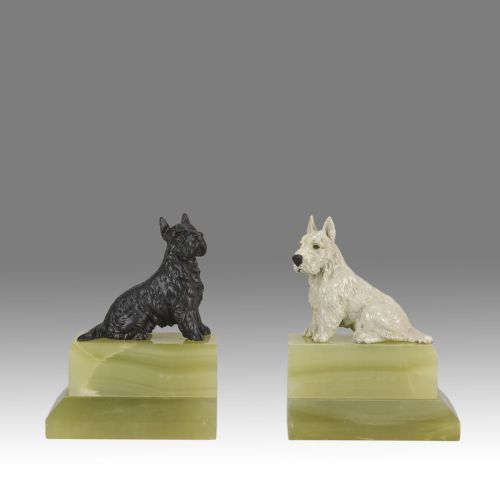
Makers applied hand-painted polychrome details to cold-painted bronze pieces, while others relied on chemical patination to achieve deep surface tones. Bases frequently incorporated supportive mounts of marble, onyx, or wood.
Antique Bronze Canine Retail Price Guide 2026
Typical asking prices for bronze canine among the pieces listed under this phrase on Sellingantiques today, from the lower quarter to the upper quarter. They describe what is for sale here now, not the wider market.
One hound sits poised with a fly, while others grip balls or strike begging poses.
Factors of quality and execution
Quality rests in the anatomical accuracy of the canine subject and the crispness of the chasing work after casting. Superior examples display lifelike muscle tone, fur texture, and posture.
Signatures by recognised animalier sculptors and foundry marks from established operations elevate the standing of a piece. The preservation of original cold-painted surfaces or rich patination also dictates the desirability of a sculpture.
Alfred Barye·Dora Heber·P J Mêne·Pierre Jules Mene·Prosper Lecourtier·Antoine Louis Barye·C Masson·Edith Parsons·Arthur Waagen·P.de Soete·Joseph Francois Victor Chemin·FRANZE BERGMAN·Louis Riche·Louis Riché·Barbedienne·L.Bureau
The Antique Bronze Canine Glossary
- Animalier
- A nineteenth-century artistic movement focused on the realistic depiction of animals. Sculptors in this style studied live subjects to capture accurate movement and anatomy.
- Cold-painted bronze
- Bronze objects painted with polychrome oil or enamel paints that were not subjected to high-firing kilns. This technique achieved vibrant, realistic coats on small animal figures.
- Spelter
- A zinc alloy used as a cost-effective substitute for bronze, often painted to resemble bronze or patinated. It appears frequently in twentieth-century decorative figures and bookends.
- Patina
- The surface coloration and sheen developed naturally over time or applied artificially by chemical treatment. It protects the metal and adds depth to sculptural details.
- Foundry mark
- An imprint or stamp left by the casting workshop on the base or body of a sculpture. These marks identify the commercial enterprise responsible for pouring the metal.
Antique Bronze Canine: Frequently Asked Questions
What is an animalier bronze?
An animalier bronze is a nineteenth-century sculpture depicting animals in realistic or dramatic poses. These works focus closely on anatomical precision and natural behaviour.
Artists observed creatures in menageries and rural settings to translate live movement into metal.
What is spelter?
Spelter is a zinc-based alloy commonly used as an alternative to solid bronze for decorative figures. It is lighter than bronze and softer to the touch.
Many twentieth-century sculptural pieces and bookends utilised spelter with a patinated finish.
How were these pieces used originally?
Canine bronzes served multiple domestic functions beyond pure display. Many acted as paperweights, bookends, desk tidies, inkwells, or removable car mascots.
Owners placed them on library desks, smoking tables, and mantelpieces during the Victorian and Edwardian eras.