




Antique Bronze Baluster
These antique bronze baluster pieces bring sculptural weight and historical depth to a room, offering classic form in durable metal.
Antique Bronze Baluster
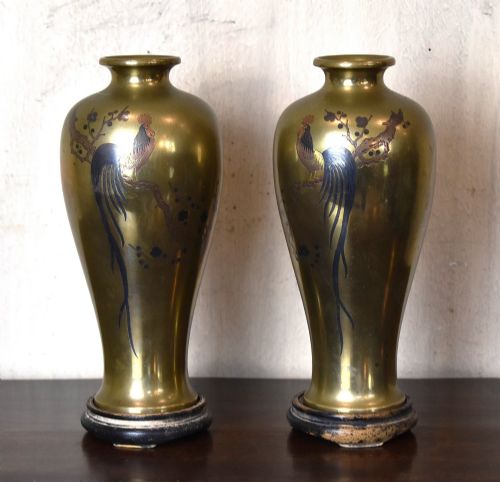
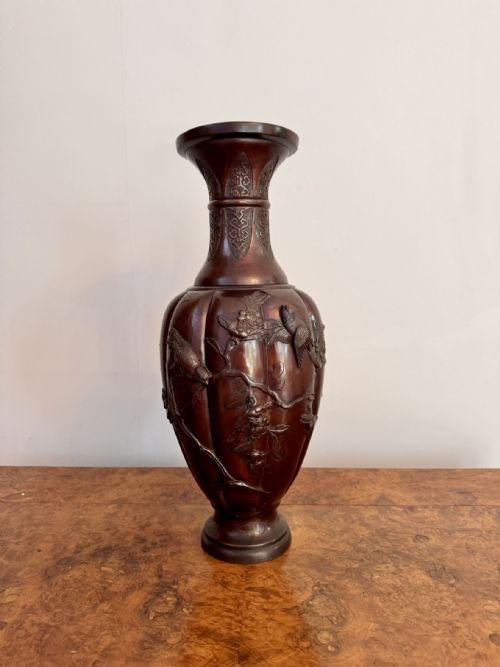
When you search for antique bronze baluster, you encounter vessels shaped with a distinctive profile featuring a swollen lower body tapering to a narrower neck. The selection includes Chinese and Japanese vases alongside English and European decorative examples.
The pieces on this page span the eighteenth, nineteenth and early twentieth centuries, reflecting diverse origins from Meiji period workshops to Victorian English settings. Vases, lamps and urns dominate the forms, often showing substantial weight and height.
Materials and construction methods
The objects combine cast bronze and copper alloy structures, occasionally accented with champleve enamel, cloisonne or gilt metal. Artisans utilised traditional casting techniques to achieve high-relief decorative details such as dragons, figures and natural motifs.
Many items incorporate mixed metals or contrasting surface finishes, while others show applied handles shaped as birds or beasts. The construction prioritises solidity, resulting in heavy, robust forms designed to endure.
Antique Bronze Baluster Retail Price Guide 2026
Typical asking prices for bronze baluster among the pieces listed under this phrase on Sellingantiques today, from the lower quarter to the upper quarter. They describe what is for sale here now, not the wider market.
Some bronze baluster vases arrive with heavy dragon handles and Daoist immortals, ensuring your mantelpiece comes equipped with mythological security.
Distinctions in craftsmanship and design
Quality reveals itself in the crispness of the casting and the depth of relief work, where finer examples display intricate detailing on figures and dragons. The precision of the surface finish and the integrity of any applied enamel or mixed metal elements separate standard production from superior output.
Proportion and balance define the better specimens, ensuring the characteristic baluster silhouette flows harmoniously from base to rim. Heavier weights and sophisticated patination further distinguish the more accomplished pieces in the range.
The Antique Bronze Baluster Glossary
- Baluster
- A architectural form characterised by a swollen lower portion tapering toward a narrow neck. This shape defines the silhouette of many traditional vases and urns.
- Champleve
- An enamelling technique where recessed areas are gouged into the metal surface and filled with vitreous enamel before firing. It creates vibrant patterns contrasting with the bronze body.
- Cloisonne
- A decorative method using thin metal wires soldered to the base to form compartments filled with enamel paste. The piece is then fired and polished smooth.
- Meiji Period
- A Japanese historical era spanning from eighteen sixty-eight to nineteen twelve, known for exceptional metalwork and decorative arts exported internationally.
- Patina
- The surface sheen and colour acquired by bronze through age and handling. A stable layer indicates historical depth without harmful corrosion.
Antique Bronze Baluster: Frequently Asked Questions
How do I care for bronze?
Bronze requires minimal maintenance, needing only occasional dusting with a soft, dry cloth to prevent dirt accumulation.
Avoid using harsh chemical polishes that can strip the historic patina and alter the original surface appearance.
Where were these pieces made?
The items originate from various regions including China, Japan and Europe during the eighteenth, nineteenth and early twentieth centuries.
Asian pieces often reflect Meiji period or Qing dynasty traditions, while European examples align with Victorian or Georgian styles.
Can these vases be used as lamps?
Several pieces in this category have been adapted over time to function as table lamps or wired for electrical lighting.
These conversions combine historic sculptural forms with modern domestic utility.