




Antique British Wristwatch
These antique british wristwatch examples span the nineteen-forties to the nineteen-sixties, offering mechanical timepieces with enduring character.
Antique British Wristwatch
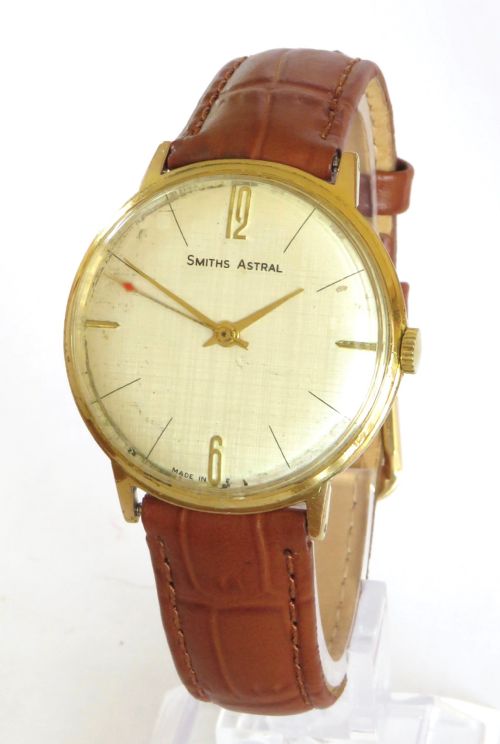
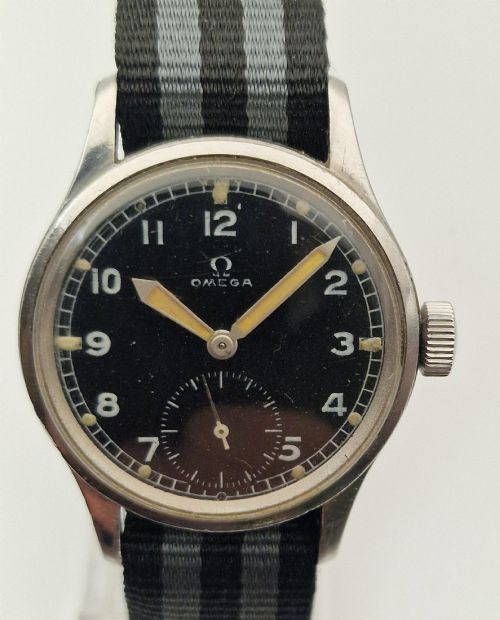
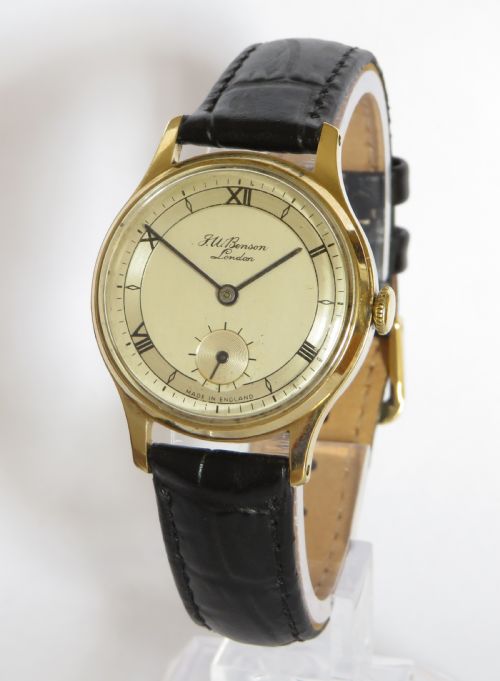
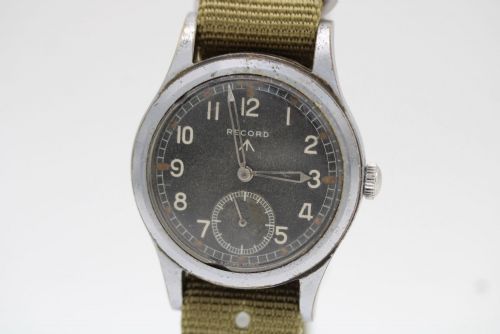
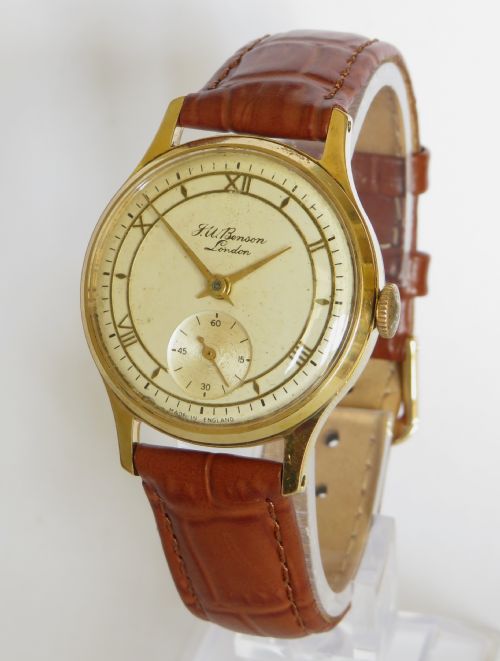
When searching for an antique british wristwatch, buyers encounter mechanical timepieces from the nineteen-forties, nineteen-fifties, and nineteen-sixties. The selections here include military issue pieces alongside civilian dress models.
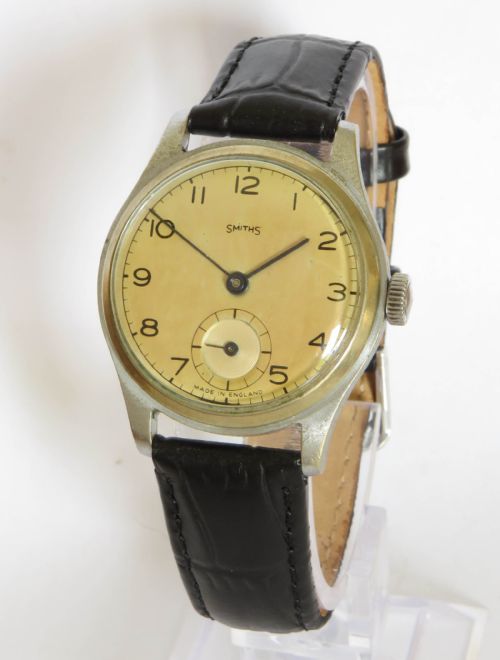
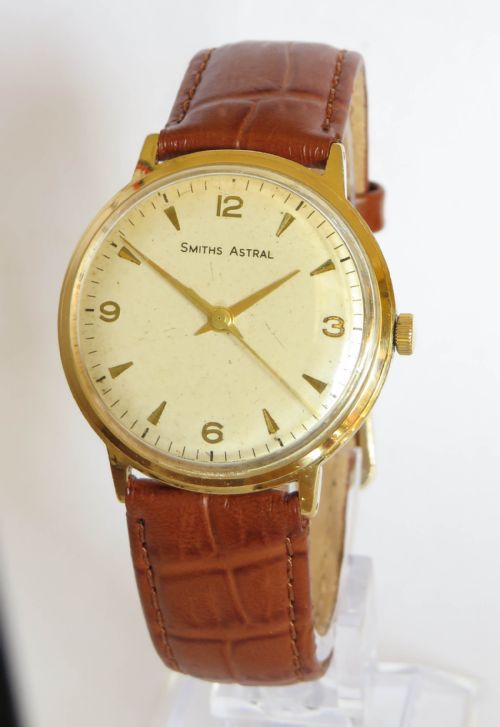
Smiths examples feature prominently, alongside military pieces from makers produced for service use. These wristwatches capture mid-century British horology across military and civilian forms.
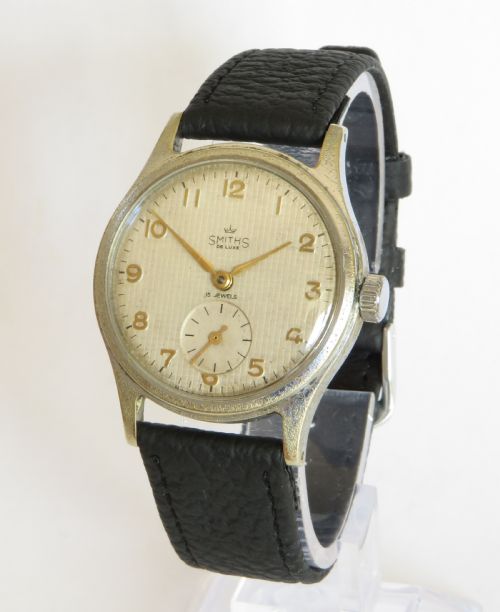
The most common versions met on this page are Smiths De Luxe models and military issue pieces from the nineteen-forties. These span standard steel cases as well as nine-carat gold iterations.
How they were made
Cases combine stainless steel, chrome, and nine-carat gold housing mechanical movements with fifteen to nineteen jewels. Dials feature Arabic numerals and two-tone finishes.
Dials sit beneath glass and acrylic crystals, attached to leather straps. Military pieces utilise specialised case backs and issue markings appropriate for service.
Antique British Wristwatch Retail Price Guide 2026
Typical asking prices for british wristwatch among the pieces listed under this phrase on Sellingantiques today, from the lower quarter to the upper quarter. They describe what is for sale here now, not the wider market.
Some of these watches survived the Second World War only to spend decades quietly ticking in a drawer.
What varies in quality
Distinction across these watches rests in the metal of the case and the grade of the movement. Nine-carat gold models and higher jewel counts mark out the refined end of the spectrum.
Military issue provenance and specialised dial configurations elevate certain pieces above standard civilian production. The presence of original branding and specific movement calibres determines the standing of each watch.
Smiths·Record·Ebel·Timor
The Antique British Wristwatch Glossary
- Jewels
- Synthetic rubies used as bearings within the movement to reduce friction. Higher jewel counts generally indicate a more finished mechanism.
- Calibre
- The specific internal design and size of a watch movement. Collectors use this to identify the exact mechanical lineage.
- Military Issue
- Pieces commissioned for armed forces service, identifiable by specific government markings on the case back. These served operational roles.
- Acrylic
- A lightweight transparent plastic material utilised for watch crystals prior to widespread sapphire adoption. It offers a characteristic warmth compared to glass.
Antique British Wristwatch: Frequently Asked Questions
Are these watches suitable for daily wear?
These mechanical pieces require careful handling and regular servicing to maintain accuracy. Modern water resistance is absent in these vintage designs.
Wearing them daily is possible with proper care, though many collectors reserve them for occasional rotation.
How do I identify a military issue watch?
Military pieces carry specific government broad arrow marks and service numbers engraved on the case back. Abbreviations like WWW or ATP denote specific military contracts.
These markings distinguish service timepieces from standard civilian shop purchases of the era.
What materials were used for the cases?
Cases appear in stainless steel, chrome, base metal, and nine-carat gold. Military specifications dictated durable steel for field use.
Gold versions were reserved for civilian dress models and presentation pieces.
What is a Smiths De Luxe?
The Smiths De Luxe represents a core civilian model line produced in England during the mid-century period. These movements incorporated jewelled lever escapements.
They stand as primary examples of domestic British watchmaking production.