


Antique British Silver Dining
Antique British silver dining pieces bring lasting elegance to the table, uniting practical craftsmanship with historic charm.
Antique British Silver Dining
When you search for antique british silver dining pieces, you encounter table accessories and tableware forged from sterling silver during various historical eras. The selection on this page ranges from the late nineteenth century through to the mid-twentieth century, capturing domestic dining traditions over several decades.
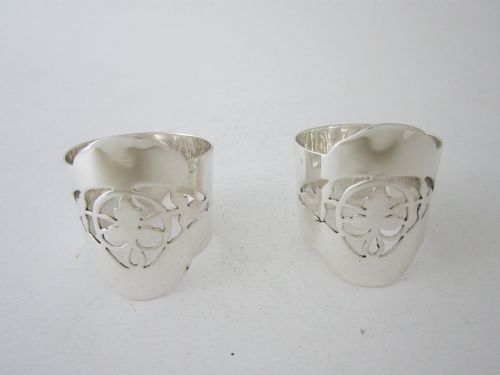
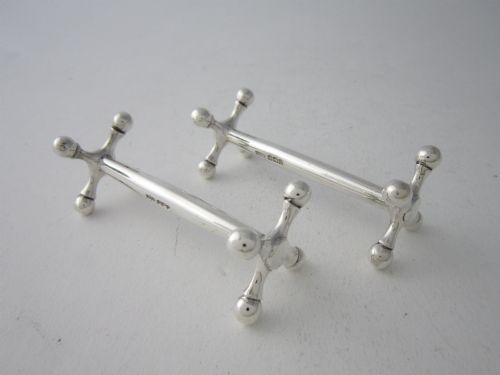
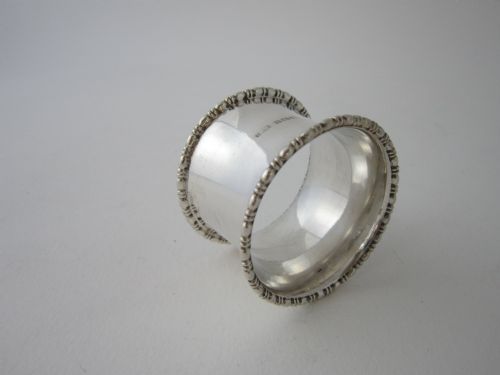
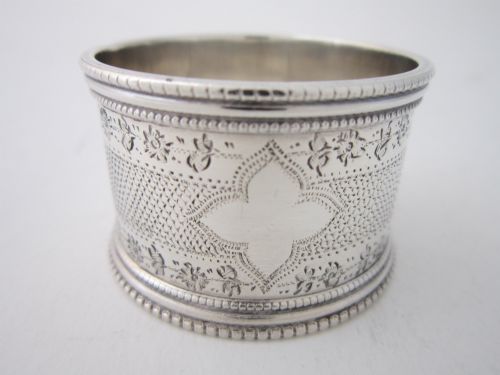
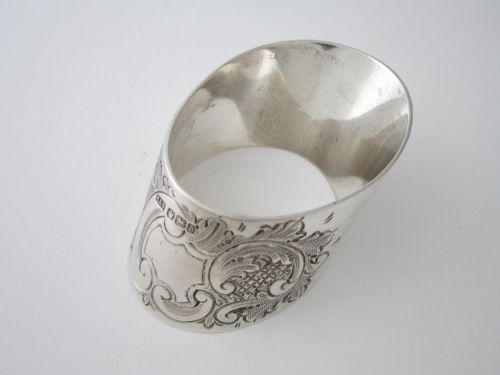
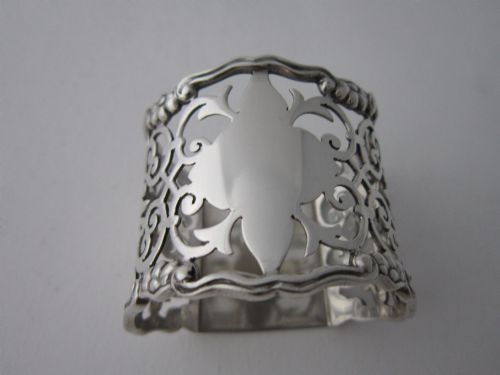
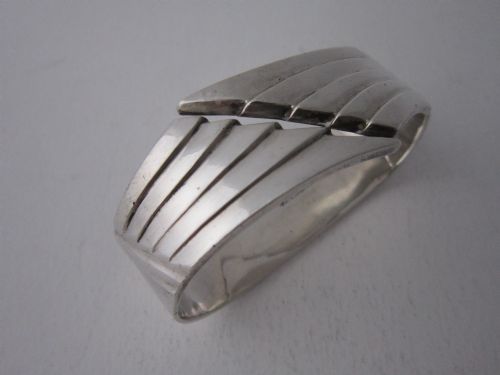
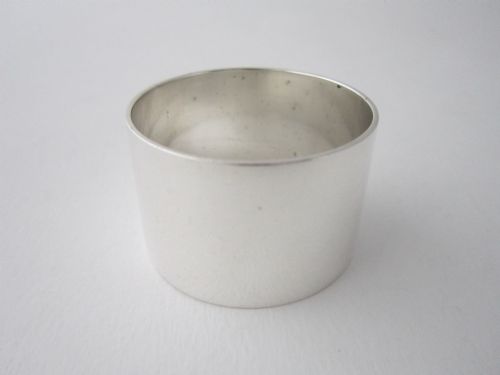
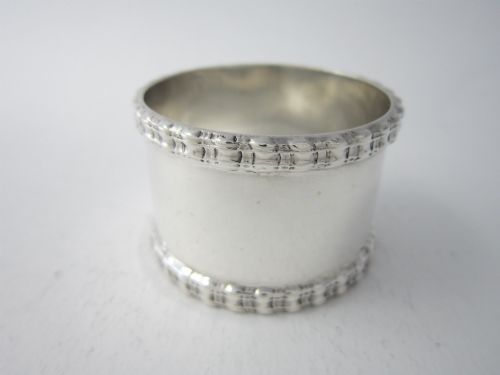
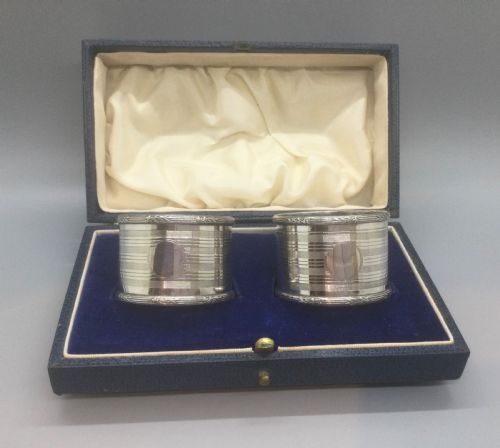
Napkin rings form the most common type on this page, alongside cutlery, knife rests, candlesticks, and marrow scoops. These items reflect the formal dining habits of Victorian, Edwardian, George V, and Art Deco households, showing how families equipped their dining rooms.
How they were made
Makers fashioned these dining pieces from sterling silver, shaping the metal through traditional silversmithing techniques such as casting, hammering, and engraving. Workshops utilised reliable alloys that met strict standard requirements to ensure durability during daily use at the dining table.
Details on napkin rings, cutlery, and candlesticks often received hand-finished decorative touches, including pierced patterns, beaded borders, or polished plain surfaces. These methods produced robust tableware designed to withstand decades of polishing and handling.
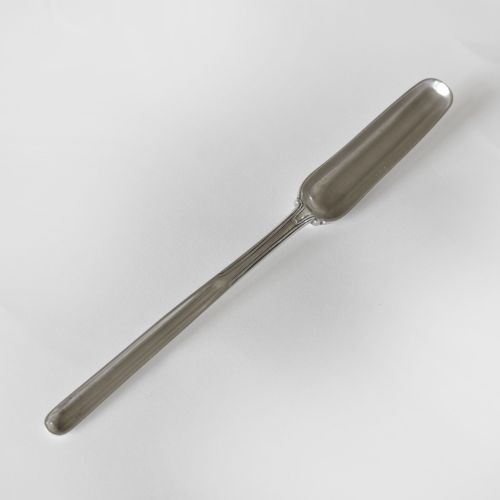
Silver marrow scoops remind us of a time when extracting bone marrow was the height of dining sophistication.
What varies in quality
The weight and gauge of the sterling silver dictate much of the quality, with heavier pieces offering a more substantial feel in the hand. Substantial metal thickness prevents bending and preserves crisp engraved details through years of service.
The clarity of hallmarks and the precision of the maker's mark also separate standard items from superior examples. Well-struck assay office marks confirm the purity and origin, adding historical integrity to the object.
R. E. Stone·Walter & John Barnard
The Antique British Silver Dining Glossary
- Sterling silver
- An alloy comprising ninety-two point five percent silver and seven point five percent other metals, usually copper. This standard ensures the metal is durable enough for cutlery and tableware while maintaining a bright lustre.
- Hallmark
- A series of official marks stamped on precious metals to guarantee their purity and origin. These stamps typically include the maker's mark, the standard mark, the assay office town, and a date letter.
- Assay office
- An official organisation responsible for testing the purity of precious metal items and stamping them with hallmarks. Prominent British offices include London, Birmingham, and Sheffield.
- Marrow scoop
- A long, narrow spoon designed to extract marrow from bones during formal dining. These items date back to earlier centuries and remain prized by collectors for their specialised function.
Antique British Silver Dining: Frequently Asked Questions
What are antique silver knife rests?
Knife rests are small supports placed on the dining table to keep the blades of used knives elevated above the tablecloth between courses. They protect fine linens from food residue and grease during formal meals.
Most examples consist of shaped metal bars or decorative ends joined by a central crossbar. They became particularly popular during the Victorian and Edwardian periods as dining etiquette grew increasingly elaborate.
How do I clean antique silver?
Cleaning antique silver requires gentle handling using a soft cloth and a specialised silver polish formulated to remove tarnish without scratching the metal. Avoid harsh abrasive cleaners that can wear away engraved details and hallmarks over time.
Regular, careful wiping preserves the natural patina while maintaining a bright shine. Store items in a dry environment to slow the tarnishing process between uses.
Are these silver items safe for dining?
Sterling silver items intended for dining, such as cutlery and napkin rings, remain fully functional for modern use. Silver possesses natural antibacterial properties that made it historically favoured for tableware.
Wash them by hand in warm soapy water rather than placing them in a dishwasher, which can damage vintage finishes. Dry them promptly with a soft towel to prevent water spots.
How do I date antique silver?
Dating antique British silver relies primarily on the stamped hallmarks, particularly the date letter assigned by the specific assay office. Each year corresponded to a distinct letter style and shield shape.
Stylistic cues such as Art Deco geometric lines or Victorian floral engraving also provide clues to the decade of manufacture. Comparing these design elements with official assay records secures an accurate timeline.