




George V Napkin Ring
A george v napkin ring brings tactile silver weight and period craftsmanship directly to the dining table.
George V Napkin Ring
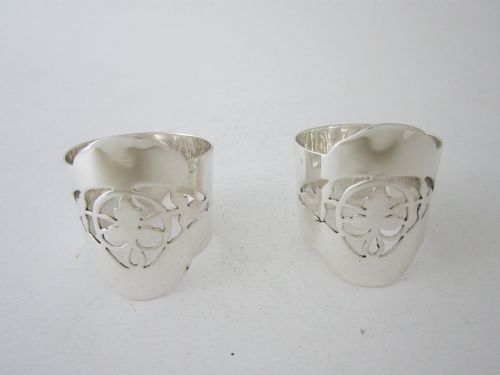
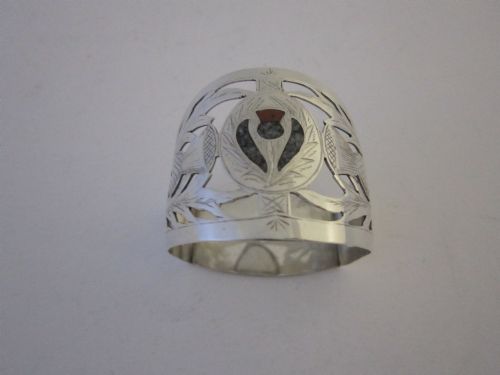
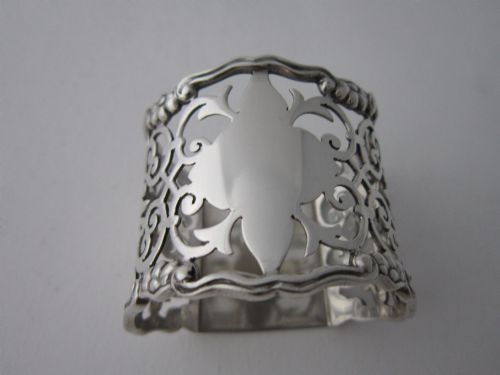
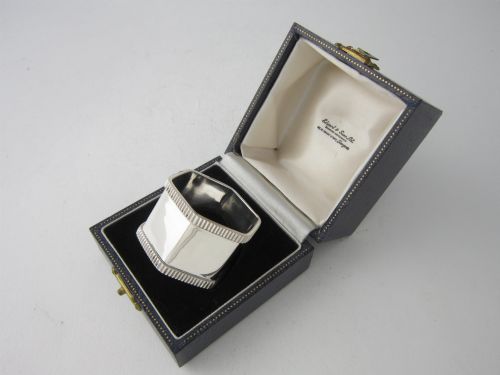
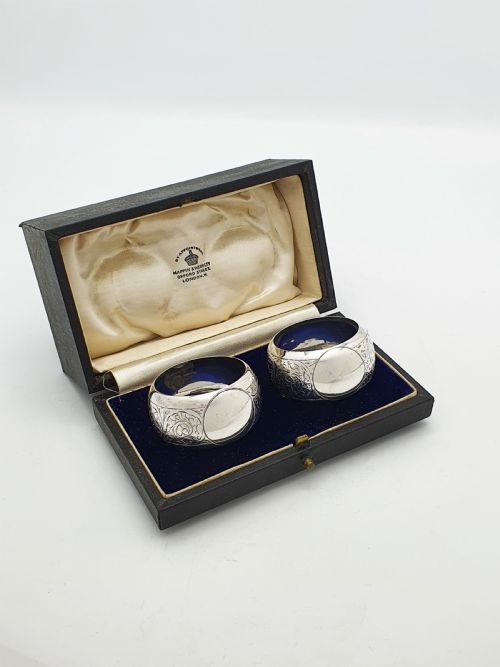
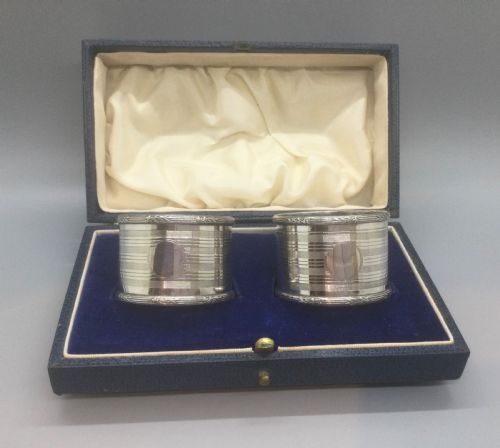
A george v napkin ring is a solid silver table accessory produced during the reign of King George V, spanning from the early twentieth century through to the mid-nineteen thirties. These pieces appear as single items, matched pairs, or larger sets, frequently preserved inside fitted presentation cases lined with materials such as silk, velvet, or leatherette.
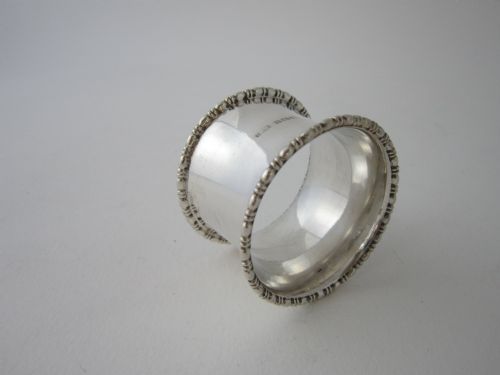
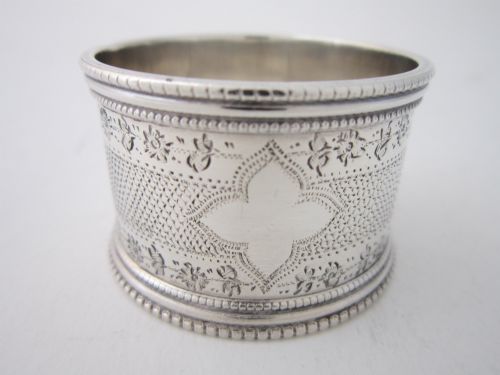
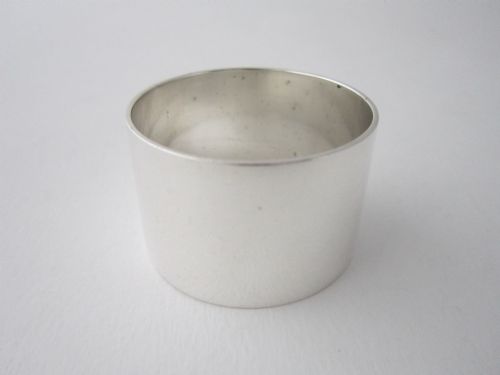
The forms span plain heavy cylinders, geometric shapes, and decorated edges, alongside novelty designs modelled as animals or wishbones. Pieces reflecting Arts and Crafts or Art Deco styles occur frequently alongside traditional hallmarked forms.
Materials and Construction
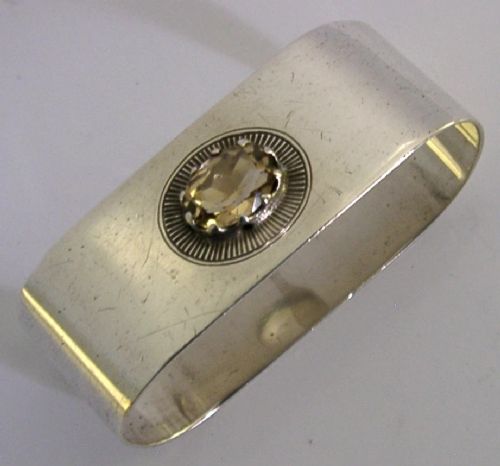
Silversmiths constructed these napkin rings primarily from sterling silver, shaping the metal through hammering, piercing, or casting to achieve substantial weight. Selected examples incorporate gemstones including agate and citrine set directly into the silver framework.
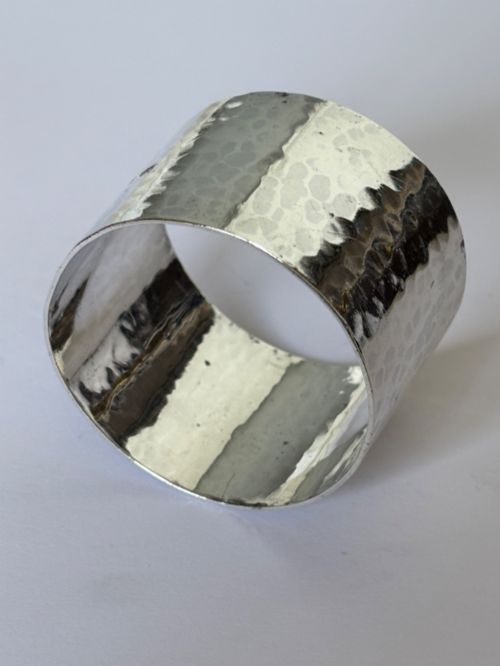
Makers utilised traditional techniques such as ribbon and reed motifs, hand-hammered texturing, and detailed novelty modelling. Presentation boxes accompanying the sets combine structural wood or card covered in leatherette with interior linings of silk and velvet.
Listings demonstrate production dates spanning from 1910 through to 1937, executed primarily in sterling silver.
Quality and Distinction
Quality rests upon the gauge of the silver and the presence of substantial weight rather than thin metal construction. Heavier items maintain their structural integrity and crispness of form over decades of handling.
Design complexity separates standard examples from exceptional pieces. Cast novelty figures, hand-hammered surfaces by named guilds, and integrated gemstones such as citrine or agate elevate individual napkin rings above plain utilitarian cylinders.
ALBERT EDWARD JONES·Guild of Handicraft·HENRY GRIFFITHS & SONS·AH BULLOCK
The George V Napkin Ring Glossary
- Sterling silver
- A standard alloy consisting of ninety-two point five percent silver by mass, providing the durable material for these napkin rings.
- Hallmark
- An official stamp impressed onto the silver indicating the assay office, standard of purity, and year of manufacture.
- Novelty napkin ring
- A decorative table piece shaped into recognisable forms such as animals, birds, or wishbones rather than a standard geometric band.
- Leatherette
- A simulated leather material utilised on the exterior of fitted presentation cases housing sets of rings.
George V Napkin Ring: Frequently Asked Questions
How were napkin rings used?
These silver bands designated individual seating arrangements at formal dining tables, keeping household napkins organised between meals.
They often formed part of matched dining services or presentation sets gifted for weddings and christenings.
Are these napkin rings solid silver?
The pieces recorded here consist of sterling silver, confirmed by official hallmarks stamped into the metal.
Makers avoided plated base metals in favour of solid silver construction to ensure lasting durability.
Why do some rings come in cases?
Fitted presentation boxes protected sets of multiple napkin rings during storage and transport. The interior surfaces of silk and velvet cushioned the silver against surface scratches.
How do I identify the date?
Assay office marks and date letters stamped directly onto the silver reveal the exact year of production. Additional style indicators like Art Deco geometry or Arts and Crafts hammering point toward specific decades.