

Antique British Portraiture
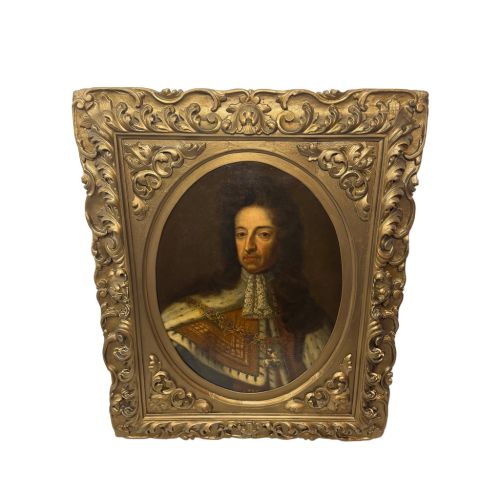
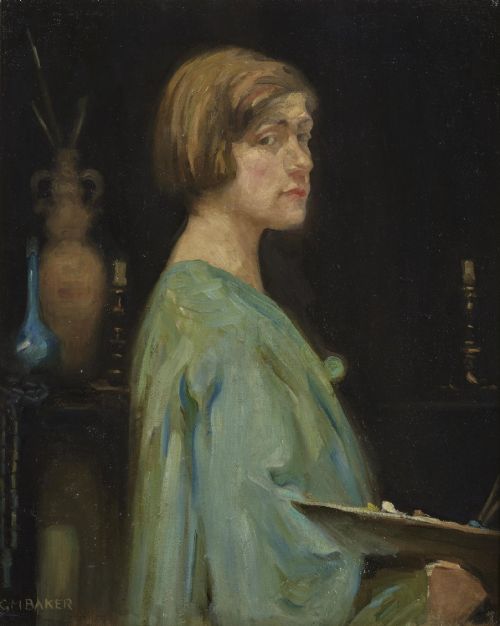
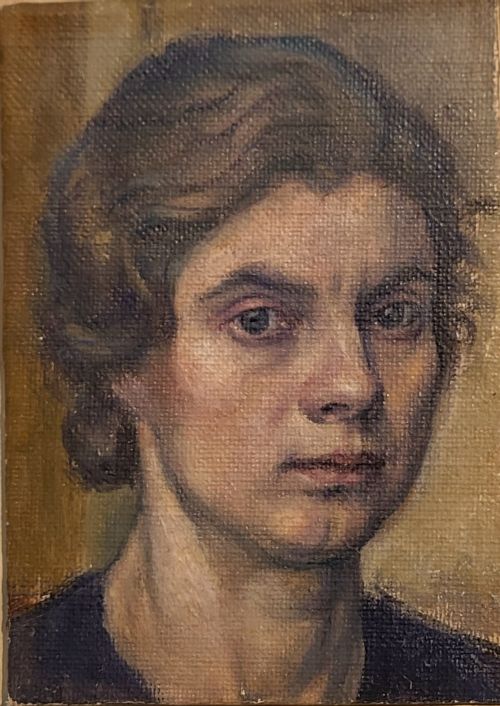
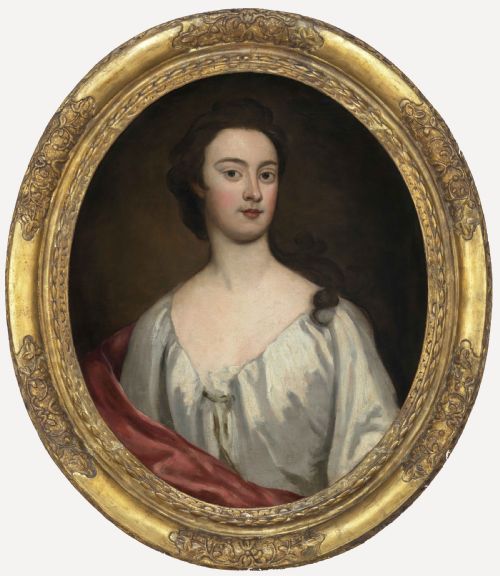
Antique british portraiture brings centuries of character into a room through oil on canvas paintings set within gilt wood frames.
What antique british portraiture includes
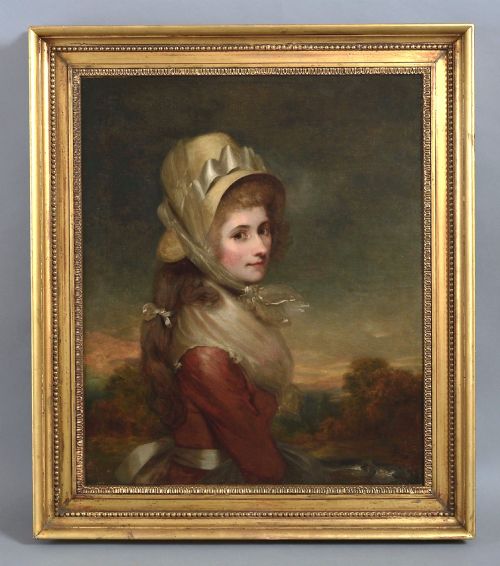
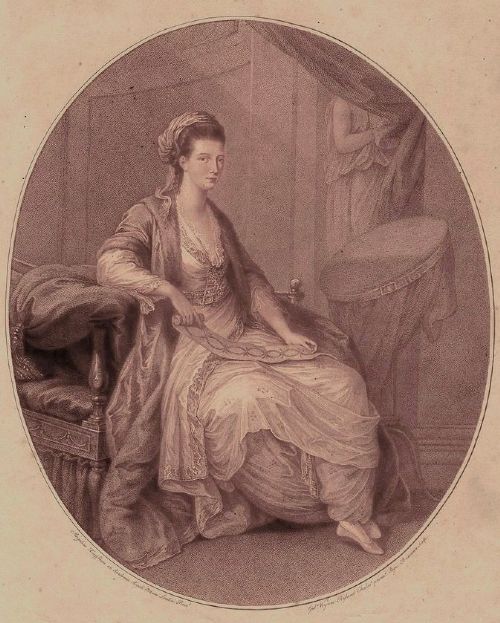
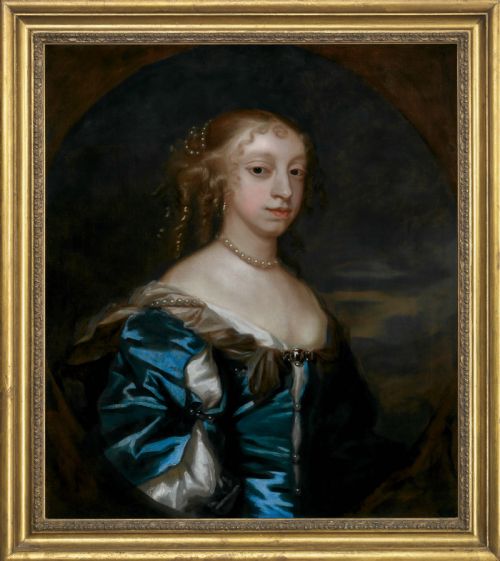
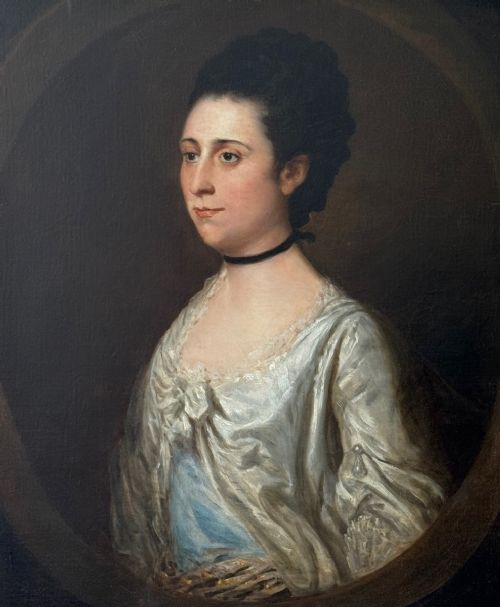
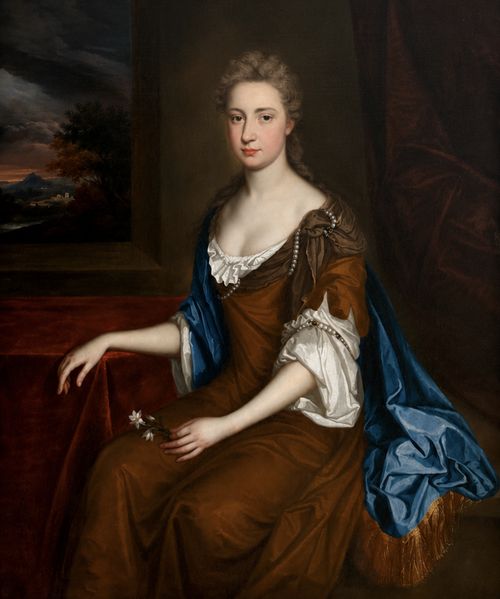
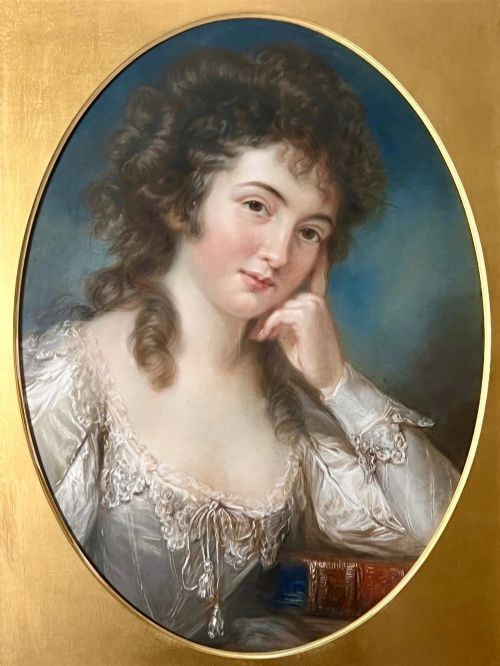
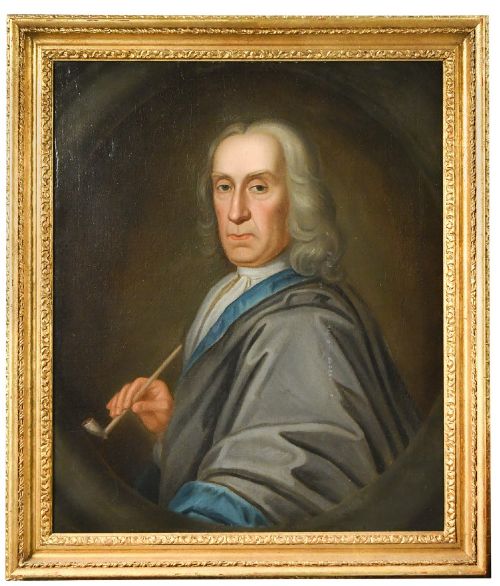
When you search for antique british portraiture, you find oil paintings spanning the seventeenth century through to the twentieth century. These works depict notable individuals, ladies, and gentlemen from distinct historical periods.
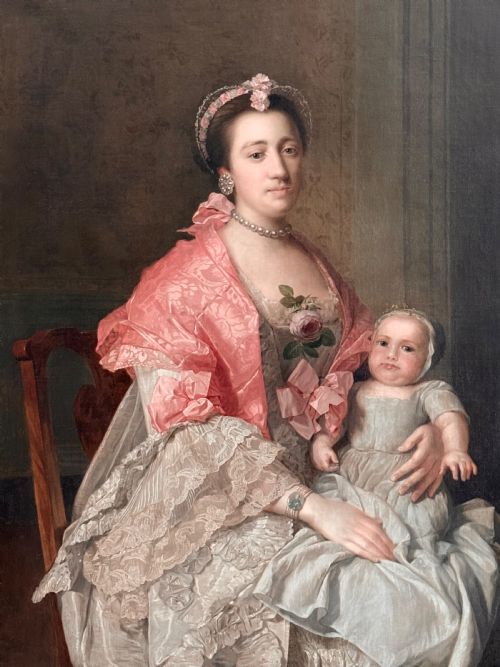
You are most likely to meet Georgian and Regency era canvases alongside earlier Baroque examples and later twentieth century realist pieces. Each painting records the likeness of a subject using traditional media preserved in period frames.
How they were made
These portraits utilise oil on canvas techniques applied by hand, capturing fine details of costume and expression. Pigments are layered to create depth in clothing, skin tones, and background shadows.
Retail Price Guide 2026
Typical UK retail prices for british portraiture, calculated from the Sellingantiques database of over a million retail prices indexed since 2003. This retail price guide relies exclusively on Sellingantiques data; no external sources or auction records are used, so the figures do not describe the wider market.
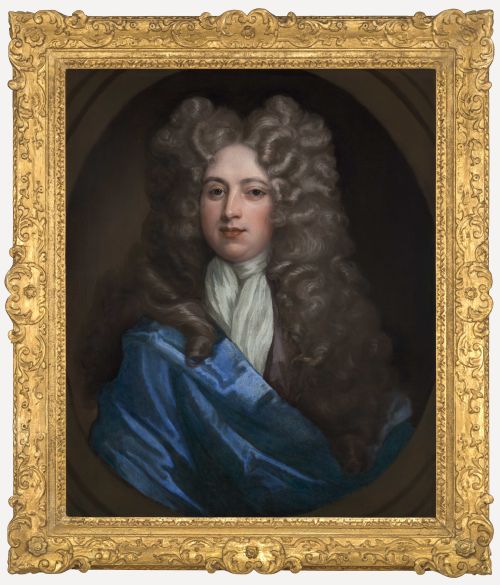
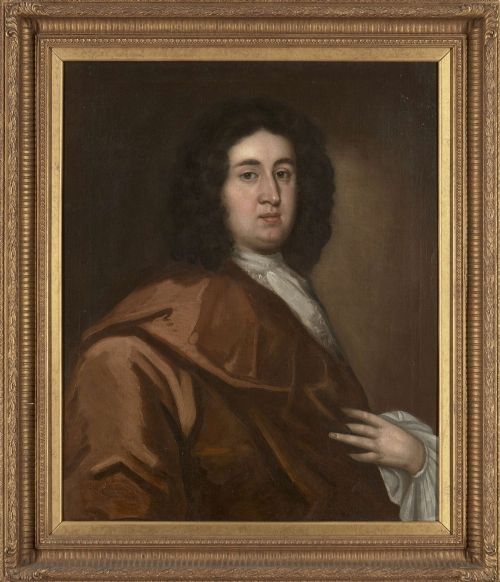
Several gentlemen in the collection refuse to remove their elaborate periwigs, maintaining strict seventeenth century courtroom decorum.
What varies in quality
The construction and original gilding of the wooden frames also separate standard examples from superior pieces. Intricate carving and well-preserved leaf finishes elevate the complete artwork.
Sir Martin Archer Shee·Thomas Murray·Sir Oswald Hornby Joseph Birley·Samuel Drummond
The Antique British Portraiture Glossary
- Oil on canvas
- A painting medium where pigments are suspended in drying oils and applied to a stretched fabric support. This method allows for rich blending and longevity.
- Giltwood
- Wood that has been prepared and coated with a thin layer of gold leaf. This finish creates a bright, reflective surface characteristic of formal picture frames.
- Baroque
- An artistic style spanning the seventeenth and early eighteenth centuries known for drama, rich colour, and deep contrast. Portraits from this period often feature elaborate costume elements like periwigs.
- Georgian
- A design period covering the eighteenth and early nineteenth centuries. Paintings from this era reflect the fashion and artistic conventions of the Hanoverian monarchs.
Frequently Asked Questions
What periods do these portraits cover?
The available selection spans from the late seventeenth century through the eighteenth and nineteenth centuries up to the nineteen thirties. Each era brings distinct clothing styles and painting techniques.
You encounter seventeenth century Baroque works, Georgian pieces, and later twentieth century realist interpretations within the collection.
What materials make up these artworks?
The primary medium is oil paint applied to woven canvas supports. These are housed in structural wooden frames finished with gold leaf or giltwood.
The combination of organic canvas, traditional oil pigments, and gilded wood defines the physical makeup of these historical pieces.
How should I display a portrait?
Hang the painting on an interior wall away from direct sunlight and excessive moisture fluctuations. Ensure the wall structure can support the combined weight of the canvas and its heavy wooden frame.
Positioning the artwork at eye level allows you to appreciate the detail in the sitter's expression and costume.
How do I identify different painting styles?
Examine the costume, wig style, and rendering of light to determine the era. Seventeenth century works often feature dramatic clothing and periwigs, while later pieces show shifts in portraiture conventions.
Comparing the brushwork and framing details helps place the painting within its specific historical context.