



Antique British Jewellery
Antique British jewellery covers everything from Victorian gold gate link bracelets to Edwardian enamel boxes, offering centuries of craftsmanship and personal adornment.
Antique British Jewellery
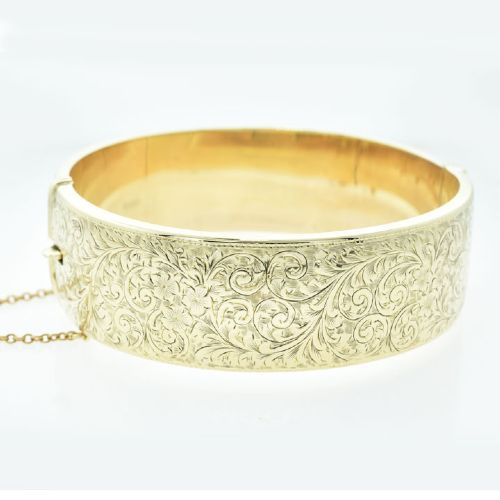
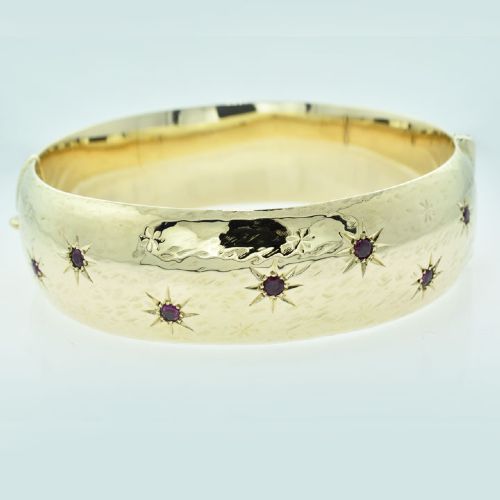
When you search for antique British jewellery, you are looking at a diverse range of personal adornments and decorative pieces originating from Britain across the nineteenth and twentieth centuries. The selection spans rings, bracelets, pendants, brooches, and earrings created during periods such as the Victorian, Edwardian, and Mid-Century eras.
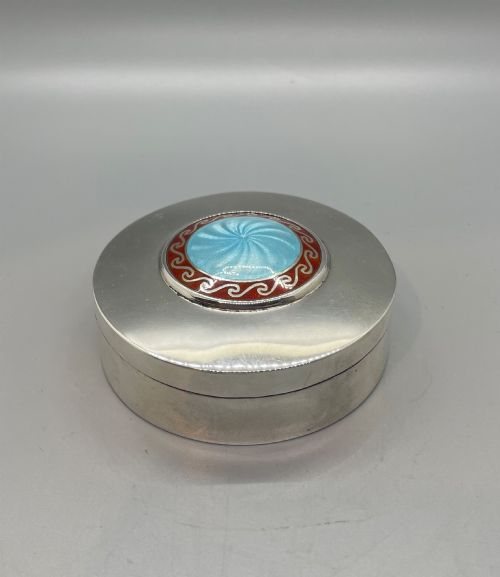
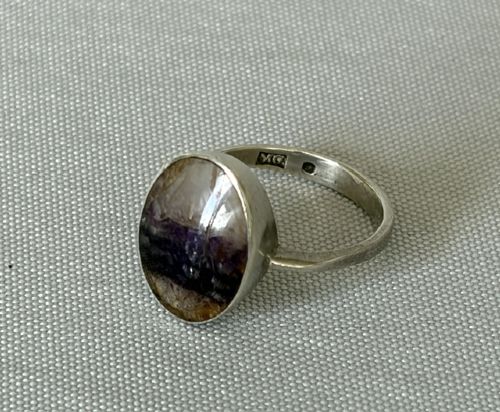
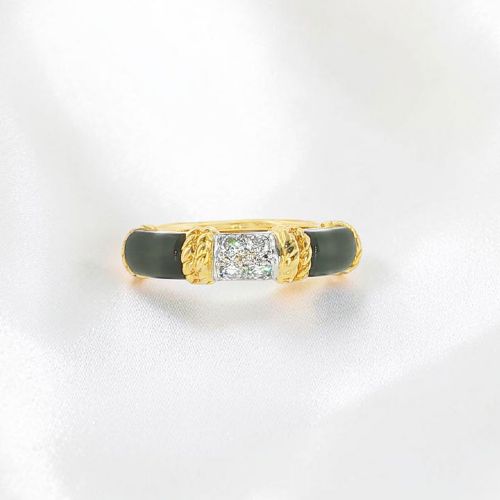
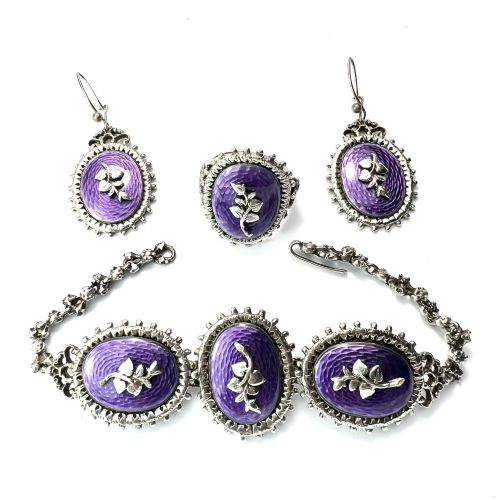
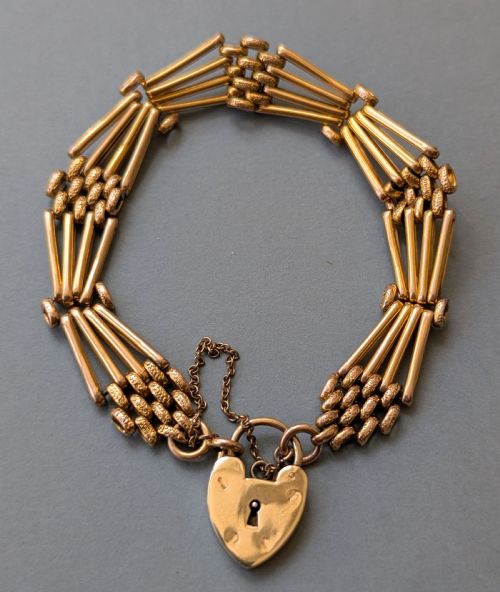
The pieces you are most likely to encounter on this page include solid gold gate link bracelets, gemstone rings set with diamonds, opals, and sapphires, alongside intricate silver and guilloche enamel items. These objects reflect both domestic fashion and historical utility through various stylistic transitions.
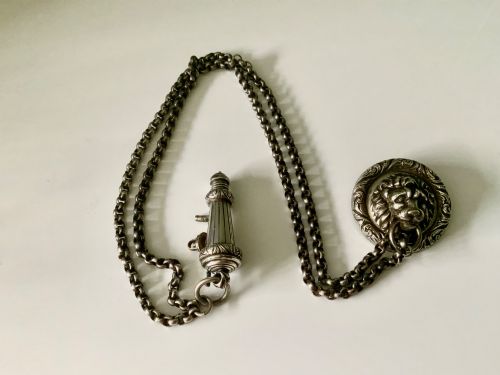
Makers and workshops represented in the listings contribute to the rich variety of British decorative heritage, ranging from detailed military insignia to delicate floral brooches. Each item carries specific hallmarks and characteristics tied to its manufacturing period and regional assay office.
How they were made
Items in this collection are shaped from precious metals including 9ct gold, 18ct gold, yellow gold, rose gold, and sterling silver. Goldsmiths and silversmiths utilised traditional casting, engraving, and linking techniques to construct durable wearable items and decorative containers.
Vitreous enamel and guilloche techniques provide vibrant colour and geometric patterning, particularly on Edwardian and mid-century silver boxes, brooches, and earrings. Gemstones such as diamonds, opals, sapphires, and Blue John are securely flush-set or prong-set into the metal mounts.
What varies in quality
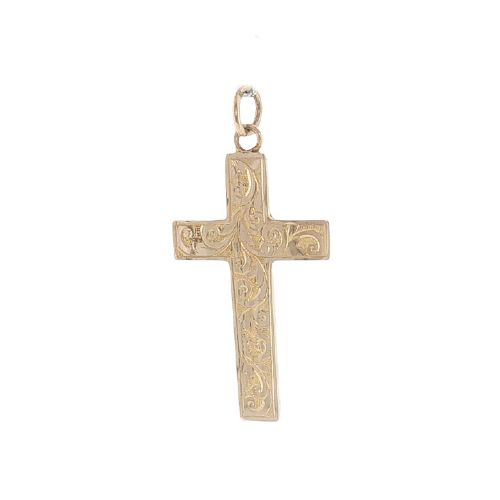
The refinement of hand-engraving and the clarity of hallmarks heavily influence the distinction between standard production and superior craftsmanship. Crisp chased motifs and legible stamps from official assay offices indicate careful manufacture.
The selection and setting of gemstones, alongside the preservation of delicate enamel work, determine the overall integrity of a piece. Well-preserved surface finishes and robust structural links separate everyday items from exceptional survivals.
A H Darby & Son·Harold Arthur Lazarus·Smiths Sectric
The Antique British Jewellery Glossary
- Hallmark
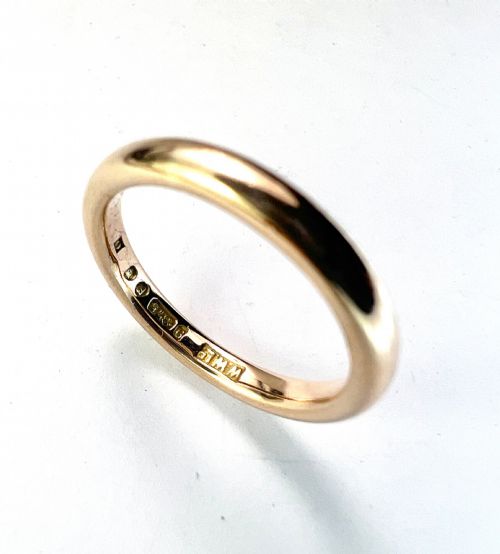
- Official stamp pressed into precious metals indicating purity, origin, and assay office. These marks allow collectors to date items accurately.
- Guilloche
- Decorative technique where a precise pattern is mechanically engraved into metal beneath a translucent layer of enamel. This method creates a shimmering background effect.
- Gate Link
- Bracelet style constructed from multiple parallel rows of linked metal bars resembling a small gate. This design was particularly popular during the Victorian and vintage periods.
- Assay Office
- Official body responsible for testing the purity of precious metal items and stamping them with statutory hallmarks. British offices include London, Birmingham, and others.
Antique British Jewellery: Frequently Asked Questions
How do I date antique British jewellery?
Dating relies primarily on official hallmarks stamped into the precious metal, which denote the assay office, metal purity, and year letter. Stylistic elements such as Edwardian guilloche enamel or Victorian gate link construction also point to specific eras.
Comparing the specific maker's mark against historical registry records provides further precision, helping to narrow down the decade of manufacture.
Are these items suitable for daily wear?
Many solid gold and silver pieces, such as rings and sturdy link bracelets, are durable enough for regular daily use provided they receive proper care. Vitreous enamel and softer stones require more caution to prevent scratching or impact damage. Nooks in intricate engravings and hollow forms benefit from gentle cleaning methods to maintain their appearance over time.
How should I clean antique silver and gold jewellery?
Gentle washing with warm water and a mild detergent using a soft brush removes everyday oils without harming the metal. Avoid harsh chemical dips, particularly on items with enamel or softer organic gemstones.
Careful drying with a microfiber cloth preserves the original polish and highlights fine engraved details.