




Antique British Artwork
Antique british artwork brings together Victorian landscapes and river scenes on canvas and paper, prized for their traditional British subjects and period craftsmanship.
What antique british artwork includes
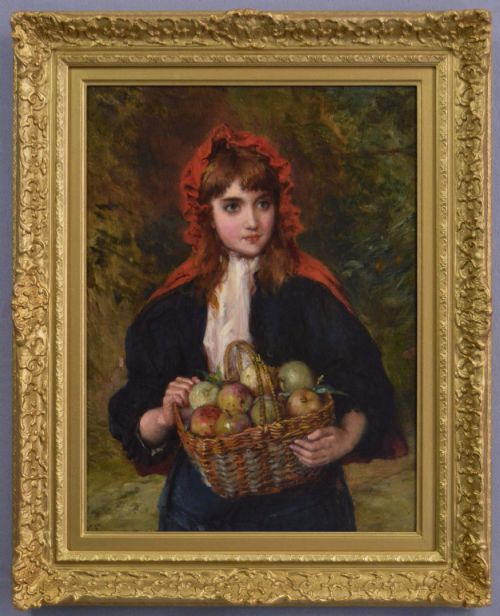
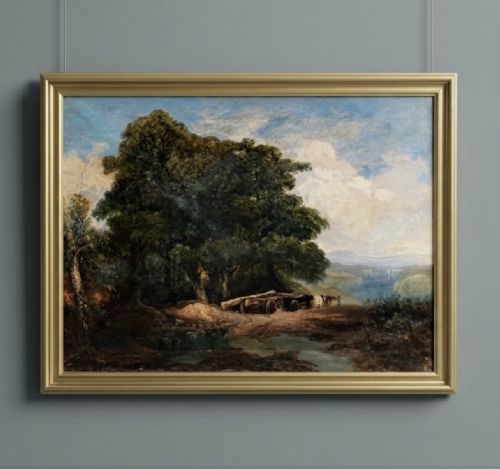
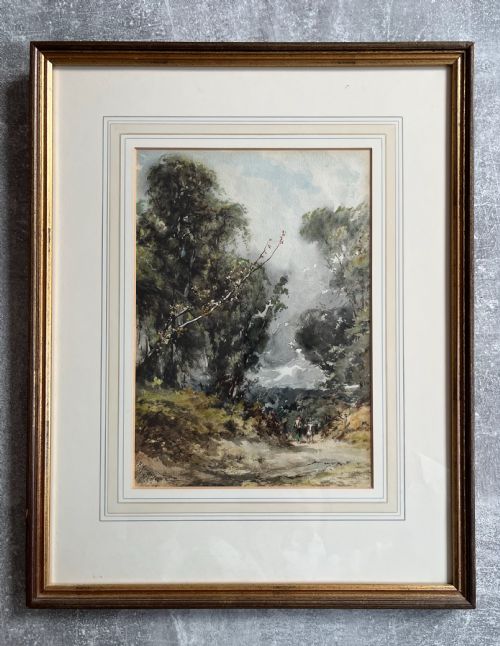
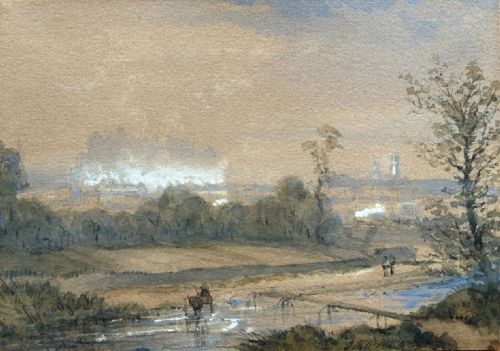
Antique british artwork comprises oil paintings and watercolour paintings from the Victorian and Edwardian periods. These pieces typically capture traditional scenes such as wooded paths, figures with a donkey and cart, and children boating on the river.
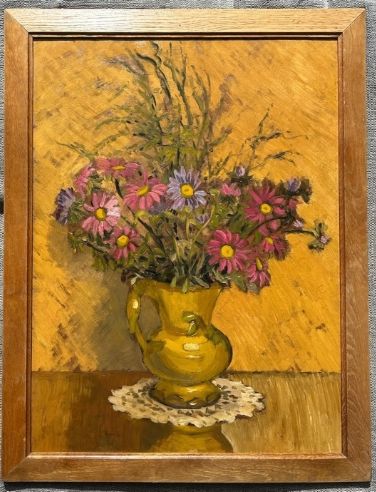
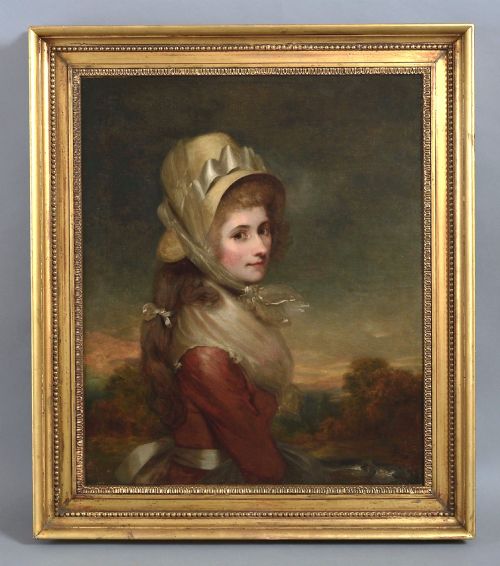
The selections on this page centre on nineteenth-century landscape realism and twentieth-century impressionism. Buyers encounter works rendered in oil on canvas and watercolour paint on paper, often housed in giltwood frames.
Originating from British artists and painters working across the nineteenth century and into the Edwardian era, these works offer a tangible link to historical countryside and river views.
Materials and methods
Makers utilised oil paint on canvas and watercolour paint on paper to create these depictions. Canvases provide a stable textured surface for layered oil pigments, while paper supports delicate washes of watercolour.
Many works incorporate giltwood frames that complement the painted surface. These decorative surrounds use carved or moulded wood finished with a metallic gold leaf layer.
Retail Price Guide 2026
Typical UK retail prices for british artwork, calculated from the Sellingantiques database of over a million retail prices indexed since 2003. This retail price guide relies exclusively on Sellingantiques data; no external sources or auction records are used, so the figures do not describe the wider market.
A humble donkey and cart trundles through nineteenth-century fields, immortalised in oil paint by Arthur Walker Redgate.
Distinctions in quality
Quality varies according to the handling of light and detail across the composition, separating standard decorative examples from accomplished pieces by named artists. The articulation of natural elements like foliage, water, and figures demonstrates the technical skill of the painter.
The preservation of the original medium, whether oil paint on canvas or watercolour on paper, influences the visual impact of the piece. Additionally, the craftsmanship and condition of accompanying giltwood frames contribute to the overall integrity of the artwork.
Abraham Hulk Jnr·Roland Batchelor·William Stephen Coleman·Arthur Walker Redgate
The Antique British Artwork Glossary
- Oil painting
- A work created using pigments bound with a medium of drying oil, typically applied to canvas. This technique allows for rich colour depth and blended brushwork.
- Watercolour painting
- A picture executed with water-soluble pigments on paper. The medium relies on transparent washes that let the white of the paper reflect back through the colour.
- Giltwood
- Wood that has been coated with gold leaf or gold paint for decorative effect. It frequently appears on period picture frames.
- Landscape realism
- An artistic approach dedicated to depicting natural scenery with a high degree of fidelity to observed detail. This style dominates many nineteenth-century British works.
Frequently Asked Questions
What periods do these paintings cover?
The works span the Victorian and Edwardian eras, encompassing nineteenth-century production and stretching up to nineteen ninety.
This timeframe captures shifts in British artistic style from nineteenth-century realism into twentieth-century impressionism.
What mediums are used in these works?
Artists employed oil paint on canvas and watercolour paint on paper.
These materials define the physical nature of the pieces, supported by giltwood framing.
How do I display oil on canvas?
Oil paintings on canvas require stable indoor environments away from direct sunlight and excessive moisture.
Housing them in their original or period-appropriate giltwood frames helps maintain their structural context.
What subjects appear in these scenes?
Common subjects include wooded paths, river activities with children boating, and rural vistas featuring figures with a donkey and cart.
These traditional British motifs reflect nineteenth-century landscape traditions.