
Antique Breakfront Server
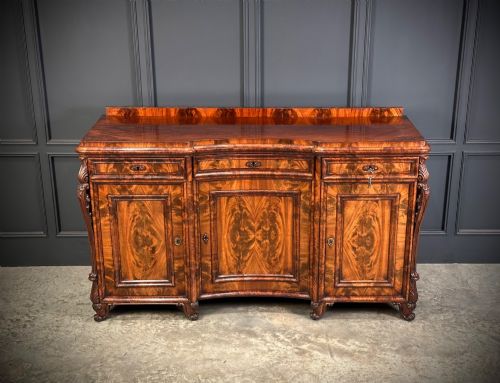
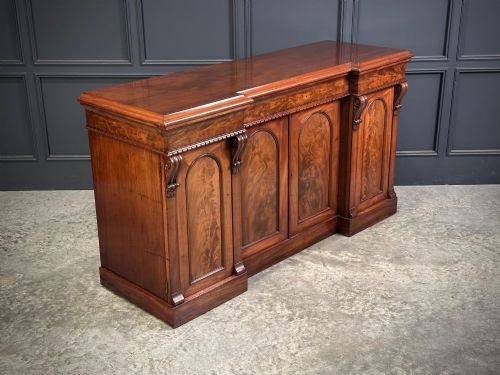
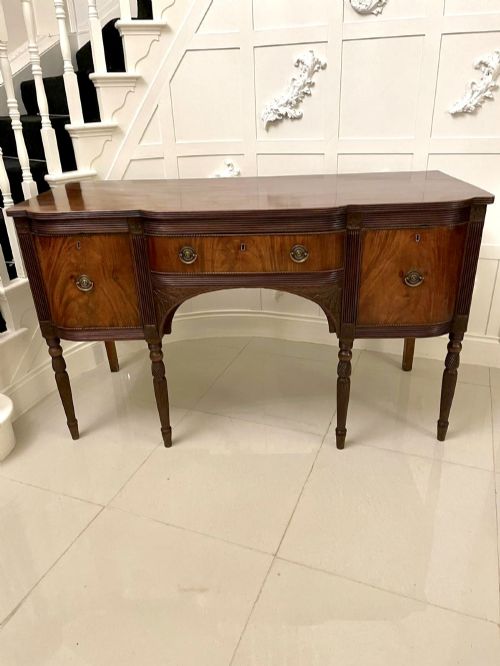
An antique breakfront server provides commanding dining room presence, offering substantial storage with a characteristic stepped-forward central section.
Antique Breakfront Server
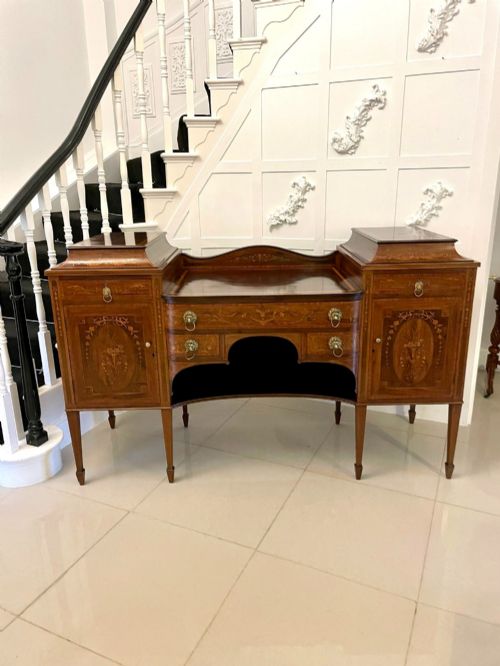
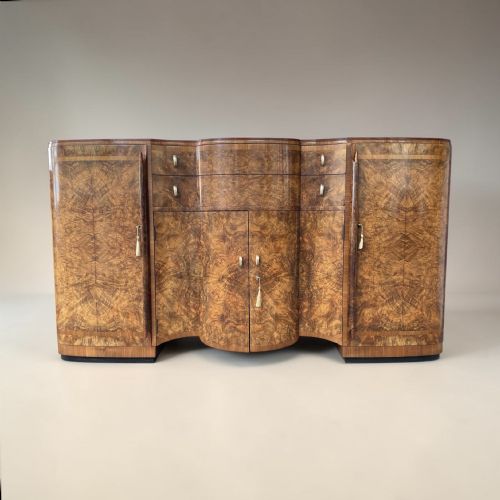
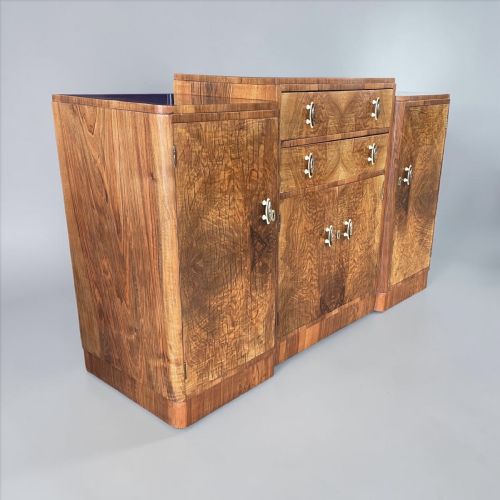
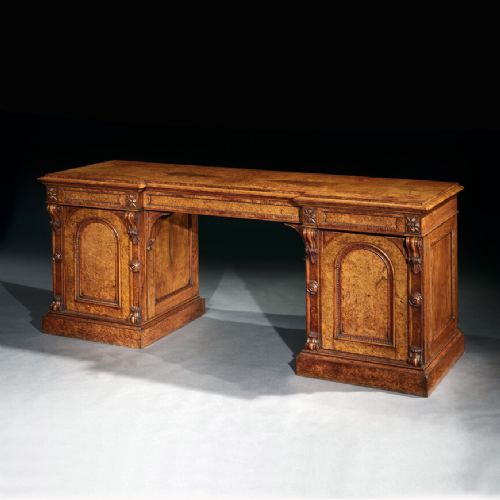
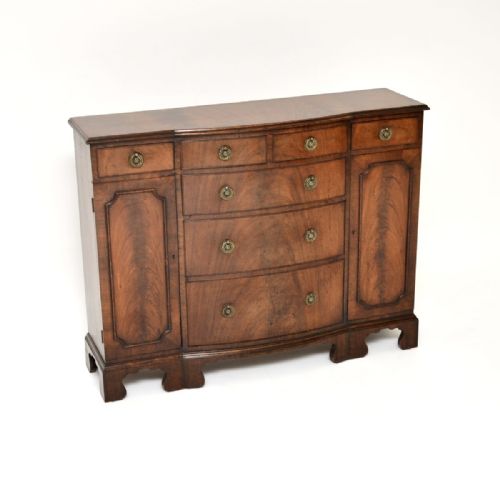
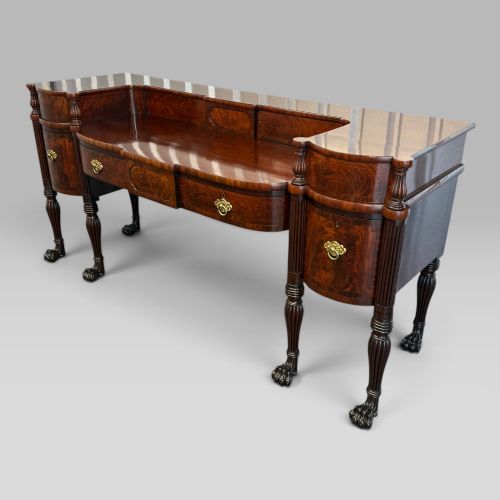
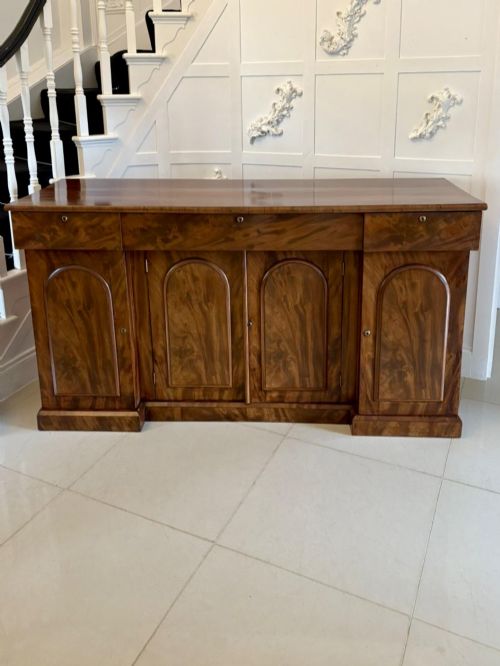
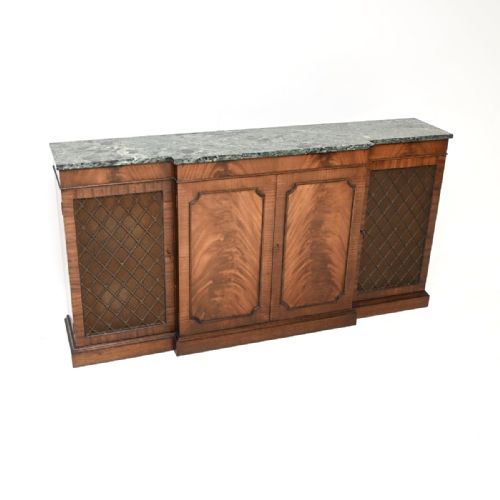
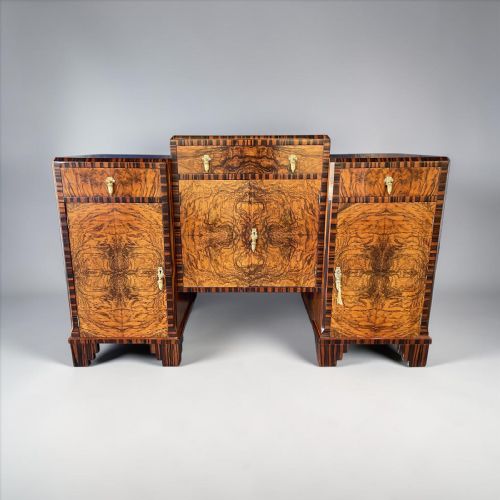
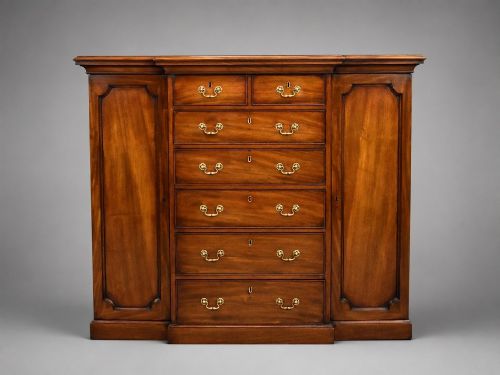
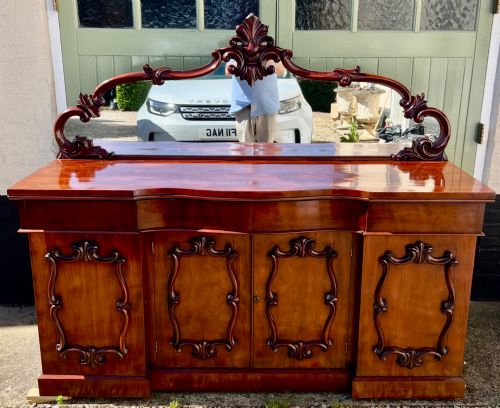
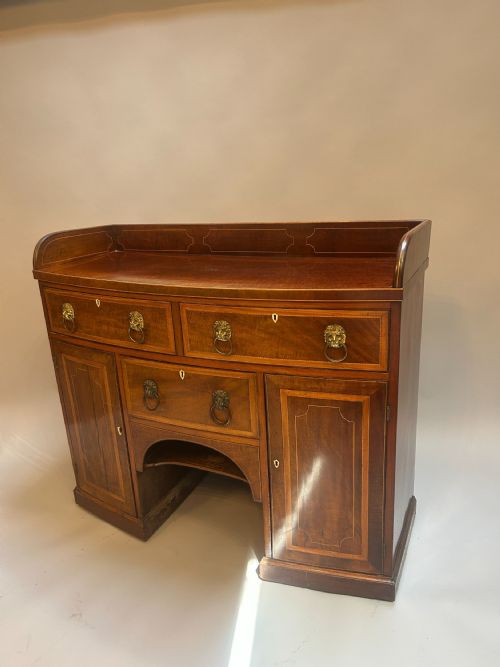
When you search for an antique breakfront server, you encounter large formal dining room storage furniture designed with a central section projecting forward from the flanking cabinets. The pieces on this page span the Georgian, Regency, Victorian, Edwardian and Art Deco eras, constructed primarily as sideboards, credenzas and chiffoniers. These items served historically to display silver and serve food during large meals in grand dining rooms.
The most common examples you meet here are mahogany pieces from the nineteenth century, featuring figured veneers and multiple doors. You will also discover earlier eighteenth-century George III pieces alongside later Edwardian revivals and streamlined Art Deco interpretations. Regional variations include walnut, oak, satinwood and padauk constructions alongside traditional mahogany.
Formats range from multi-door pedestals to console tables and dresser bases, with specific examples incorporating marble tops, brass inlays, grill fronts and mirror backs. The distinctive breakfront outline creates architectural depth in a room while providing deep interior capacity for tableware and linens.
How they were made
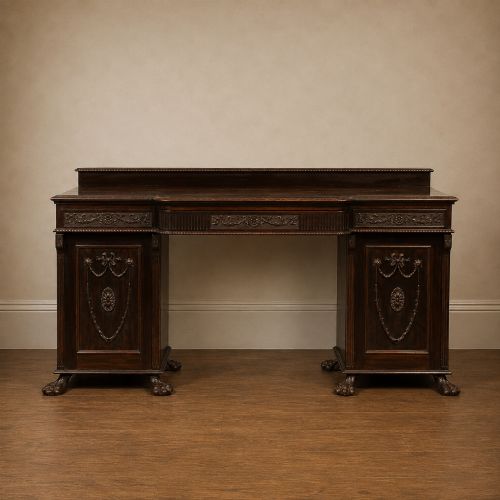
Cabinetmakers constructed these servers using solid timbers and decorative veneers applied to secondary woods. Flame mahogany veneer and burr walnut appear frequently across the periods, creating striking grain patterns on the drawer fronts and cabinet doors. Brass inlay, marquetry details and carved elements such as lion paw feet complete the exterior ornamentation.
Internal carcases rely on traditional joinery techniques suited to heavy domestic service. The surfaces show hand-finished polish that highlights the natural figuring of the timber, whether working with dark mahogany, figured oak or exotic padauk.
Several servers stand upon carved lion paw feet, ready to pounce across the dining room floor if the roast beef is late.
What varies in quality
The distinction between ordinary and exceptional pieces rests upon the selection of timber and the ambition of the design. Finer examples display matched flame mahogany or burr walnut veneers that flow symmetrically across the facade, while lesser pieces utilise plain timber or repetitive commercial grain.
Execution of decorative details marks the upper tiers of production. Finely chased brass work, delicate marquetry inlays and crisply carved paw feet separate bespoke cabinetmaker output from standard workshop furniture.
Hewetsons London·Maurice Adams·Liberty of London
The Antique Breakfront Server Glossary
- Breakfront
- A cabinet design where the central section projects forward from the flanking side sections. This architectural arrangement creates shadow lines and visual depth across the front of the piece.
- Flame Mahogany
- A veneer cut from the fork of the mahogany tree where the branch joins the trunk. It produces a distinctive flickering flame pattern highly prized in formal furniture.
- Credenza
- A dining room storage piece often associated with sideboard forms. It typically sits low to the ground with enclosed cabinet space.
- Marquetry
- The art of applying pieces of veneer to a structure to form decorative patterns and pictures. Craftsmen utilise contrasting woods to build up floral or geometric designs.
- Chiffonier
- A low sideboard or cabinet featuring shelves or a mirror back. This form gained popularity during the Victorian period for parlour and dining room use.
Antique Breakfront Server: Frequently Asked Questions
What is a breakfront server?
A breakfront server is a large dining room cabinet where the middle section steps forward from the outer cupboards. This configuration breaks up the flat line of the wall and adds architectural presence to a room.
Historically, these pieces functioned as serving surfaces for food and drink during formal meals while offering generous interior space for china and silver storage.
How do I date an antique sideboard?
Dating relies on identifying the prevailing style, timber choices and construction methods visible in the piece. Georgian and Regency pieces favour clean classical lines and premium mahogany, whereas Victorian examples often incorporate heavier carvings and figured veneers.
Later Edwardian pieces frequently revive earlier eighteenth-century designs, while Art Deco items introduce streamlined forms from the nineteen-thirties.
Where should I place a breakfront server?
These large servers anchor a dining room or spacious hallway, positioned flat against a principal wall where their width and depth can be appreciated. Because they offer substantial storage, they work effectively to hold dining linens and tableware.
Ensure adequate clearance around the piece so that cupboard doors and drawers can open fully without obstruction.