


Antique Bread Basket
An antique bread basket brings tactile history to the table, offering a glimpse into formal dining traditions through pierced metal and woven ceramic.
Antique Bread Basket
When searching for an antique bread basket, you encounter pieces designed to hold bread, rolls, or fruit at the dining table. These items span periods from the Georgian era through the Victorian and Edwardian years into the Art Deco period.
The form appears in solid sterling silver, silver plate, Old Sheffield Plate, copper, pewter, and earthenware pottery. Most examples met on this page are silver plated wares from the nineteenth and early twentieth centuries.
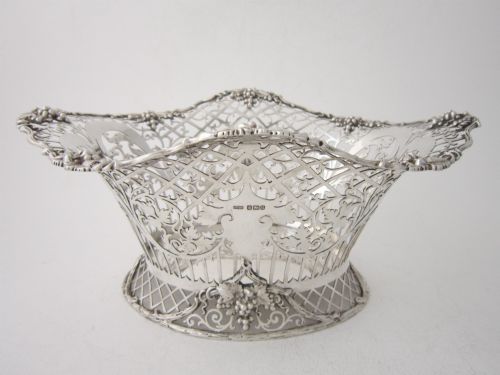
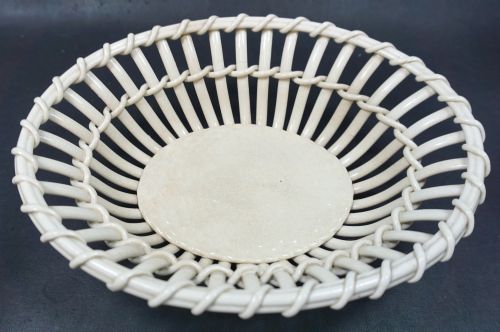
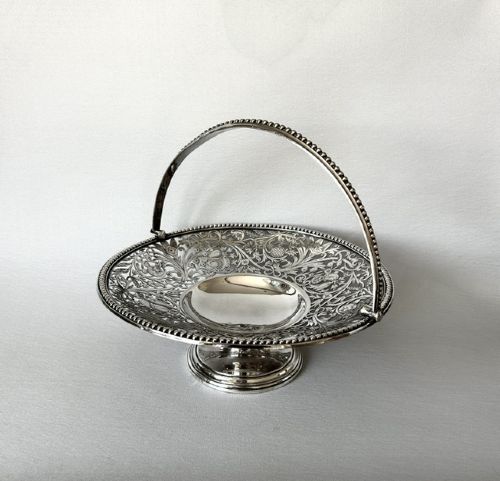
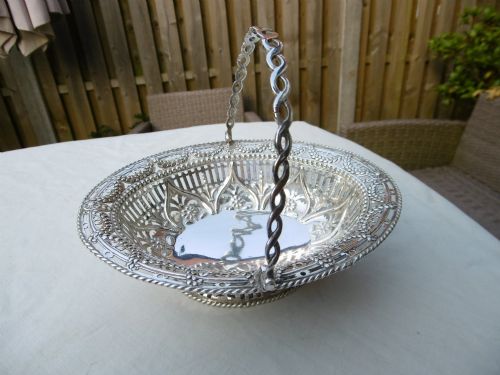
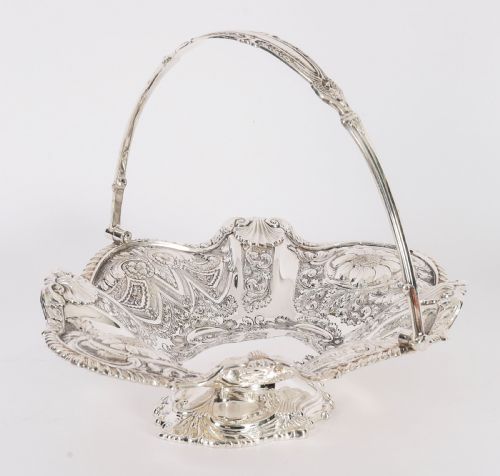
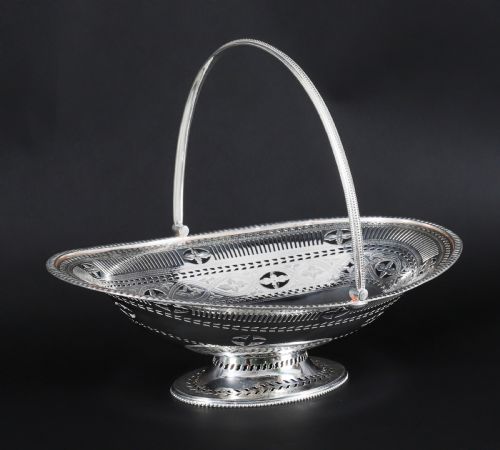
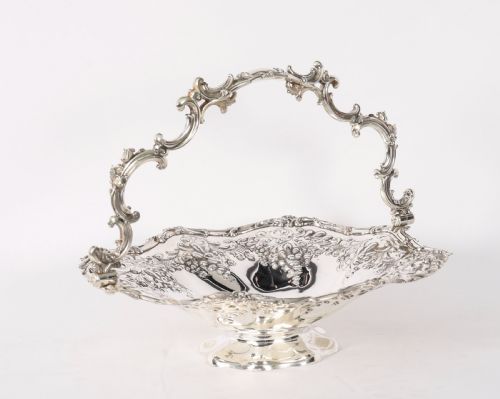
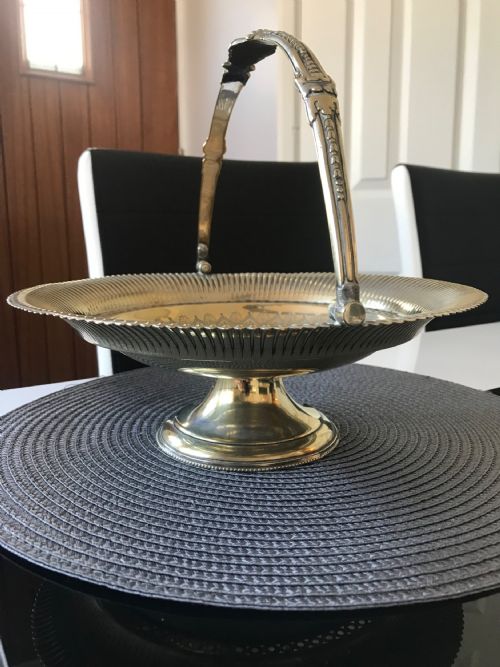
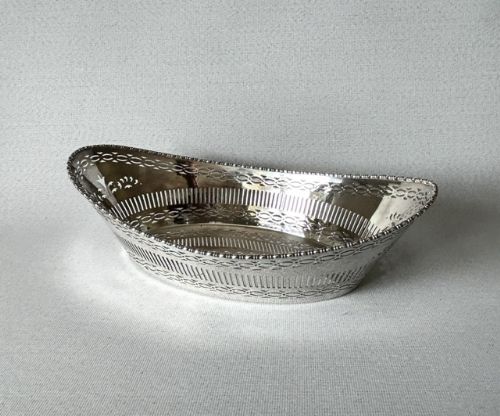
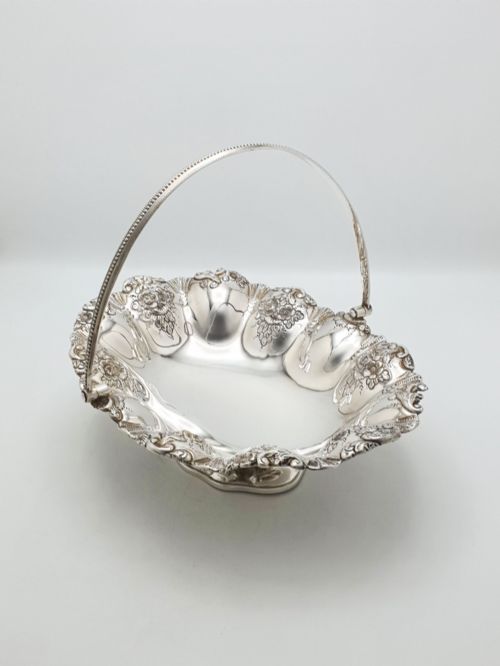
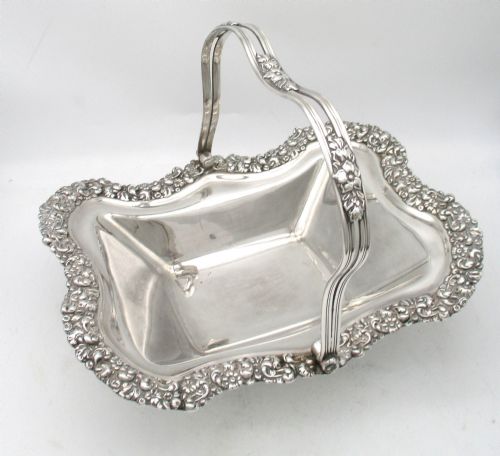
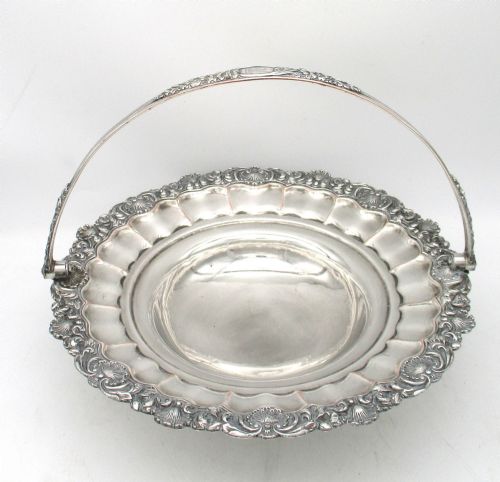
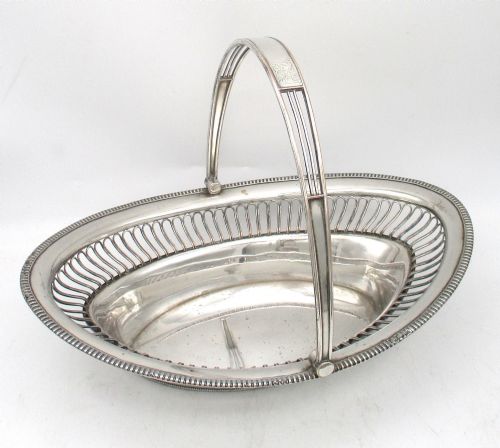
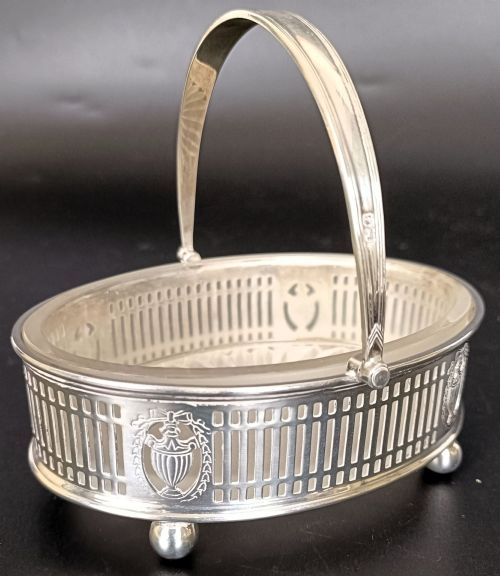
Makers produced these items as swing-handled baskets, footed bowls, and oval dishes with pierced, repoussé, or wirework decoration. Alongside metal variations, ceramic versions include cream ware and transfer-printed pottery.
How they were made
Silversmiths and manufacturers utilised techniques such as piercing, fretwork, and wirework to shape solid silver and silver plate. Old Sheffield Plate combines a thin layer of silver fused to a copper core, visible at cut edges.
Makers added surface detail through floral repoussé, engraving, and embossed ornamentation on rims and handles. Potteries employed cream ware bodies and blue and white transfer printing for earthenware chestnut and cane baskets.
Several baskets retain their original serving forks, ready for a Victorian pastry.
What varies in quality
Quality depends upon the crispness of the piercing and the depth of the chased or repoussé decoration. Heavy gauge metal and sturdy swing handles indicate superior production standards across both solid silver and plated items.
The integrity of the plating matters greatly in silver plated pieces, where original silver coverage remaining intact over the base metal determines the desirability of the object. Maker attribution and well-struck hallmarks further distinguish finer specimens.
George W. Scott & Sons Ltd·Mappin & Webb·Walker & Hall·John Hunt·Samuel Herbert·William Comyns·Hammond, Creake & Co·James Deakin & Sons·William Hutton & Sons·James Dixon & Sons Ltd·Martin Hall·J. & R. Clews·Brille·John Walton·Atkin Brothers·Garrard & Co·John Sanderson·Goldsmiths' & Silversmiths' Co·John Round
The Antique Bread Basket Glossary
- Old Sheffield Plate
- A composite material made by fusing a sheet of silver to a copper base, produced before modern electroplating. Items in this material often reveal subtle traces of copper at the seams.
- Pierced work
- A decorative technique involving the cutting of openings through the metal to create geometric or floral patterns. This method lightens the weight of the basket while adding visual intricacy.
- Repoussé
- Metalworking achieved by hammering or pressing the design from the reverse side to form raised patterns on the front. It frequently frames the rims of Edwardian and Victorian examples.
- Swing handle
- A movable handle attached to pivots on either side of the basket, allowing it to drop flat against the vessel. This feature is common on Georgian and Victorian silver and plated serveware.
- Cream ware
- A refined earthenware developed in the eighteenth century with a pale yellowish-cream glaze. Makers used this body for moulded cane-pattern baskets and transfer-printed dishes.
Antique Bread Basket: Frequently Asked Questions
How were antique bread baskets used?
These vessels served to present sliced bread, rolls, or fruit during formal meals. Placed centrally on the dining table, they allowed guests to help themselves between courses.
Over time, their domestic role expanded from purely functional dining accessories to decorative centerpieces and fruit bowls displayed on sideboards.
How do I care for silver plated baskets?
Maintenance requires gentle cleaning with a soft cloth and a reputable silver cream designed for plated items. Avoid abrasive pads that wear away thin silver layers over the underlying base metal.
Store the pieces in a dry environment and handle swing handles with care to preserve the original pivot joints and structural integrity.
What is the difference between Old Sheffield Plate and silver plate?
Old Sheffield Plate involves mechanically fusing a sheet of silver onto a copper ingot before rolling them into sheets. This eighteenth and nineteenth-century method creates a layered metal where copper occasionally shows at exposed edges.
Standard silver plate utilises an electrochemical process introduced later in the nineteenth century, depositing a thin coat of pure silver onto a nickel-silver or white metal base.
How can I tell the period of a basket?
Dating relies upon a combination of hallmarked date letters on solid silver, maker marks, and stylistic indicators. Georgian pieces often feature heavy cast mounts and symmetrical pierced designs.
Victorian and Edwardian examples introduce expansive floral repoussé work, while Art Deco pieces display geometric lines or hammered pewter surfaces from the 1930s.