
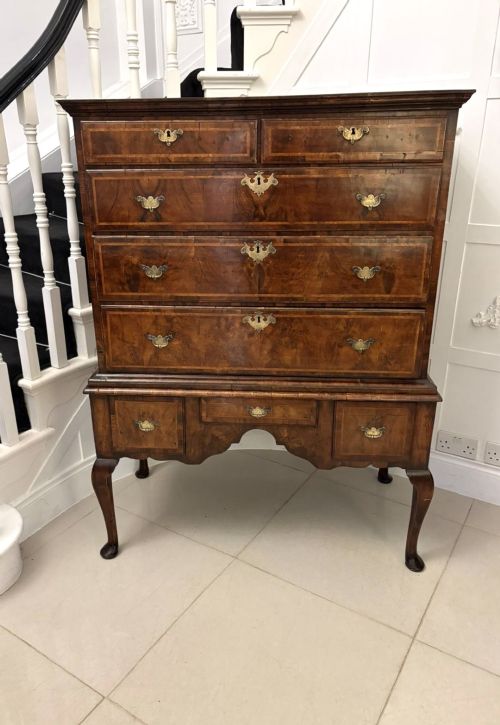
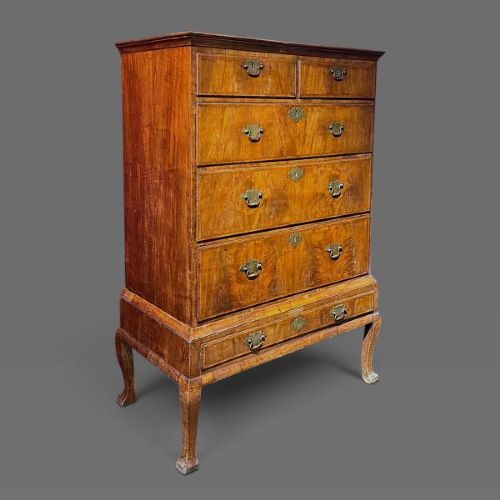
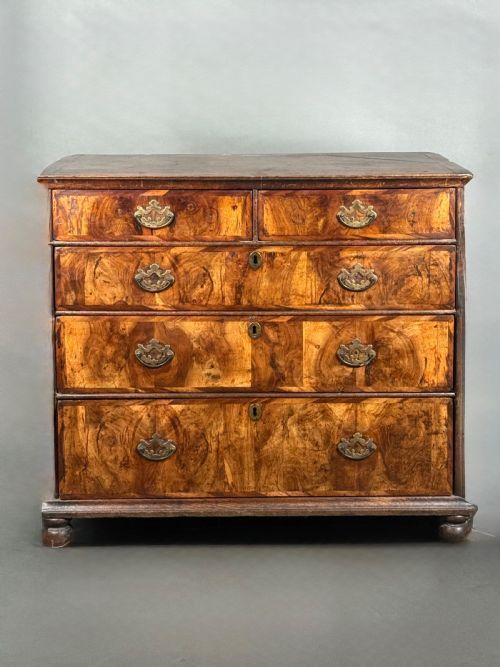
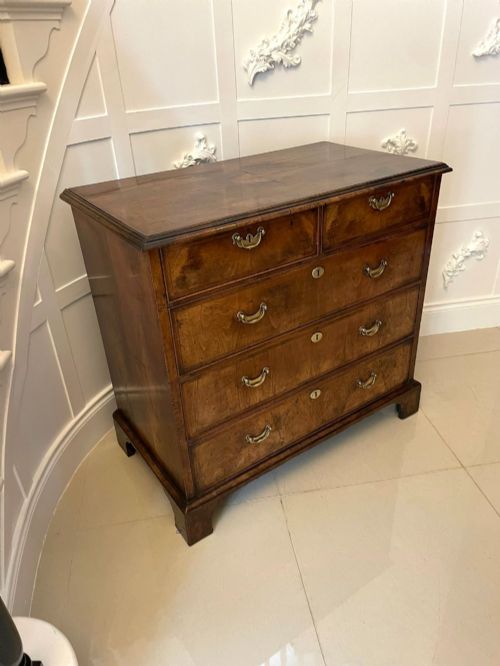
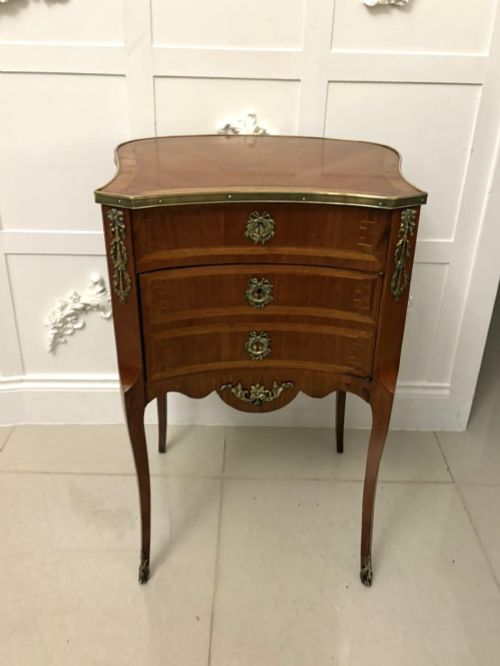

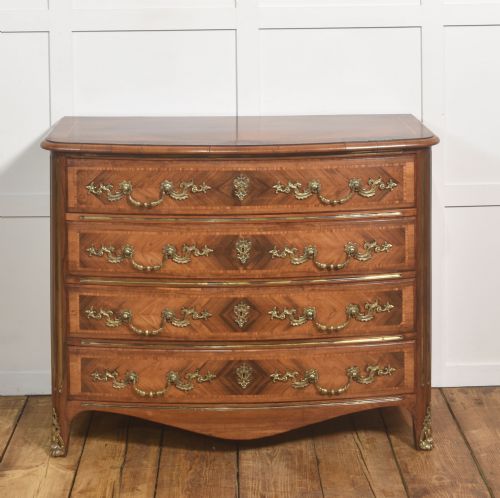
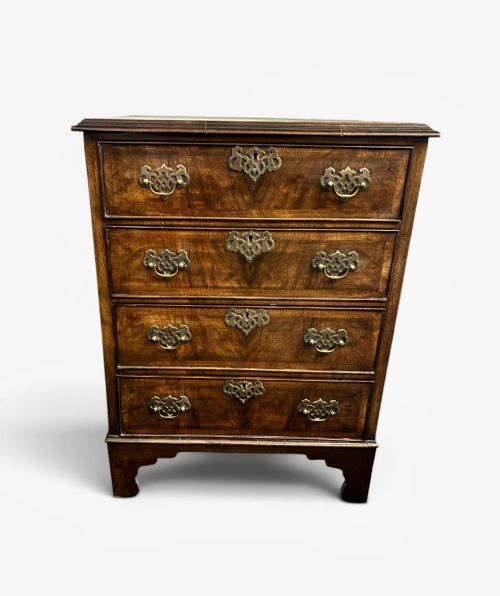
Antique Brass Walnut Chest
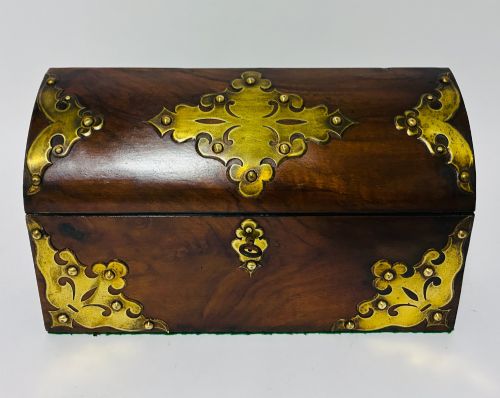
An antique brass walnut chest brings rich grain and robust metal mounts together in pieces built for storage and display.
Antique Brass Walnut Chest
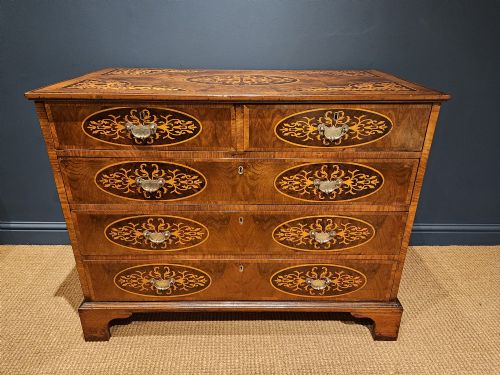
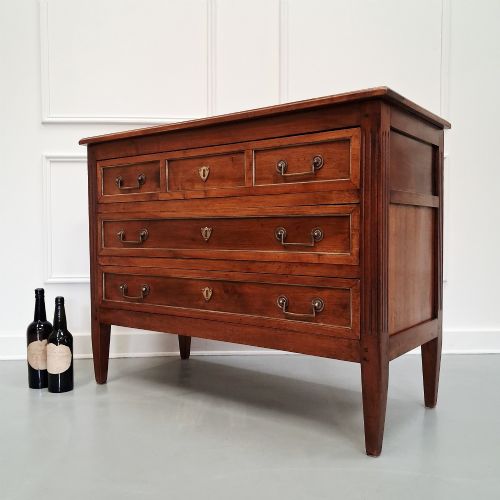
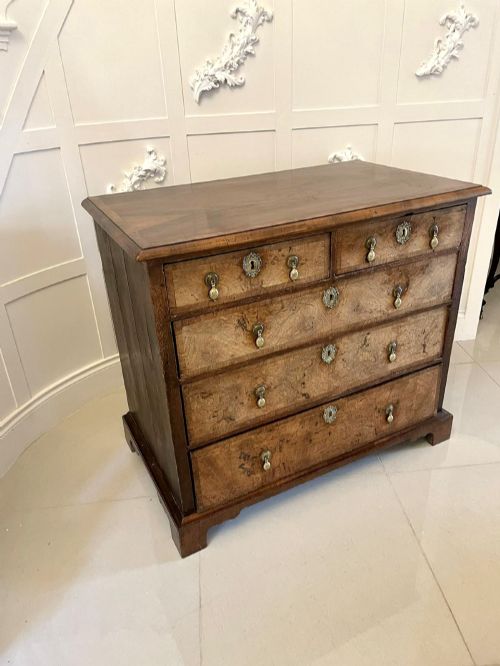
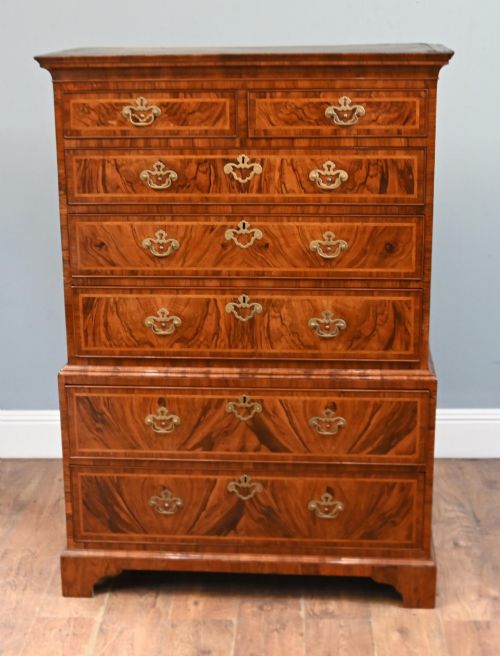
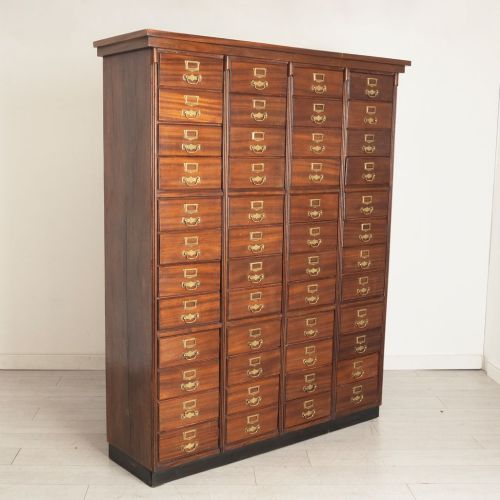
These pieces encompass an array of forms rooted primarily in the 17th, 18th, and 19th centuries, ranging from tall chests of drawers and bachelor writing chests to smaller caddies, trunks, and cabinets. An antique brass walnut chest most frequently appears as a Georgian or Queen Anne drawer chest, alongside later Victorian and Edwardian variations.
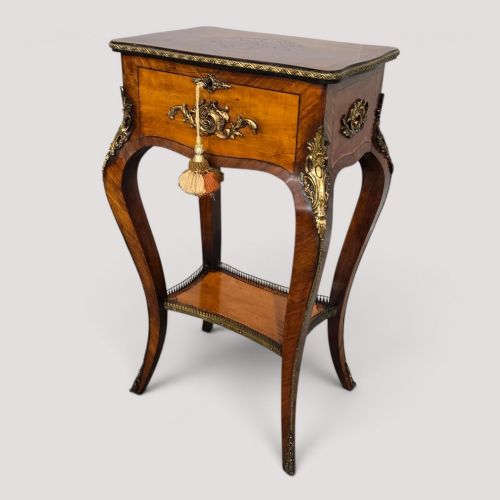
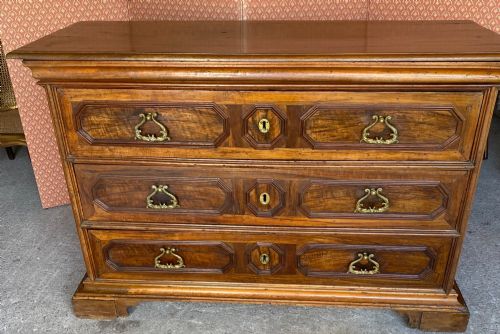
Makers and regional workshops utilised walnut and burr walnut veneers, pairing them with brass drop handles, escutcheons, and corner brackets. Stylistic influences span William and Mary, George II, and French Louis periods, showing how different centuries interpreted the same core materials.
Materials and construction
Cabinet makers constructed carcass frames in oak or secondary timbers, applying figured walnut, burr walnut, or oyster veneers to the visible exterior surfaces. Marquetry, parquetry, and inlay involving materials such as mother of pearl often embellished the facades.
Brass hardware functioned as both structural reinforcement and decoration, taking the form of cast drop handles, keyhole escutcheons, and iron bindings on campaign pieces. French polishing and wax finishes sealed the wood while accentuating the natural grain patterns.
Listings feature walnut chests spanning the 17th, 18th, and 19th centuries, alongside Edwardian and 1930s interpretations in oak, marble, and ormolu.
Factors of quality
Quality rests in the selection of the timber veneer, where dense burr walnut or symmetrically matched figured panels command greater attention than plain grain. The precision of the dovetail joinery inside the drawers and the integrity of the secondary woods indicate the standard of workshop execution.
Originality of the brass furniture remains central, as replaced handles or filled escutcheons alter the character of the piece. Crispness in the casting of the metal mounts and the retention of early patination on the wooden surfaces distinguish superior examples.
Jas Shoolbred
The Antique Brass Walnut Chest Glossary
- Burr walnut
- A veneer sliced from the gnarled growth or burl of a walnut tree, producing a highly figured and swirling grain pattern. It was favoured by cabinet makers for decorative drawer fronts and cabinet doors.
- Escutcheon
- A protective plate surrounding a keyhole, usually cast in brass. It prevents the wood around the lock from splitting through repeated use.
- Campaign chest
- A modular chest of drawers designed to split into sections for transport by military officers. These pieces often feature brass corner brackets, inset carrying handles, and flush drawer pulls.
- Oyster veneering
- A technique where small circular branches or roots are sliced crosswise to create concentric rings resembling oyster shells. This method appeared frequently on late 17th-century walnut furniture.
- Dovetail
- A joint formed by interlocking wedge-shaped fingers, used to connect drawer sides to drawer fronts. Hand-cut dovetails serve as an indicator of traditional period construction.
Antique Brass Walnut Chest: Frequently Asked Questions
What is an antique brass walnut chest?
An antique brass walnut chest is a piece of storage furniture constructed from walnut timber or veneer, accented with brass handles, keyplates, or corner mounts. These items range from large Georgian chests of drawers to campaign trunks and smaller caddies.
Craftsmen across the 17th, 18th, and 19th centuries utilised these materials to combine functional storage with decorative presence.
How do I identify the period of a walnut chest?
Period identification relies on observing construction methods, drawer joinery, and stylistic details such as leg shapes and bracket feet. Earlier 17th and 18th-century examples often feature oyster veneers or herringbone inlay, while Victorian and Edwardian pieces show different proportions and hardware.
Examining the secondary woods inside the drawers provides further clues regarding the date of manufacture.
Where were walnut chests used historically?
These chests served primarily in domestic bedchambers, hallways, and formal reception rooms for storing garments, linens, and valuables. Smaller variants such as tea caddies and games boxes sat on tabletops in drawing rooms.
Campaign versions travelled with military officers on active service, designed to withstand rough transit.
How should I care for antique walnut furniture?
Maintenance requires keeping the wood away from direct sunlight and extreme fluctuations in temperature or humidity, which can cause walnut veneer to crack or lift. Regular dusting with a soft, dry cloth preserves the finish.
Applying a traditional beeswax polish occasionally helps nourish the grain without building up heavy chemical residues.