
18th Century Provincial Chest
An 18th century provincial chest brings regional cabinet-making into a room, offering robust storage shaped by local materials and rural traditions.
18th Century Provincial Chest
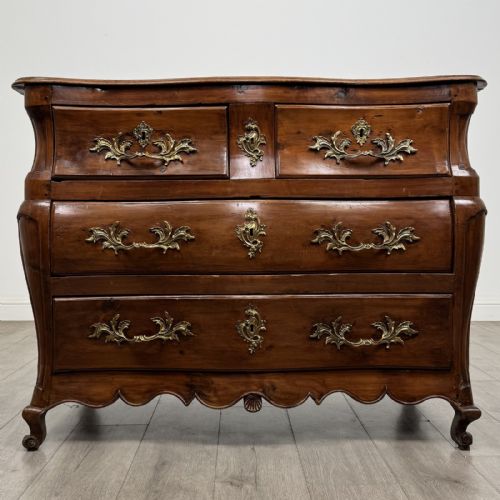
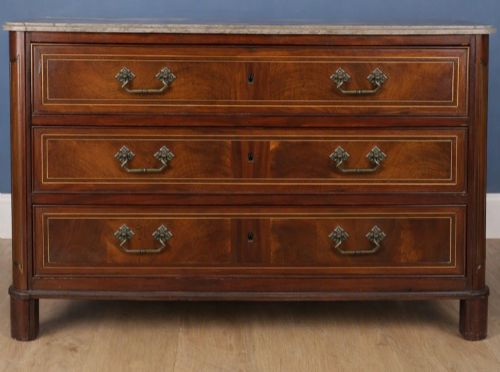
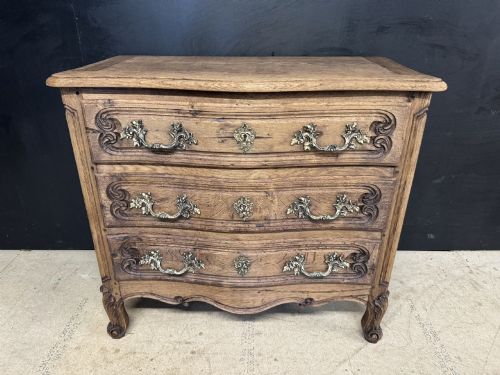
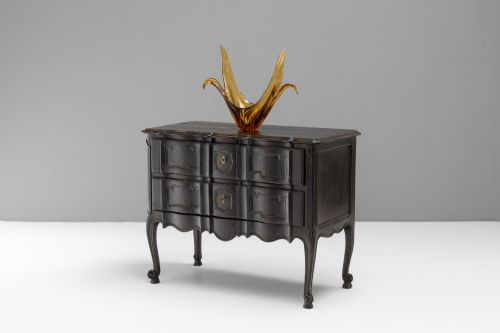
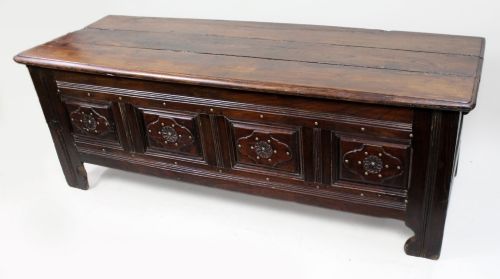
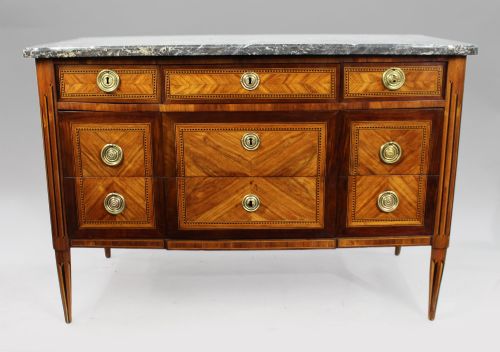
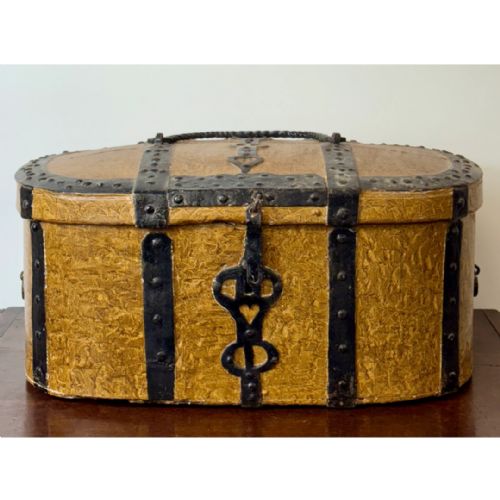
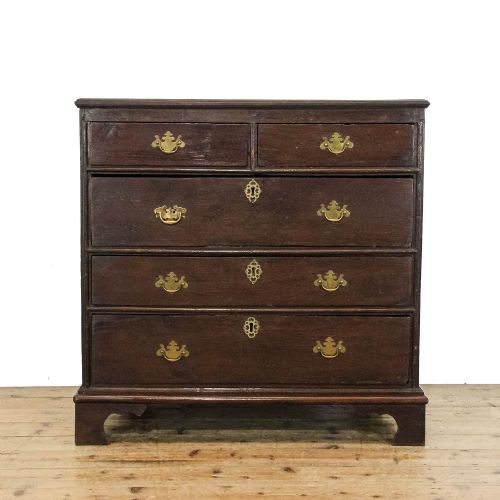
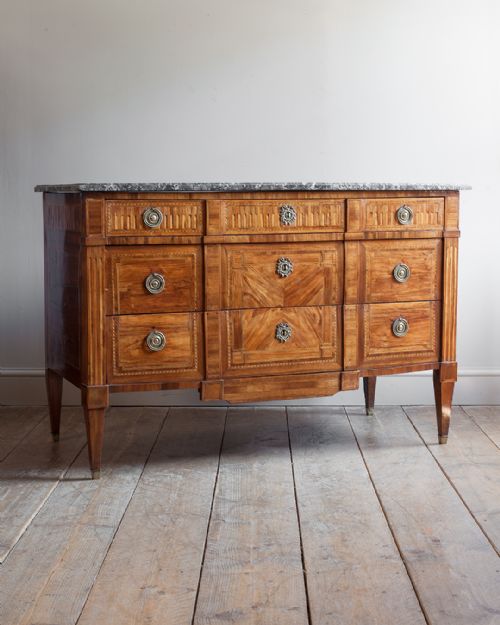
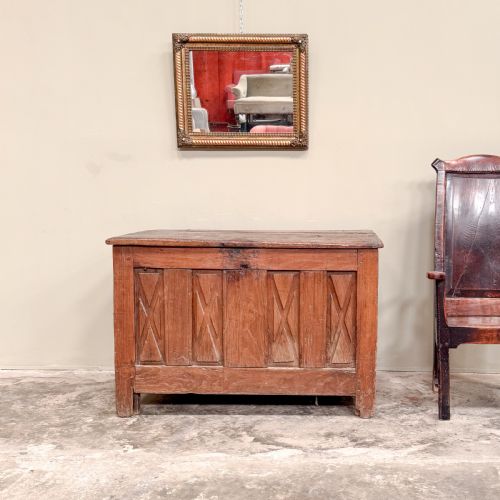
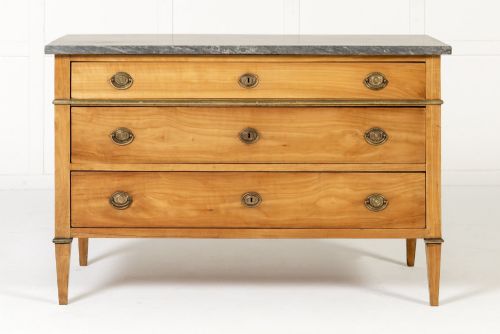
An 18th century provincial chest encompasses utilitarian storage items produced outside metropolitan centres, ranging from solid oak coffers to walnut commodes and cherrywood chests of drawers. These pieces reflect the domestic needs of households in regions such as France, England, and Sweden, relying on local timbers rather than exotic imports.
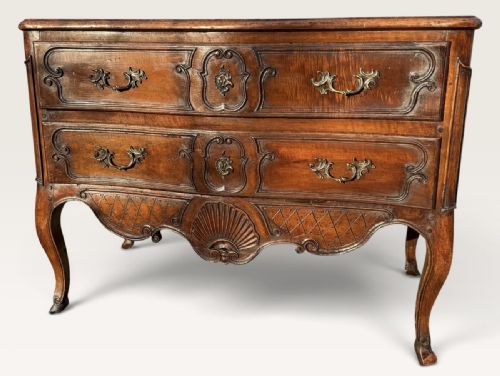
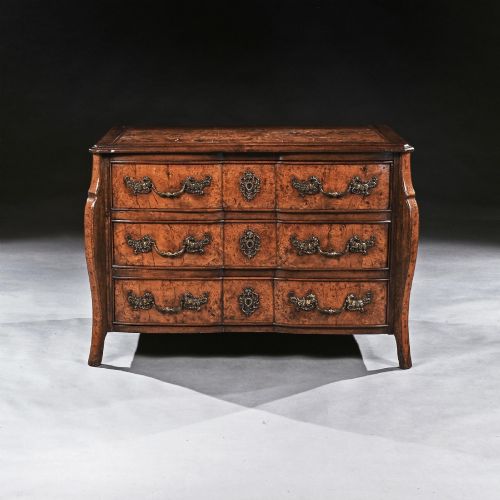
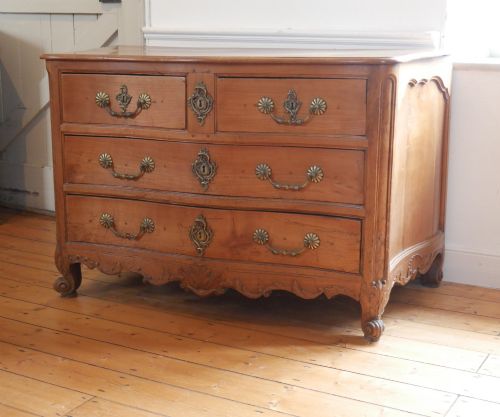
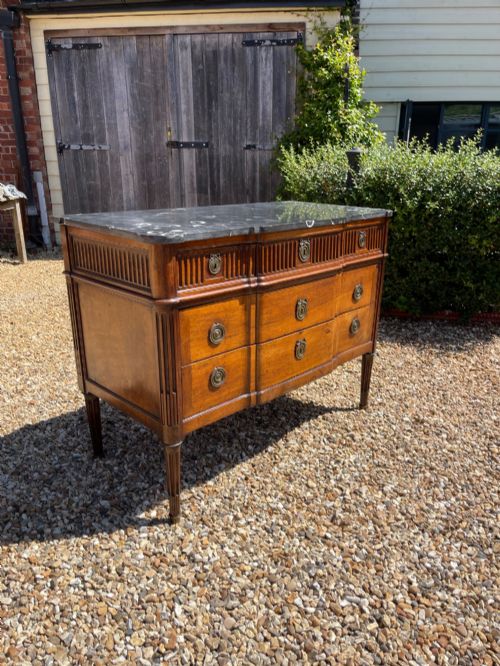
Buyers searching for an 18th century provincial chest will most frequently encounter walnut and oak commodes, serpentine-fronted storage units, and heavy timber coffers. Many items originate from French provincial workshops or Georgian English districts, displaying practical forms adapted for daily domestic life.
Regional variations define these items, with French examples often exhibiting Louis XV or Louis XVI styling alongside shaped aprons, while English pieces tend toward straightforward chest of drawers or linen press formats. The construction prioritises utility and robust timber framing over courtly ostentation.
Materials and Construction
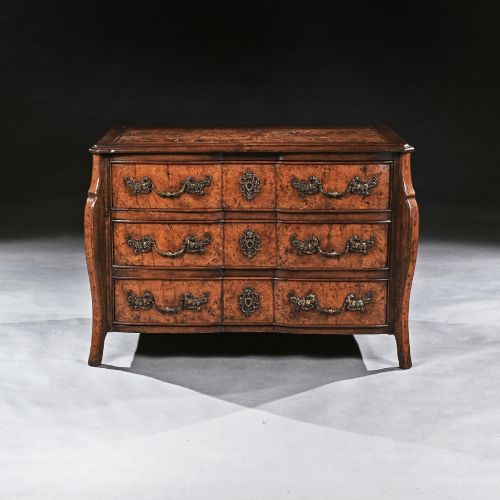
Makers utilised native hardwoods including oak, walnut, cherrywood, and chestnut, selecting timbers available in the immediate locality. These woods were worked into solid panels for coffers and drawer fronts, often augmented by burr elm or fruitwood veneers in parquetry patterns.
Joinery techniques relied on pegged mortise and tenon frames, hand-cut dovetails for drawer construction, and iron or brass hardware cast locally. Surfaces were finished with wax or oil to nourish the timber, developing a deep patina through decades of handling.
Periods represented span from the 18th century through Georgian eras, with occasional revival pieces from the early 20th century.
Differentiating Quality
Quality rests on the integrity of the timber selection, the crispness of hand-carved mouldings, and the survival of original brass or iron handles and escutcheons. Pieces displaying sophisticated serpentine fronts or complex parquetry require advanced joinery skills that elevate them above plain rectilinear boxes.
The degree of original surface preservation significantly affects standing, as untouched patinated timber holds greater integrity than stripped or heavily restored carcases. Interior fittings, such as intact candle boxes within coffers or original drawer linings, indicate careful provenance.
The 18th Century Provincial Chest Glossary
- Commode
- A low chest of drawers or cabinet developed in France during the eighteenth century. These pieces usually feature multiple drawer tiers and often stand on short cabriole or tapered legs.
- Coffer
- A large wooden chest with a hinged lid used for storing valuables, linens, or domestic goods. They represent some of the earliest forms of enclosed household storage.
- Parquetry
- A geometric mosaic of wood pieces used for decorative surface inlay on furniture. Cabinet-makers arranged contrasting timbers like kingwood and walnut to form repeating patterns.
- Serpentine
- A furniture front or top shaped with a curving contour, convex in the centre and concave at the sides. This fluid line demands precise woodworking to execute successfully.
- Patina
- The surface sheen and mellowing of colour acquired by wood and metal over years of use and polishing. It serves as an indicator of age and consistent maintenance.
18th Century Provincial Chest: Frequently Asked Questions
How do I clean an old wooden chest?
Maintenance requires only a gentle dusting with a dry lint-free cloth and occasional application of traditional beeswax to nourish the timber. Avoid modern liquid polishes, which can build up residue and soften the historic surface.
Keep the piece away from direct sunlight and central heating vents to prevent the timber from drying out, shrinking, or splitting along the grain over time.
Where were these provincial chests made?
These items originated in regional workshops across rural France, England, and Sweden, far from the dominant furniture trade guilds of capital cities. Local cabinet-makers relied on available native timbers and regional design preferences.
Consequently, a piece from a French province displays different decorative flourishes and proportions compared to an English country workshop production.
How do I spot a replacement handle?
Examine the interior of the drawer or panel behind the mount to see if older fixing holes have been plugged with wood or filled. Original brass or iron hardware typically leaves specific indentation marks in the timber beneath the backplate.
Replacements often use modern screw threads or sit within mismatched impressions left by earlier mounts.
Can I use a coffer as a coffee table?
Using a solid timber coffer as a coffee table provides sturdy surface space and hidden storage within a living area. Ensure the hinged lid remains stable when items rest upon it.
Protect the historic wax finish from moisture and heat rings by employing coasters and trays rather than placing hot or damp objects directly onto the wood.