
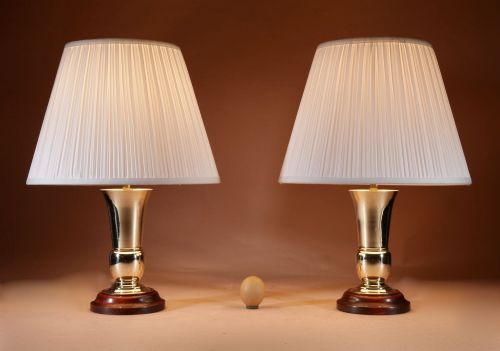
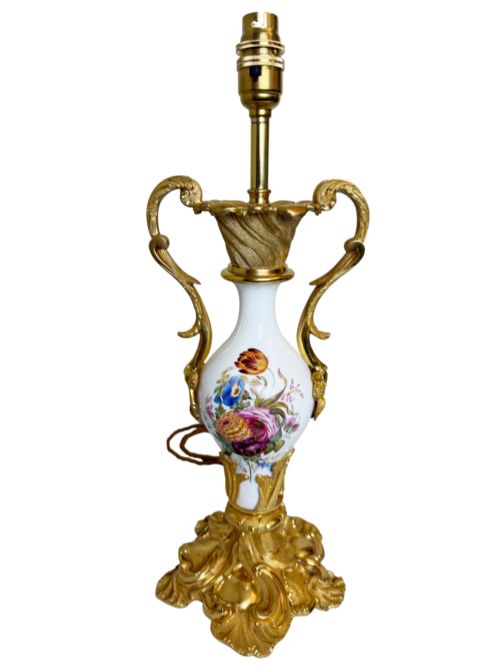
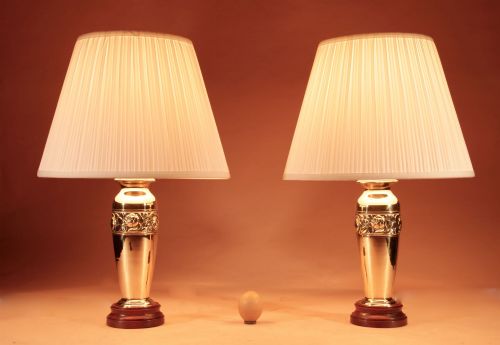
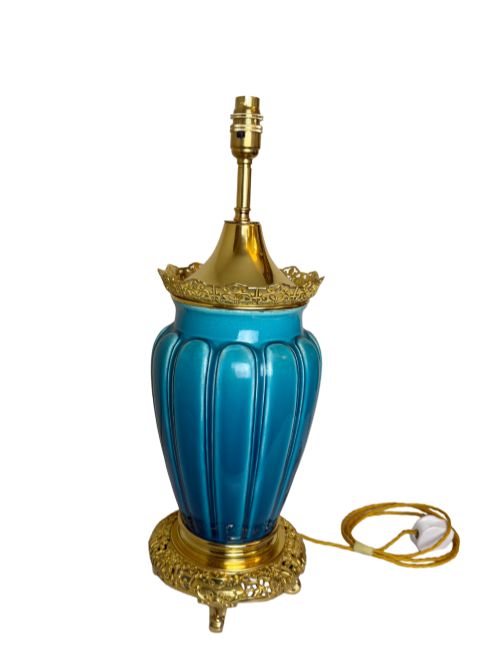
Antique Brass Urn Light
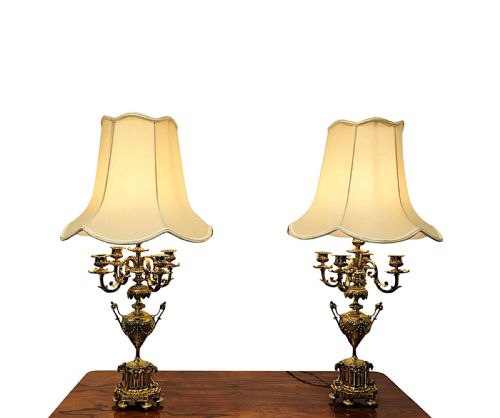
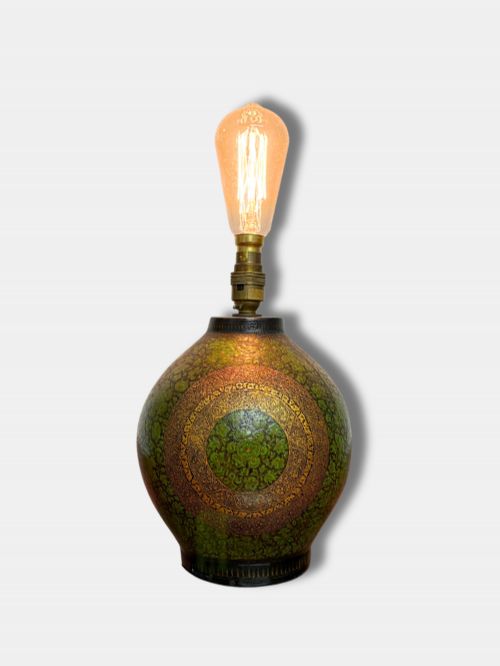
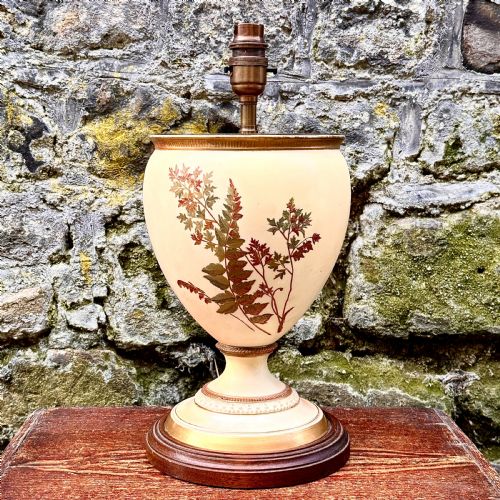
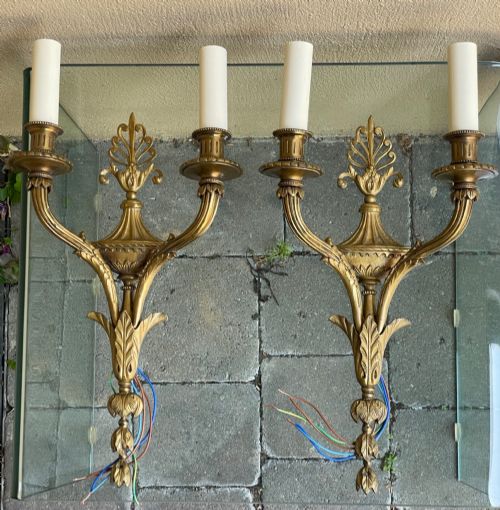
These antique brass urn lights combine classical vessel forms with period lighting, bringing heavy metalwork and decorative mounts into a room.
Antique Brass Urn Light
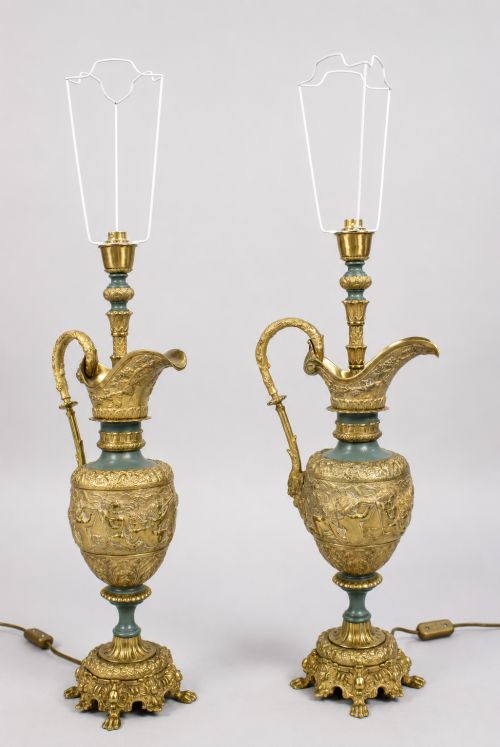
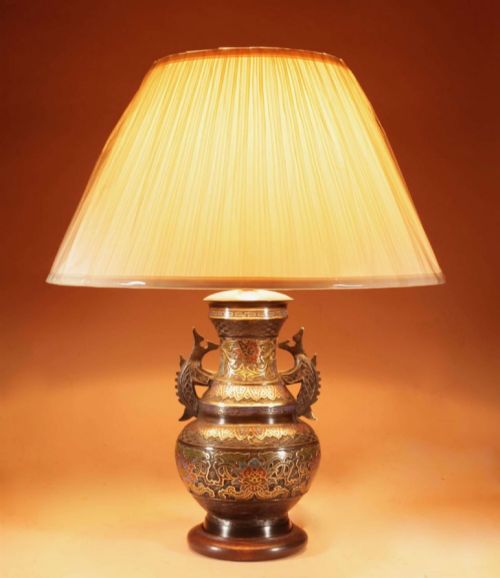
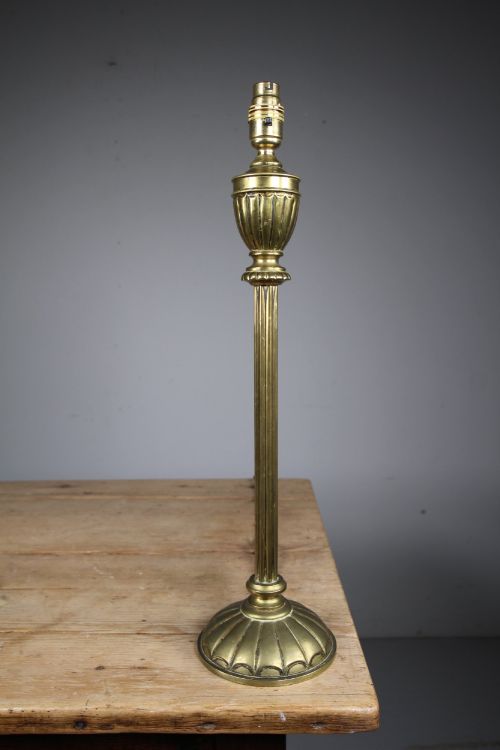
An antique brass urn light takes the form of classical vessels, amphorae, or ewers, adapted to hold illumination during the nineteenth and early twentieth centuries. These pieces emerge from Victorian, Edwardian, and Art Deco contexts, spanning French Neoclassical, Louis XVI style, and Chinoiserie aesthetics.
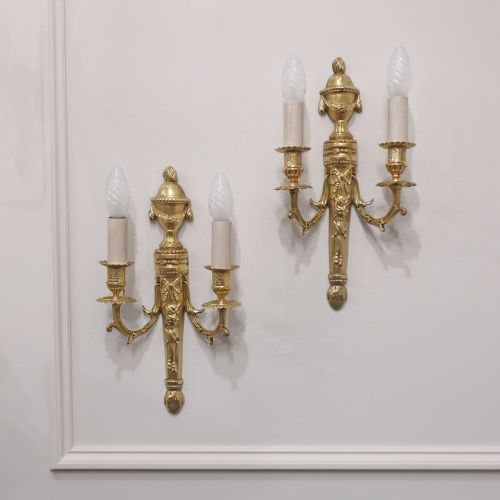
Table lamps dominate the selection, appearing alongside wall lights, sconces, candelabras, and standard lamps. Many examples repurpose earlier candelabras or oil lamps, mounting metal vessels onto solid bases for modern domestic use.
Materials and construction methods
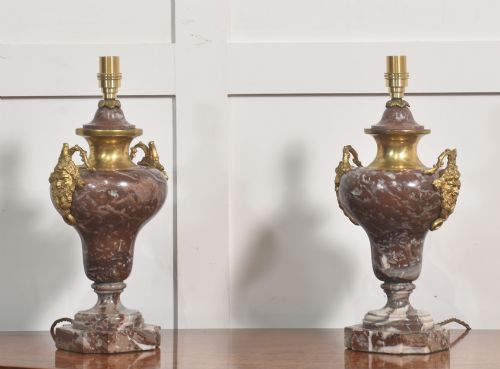
The body of each piece relies heavily on cast brass, gilt bronze, or ormolu, paired frequently with contrasting segments of rouge marble, white onyx, or glazed porcelain. Metal components are cast, chased, and gilded, utilising traditional foundry techniques to secure crisp surface details.
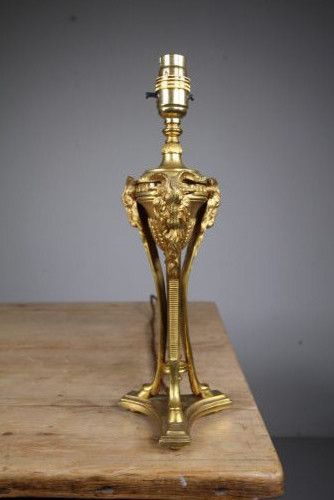
Vessels incorporate decorative elements such as ram's head masks, paw feet, and floral motifs, joined securely to stone bases or fabric shades.
Listings feature brass, gilt bronze, porcelain, and marble across Victorian, Edwardian, and Art Deco periods.
Distinctions in manufacture and design
The integration of converted elements, such as nineteenth-century candelabras or oil lamps adapted for electricity, depends on the seamless retention of original form without structural compromise.
Casier·Royal Worcester
The Antique Brass Urn Light Glossary
- Ormolu
- Gilded bronze, where finely ground gold is amalgamated with mercury and applied to a bronze base through heat. This technique creates a durable, warm metallic lustre characteristic of French decorative arts.
- Ewer
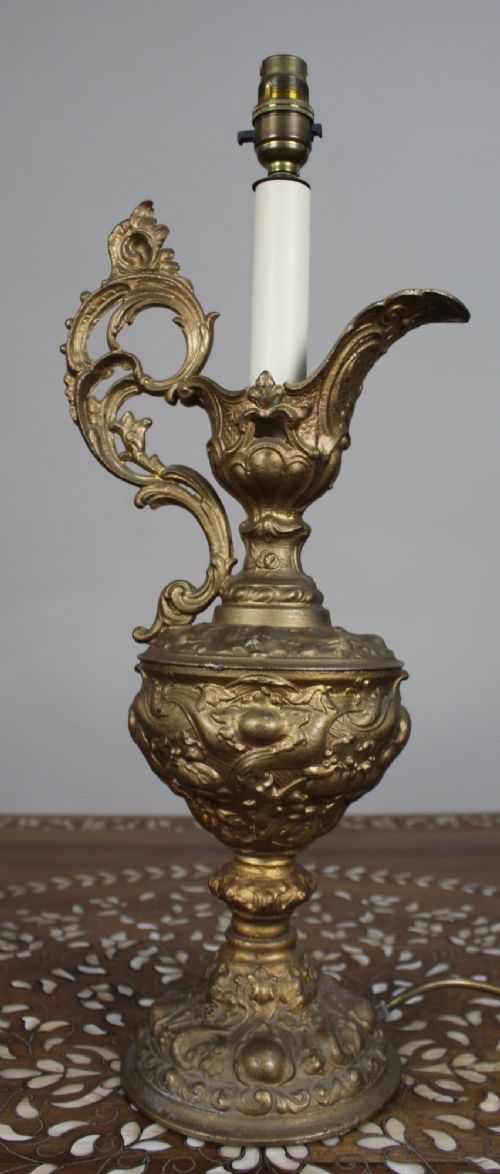
- A large pitcher with a wide spout, frequently utilised as the primary body for nineteenth-century table lamps.
- Champlevé
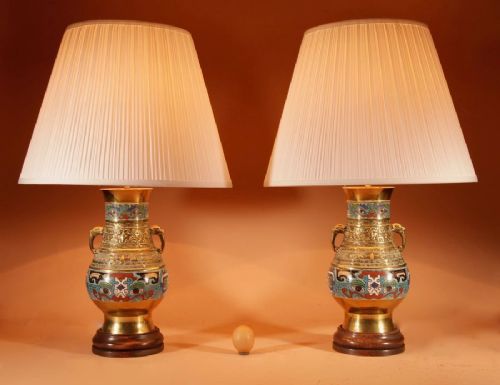
- An enamelling technique where troughs are carved into the surface of bronze or brass and filled with vitreous paste before firing.
- Amphora
- A two-handled ancient vessel shape with a narrow neck, often rendered in brass, gilt metal, or marble for twentieth-century lighting.
- Louis XVI Style
- A Neoclassical aesthetic drawing on eighteenth-century French design, defined by symmetry, classical proportions, and restrained ornamentation.
Antique Brass Urn Light: Frequently Asked Questions
What periods do these lamps come from?
The pieces span the nineteenth and early twentieth centuries, encompassing Victorian, Edwardian, and 1920s Art Deco eras.
Design influences stretch back further, drawing heavily on French Neoclassical and Louis XVI revival styles.
Were these always electric lamps?
Many examples began life as oil lamps, candelabras, or decorative vases before undergoing conversion for electrical wiring.
Original candelabra arms and burner assemblies are frequently adapted to house lamp fittings while retaining their historic metal bodies.
What materials are combined with the brass?
Foundations and bodies frequently incorporate contrasting elements like rouge marble, white onyx, and glazed porcelain.
Mounts and decorative handles utilise gilt bronze, ormolu, and gilt metal alongside fabric components for shades.
How do I identify French Neoclassical styling?
French Neoclassical pieces display classical architectural motifs, symmetry, and restrained ornamentation derived from antiquity.
Details often include ram's head masks, foliate chasing, and heavy use of ormolu mounts on marble bases.