

Antique Brass Sconce
An antique brass sconce brings warm, reflected light and period character directly to a wall.
Identifying your antique brass sconce
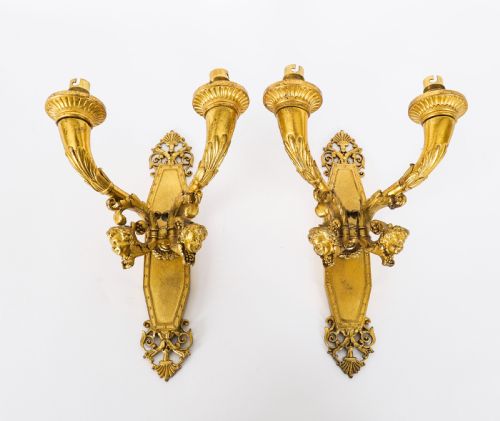
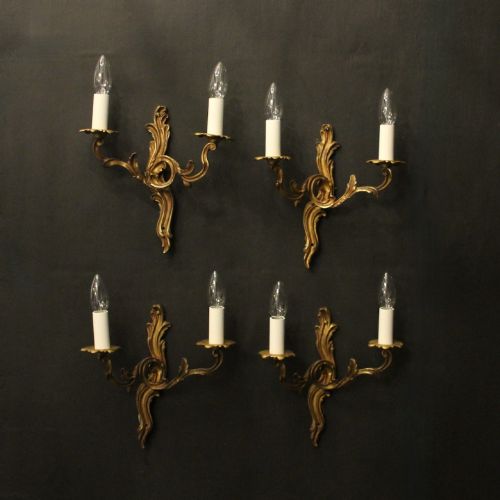
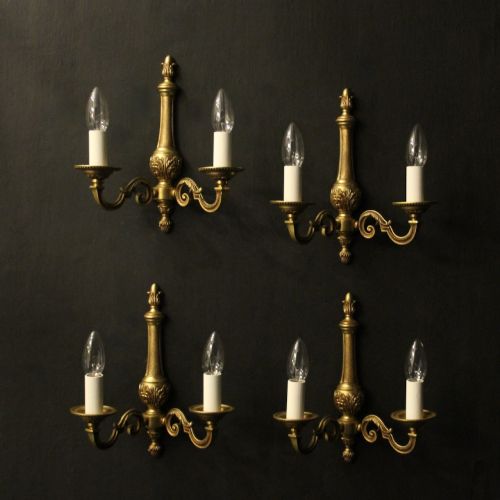
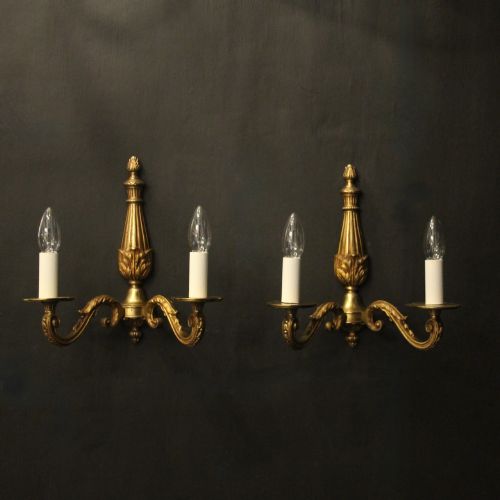
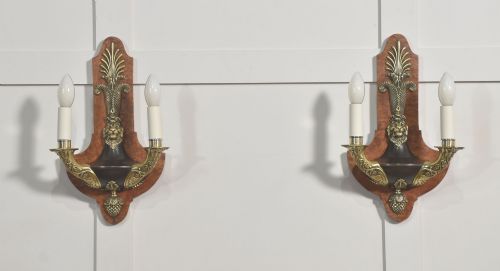
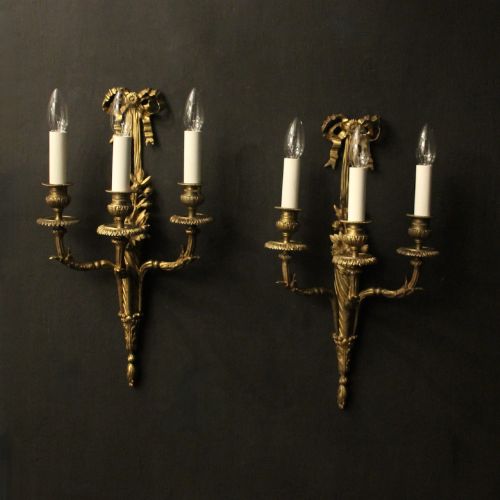
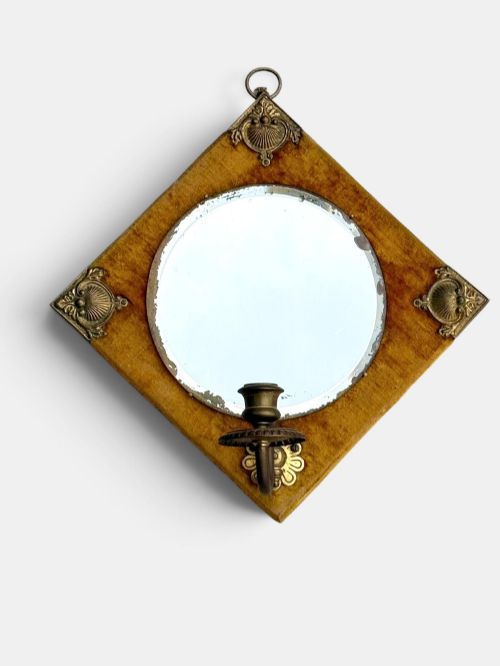
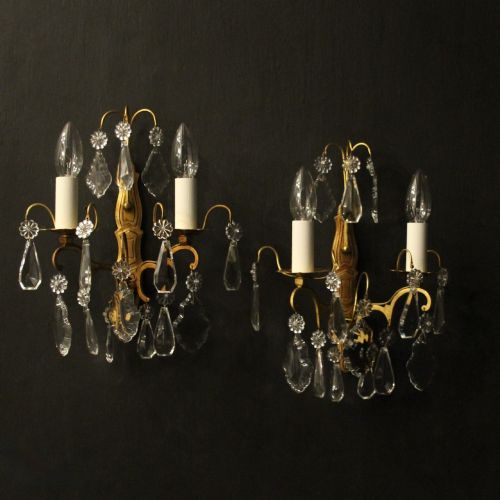
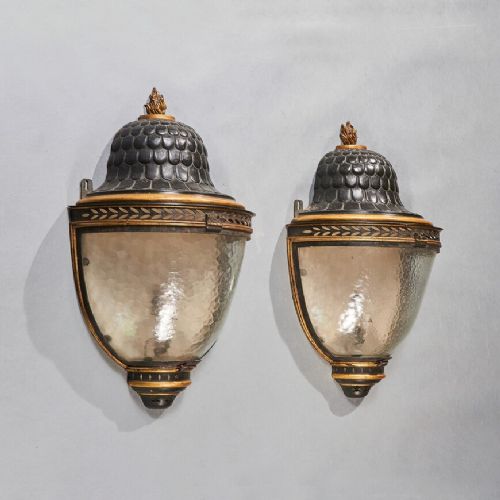
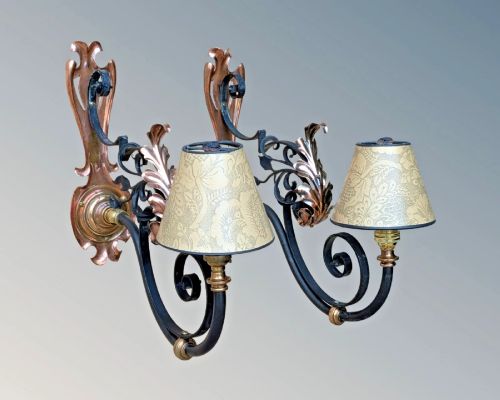
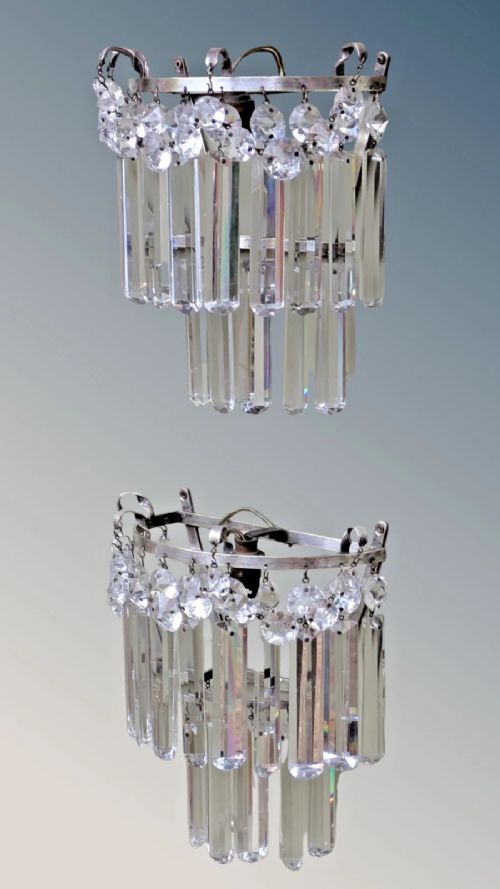
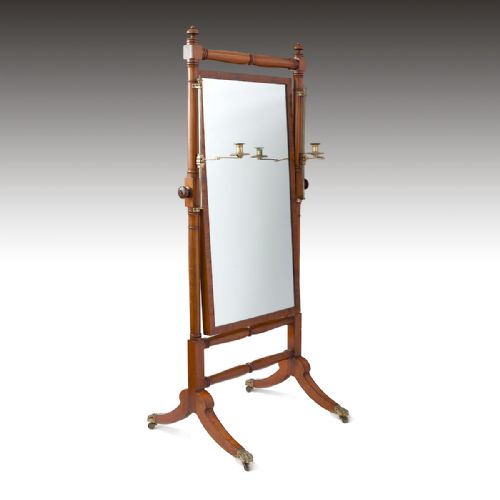
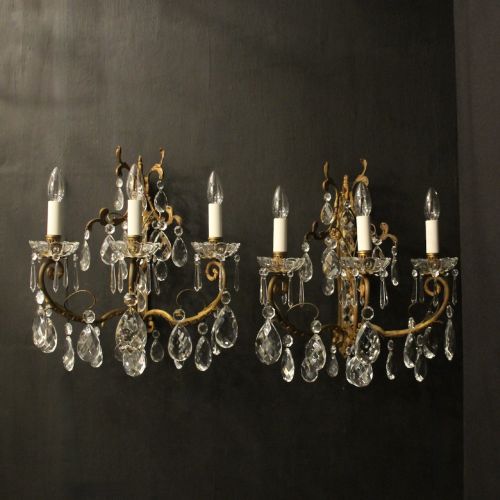
The antique brass sconce category encompasses wall-mounted lighting fixtures designed to hold candles or electric bulbs, taking forms such as wall lanterns, wall lights, girandoles, and oil lamps with brackets. These pieces emerge from periods spanning the seventeenth through the early twentieth centuries, drawing on Neoclassical, Victorian, Edwardian, Dutch Traditional, and French Rococo Revival styles.
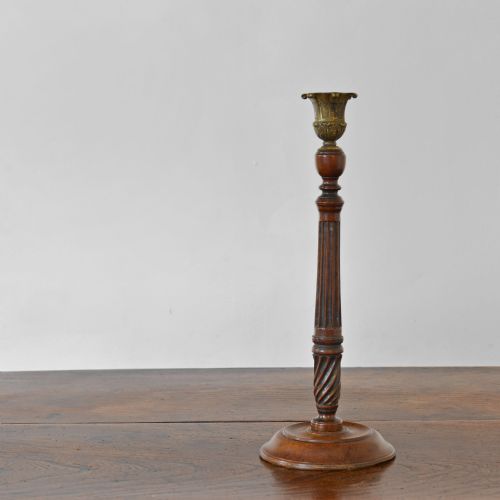
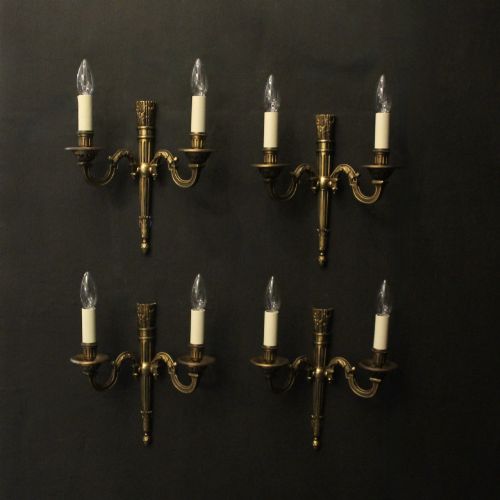
Buyers frequently encounter pairs and sets of twin-arm or multi-arm fixtures alongside single wall brackets and chambersticks featuring tulip-shaped sockets. Materials extend beyond standard brass to encompass cast brass, gilt bronze, silver plated brass, wood, glass, frosted glass, and mirror glass.
Origins trace to English, French, Dutch, and Flemish workshops, reflecting diverse regional aesthetics from ornate Louis XV ornamentation to restrained eighteenth-century forms. Surviving examples demonstrate how lighting transformed interior spaces through functional metalwork mounted directly onto walls.
Materials and construction methods
Construction relies heavily on brass, cast brass, and gilded or gilt bronze, sometimes paired with structural elements of wood or backing plates of mirror glass. Repousse techniques appear in Dutch examples, creating textured relief patterns across the metal surface.
Components incorporate specialised glass elements such as frosted glass shades or standard glass components designed to diffuse light from candles or early oil mechanisms. Individual parts like tulip-shaped sconces and detachable sections demonstrate modular assembly methods common in early metalware.
Retail Price Guide 2026
Typical UK retail prices for brass sconce, calculated from the Sellingantiques database of over a million retail prices indexed since 2003. This retail price guide relies exclusively on Sellingantiques data; no external sources or auction records are used, so the figures do not describe the wider market.
Some seventeenth-century chambersticks doubled as portable desk accessories before finding a permanent resting place mounted on timber walls.
Distinguishing quality across examples
Quality reveals itself in the crispness of cast ornamentation and the depth of repousse work, where finer pieces exhibit sharply defined relief and balanced proportions across multiple arms. The integration of materials like gilt bronze, mirror glass, or frosted glass rather than plain metal elevates the decorative ambition of the piece.
The architectural cohesion of the backplate and the weight of the cast brass structure determine the tactile presence of the fixture on the wall. Complete sets and matched pairs maintain higher consistency in their decorative program compared to assembled groups or individual brackets.
The Antique Brass Sconce Glossary
- Sconce
- A wall-mounted lighting fixture designed to carry candles or electrical fittings. The term also denotes the socket or cup at the end of a candlestick that catches wax drips.
- Repousse
- A metalworking technique where the artisan hammers the metal from the reverse side to form a raised design in relief on the front. This method appears frequently on Dutch wall sconces.
- Girandole
- An ornamental branched wall light, often incorporating a mirror glass backplate to reflect and multiply the illumination in a room.
- Chamberstick
- A short portable candlestick fitted with a shallow pan to catch wax and a handle for carrying from room to room. Some early examples include wall-mounting brackets.
Frequently Asked Questions
How are antique brass sconces mounted?
Most wall sconces secure directly to vertical surfaces via backplates or integrated brackets provided on the metal body.
Heavier cast brass examples and multi-arm sets require secure wall anchors to support their substantial weight safely.
Were these fixtures originally for candles?
Earlier metalware and seventeenth to eighteenth-century examples were built specifically to hold wax candles within tulip-shaped sconces.
Later nineteenth and twentieth-century pieces often accommodate electrical conversions or oil lamp mechanisms like Hinks burners.
What styles do these wall lights follow?
The selection includes Neoclassical, Victorian, Edwardian, Dutch Traditional, and French Rococo Revival designs.
French Rococo and Louis XV pieces tend toward ornate twin-arm or multi-light forms with gilded surfaces.
Do these sconces come in matched sets?
Surviving pieces frequently appear as pairs, trios, or larger sets of four, five, or six matching wall lights.
Single brackets and individual chambersticks also occur among seventeenth and eighteenth-century metalware listings.