
Antique Brass Metalware
Discover antique brass metalware, featuring functional vessels, domestic lighting, and decorative kitchen items crafted across the eighteenth and nineteenth centuries.
Antique Brass Metalware
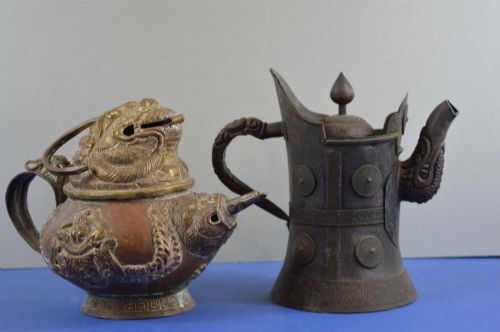
Buyers exploring antique brass metalware encounter a diverse array of utilitarian and decorative objects spanning multiple centuries. The selection encompasses domestic lighting, kitchen equipment, and personal accessories originating from British, European, and Asian workshops.
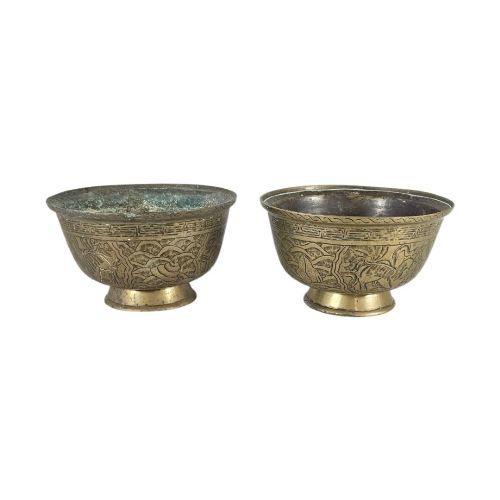
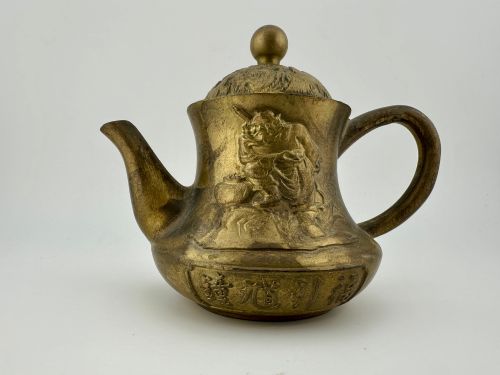
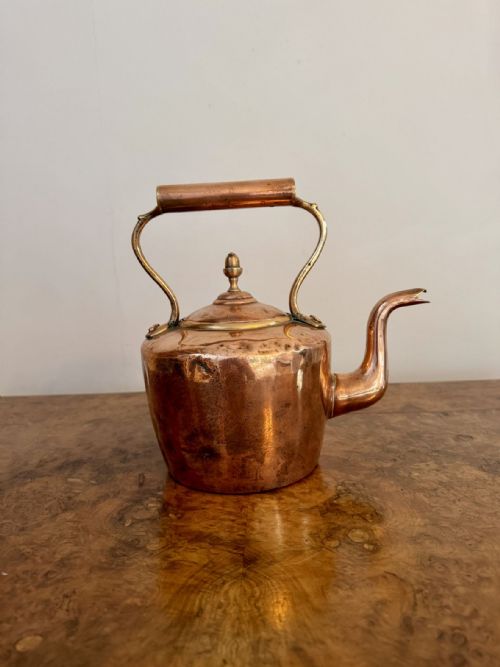
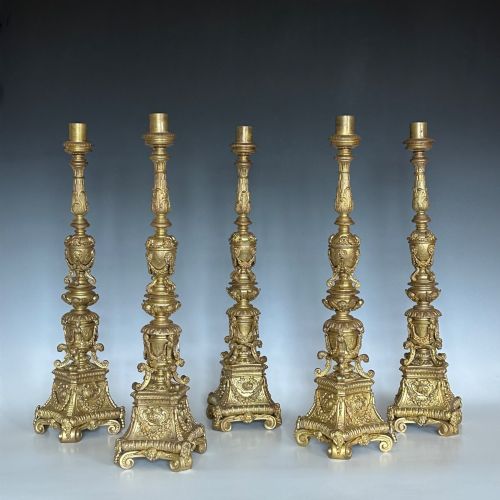
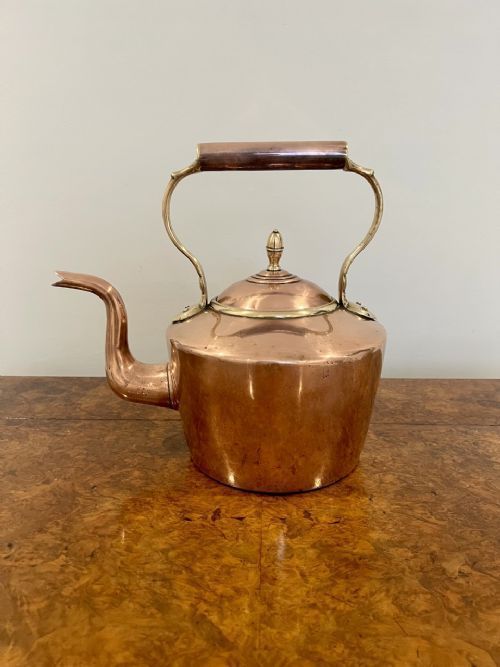
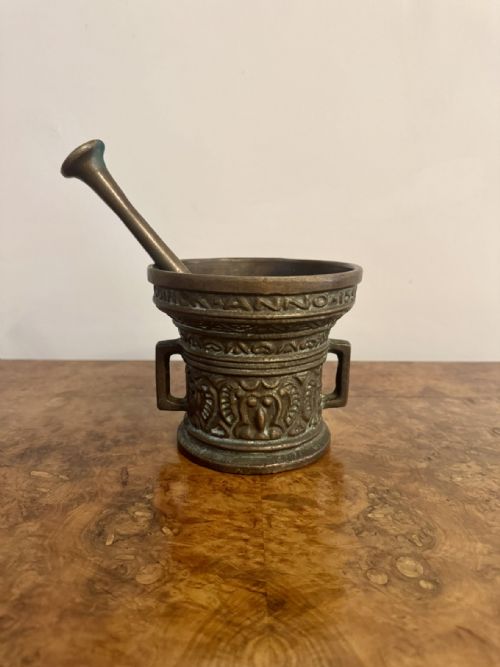
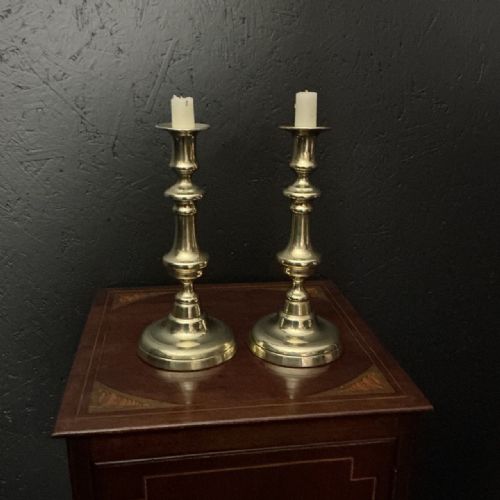
The most common survivals include Georgian and Victorian candlesticks, copper kettles, mortars and pestles, and engraved snuff boxes. Items range from simple kitchen skimmers and spice dredgers to elaborate ceremonial ewers and inlaid bowls.
Pieces frequently reflect the domestic and social habits of past eras, serving practical functions in historic kitchens, pharmacies, and parlours. Surviving examples demonstrate both mass production methods and individual artisan craftsmanship.
How they were made
Items were produced primarily through casting, hand-beating, and sheet metal fabrication using copper, brass, bronze, and iron. Cast components often required lathe-turning to finish profiles on candlesticks, bases, and vessel rims.
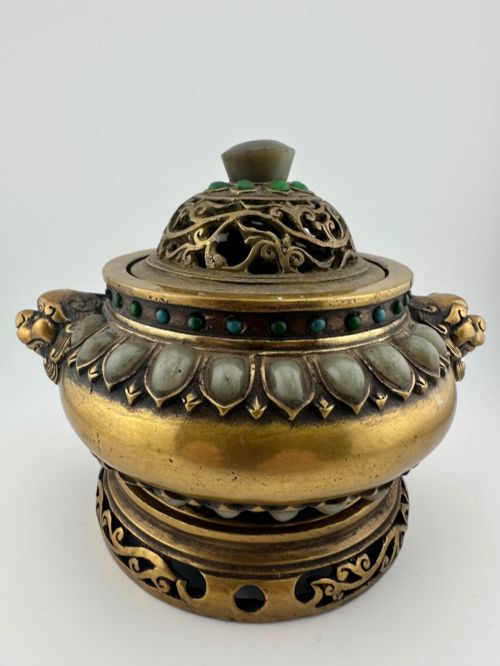
Surface decoration involved techniques such as engraving, punchwork, and silver or hardstone inlay applied to patinated bronze and copper bodies. Iron and steel elements were frequently integrated into functional implements like andirons, herb choppers, and fire-side tools.
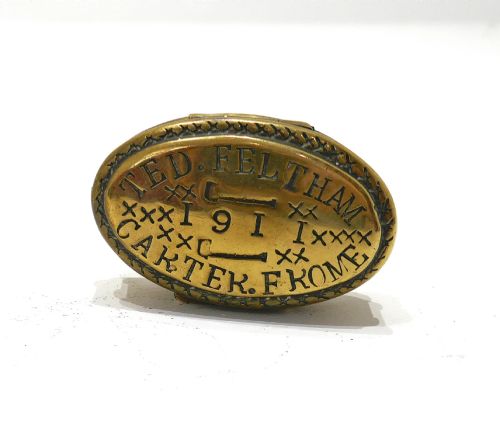
A nineteenth-century brass snuff box records the outbreak of the First World War alongside the name of a proud boiler maker.
What varies in quality
Superior examples display crisp casting details, heavy gauge metal construction, and well-executed hand engraving. Weight and structural substance often differentiate utilitarian items produced for everyday domestic service from finer decorative commissions.
Original patination and minimal structural alteration distinguish well-preserved pieces from heavily polished or restored alternatives. Maker signatures, proprietary stamps, and precise geographical attributions add notable distinction to individual items.
John Linwood of Birmingham·William Soutter And Sons·James Clews
The Antique Brass Metalware Glossary
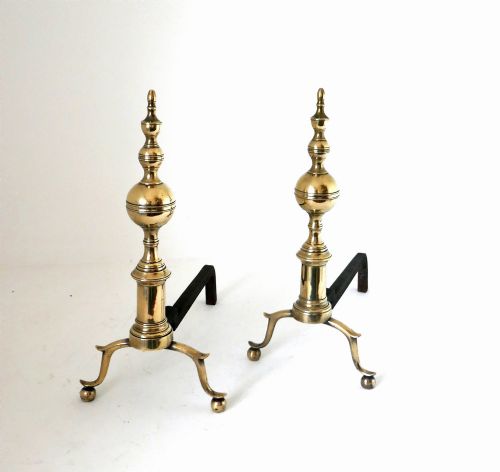
- Andirons
- Horizontal fire dogs supported on legs used to elevate logs in a fireplace. They frequently feature decorative brass finials and wrought iron shafts.
- Cairoware
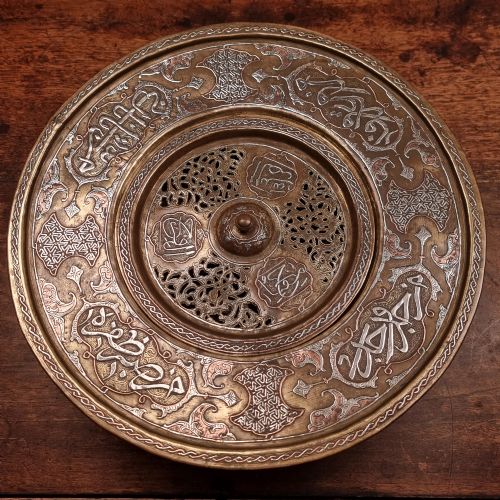
- Metalware inlaid with silver, copper, and gold alloys, typically produced in Egypt and the Middle East during the nineteenth century. These mixed metal pieces often display intricate Islamic geometric patterns.
- Chamberstick
- A portable candlestick fitted with a shallow pan and a handle to catch melting wax. They were carried through dark corridors before the introduction of electric lighting.
- Samovar
- A heated metal container traditionally used to boil water for tea. Large Victorian examples typically incorporate internal chimneys and spigots.
- Snuff box
- A small pocket-sized container used for holding powdered tobacco. Many surviving brass examples feature personalized engravings recording dates, names, or historical events.
Antique Brass Metalware: Frequently Asked Questions
How do I clean antique brass?
Historic metalware accumulates layers of oxidation and handling residues over centuries of use. Preserving the dark patination is standard practice among collectors.
Harsh chemical abrasives strip away the aged surface character. Gentle dusting with a dry cloth remains the preferred maintenance method.
What is a candlestick ejector?
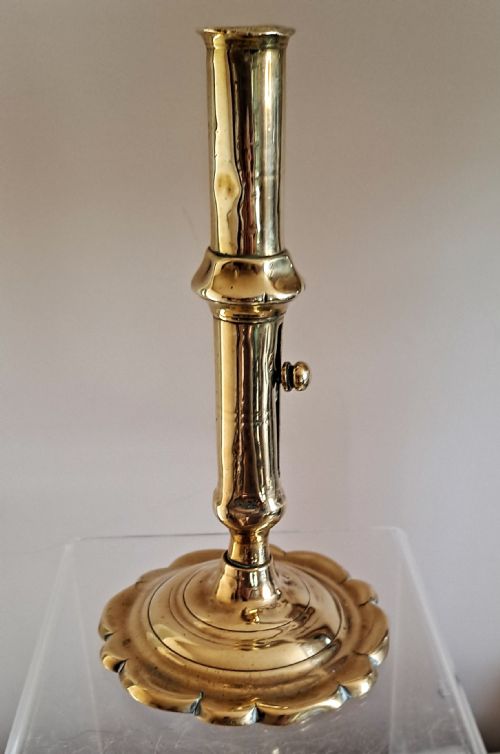
An internal mechanism allows users to push out remaining candle stubs without inverting the holder. Eighteenth-century designs often placed this control on the side.
Side ejectors simplify clearing burned wax from deep sockets. This mechanical feature helps date lighting equipment accurately.
Were copper kettles used daily?
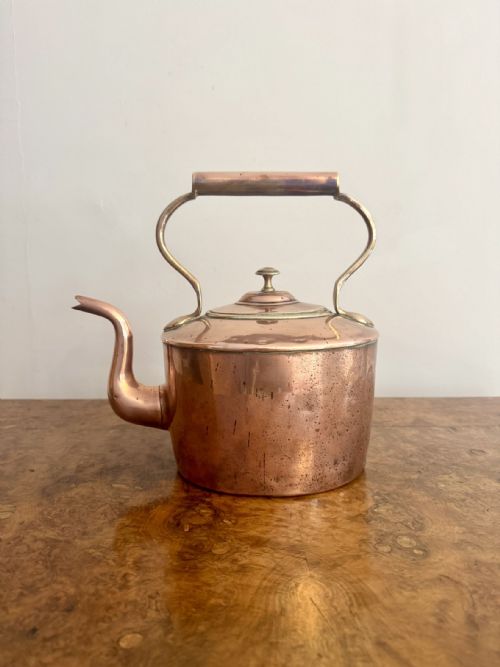
Domestic kitchens relied heavily on heavy-gauge copper vessels for heating water over open hearths. Frequent use resulted in characteristic dents and interior tinning wear.
Surviving examples range from small hearthside pots to large service kettles. Their robust construction ensured survival through generations of culinary work.
How are periods identified?
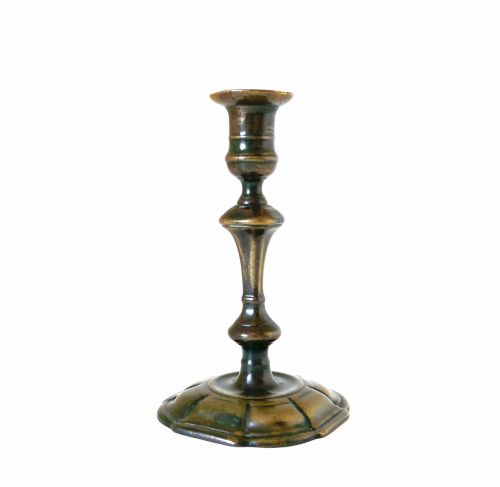
Stylistic shifts in base mouldings, manufacturing marks, and assembly methods reveal an object's age. Georgian items often display petal bases and fine turning.
Victorian pieces frequently utilise heavier stamped components and mixed metal alloys. Comparing physical construction against dated comparative examples confirms eras.