
Antique Brass Kerb
An antique brass kerb organises the hearth, framing the fireplace with metalwork from the nineteenth and early twentieth centuries.
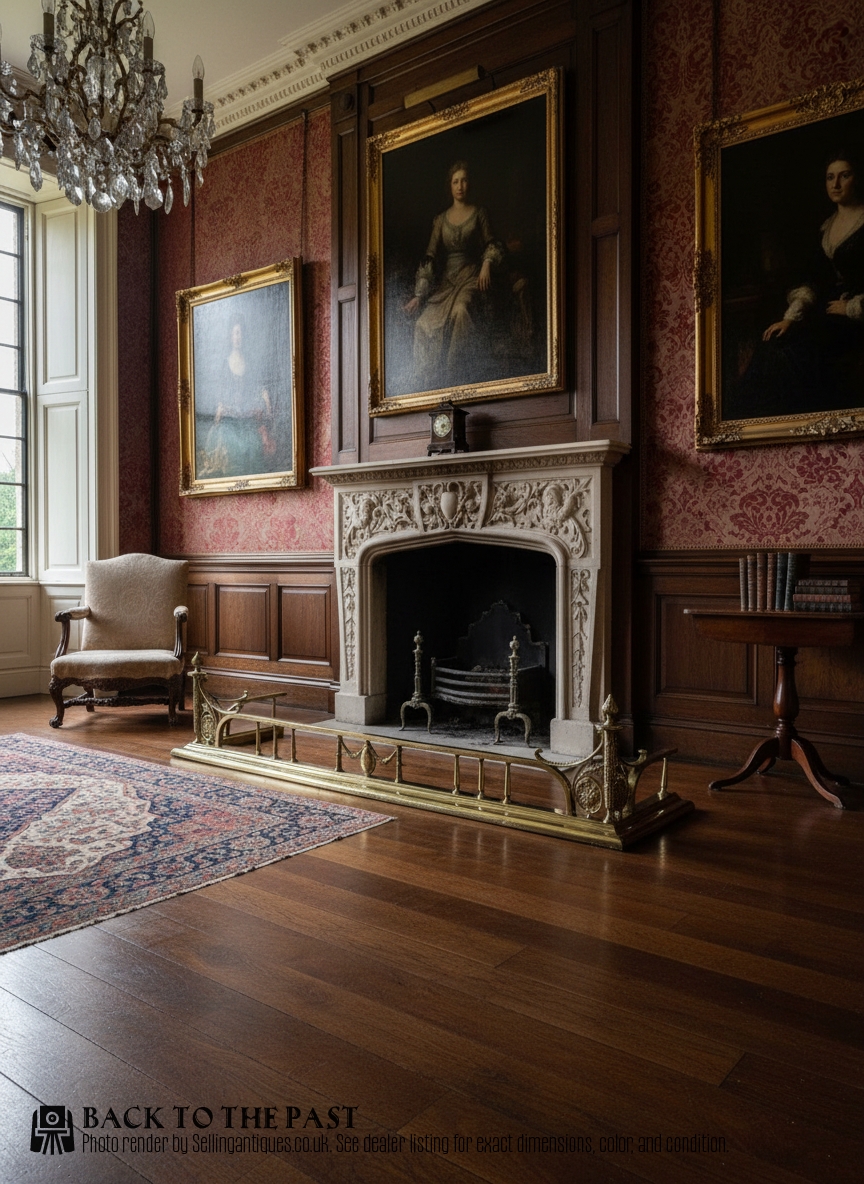
Antique Brass Kerb
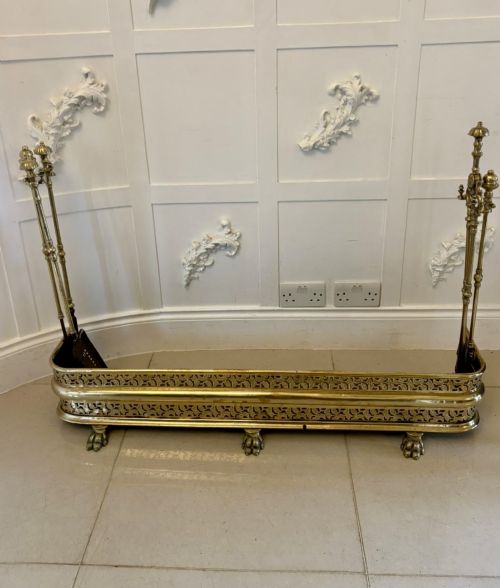
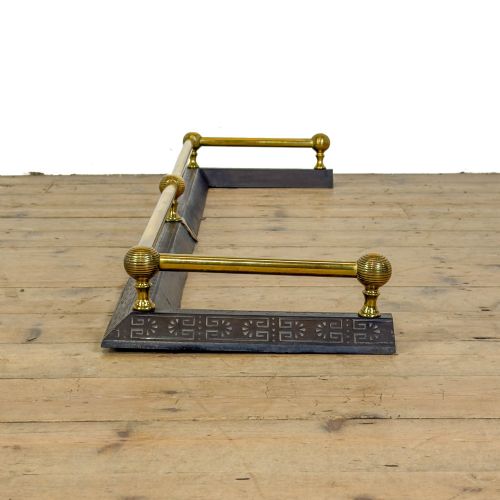
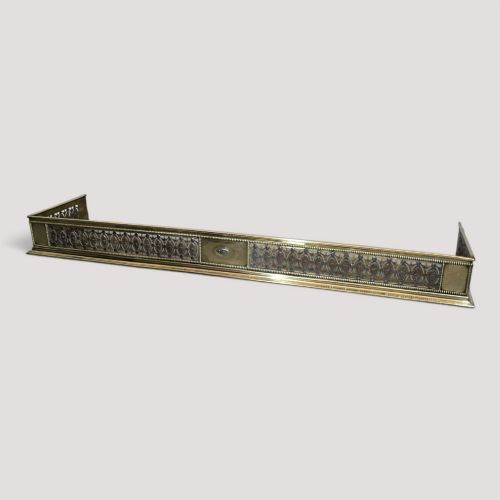
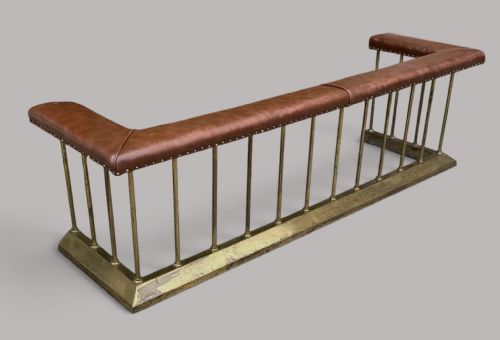
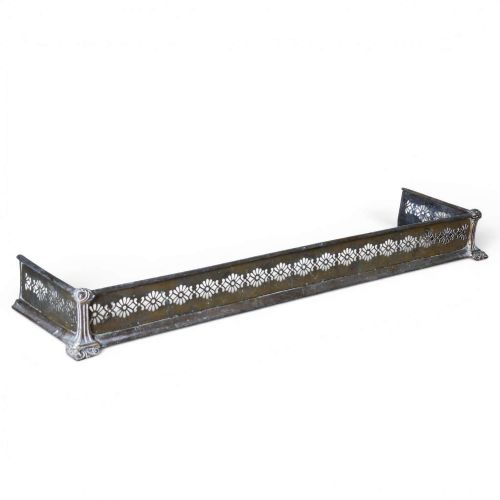
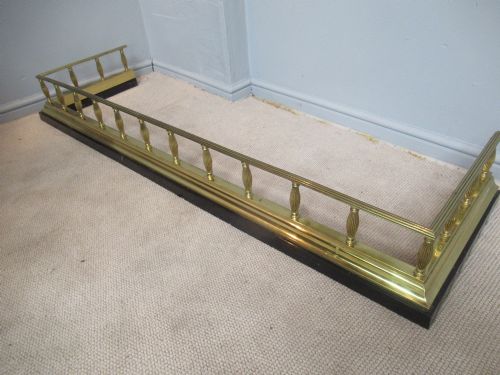
An antique brass kerb protects the hearth while containing embers and ash within the fireplace opening. These hearth surrounds appear mostly in nineteenth century and Edwardian forms, spanning simple pierced plates to substantial club fenders fitted with leather seats.
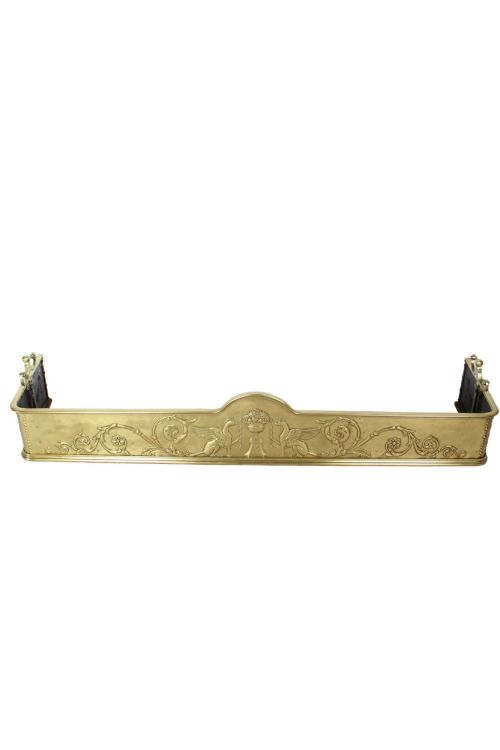
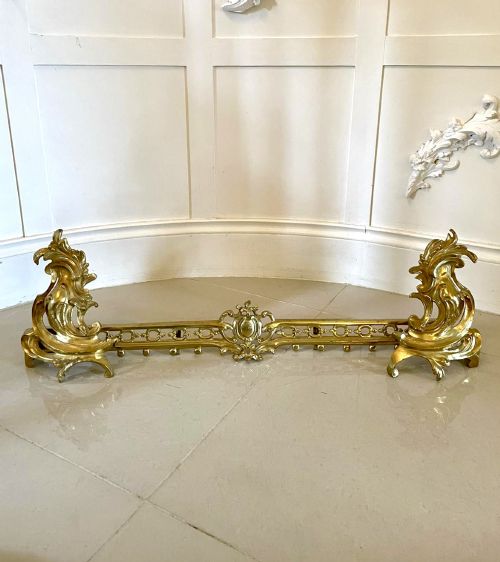
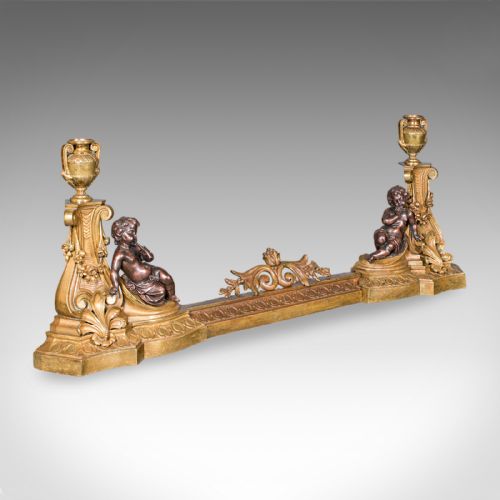
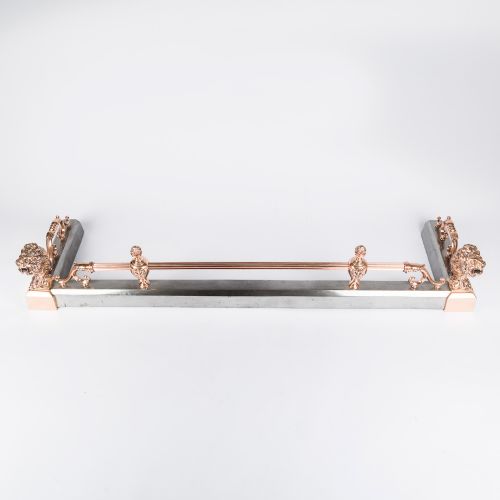
Makers produced these fireplace accessories in varied styles including Victorian, Art Nouveau, Regency and French Rococo. Buyers frequently encounter adjustable brass fenders designed to fit specific hearth dimensions alongside rigid cast iron and steel combinations.
Materials and construction
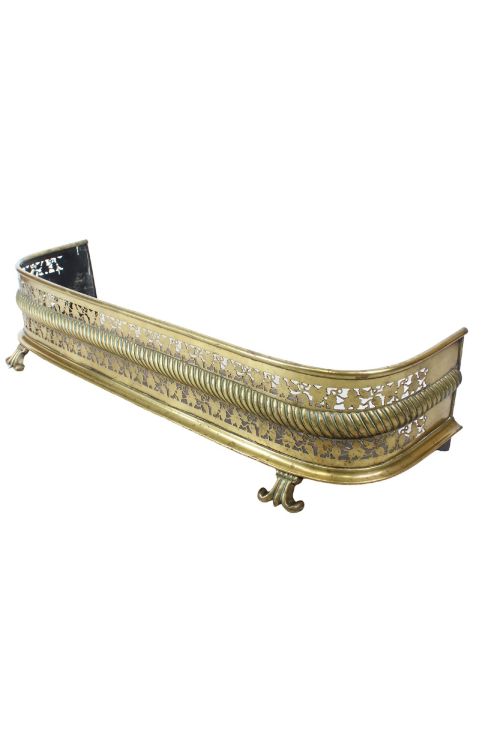
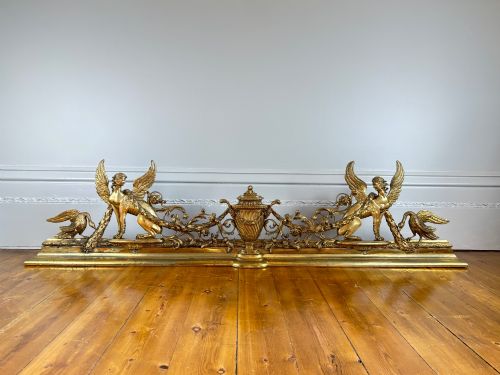
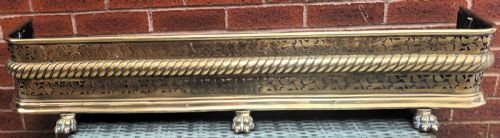
Constructed primarily from brass, iron and steel, these hearth surrounds combine cast or pierced metal components with structural iron frames. Workshops frequently incorporated bronze, ormolu, gilt brass and copper to enrich the decorative mouldings and pierced galleries.
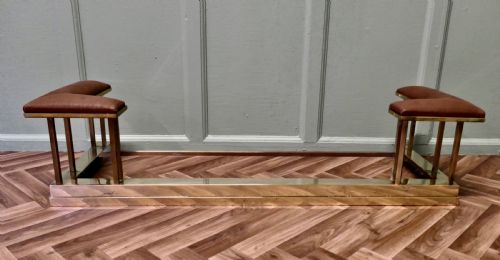
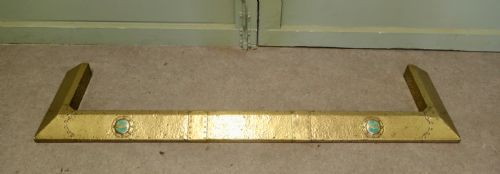
Upholstered club variants integrate mature tan leather seating supported by metal frames, while other examples pair polished brass with cut steel, green enamel cabochons or polychromed details.
Listings include Victorian, Edwardian and Georgian periods alongside French Rococo, Art Nouveau and Art Deco stylistic influences.
Distinction in manufacture
Quality rests upon the weight of the metal and the crispness of the pierced or chased ornamentation. Substantial gauge brass and well-defined casting separate superior examples from lighter production pieces.
The integrity of the structural joints and the retention of original surface patination determine the standing of an individual hearth kerb. Examples retaining matched fire irons or original leather upholstery demonstrate higher integrity.
E F Caldwell New York
The Antique Brass Kerb Glossary
- Club fender
- A hearth surround featuring low upholstered seats on either end, allowing people to sit near the fire. These typically incorporate leather upholstery over a metal frame.
- Fender
- A low metal guard placed in front of an open fireplace to contain falling coals and sparks. They range from simple flat kerbs to ornate extending structures.
- Ormolu
- Gilded bronze applied as a decorative finish to metal fireplace furnishings. The technique creates a rich golden appearance on mounts and details.
- Pierced brass
- Metal sheet perforated with decorative repeating patterns using saws or punches. This technique lightens the visual weight of the hearth surround while displaying intricate designs.
Antique Brass Kerb: Frequently Asked Questions
How do I measure for a brass kerb?
Measure the width and depth of the hearth stone where the surround will sit, accounting for any protruding hearth surrounds or fireplace pilasters. Many period pieces offer extending mechanisms to adjust the overall length.
Take measurements from the outer edges of the floor space rather than the fireplace opening itself to ensure the kerb sits correctly on the hearth.
Were these kerbs used with seats?
Certain fireplace surrounds, known as club fenders, incorporate padded leather seats designed for sitting close to the hearth. Standard kerbs function purely as protective barriers against embers.
The seated variants provide functional fireside seating while containing ash and sparks within the hearth perimeter.
How do I clean antique brass?
Maintain the metal using a soft cloth to remove dust and debris without disturbing the historic surface patina. Avoid aggressive chemical polishes that strip the aged finish.
Preserving the darkened areas within pierced designs helps maintain the visual depth of nineteenth century decorative metalwork.
What indicates a nineteenth century date?
Nineteenth century examples typically display heavier gauge brass, hand-pierced detailing and integrated iron support frames. Stylistic markers such as neoclassical motifs or Victorian proportions help confirm the period.
Construction methods involving hand-cut joinery and heavy cast components distinguish earlier production from later twentieth century manufacturing.