

Antique Brass Handle Oak Chest
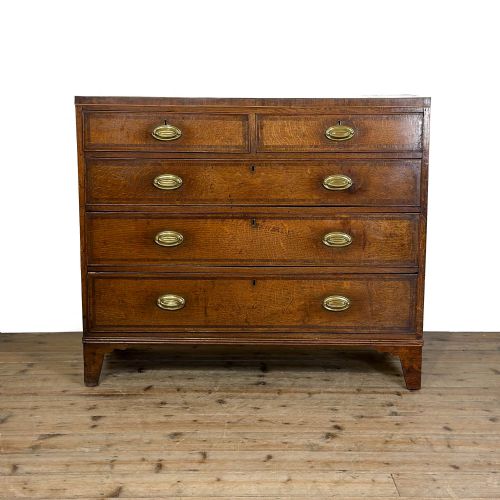
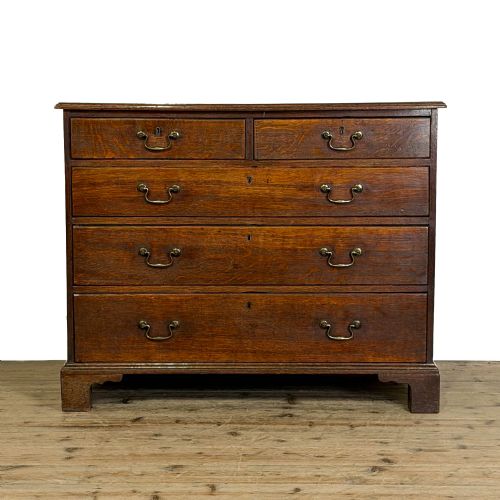
An antique brass handle oak chest delivers enduring domestic storage built from robust timber and fitted with patinated metalwork.
Antique Brass Handle Oak Chest
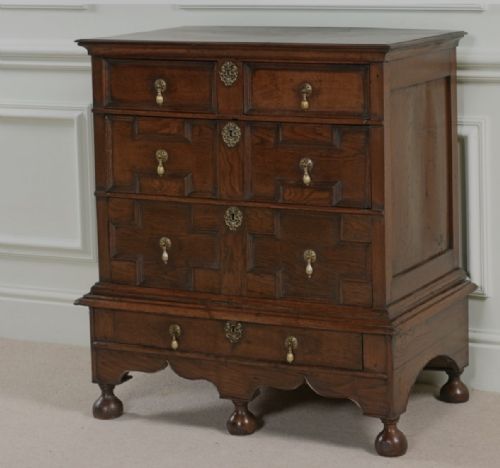
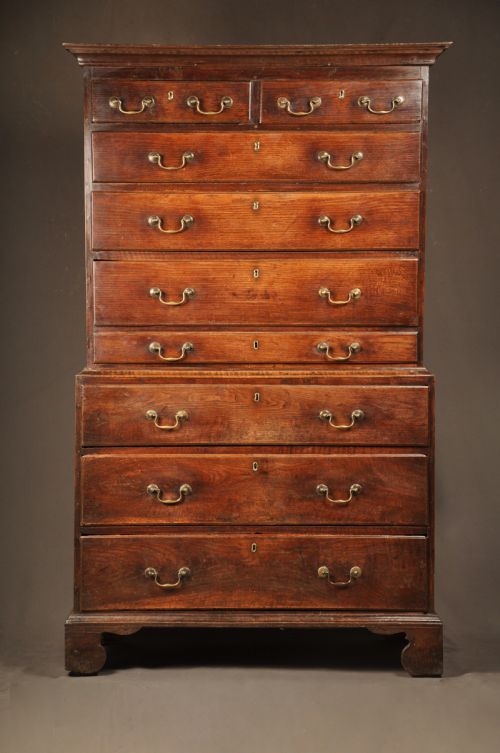
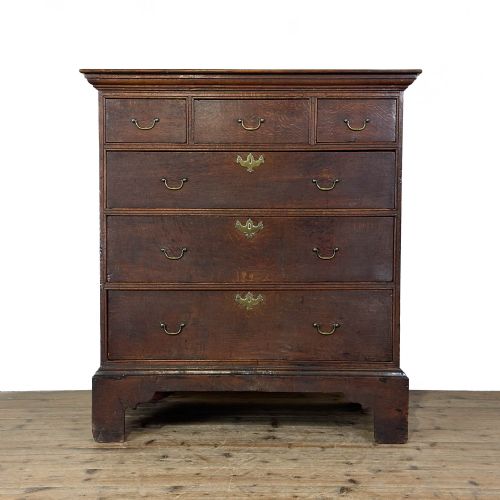
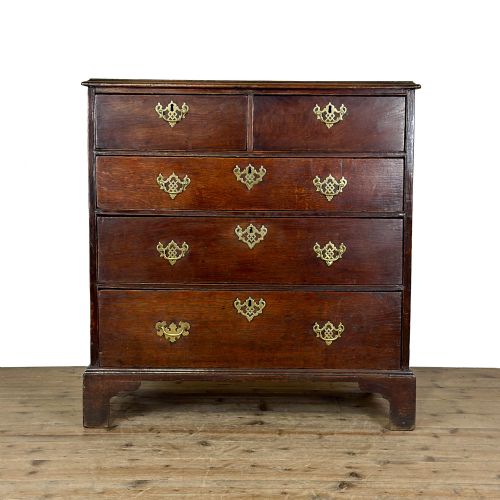
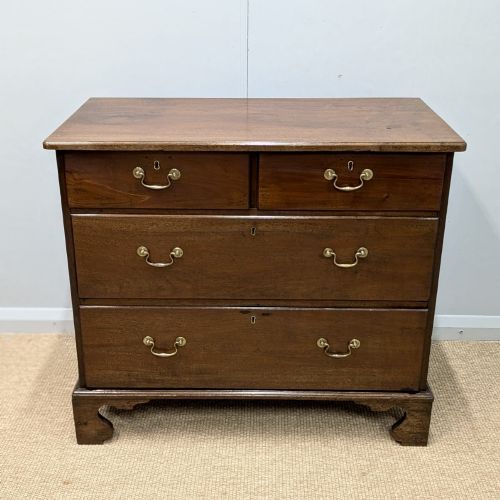
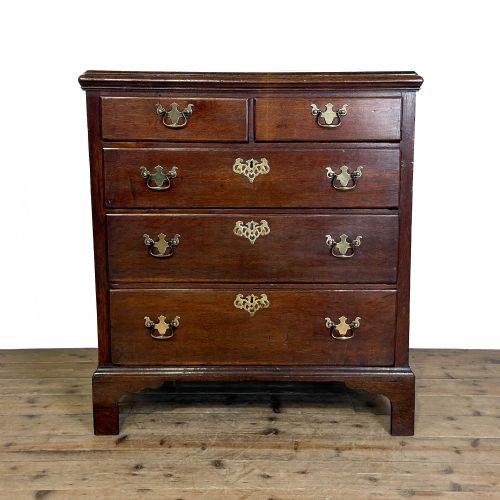
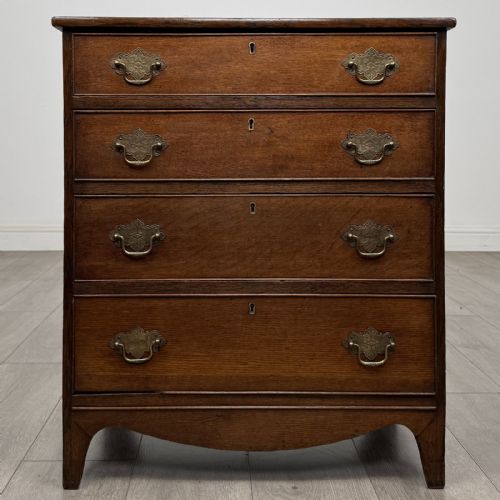
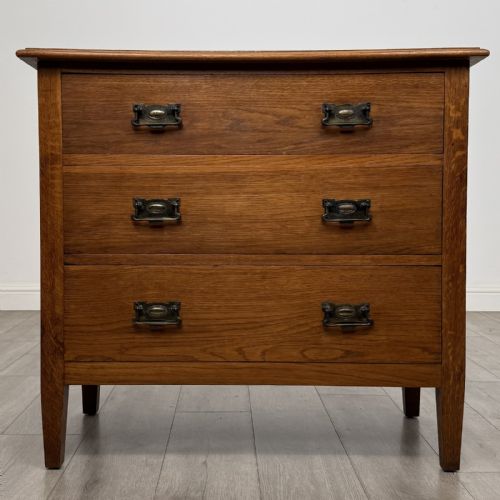
An antique brass handle oak chest typically takes the form of a chest of drawers spanning the seventeenth through to the early twentieth century. Georgian and eighteenth-century examples dominate the selection, bringing substantial timber proportions and functional storage to domestic spaces.
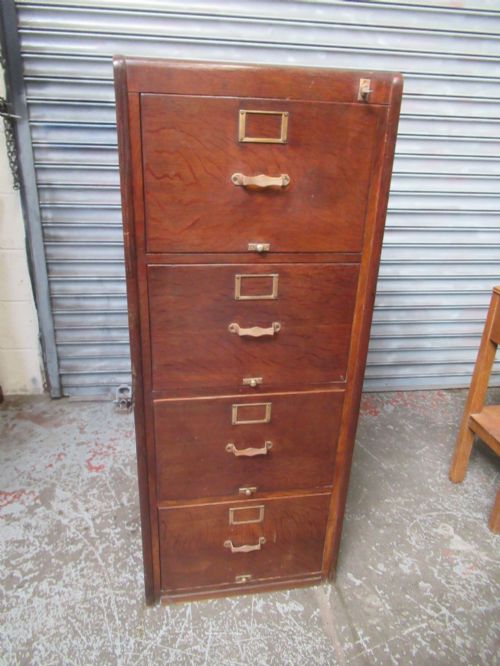
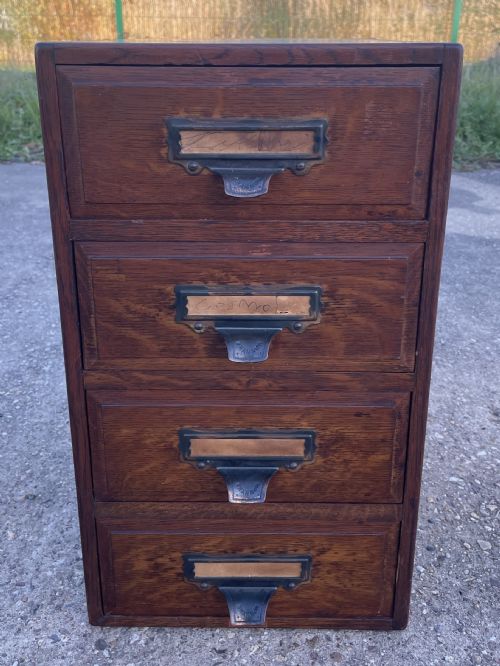
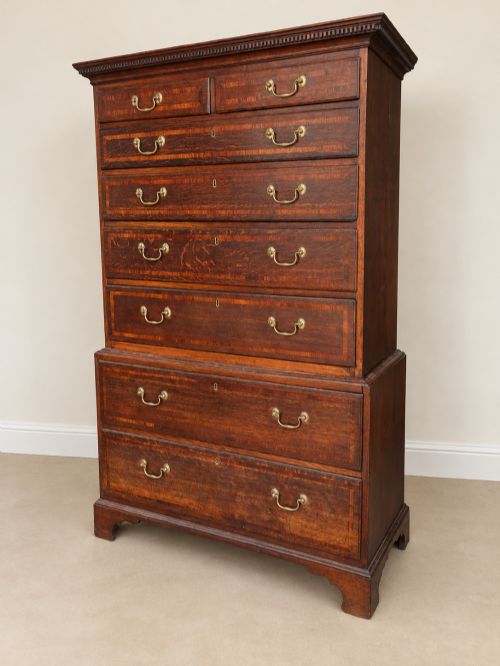
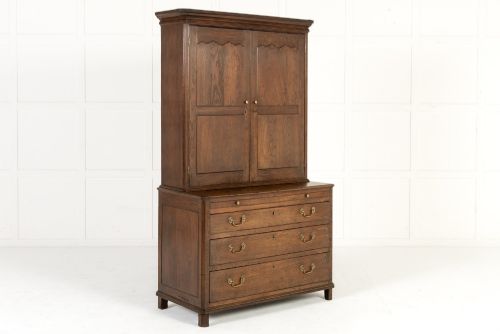
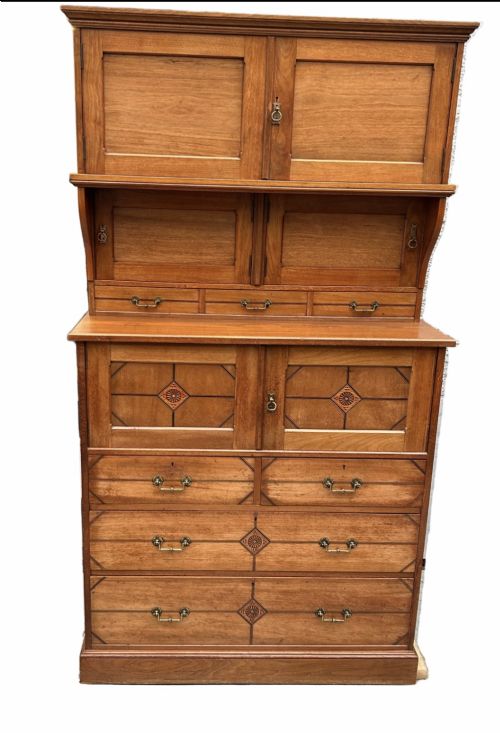
Beyond standard chests, variations include mule chests, tallboys, chests on chests, and specialised filing cabinets. Regional pieces such as Welsh variants and French provincial items also appear alongside compact bachelor chests and aesthetic movement storage cabinets.
The primary structural timber is oak, occasionally paired with mahogany crossbanding, elm, burr elm, or pine elements. These pieces reflect centuries of evolving interior utility, moving from vernacular seventeenth-century construction to refined Georgian proportions and later commercial formats.
Materials and construction methods
Cabinet makers constructed these pieces primarily using solid oak timber, frequently selected for its durability and prominent grain pattern. Secondary woods such as pine and elm appear in internal components, whilst mahogany crossbanding provides decorative border contrast on select Georgian and later iterations.
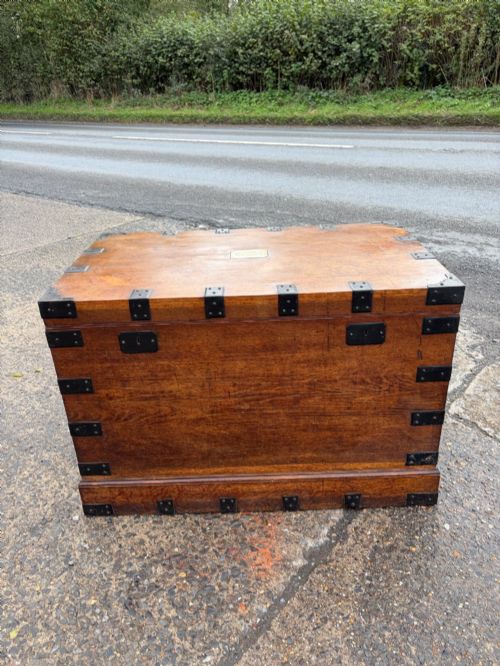
Metal hardware plays a defining structural and visual role, utilising brass for handles, drop pulls, and key escutcheons. Iron brackets and reinforced corners appear on robust utilitarian forms like silver chests, securing the heavy wooden panels together.
Joinery techniques rely on traditional hand-cut joints, panelled construction, and dovetailed drawer boxes designed to withstand daily domestic use. Surfaces often retain original patination, wax finishes, or historical liming applied to enhance the natural grain.
Antique Brass Handle Oak Chest Retail Price Guide 2026
Typical asking prices for brass handle oak chest among the pieces listed under this phrase on Sellingantiques today, from the lower quarter to the upper quarter. They describe what is for sale here now, not the wider market.
Storage forms on this page range from standard Georgian chests of drawers to vertical filing cabinets and mule chests.
Distinguishing quality across periods
Quality in these pieces rests upon timber selection, timber figure, and the preservation of original hardware. Examples featuring figured elm, burr oak, or precise mahogany crossbanding demonstrate superior craftsmanship compared to plain utility items.
The integrity of the construction, including hand-dovetailed drawer linings and original bracket feet or plinth bases, separates standard workshop production from finer cabinet work. Retaining original brass handles and backplates significantly elevates a piece above those fitted with later replacements.
H Ogden of Manchester
The Antique Brass Handle Oak Chest Glossary
- Crossbanding
- A decorative technique where thin strips of veneer, often mahogany, are applied perpendicular to the grain of the primary oak surface to create a contrasting border.
- Bracket feet
- A type of foot used on case furniture, formed by two mitred pieces of wood shaped in an 'L' profile and joined beneath the corners of the chest.
- Tallboy
- A tall chest of drawers made in two sections, typically stacking a narrower set of drawers upon a larger base chest.
- Mule chest
- A traditional storage chest featuring one or two drawers built into the base beneath the main compartment, bridging the evolution between simple trunks and full chests of drawers.
- Escutcheon
- A decorative brass plate fitted around a keyhole to protect the surrounding timber from wear caused by the key.
Antique Brass Handle Oak Chest: Frequently Asked Questions
How do I date an oak chest?
Dating relies on examining construction methods, timber choices, and hardware styles. Hand-cut dovetails, plank thickness, and the design of brass drawer pulls provide key chronological indicators.
Early pieces from the seventeenth century display simpler framing and heavier mouldings, whilst eighteenth-century Georgian items introduce refined proportions and bracket feet.
Were brass handles always original?
Brass hardware frequently suffered damage or replacement over centuries of domestic use. Inspecting the interior of the drawer timber reveals filled holes or shadow marks from earlier backplates.
Original handles exhibit consistent patination and wear patterns that match the age of the surrounding oak chest.
What is a mule chest?
A mule chest combines a traditional lidded storage trunk with one or more lower drawers. This hybrid form gained popularity as domestic storage needs shifted towards compartmentalised organisation.
They served primarily in bedrooms and living quarters to hold linens, clothing, and personal valuables.
How should I care for antique oak?
Maintain oak furniture by applying microcrystalline wax sparingly to nourish the timber and protect the surface finish. Avoid placing pieces near direct heat sources or in fluctuating humidity.
Regular dusting with a soft, dry cloth preserves the historical patination without stripping the natural oils accumulated over centuries.