


Antique Brass Handle Bucket
An antique brass handle bucket serves fireside and interior spaces alike, combining solid metal construction with practical utility for fuel or display.
Antique Brass Handle Bucket
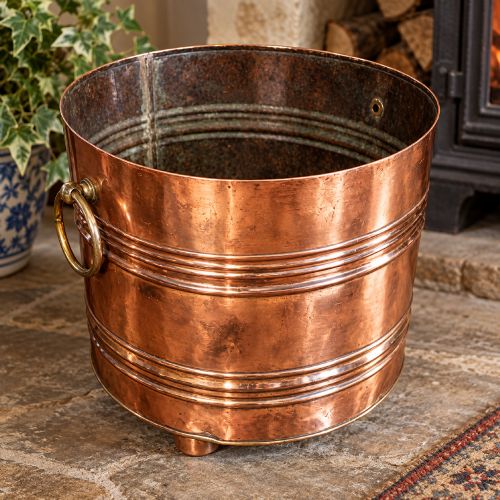
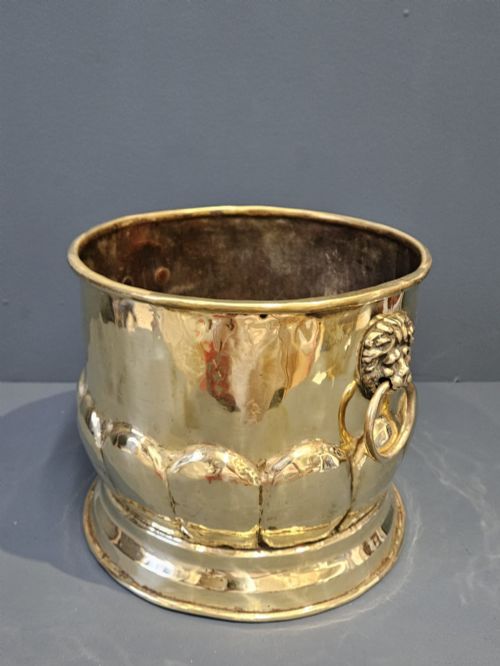
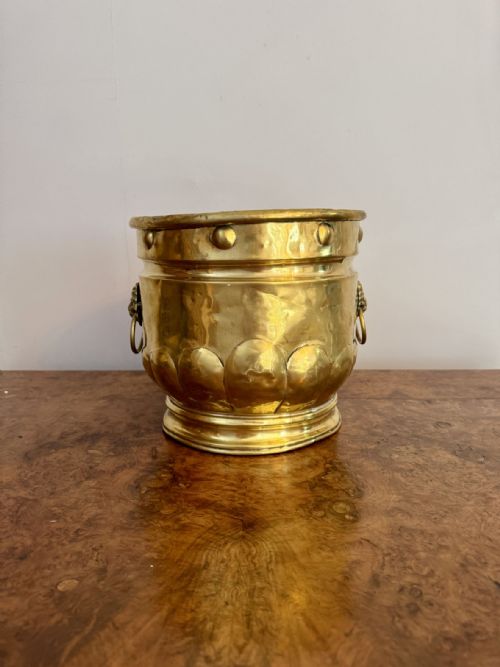
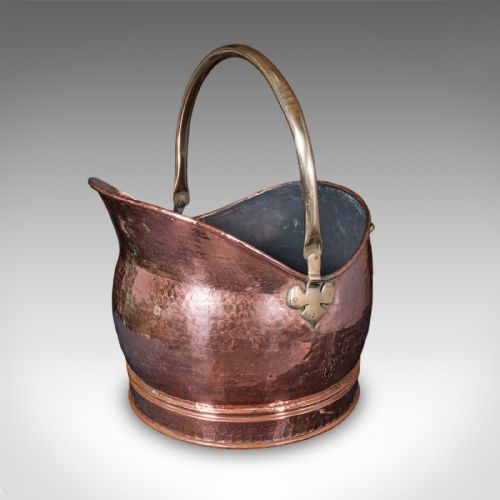
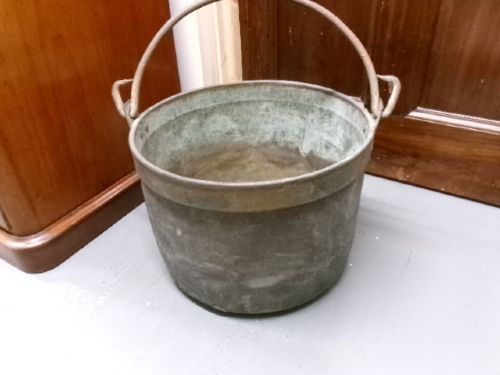
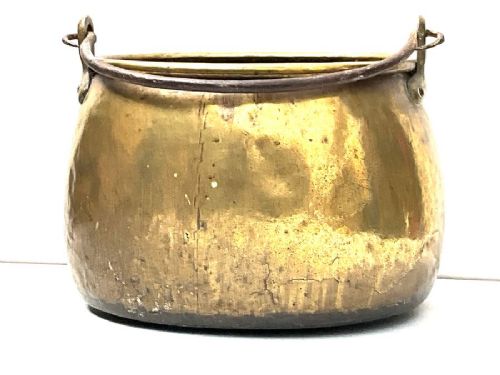
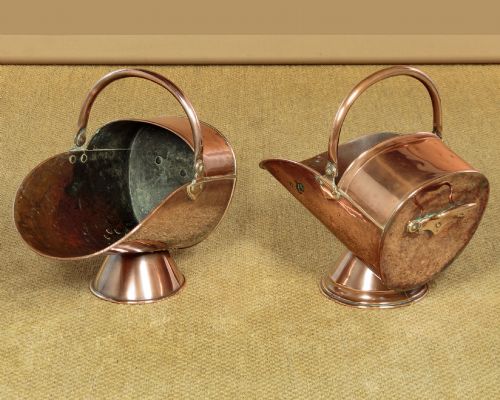
When you search for an antique brass handle bucket, you encounter vessels designed primarily for holding coal, logs, or plants by the hearth. These objects appear in various configurations including coal scuttles, purdoniums, planters, and cauldrons dating from the Georgian and Victorian eras up to the early twentieth century.
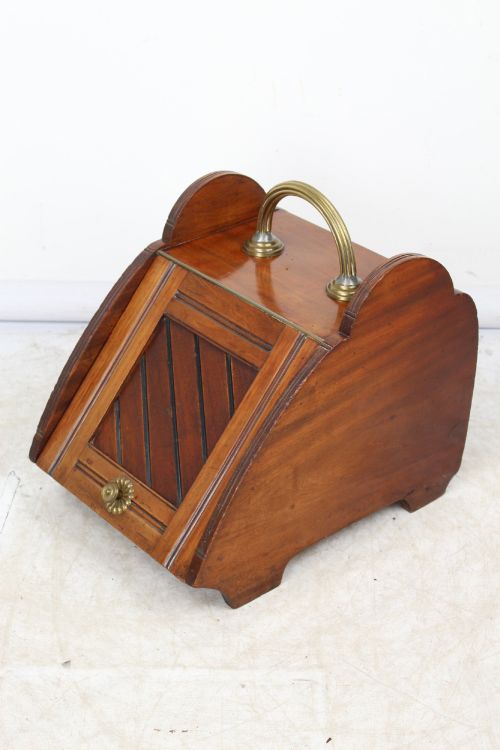
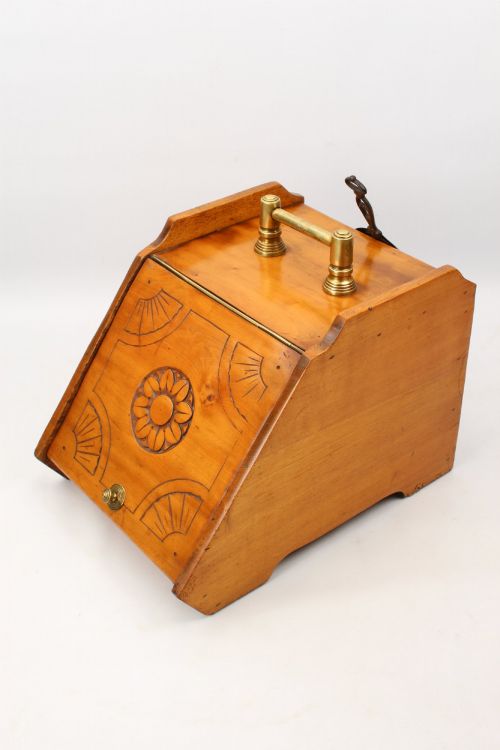
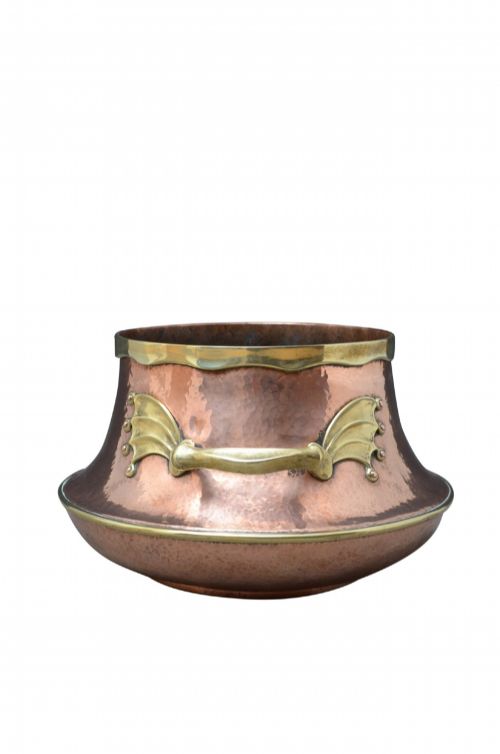
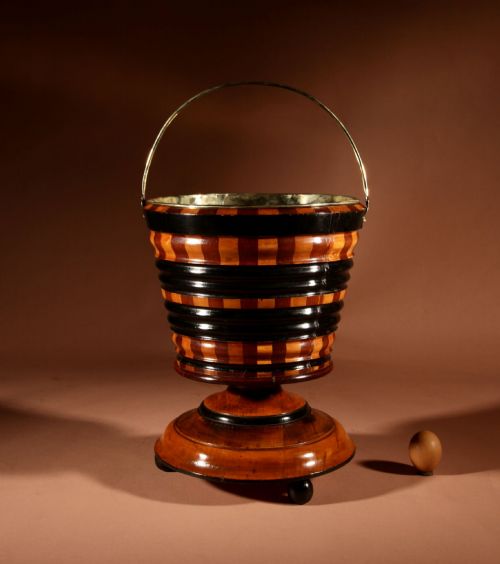
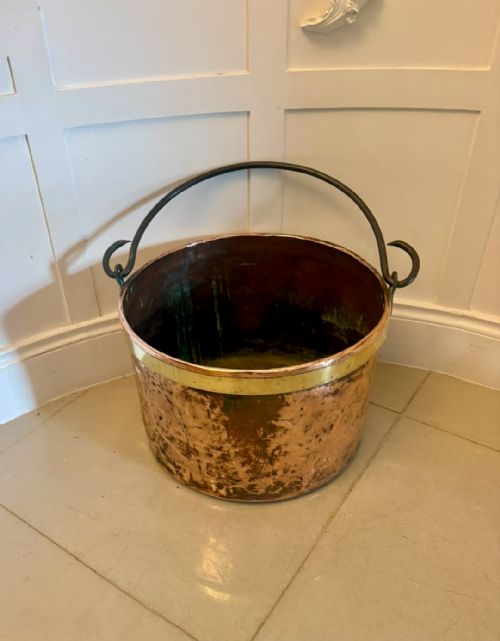
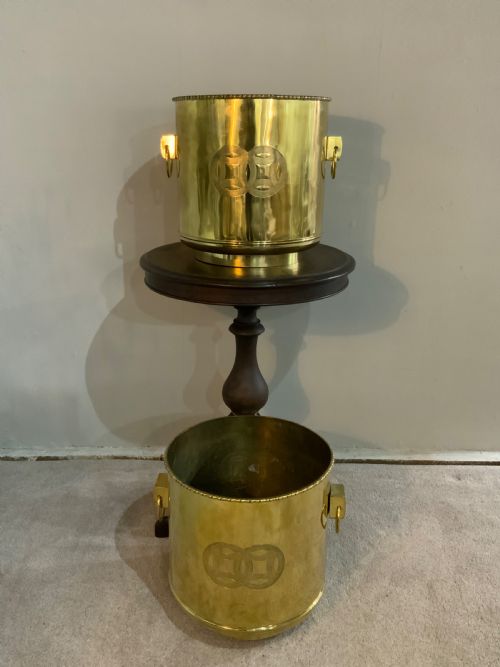
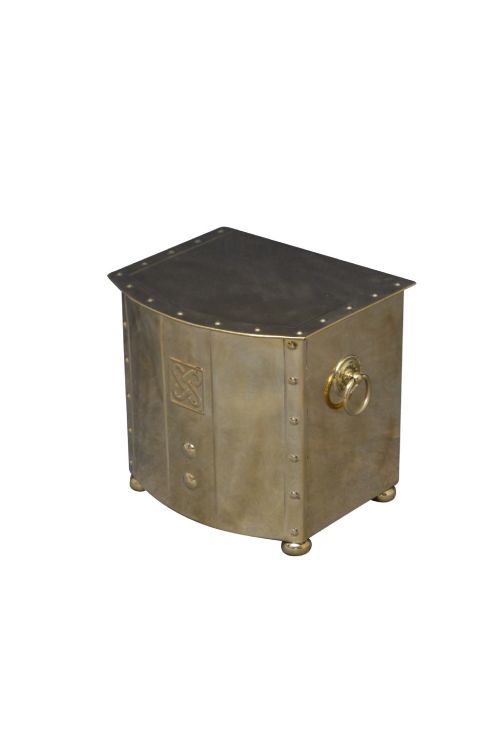
The most common examples on this page are Victorian copper and brass coal buckets featuring swing handles, alongside coopered wooden bins with brass bands. Forms range from helmet-shaped scuttles to cylindrical jardinières and lidded boxes intended for domestic fuel storage or indoor planting.
Origins span English, French, Dutch, and Asian workshops, reflecting diverse regional domestic traditions in metalwork and cooperage. Each form addresses a specific domestic function, from carrying peat to displaying cut flowers or champagne.
Materials and construction methods
Makers constructed these vessels primarily from sheet copper and brass, often combining both metals to create contrast between body and rim. Iron and wrought iron frequently appear in handles, internal liners, and structural mounts to add necessary weight and rigidity.
Woodworking techniques such as cooperage join staves of mahogany, oak, or walnut, which are then secured by heavy brass hoops or binding. Metal bodies often show hand-finishing, hammer marks, and riveted seams joining the base to the cylindrical or helmet-shaped wall.
Listings feature items from the eighteenth, nineteenth, and early twentieth centuries, incorporating materials like mahogany, oak, copper, and wrought iron.
Factors determining quality
The distinction between standard domestic vessels and superior pieces rests on the weight of the metal and the integrity of the construction. Heavier gauge brass and thick copper retain their shape under heavy loads of coal or wet earth, whereas lighter sheet metal dents and flexes easily.
Execution of detail defines the finer examples, from dovetailed joints in wooden boxes to crisp handle mountings and hand-hammered surfaces. Pieces retaining original shovels, ceramic or brass liners, and uncompromised structural fixtures stand apart from modified or heavily restored equivalents.
William Soutter & Sons
The Antique Brass Handle Bucket Glossary
- Coal scuttle
- A container designed to hold coal near a fireplace, typically featuring a wide mouth and a hinged or fixed handle for transport. Scuttles often take a helmet shape to facilitate pouring fuel onto a fire.
- Jardiniere
- An ornamental pot or stand designed to hold plants or flowers indoors. These vessels are frequently made of brass or copper and placed on floors or tables.
- Coopered
- Made by a cooper using shaped wooden staves bound together with metal hoops. This technique is common in antique buckets, tubs, and barrels.
- Purdonium
- A specialised Victorian coal box featuring a sloping front door and a built-in internal metal liner to contain fuel. They often incorporate a small compartment for a matching shovel.
- Cellarette
- A lockable container used for storing wine bottles near the dining table. Many examples feature metal linings and brass carrying handles.
Antique Brass Handle Bucket: Frequently Asked Questions
What was a brass handle bucket used for?
These vessels served primarily to transport and store solid fuel such as coal, logs, or peat for domestic fireplaces. Households also utilised them as planters, indoor jardinières, or wine coolers.
Over time, changing heating methods transformed their function from utilitarian coal carriers to decorative interior accessories.
How do I clean antique brass and copper?
Maintenance typically requires only dusting with a soft cloth to preserve the accumulated patina developed over decades of handling. Aggressive metal polishes strip away the aged surface character that collectors value.
If cleaning is necessary, mild soapy water removes surface grime without harming the underlying metal or wood.
Are these buckets waterproof?
Metal bodies are generally watertight, though riveted seams and older soldered joints can develop minor seepage over long periods. Wooden coopered examples rely on tight staves and internal liners to hold moisture.
Using a plastic or metal liner inside wooden bins protects the antique structure from water damage when used as a planter.
How do I date an antique bucket?
Dating relies on stylistic clues, construction methods, and materials characteristic of specific periods like the Georgian or Victorian eras. Hand-hammered seams, dovetail joints, and specific brass mount designs offer chronological markers.
Maker marks, where present, provide definitive evidence of the workshop or foundry of origin.