


Antique Brass Gallery
Antique brass gallery pieces bring a distinct architectural polish to furniture, protecting surfaces with finely pierced metal rims.
Antique Brass Gallery
An antique brass gallery is an ornamental or retaining metal rail fitted to the perimeter of tables, trays, desks, and cabinets. These fixtures elevate everyday functional furniture into decorative centrepieces.
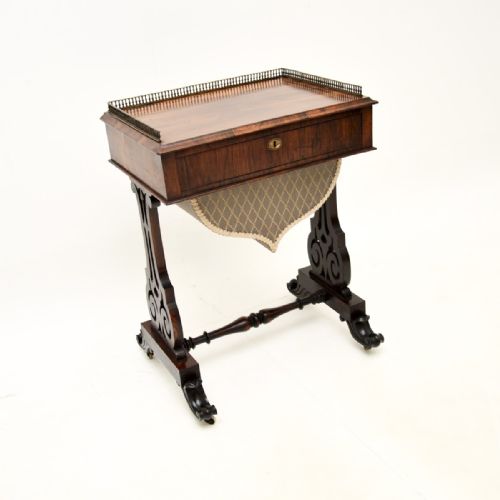
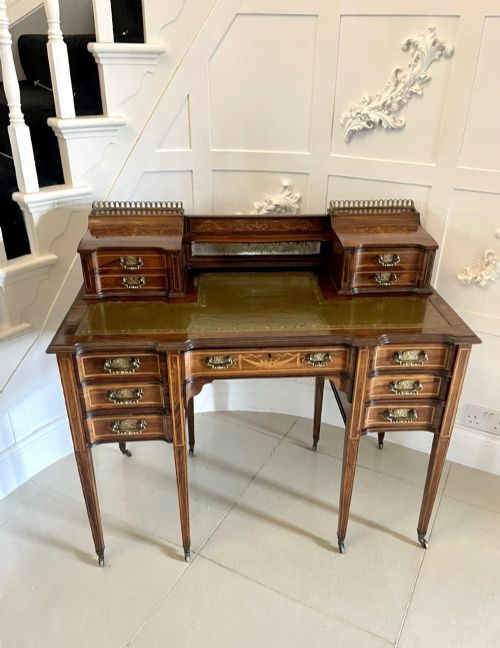
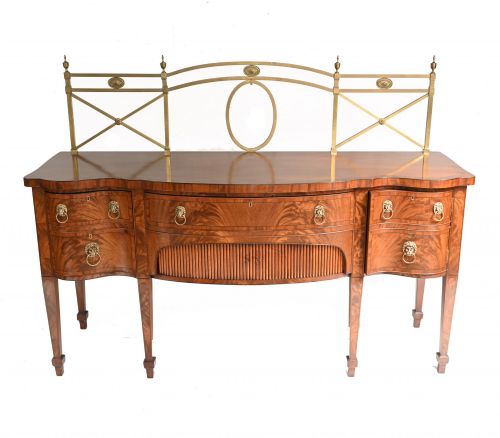
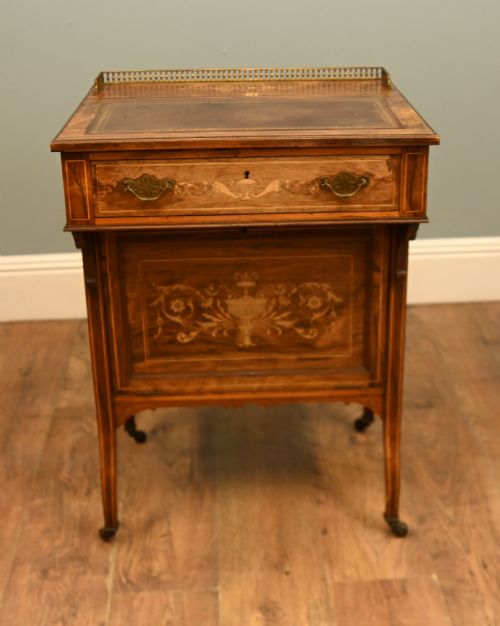
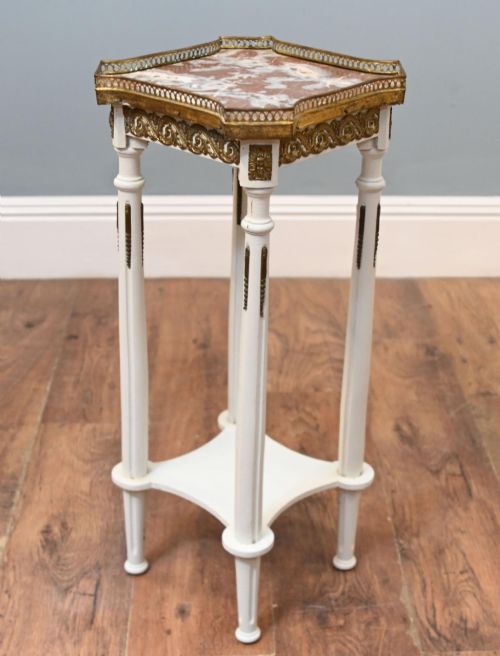
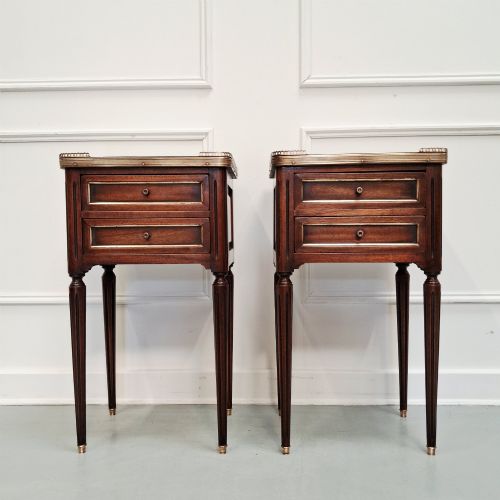
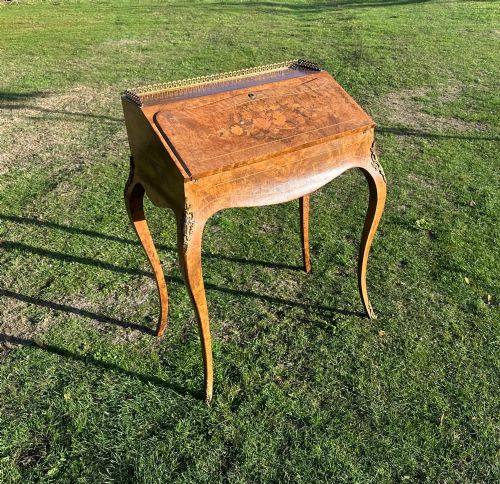
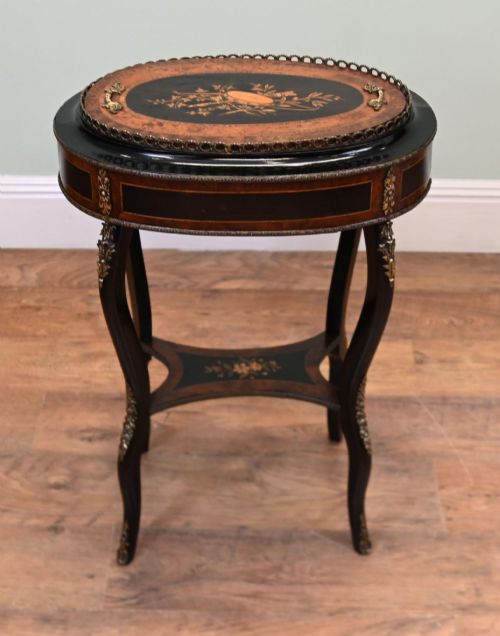
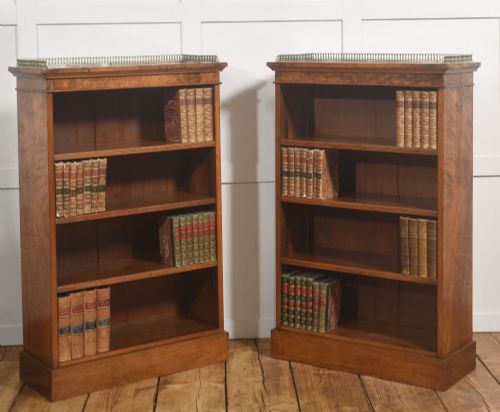
Buyers searching for an antique brass gallery encounter diverse forms, with occasional tables, writing desks, serving trays, and bedside cabinets appearing frequently across the listings. Mahogany, rosewood, and satinwood provide the primary timber foundations for these pieces.
The objects span multiple periods, ranging from Regency and Victorian eras through to Edwardian and later twentieth-century French designs. Such variety ensures that these items integrate smoothly into both period interiors and modern spaces.
Materials and construction methods
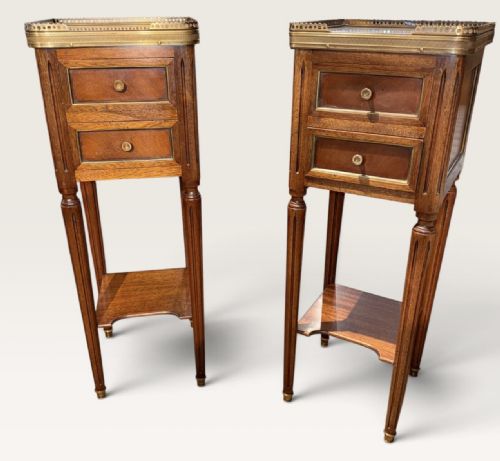
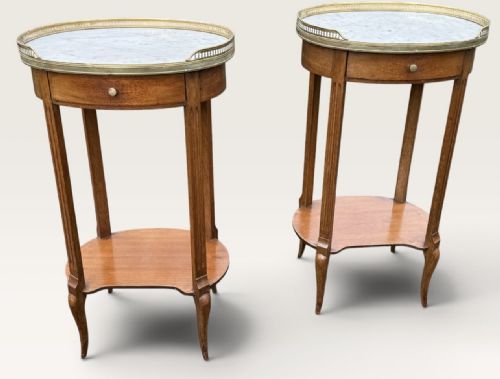
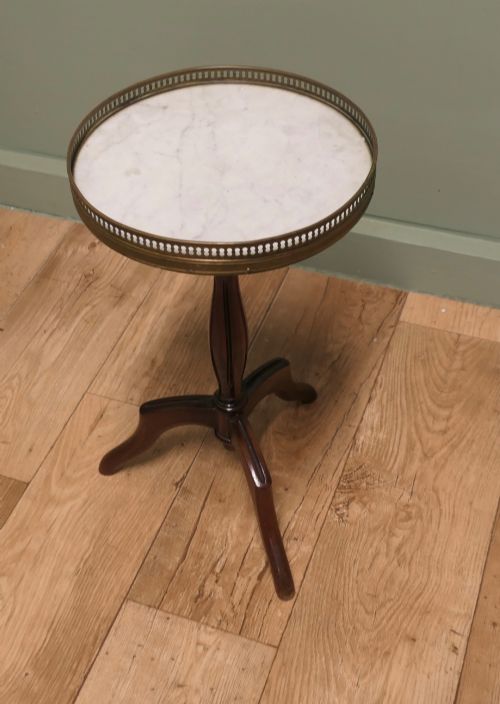
Makers constructed these pieces using dense hardwoods like mahogany, rosewood, and satinwood, often embellishing the timber with contrasting stringing and intricate marquetry or parquetry. Marble inserts also appear atop French bedside cabinets, paired directly with pierced metal surrounds.
The metal galleries themselves were cast or pierced from brass, then secured along the upper edges of shelves, trays, and tabletops using small pins or screws. Joinery techniques reflect the period of manufacture, from traditional hand-cut dovetails in drawers to sturdy structural framing in larger writing tables and bookcases.
Antique Brass Gallery Retail Price Guide 2026
Typical asking prices for brass gallery among the pieces listed under this phrase on Sellingantiques today, from the lower quarter to the upper quarter. They describe what is for sale here now, not the wider market.
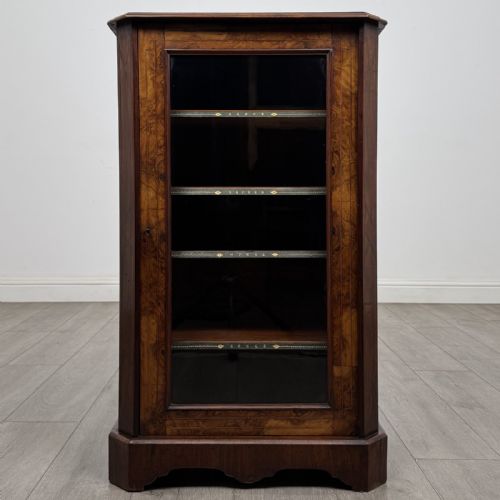
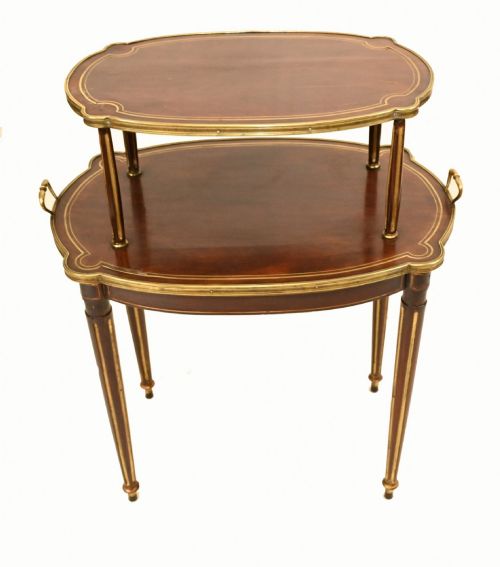
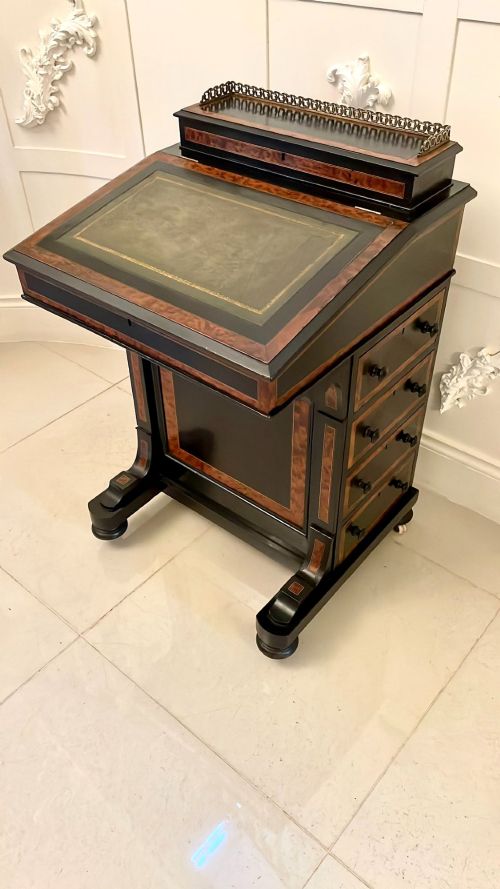
Object forms include occasional tables, Davenport desks, serving trays, pendant lights, and bedside cabinets with inlaid marble tops.
Separating top-tier examples from standard items
Quality rests heavily on the crispness of the metalwork and the depth of the timber grain. Finer galleries exhibit sharp, clean piercing and secure fixing, while superior wood surfaces display rich, unblemished figuring and subtle crossbanding.
Maker attribution elevates certain pieces significantly. Workshops such as Gillows and Maple and Co. applied rigorous standards to both internal construction and exterior decoration, resulting in pieces with superior longevity and balance.
Gillows·Maple and Co.·Maison Millet
The Antique Brass Gallery Glossary
- Gallery
- A raised ornamental railing or balustrade fitted to the edge of a shelf, table, or tray to prevent items from sliding off.
- Marquetry
- Decorative veneer work forming pictorial or geometric patterns using various woods and other materials applied to a solid carcase.
- Davenport
- A compact writing desk featuring a sloped, hinged writing surface above a pedestal of drawers.
- Crossbanding
- A strip of veneer running perpendicular to the grain of the main surface, creating a distinct border frame.
- Parquetry
- Geometric mosaic woodwork used for floors or furniture surfaces, similar to brickwork or basketweave patterns.
Antique Brass Gallery: Frequently Asked Questions
What is a brass gallery used for?
A brass gallery serves both a practical and decorative purpose on furniture. It acts as a low fence to keep items secure on moving trays or tabletops.
On desks and cabinets, the metal rim adds a refined metallic accent that frames the underlying wood or marble surface.
How do I clean brass galleries?
Cleaning requires a soft cloth and mild soapy water to remove dust from the intricate pierced sections. Avoid harsh metal polishes that might stain the surrounding timber or veneer.
Gentle maintenance preserves the aged patina without wearing down the original brass surface.
Which woods match brass galleries?
Deep red and brown timbers like mahogany, rosewood, and walnut provide a traditional contrast to polished brass. Lighter satinwood and maple also pair effectively with the metalwork.
Inlaid details and contrasting borders often enhance the visual interplay between the wood and the brass rim.
Are these pieces French or English?
The listings include both English cabinetmakers and French workshops. English pieces often feature Regency and Victorian mahogany or satinwood construction.
French pieces frequently showcase bedside cabinets and side tables utilising kingwood or marble tops paired with Louis XVI revival styles.