
Antique Brass Dish
When you handle an antique brass dish, you are holding centuries of metalworking skill, decorative trade and domestic ritual in the palm of your hand.
Antique Brass Dish
An antique brass dish encompasses everything from heavy circular church vessels and engraved Islamic metalware to domestic trays and decorative plaques. When searching for an antique brass dish, collectors encounter pieces spanning several centuries, featuring forms intended for display, dining or ceremonial use.
The objects on this page bridge domestic utility and ornamental display, reflecting global trade and stylistic revivals from the sixteenth century onwards. Buyers frequently encounter nineteenth-century production alongside earlier continental European metalwork and Middle Eastern inlaid examples.
Materials and construction methods
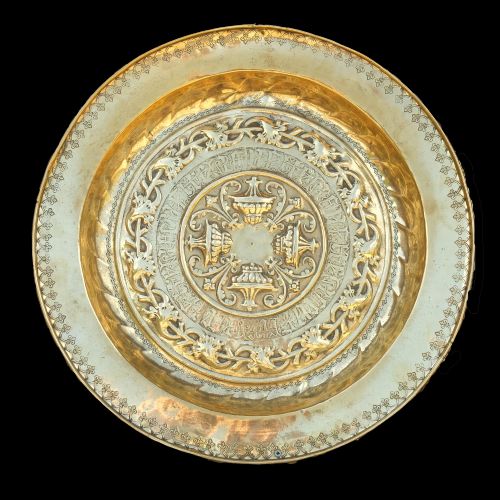
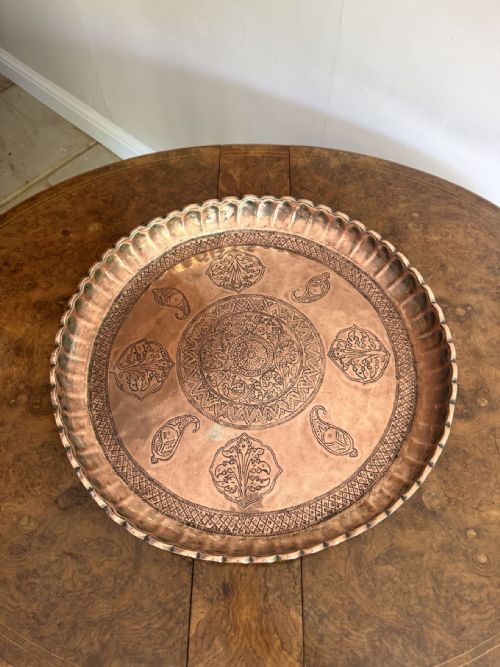
Makers shaped these pieces primarily through hammering, casting and spinning yellow metal alloys, often combining brass with copper, bronze and silver inlay. Nuremberg alms dishes and Middle Eastern bowls demonstrate intricate repoussé and punchwork techniques executed by hand.
Surface decoration frequently involves engraved detailing, mixed metal applications and contrasting patination, yielding durable household objects designed to withstand generations of handling.
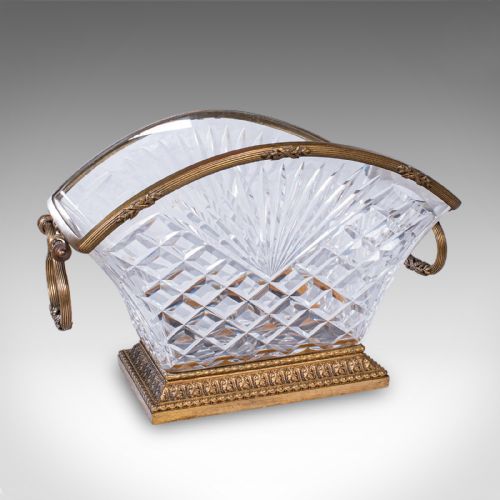
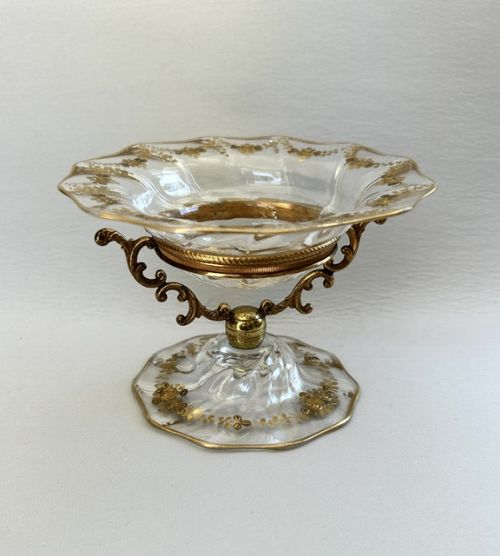
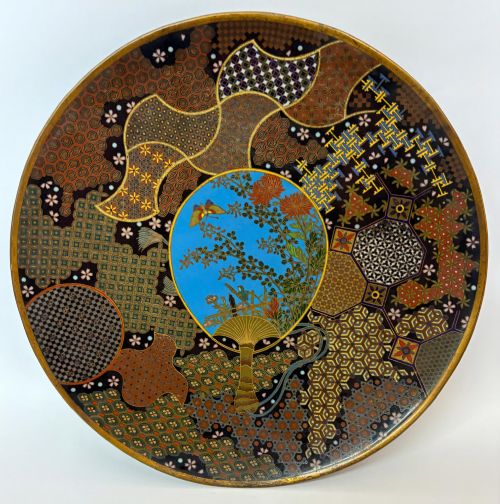
Listings feature pieces spanning the 16th century through the Art Deco era, encompassing brass, copper, silver inlay and cut glass.
Factors that define superior examples
Quality rests upon the crispness of the chased or punched decoration, the original weight of the metal and the integrity of the surface patination. Early European alms dishes and Middle Eastern mixed metal bowls achieve distinction through the depth of relief and the precision of their hand-cut inscriptions.
Pieces that retain their unpolished surfaces and crisp detailing demonstrate superior craftsmanship compared to heavily worn or over-cleaned later counterparts.
The Antique Brass Dish Glossary
- Alms dish
- A shallow metal vessel traditionally used for collecting church donations or displaying wealth, often featuring embossed biblical or floral motifs.
- Cairoware
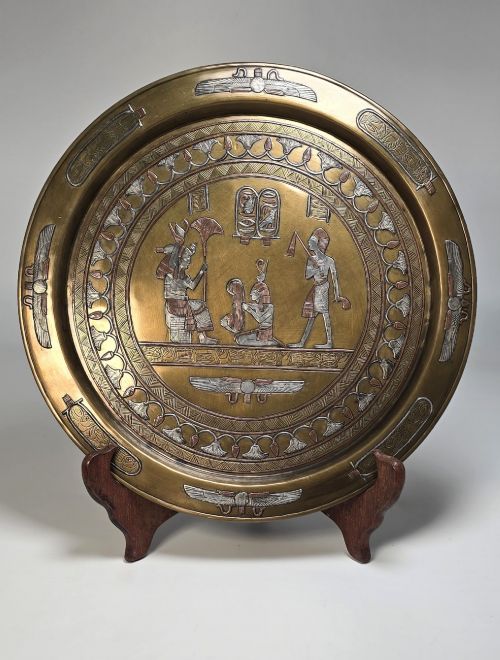
- Nineteenth-century Middle Eastern metalwork featuring intricate silver and copper inlay upon a brass or bronze ground, produced largely for the European export market.
- Repoussé
- A metalworking technique where the artisan hammers the design from the reverse side to form a raised pattern on the front.
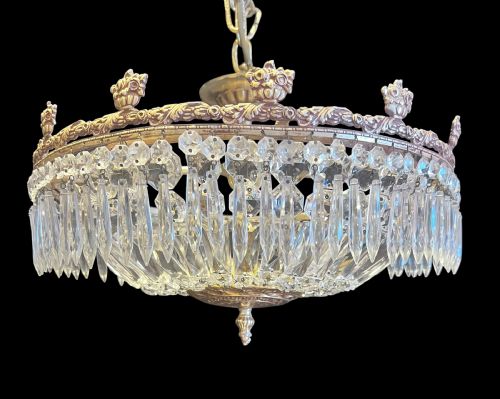
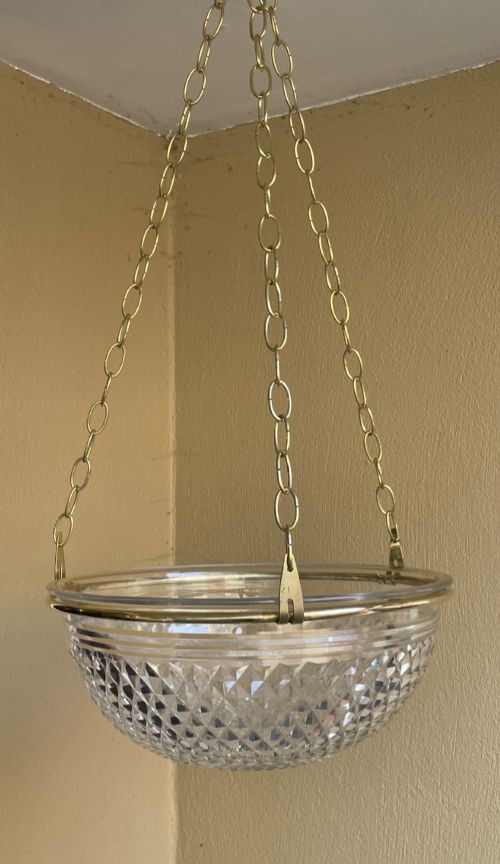
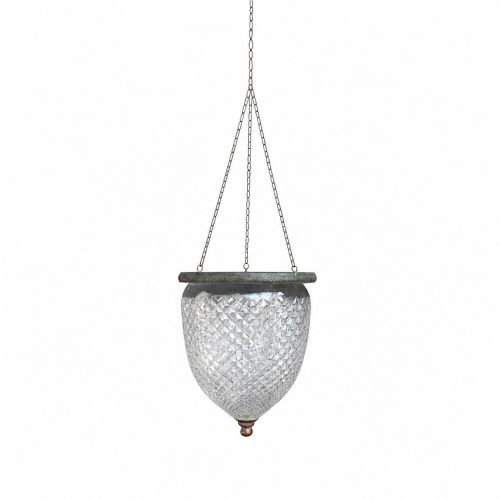
- Plafonnier
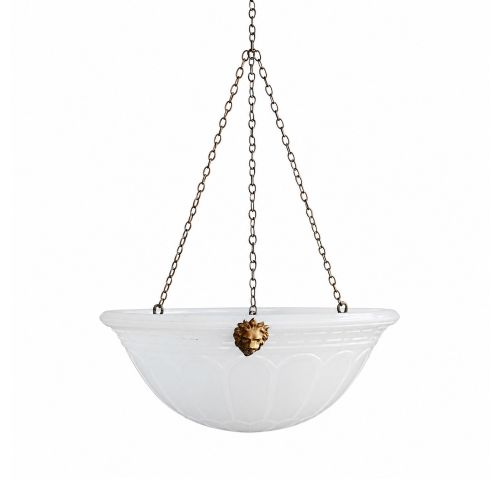
- A ceiling-mounted glass or crystal light fitting, frequently supported by brass or ormolu mounts from the Victorian and Edwardian periods.
- Chasing
- The complementary metalworking process of refining surface details on the front of a piece using punches and small chisels.
Antique Brass Dish: Frequently Asked Questions
What is an antique alms dish?
An alms dish is a shallow metal vessel, usually hammered brass, originally used in churches to collect offerings. Many surviving examples feature embossed botanical borders and central religious iconography.
Over time, these durable plates transitioned from ecclesiastical settings into secular homes as decorative wall chargers or table centerpieces.
How do I clean antique brass?
Most dealers and collectors advise leaving historical brass unpolished to preserve its natural patination and accumulated age. Aggressive cleaning removes the dark oxidation that authenticates an object's history.
Gentle dusting with a dry cloth is usually sufficient for regular maintenance.
How do I date an old brass dish?
Dating relies on examining the manufacturing marks, tool signatures, weight and decorative style. Earlier sixteenth and seventeenth-century German or Dutch pieces exhibit hand-beaten irregularities and Gothic script.
Victorian and later items tend toward machine assistance, standardised sizing and popular revival styles like Egyptian or Islamic motifs.