
Antique Brass Credenza
An antique brass credenza brings architectural presence and polished metallic detail to a room, drawing on centuries of cabinet-making traditions.
Antique Brass Credenza
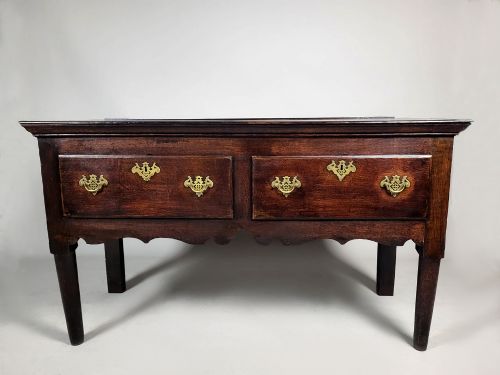
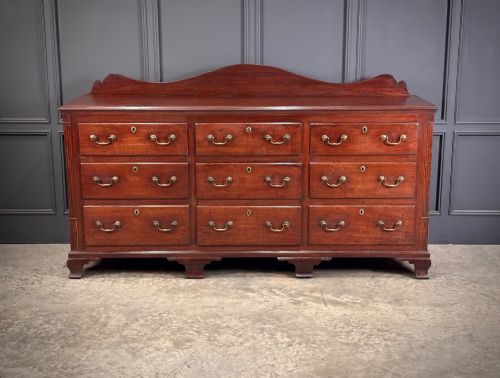
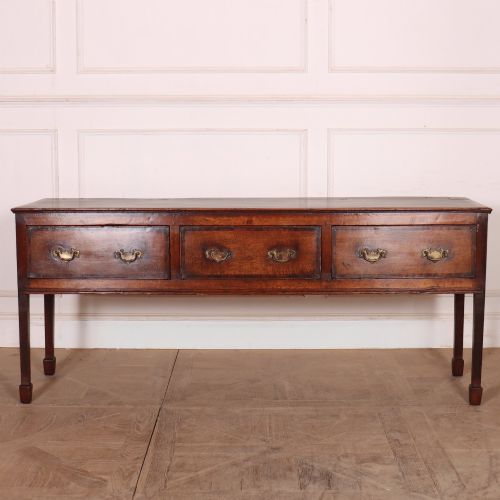
When you search for an antique brass credenza, you encounter substantial storage furniture primarily built during the nineteenth and eighteenth centuries. These pieces encompass side cabinets, sideboards, chiffoniers, and credenzas constructed in timber and accented with metal mounts.
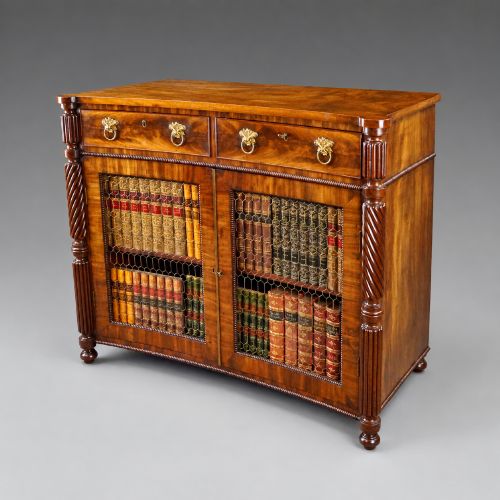
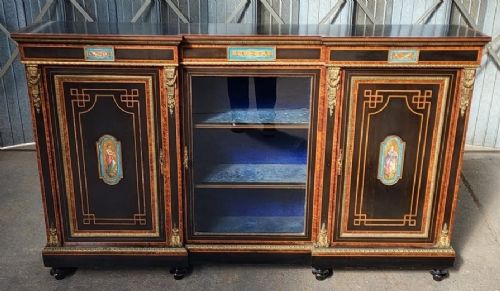
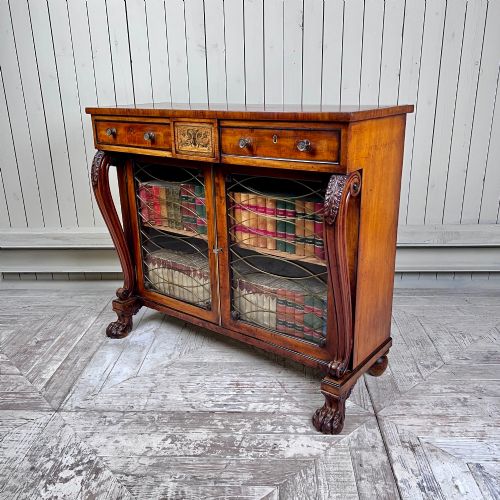
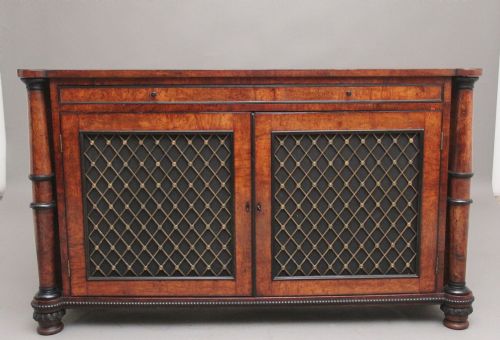
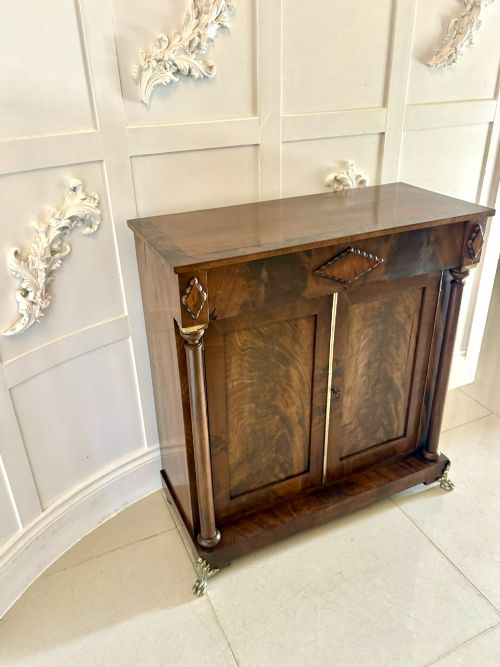
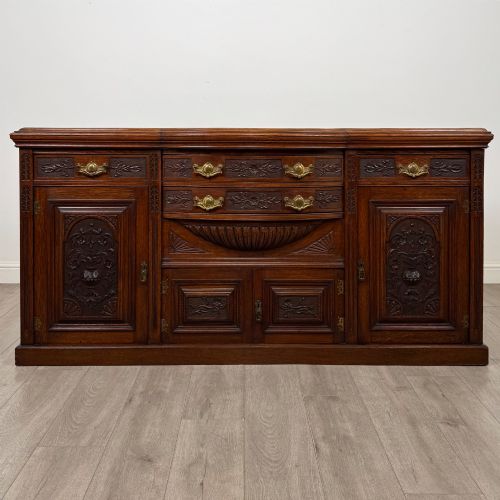
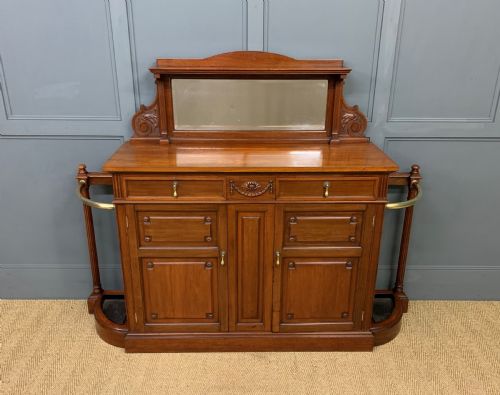
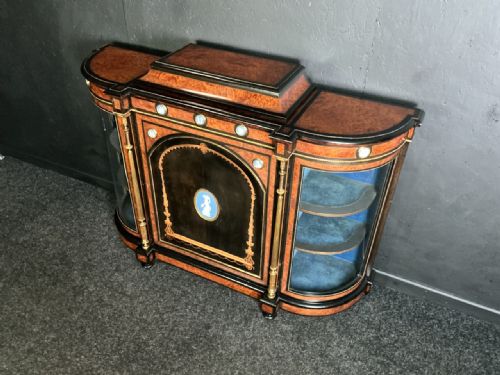
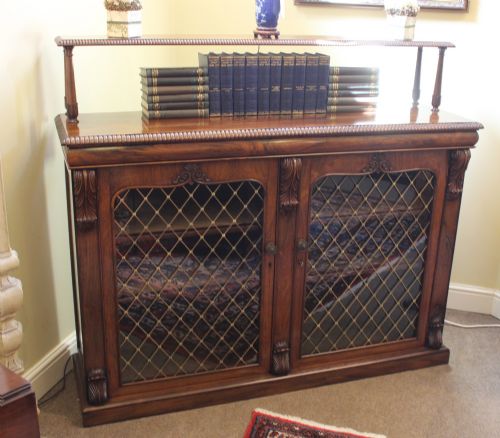
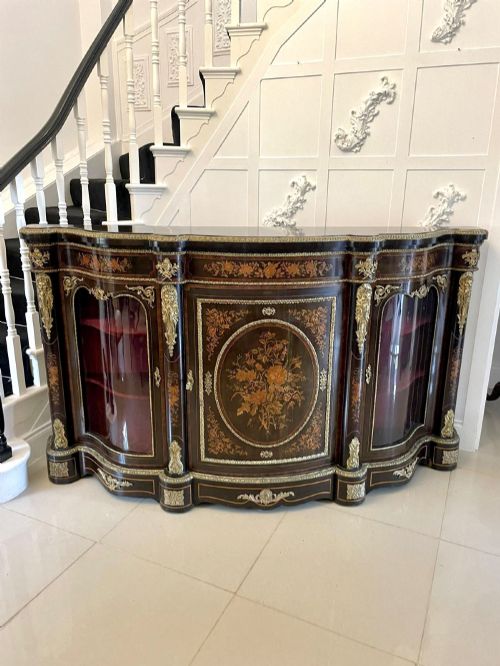
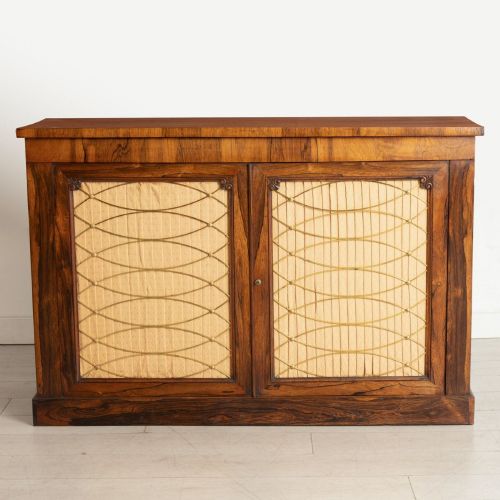
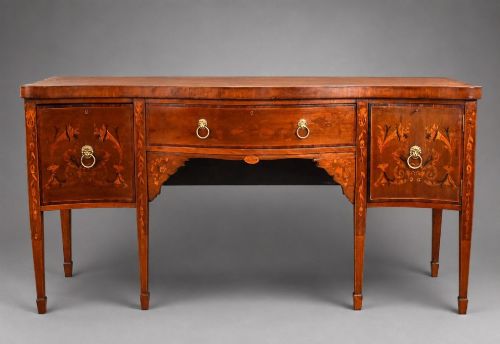
The selections on this page lean heavily toward Victorian ebonised and brass inlaid boulle examples, alongside Regency rosewood and mahogany cabinets featuring brass stringing or grilles. While the search names brass, the primary body of each piece relies upon rich hardwoods like mahogany, oak, and rosewood.
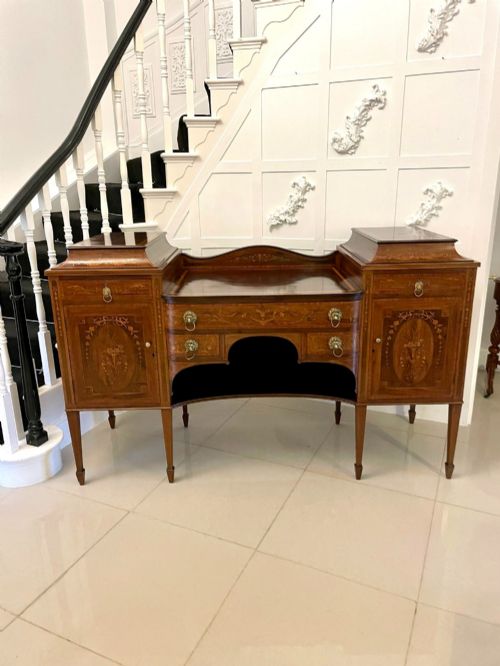
Forms vary from serpentine shapes to breakfront designs and smaller pier cabinets, reflecting the changing domestic requirements of the Georgian and Victorian eras.
Materials and Construction
Cabinet-makers relied on dense timbers including mahogany, oak, rosewood, and walnut, frequently applying fine veneers and marquetry to create decorative surfaces. Ebonised wood provided a dark, dramatic ground for contrasting brass inlay.
Brass appeared both as delicate stringing and inlaid scrollwork, as well as cast ormolu mounts, grills, and gallery rails. These metallic elements were laboriously hand-fitted into channels cut into the timber or secured with traditional fastenings.
The listings combine eighteenth and nineteenth-century pieces in oak, mahogany, and rosewood, incorporating brass inlay, ormolu mounts, and ebonised finishes.
Evaluating Quality
Quality rests upon the precision of the cabinet-making, the depth of figure in the timber veneers, and the crispness of the brass and ormolu mounts. Finer pieces demonstrate seamless integration of metal inlay into wood without gaps or lifting.
The sophistication of the design, from simple linear brass stringing to complex floral marquetry and boulle work, separates standard utility furniture from pieces commissioned for important interiors.
Hewetsons London·Shoolbred Co·Henry Dasson
The Antique Brass Credenza Glossary
- Credenza
- A low cabinet or sideboard, often featuring doors enclosing shelving, originating in Italy and developing into elaborate nineteenth-century display furniture. Victorian examples frequently incorporate glass panels and brass mounts.
- Chiffonier
- A compact sideboard or cabinet popular in the Regency and Victorian periods, typically featuring shelves on top and enclosed cupboards below. They often display brass gallery rails and fine timber veneers.
- Ormolu
- Gilt bronze mounts cast and chased to adorn furniture, adding golden highlights to ebonised and rosewood surfaces. It provides structural accent and decorative relief.
- Serpentine
- A curved furniture front characterised by a convex centre flanked by concave ends, creating a flowing wave-like contour. This shape demands high skill in matching wood grain and fitting doors.
Antique Brass Credenza: Frequently Asked Questions
What distinguishes a credenza from a sideboard?
Credenzas generally feature lower profiles and often include enclosed cupboards across the entire front, sometimes with glass doors for display.
Sideboards historically served dining rooms for the serving of food and storage of tableware, frequently incorporating drawer arrangements above cupboards.
How do I care for wood and brass inlay?
Maintain the timber using traditional beeswax applied sparingly and buffed gently with a soft cloth to nourish the grain.
Avoid commercial liquid cleaners on the brass inlay and ormolu mounts to prevent chemical damage to the surrounding wood veneer.
Where were these cabinets placed originally?
These substantial pieces occupied formal reception rooms, dining parlours, and grand entrance halls as both storage and display surfaces.
In modern interiors, they function effectively in living spaces and dining rooms to hold tableware, books, or media equipment.
How do I date a brass inlaid cabinet?
Examine the secondary woods used inside the carcass, the construction of the drawers, and the style of the brass mounts.
Regency pieces often display fine brass stringing and rosewood veneers, while Victorian examples frequently utilise ebonised finishes and heavy boulle work.