




Antique Brass Coat Stand
An antique brass coat stand brings practical elegance to a hallway, offering a sturdy place for hats, coats, and sticks.
Antique Brass Coat Stand
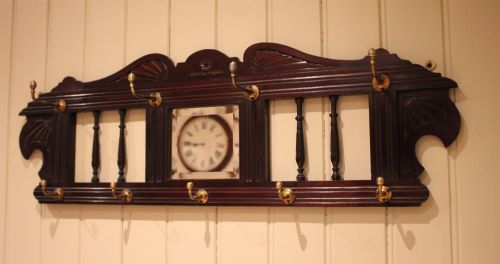
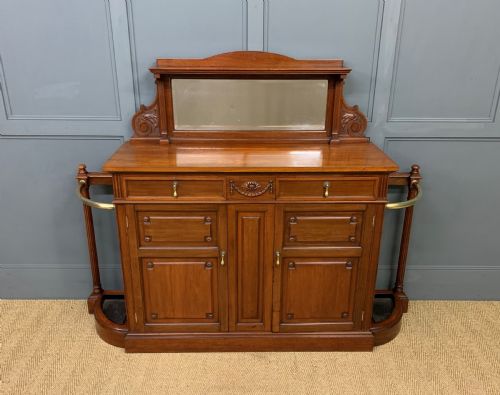
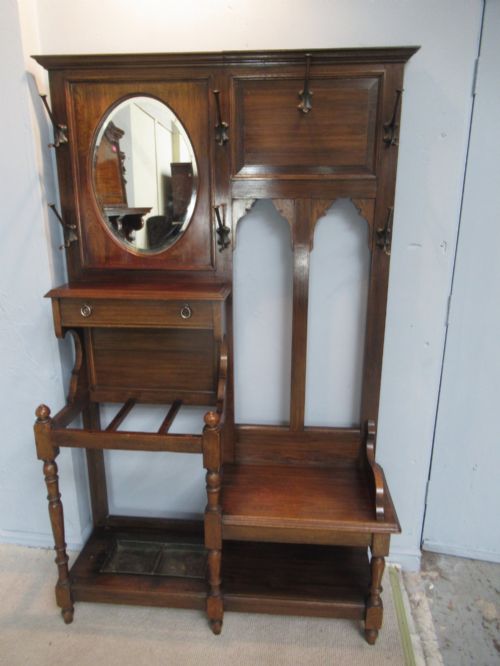
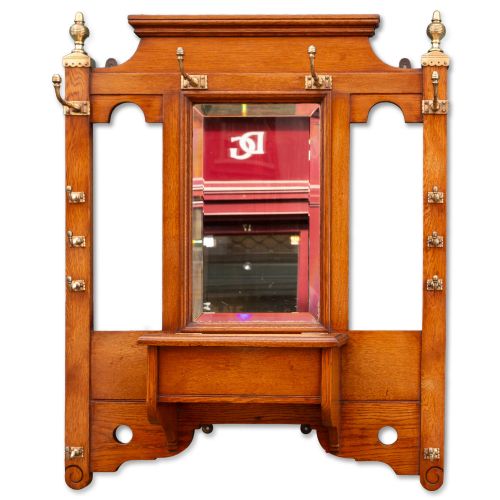
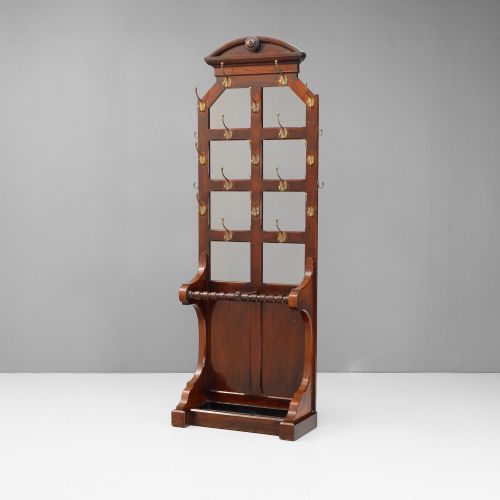
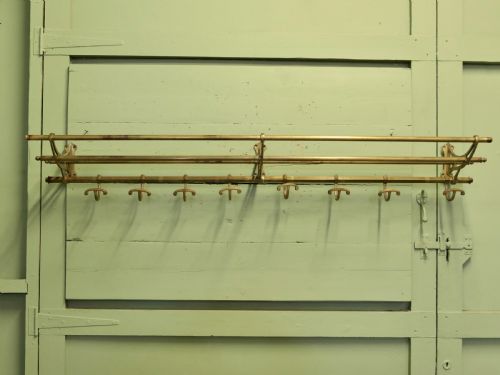
When you search for an antique brass coat stand, you encounter hall stands, wall-mounted racks, and portmanteaus dating primarily from the nineteenth and early twentieth centuries. These hallway pieces often combine brass hooks or frames with woods such as oak, mahogany, and walnut, frequently incorporating integrated umbrella or stick stands.
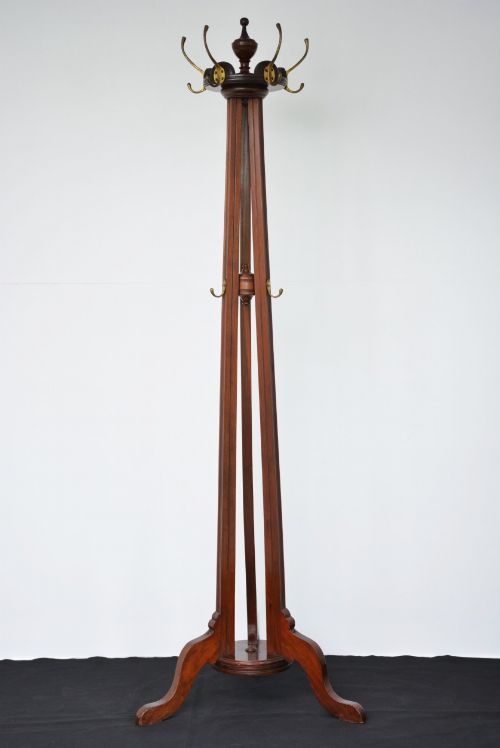
The selections available range from substantial Victorian hall trees with bevelled mirrors to French Art Deco wall brackets and revolving Edwardian designs. You are most likely to meet pieces that merge functional timber construction with polished metal hardware, reflecting the domestic routines of Victorian and Edwardian households.
Materials and construction
Craftsmen utilised seasoned hardwoods like oak, mahogany, and walnut alongside durable metals including cast iron and brass. Timber elements were frequently turned, coopered, or carved, creating sturdy columns and barrels designed to bear heavy winter garments.
Brass components appear as cast hooks, protective braces, and wall-mounted brackets, secured to wooden backplates or freestanding frames. Many pieces incorporate bevelled glass mirror plates and ceramic or metal drip pans to contain moisture from wet umbrellas.
Listings feature woods spanning oak, mahogany, walnut, and painted finishes, paired with brass, cast iron, and glass across the Victorian and Edwardian periods.
Judging quality in hall furniture
Quality rests in the substantial weight of the timber and the integrity of the metalwork, where solid brass castings and original hooks distinguish better examples from lighter replacements. The depth of the carving and the presence of original mirror plates or drip trays indicate a higher standard of manufacture.
Proportion and stability determine the success of a piece, particularly in taller freestanding column stands and revolving designs that must support heavy garments without tipping. Finer items display careful joinery, such as dovetailed compartments and secure bracket mountings that withstand daily domestic use.
Shoolbred & Co.·Jas. Shoolbred
The Antique Brass Coat Stand Glossary
- Portmanteau
- A combined hall piece featuring a mirror, coat hooks, and umbrella storage, often of French origin. These large hallway items served as central cloakroom stations for visitors.
- Hallstand
- A piece of hallway furniture integrating a mirror, hat and coat hooks, and a base for walking sticks and umbrellas. They were staple furnishings in Victorian and Edwardian entranceways.
- Coopered
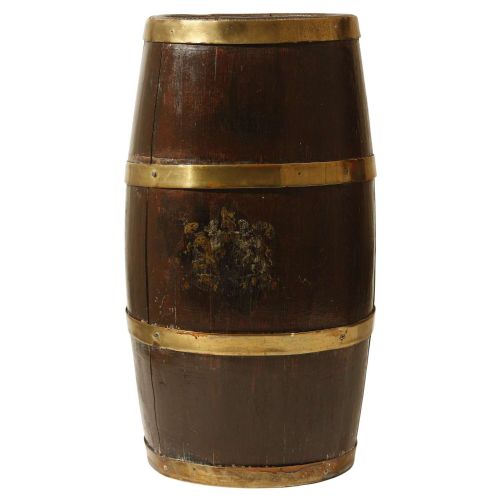
- Formed of staves of wood bound together with metal hoops, typical of barrel-style umbrella stands. This traditional method mimics cask-making for domestic vessels.
- Bevelled plate
- A mirror glass with an angled edge, reflecting higher craftsmanship in nineteenth-century mirrors. This technique adds depth and light to hallway furniture.
Antique Brass Coat Stand: Frequently Asked Questions
How do I care for antique brass?
Clean brass components gently with a soft cloth to remove dust without stripping the aged patina that develops over decades. Avoid harsh chemical polishes that can damage surrounding wood or painted surfaces.
Keep the metal dry and occasionally apply a light microcrystalline wax to protect the brass from tarnishing further in damp hallway environments.
Were these stands used in small homes?
Most surviving tall hall stands and portmanteaus originated in larger Victorian and Edwardian residences with spacious entrance halls. Smaller homes utilised wall-mounted brass coat racks or narrow narrow hall stands to save floor space.
Choosing the right format depends entirely on the clearance and width available in your modern hallway.
How do I distinguish Victorian from Edwardian styles?
Victorian pieces tend to feature heavier timbers, darker finishes, and more ornate, exuberant carvings with deep mouldings. They project a sense of solid permanence.
Edwardian designs often feel lighter and more restrained, frequently showing Arts and Crafts influences with clean lines and functional revolving frames.
Can these stands support heavy winter coats?
Freestanding hall trees and wall-mounted brass brackets were specifically engineered to bear the weight of heavy wool coats, capes, and hats. Solid wood construction and secure wall fixings ensure reliable load-bearing capacity.
Ensure wall-mounted racks are anchored into studs or solid masonry to safely handle heavier garments over time.