





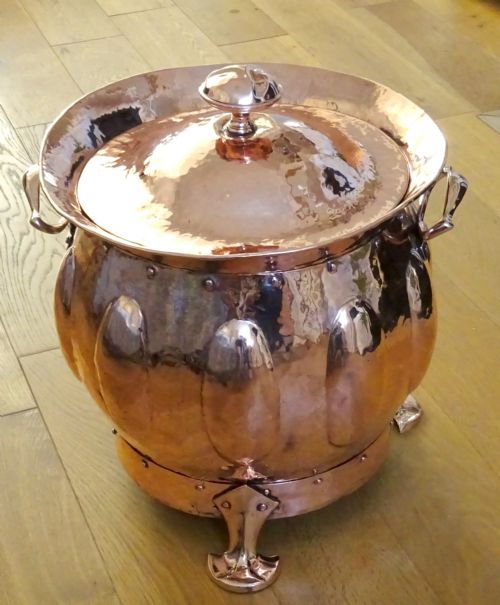


Antique Brass Coal Tub
An antique brass coal tub brings hearthside utility into your living space with heavy metal warmth and period character.
Antique Brass Coal Tub
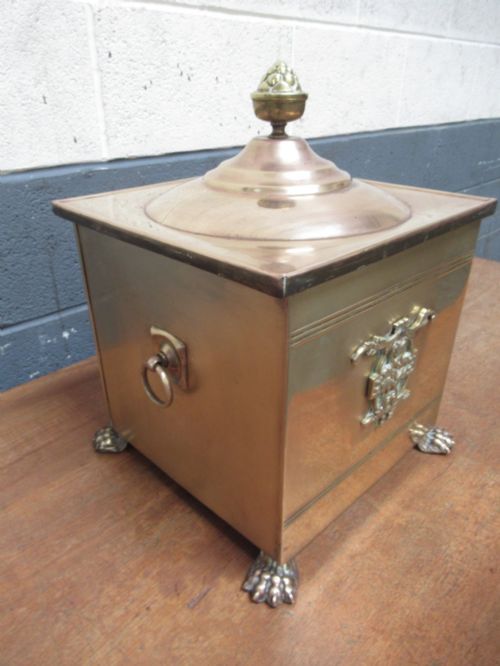
An antique brass coal tub serves as a robust container designed to hold solid fuel by the fireplace. When you search for an antique brass coal tub, you encounter vessels spanning the Georgian, Victorian, and Edwardian eras.
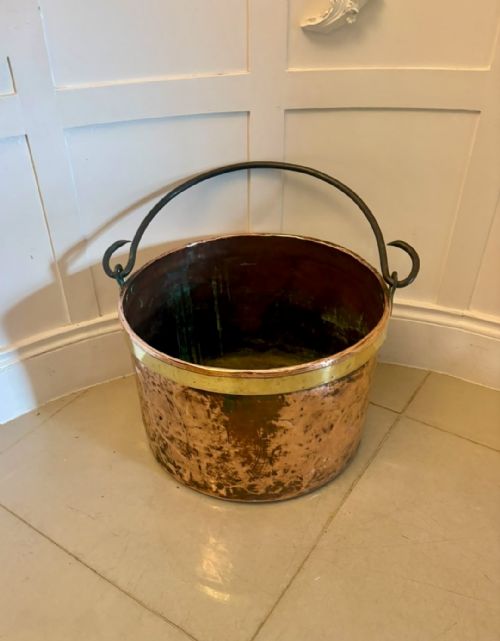
The version you are most likely to meet on this page combines a heavy metal body with swing handles and often rests on small feet or a plinth. These vessels frequently cross paths with log bins, planters, and jardinières due to their generous proportions.
Originating from British workshops as well as continental and Anglo-Indian makers, these pieces reflect the domestic habits of households that burned coal or peat. They sit beside the hearth as both functional stores and decorative objects.
Materials and construction methods
Sheet brass and copper form the primary outer shells of these vessels, often beaten, hammered, or embossed by hand to create textured surfaces. Makers combined these bright metals with iron bands, brass swing handles, and occasionally wooden elements like oak or mahogany.
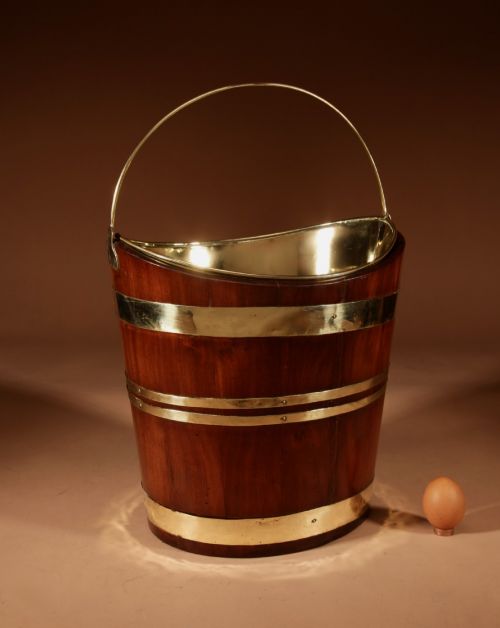
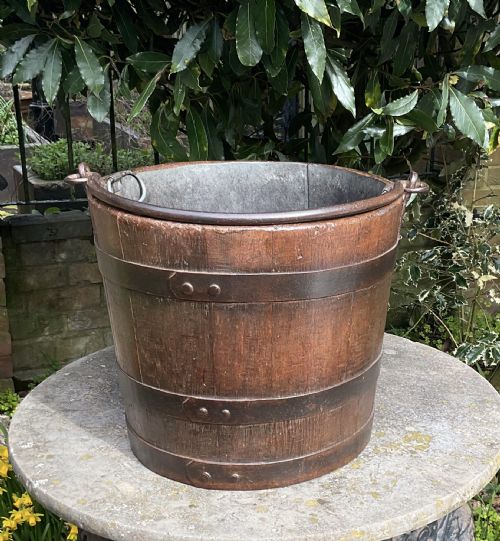
Coopers utilised traditional stave construction for wooden buckets bound with brass hoops, while metalworkers raised sheet brass over forms or spun it on lathes. Liners made from galvanised metal or zinc frequently protected the outer shell from damp fuel and moisture.
Antique Brass Coal Tub Retail Price Guide 2026
Typical asking prices for brass coal tub among the pieces listed under this phrase on Sellingantiques today, from the lower quarter to the upper quarter. They describe what is for sale here now, not the wider market.
Some vessels served to warm tea on board boats before finding a second life as hearthside coal dust collectors.
Distinctions in craftsmanship
The division between standard domestic items and superior examples lies in the weight of the metal and the crispness of the hand-hammered or embossed decoration. Finer pieces display substantial gauge brass, secure riveting, and thoughtful proportion rather than thin, pressed sheet metal.
Original matching liners and robust, well-fixed handles elevate a vessel above modified or heavily restored alternatives. The integration of contrasting metals, such as copper bands on a brass body, demonstrates deliberate aesthetic ambition in workshop production.
Henry Loveridge·Petrus Ramus
The Antique Brass Coal Tub Glossary
- Dinanderie
- An old term for medieval and later brass or copper objects, often applied to hand-beaten continental vessels. It describes domestic metalware produced in regions known for brass founding.
- Coopering
- The ancient craft of making stave-built wooden vessels such as buckets and tubs bound with metal hoops. This technique kept wooden containers watertight for holding fuel or water.
- Jardinière
- A decorative pot or container for holding plants or flowers, frequently repurposed from or built identically to coal buckets. Many heavy brass and copper vessels served both fireside and garden functions.
- Campaign bucket
- A sturdy portable vessel equipped with drop handles, originally intended for travel use by officers. These pieces often feature robust brass bindings and heavy construction.
- Peat bucket
- A specialised container designed to hold dried turf or peat for burning in domestic hearths. They share similar proportions to coal tubs but occasionally feature boat or elliptical shapes.
Antique Brass Coal Tub: Frequently Asked Questions
How were these tubs used originally?
Households used these containers to carry coal, coke, or peat from outdoor stores directly to the hearth. They sat beside the fireplace to keep fuel within arm's reach.
Many examples included metal liners to contain coal dust and moisture, protecting the decorative outer brass or wooden body from direct contact with fuel.
Can I use a coal tub for plants?
These vessels transition easily into planters and jardinières, a practice common both in period homes and contemporary interiors. Their deep proportions accommodate potted greenery and floral arrangements.
When using them for plants, ensure any interior liner remains watertight or use a secondary inner pot to prevent moisture damage to the antique metal.
How do I identify Victorian pieces?
Victorian examples often display heavy embossing, hand-hammered surfaces, or applied copper bands reflecting the Arts and Crafts or aesthetic movements. They frequently utilise substantial gauge brass with riveted seams.
Examining the construction methods, handle mounts, and decorative motifs helps separate nineteenth-century production from later Edwardian or twentieth-century interpretations.