




Antique Brass Birds
Antique brass birds bring domestic spaces to life through metalwork, enamel, and wirework shaped into cages, figures, and desk items.
Antique Brass Birds
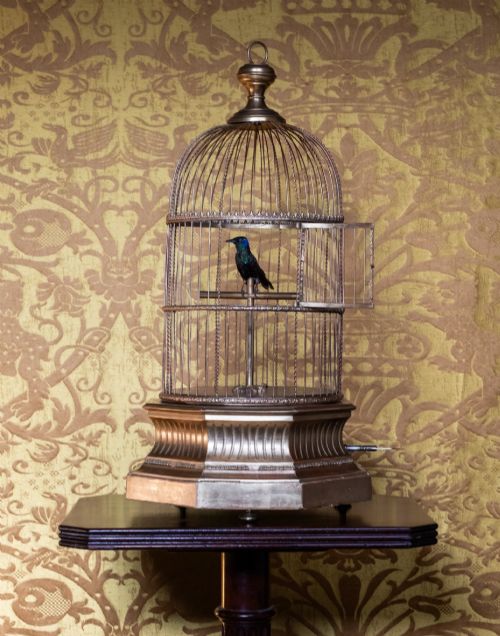
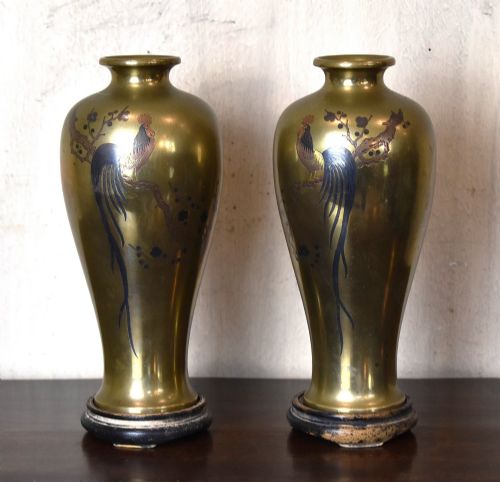
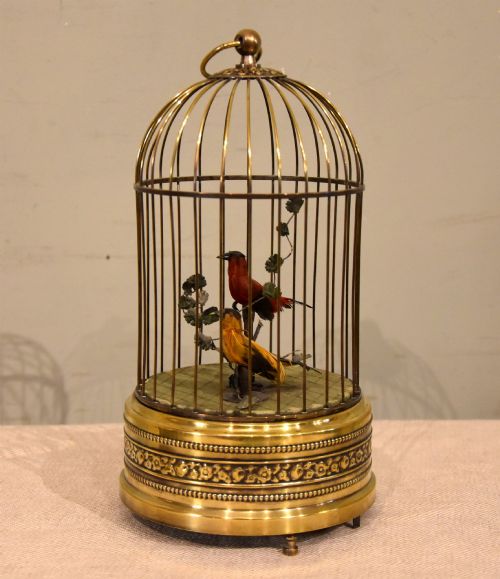
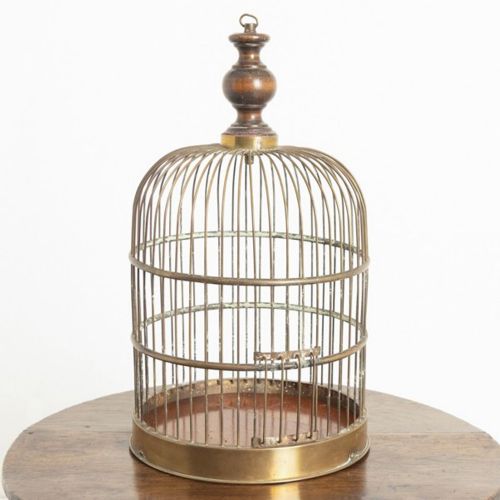
Searching for antique brass birds uncovers a diverse array of objects incorporating avian motifs or housing mechanical songsters. The listings predominantly include brass wire cages designed to hold singing automata, alongside decorative items formed from copper, bronze, and gilt metal.
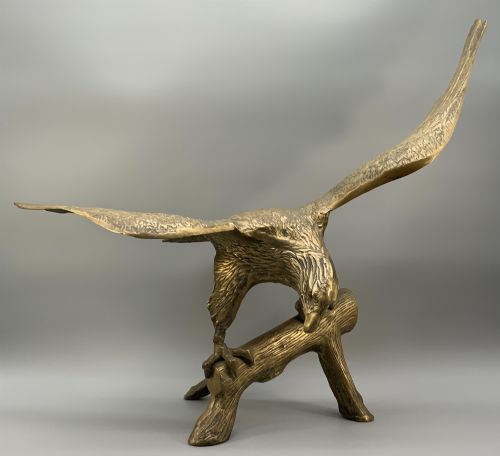
Originating largely from the nineteenth and early twentieth centuries, these pieces draw upon Victorian, Art Deco, and Japanese Meiji period aesthetics. Buyers encounter decorative chargers, desk accessories like tape dispensers, and sculptural parrots mounted on brass stands.
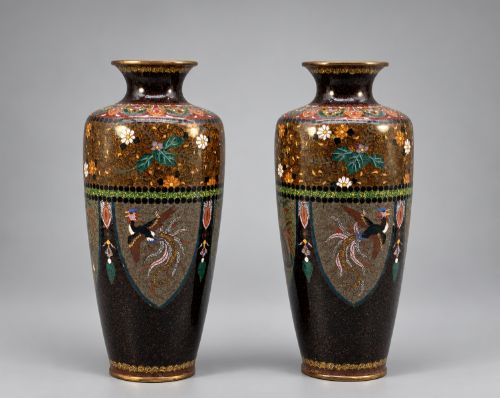
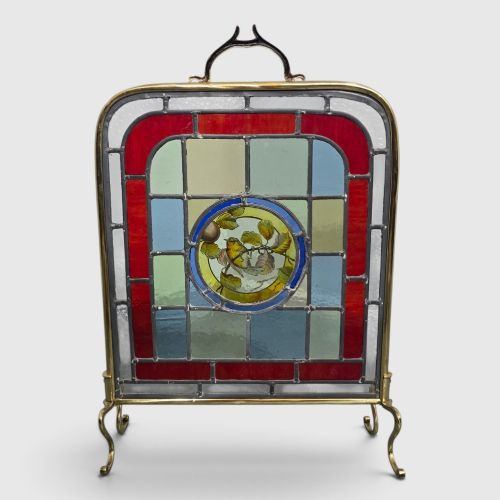
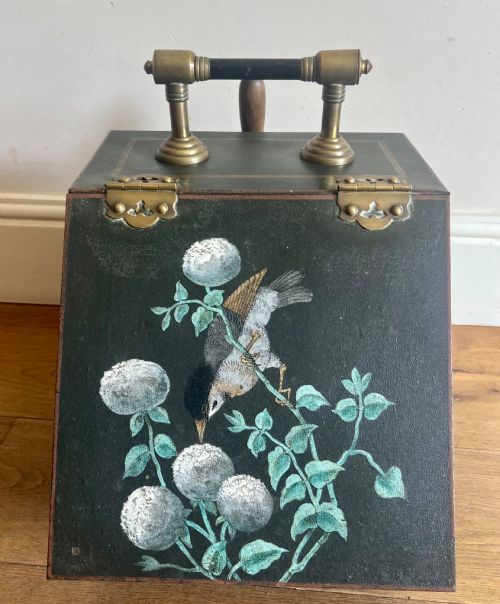
The selection ranges from utilitarian coal scuttles and fire screens embellished with birds to intricate cloisonne enamel dishes depicting owls, ibises, and phoenixes. Each object reflects the period's fascination with natural history and decorative metalwork.
How they were made
Makers utilised cast and sheet brass, combining copper and bronze to construct structural elements and decorative figures. Wirework forms the intricate framework of the bird cages, soldered and fitted by hand.
Enamelwork appears frequently through cloisonne techniques, laying down metal wires to create cells filled with coloured glass pastes before firing. Ormolu and gilt bronze finishes provide reflective surfaces on clock cases and candelabra mounts.
Carved wooden components, such as perches or supports, integrate with metal elements in desk accessories and automata. Treen and tole ware occasionally support the primary metal structures.
Antique Brass Birds Retail Price Guide 2026
Typical asking prices for brass birds among the pieces listed under this phrase on Sellingantiques today, from the lower quarter to the upper quarter. They describe what is for sale here now, not the wider market.
Listings span the nineteenth century through the nineteen-fifties, featuring materials such as brass, bronze, copper, enamel, and treen.
What varies in quality
The sophistication of the enamel detailing and the crispness of the metal casting distinguish finer examples from simpler production. Cloisonne chargers and vases demonstrate quality through the precision of the wire cells and the depth of the colour application.
Mechanical complexity separates standard decorative cages from automated singing bird boxes and enclosures. The weight of the brass, the structural integrity of the soldered wirework, and the preservation of original gilding define the standing of each piece.
The Antique Brass Birds Glossary
- Cloisonne
- Enamelling technique where thin metal wires form raised barriers on a metal base to hold coloured pastes before firing. This method creates detailed pictorial scenes of birds and foliage.
- Ormolu
- Finely ground high-carat gold-mercury amalgam applied to a bronze base, commonly seen on French clock mounts and candelabra. The process yields a rich metallic sheen.
- Treen
- Small domestic wooden objects made by turning or carving, occasionally incorporating bird motifs. These items range from snuff boxes to desk accessories.
- Automaton
- Mechanical device designed to simulate movement or sound, such as the singing birds enclosed within wire cages. These mechanisms rely on complex gear trains and bellows.
Antique Brass Birds: Frequently Asked Questions
What materials make up these bird cages?
The cages combine brass wire frameworks with cast brass bases and suspension loops. Some examples integrate copper elements or wooden stands.
Larger enclosures feature substantial metal bars designed to support decorative or mechanical birds.
How do cloisonne pieces depict birds?
Craftsmen use fine metal wires soldered to a copper or brass body to outline avian subjects like owls, ibises, and phoenixes. Coloured enamel fills the resulting cells to create detailed plumage against floral backgrounds.
Firing fixes the vitreous paste into a durable, glossy surface.
What periods do these objects date from?
The selection spans the nineteenth century through the early twentieth century, encompassing Victorian, Edwardian, and Art Deco eras. Japanese Meiji period pieces from the late eighteen-hundreds appear frequently among the metal and enamel dishes.
Later items extend into the nineteen-twenties and nineteen-fifties.
How were mechanical singing birds housed?
Clockwork mechanisms sit beneath the base or inside the housing of brass cages to animate taxidermy or metal birds. Internal bellows and whistles generate the singing sounds when wound with a key.
Perches and moving heads coordinate with the audio output.