
Antique Brass and Copper
Antique brass and copper pieces bring warmth and utility into domestic spaces through enduring hearthware, lighting and vessels.
Antique Brass and Copper
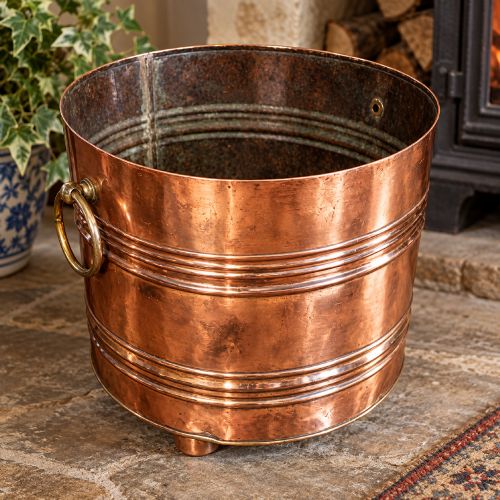
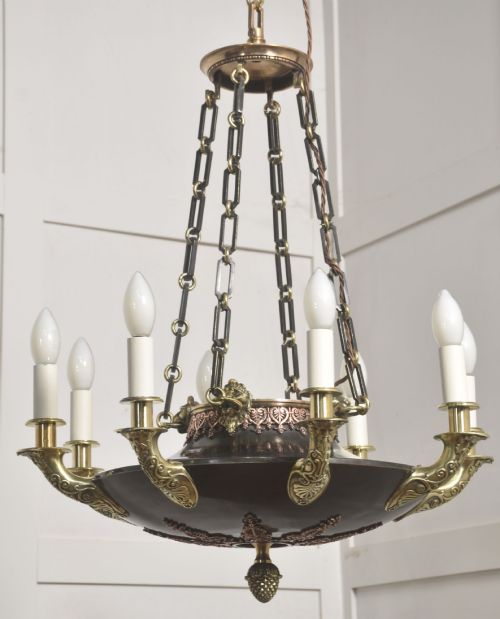
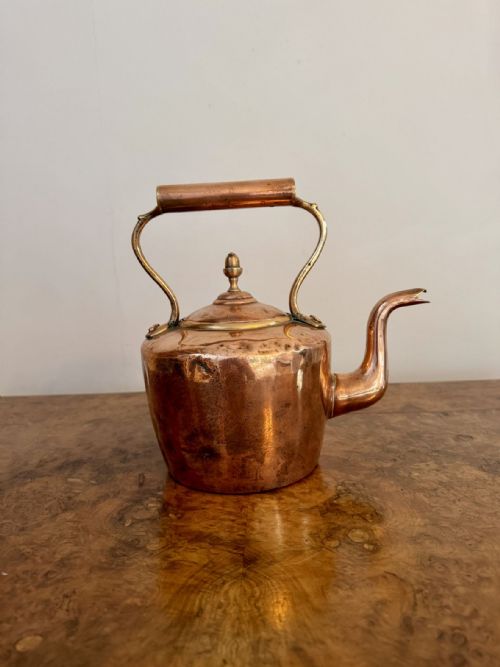
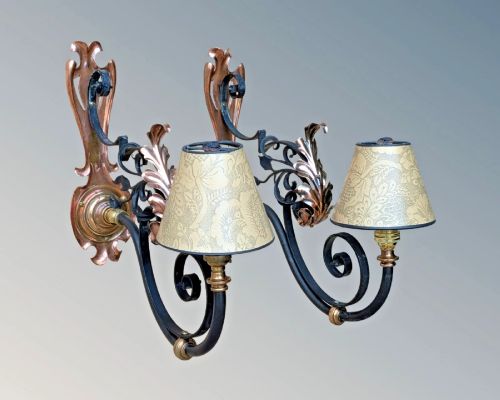
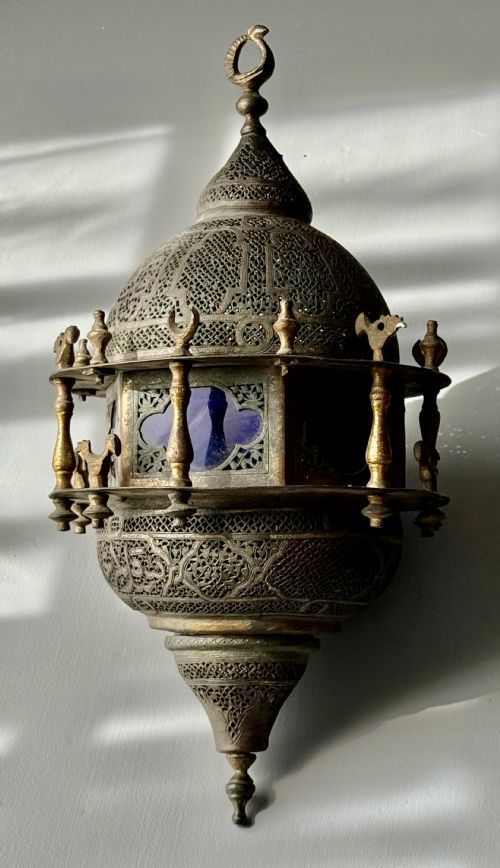
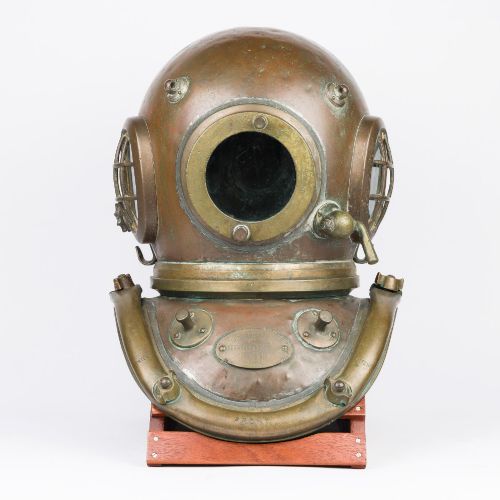
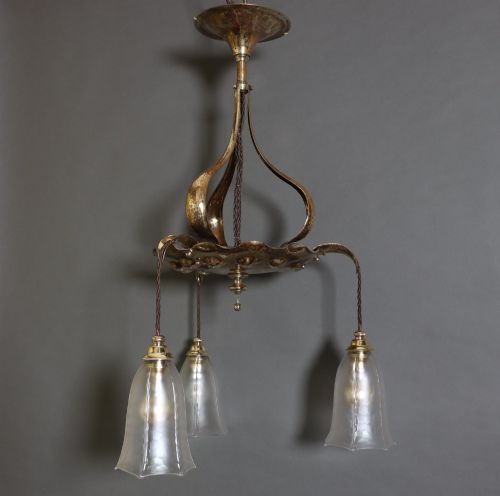
When examining antique brass and copper, buyers encounter a diverse range of metalwork designed for both decorative display and practical domestic use. The selection encompasses heavy coal scuttles, coal bins and log buckets alongside kettles, samovars, wall lights and chandeliers.
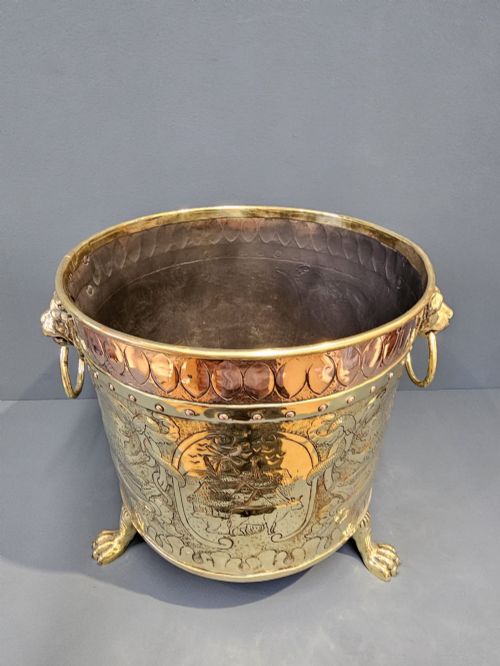
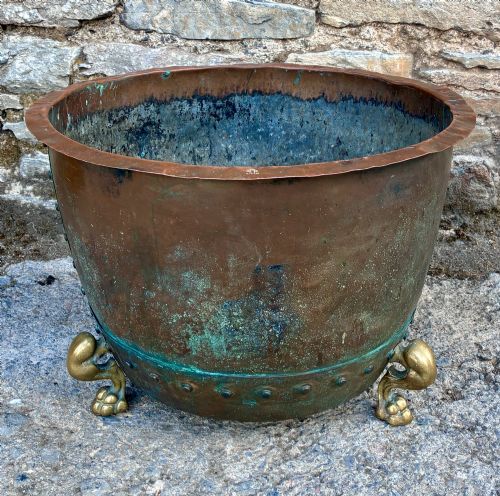
Victorian and nineteenth-century examples dominate the offerings, frequently combining the two metals to create visual contrast through polished brass bands, handles and lion mask mounts set against warm copper bodies. Domestic utility items sit alongside decorative planters, jardinières and occasional lamps.
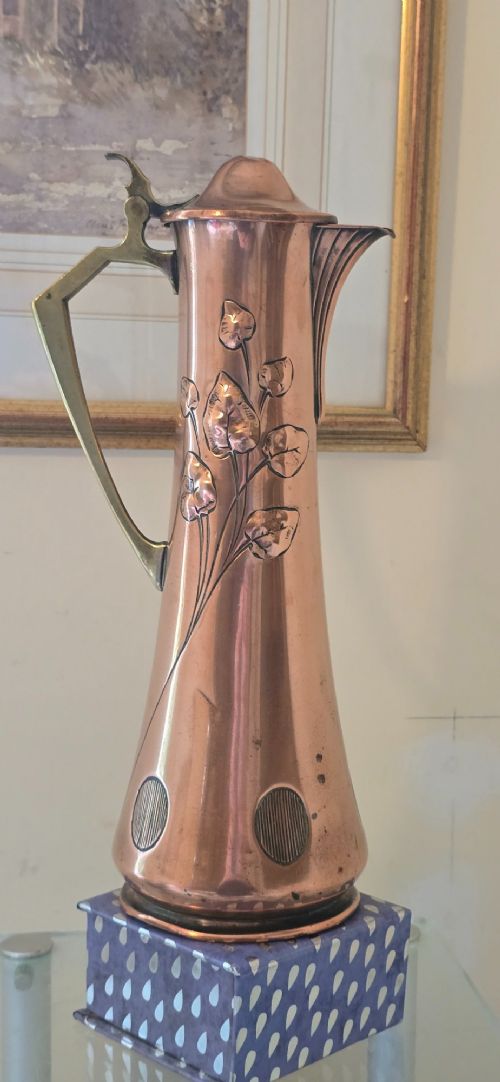
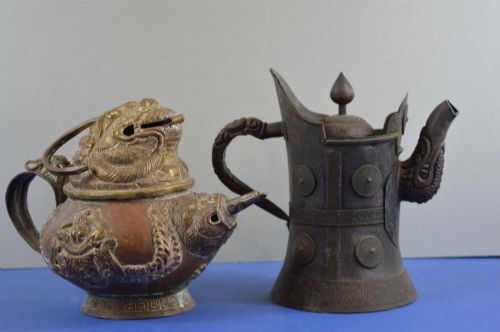
Earlier Georgian pieces appear in the form of heavy kettles and coal buckets, while later Arts and Crafts and Art Nouveau items introduce hammered textures and stylized floral reliefs. Tibetan ewers, Islamic wash bowls and Egyptian Cairo Ware chargers demonstrate wider geographic origins within the metalwork tradition.
How they were made
Makers shaped these objects using a combination of sheet copper and cast brass, often joining components with visible rivets or dovetail seams on larger vessels like jam pans and boilers. Planishing hammers created textured surfaces on Arts and Crafts pieces, leaving distinct facets across the copper bodies.
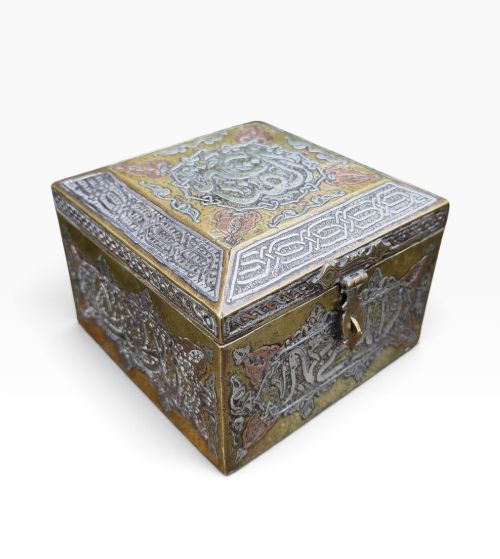
Brass elements such as handles, feet, spouts and rim bands were cast separately and then attached to the main copper body using rivets, brazing or threaded fasteners. Decoration was achieved through embossing, piercing, chasing and silver or brass inlay on Islamic and revival items.
Listings feature eighteenth-century Georgian items alongside Victorian, Edwardian and mid-century lighting and vessels.
What varies in quality
The distinction between standard domestic items and superior pieces rests upon the weight of the metal gauge used in the construction and the crispness of the cast mounts. Thicker copper resists denting and maintains structural integrity in utilitarian objects such as coal scuttles and jam pans.
Design execution separates basic production from master craftsmanship, evident in the hand-beating of Arts and Crafts surfaces or the intricate detail of embossed floral reliefs and chased script. Original matching components, such as burners on spirit kettles or paired wall lights, elevate the integrity of the piece.
William Soutter And Sons·Alderson And Gyde Ltd·Maison Jansen·Andre Arbus
The Antique Brass and Copper Glossary
- Samovar
- A heated metal urn traditionally used to boil water for tea. These large vessels often feature brass spigots and decorative handles.
- Coal scuttle
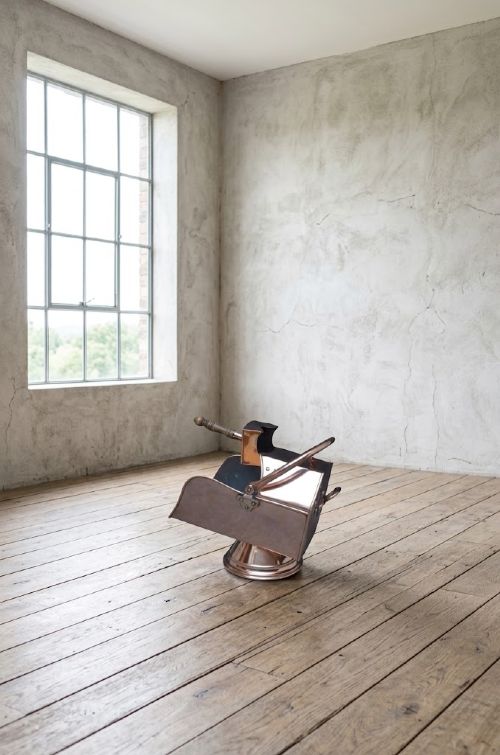
- A container designed to hold household coal for a fireplace. Scuttles frequently combine copper bodies with brass swing handles and carrying grips.
- Jardiniere
- An ornamental pot or stand for holding plants or flowers. Examples in metal commonly feature embossed brass bands or lion mask ring handles.
- Planishing
- The process of smoothing and shaping sheet metal with a hammer. This technique leaves controlled hammer marks that characterise Arts and Crafts metalwork.
- Chasing
- A method of ornamenting metal by indenting the front surface with punches and hammers. Artisans use this toolwork to define fine surface details.
Antique Brass and Copper: Frequently Asked Questions
How do I clean antique copper?
Maintenance depends on the desired finish, though most collectors prefer to preserve a natural, aged patina rather than achieving a bright, polished shine. Gentle dusting and occasional washing with mild soapy water protect the metal surface without stripping historical character.
Harsh chemical abrasives should be avoided because they remove the underlying layers of metal and obliterate signs of age. Professional metal cleaners are sometimes used sparingly on brass mounts if contrast needs to be restored.
What is a coal helmet?
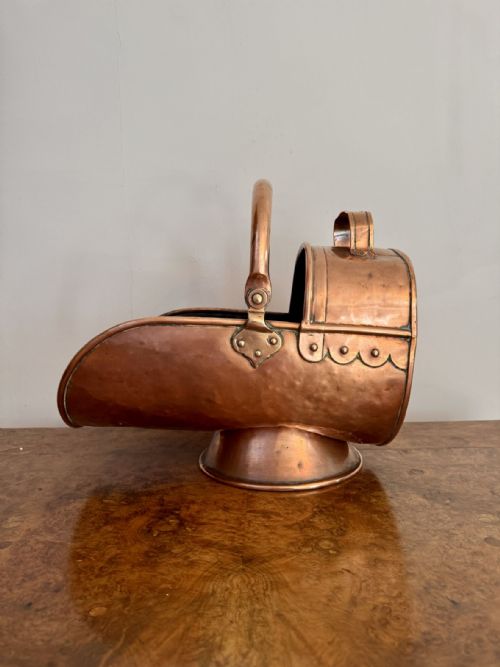
A coal helmet is a specific type of coal scuttle featuring a flared shape and a hinged handle, designed for easy pouring into a domestic fireplace. The distinctive sloping form resembles a classical metal helmet.
These pieces were standard fireside accessories during the nineteenth century, combining utility with decorative brass and copper construction. They frequently sat beside matching companion sets and log bins.
How can I date copper items?
Dating relies on manufacturing techniques, such as observing whether components are joined by hand-cut dovetails, early machine-rolled sheets or modern welds. Machine-stamped parts generally indicate late nineteenth or twentieth-century production.
Stylistic indicators like Art Nouveau whiplash curves or Arts and Crafts hand-beating provide clear chronological markers. Maker marks and registration stamps also help pinpoint the exact period of origin.
Were these items meant for daily use?
Many objects on this page, including kettles, jam pans and coal buckets, served rigorous practical functions in period kitchens and hearths. Their durable brass and copper construction ensured they could withstand heavy daily wear.
Over time, rigorous use created dents, patches and repairs that now form part of the object's history. Today, these pieces transition smoothly into decorative roles within contemporary interiors.