


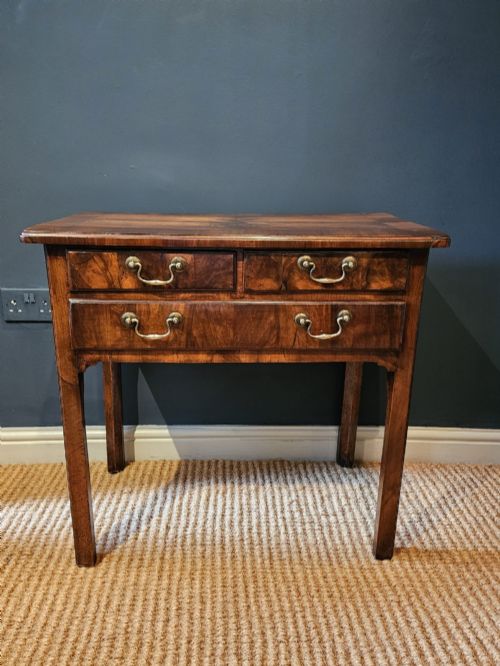
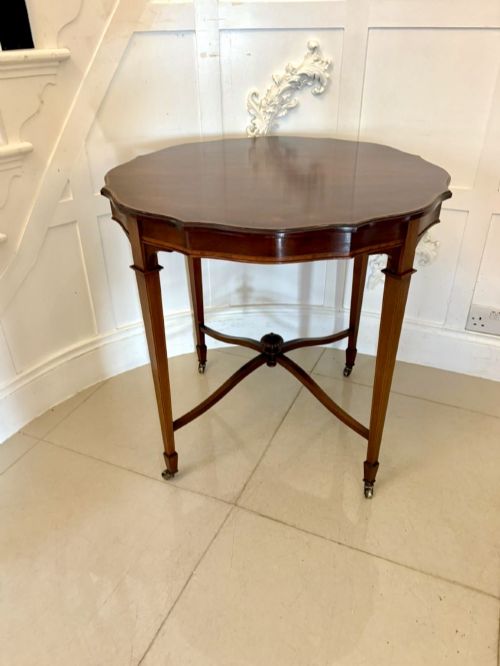
Antique Brass Accents
These antique brass accents bring warm metallic detail to period furniture and lighting across Georgian, Victorian, and later interiors.
Antique Brass Accents
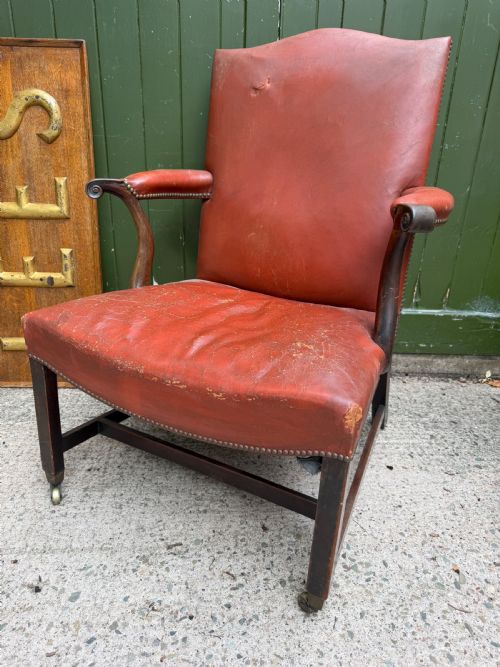
When searching for antique brass accents, buyers encounter a mix of functional hardware, decorative mounts, and fitted metalwork integrated into tables, seating, and lighting. The pieces span periods from the eighteenth century through the Art Deco era, encompassing Georgian mahogany library chairs, Victorian marble-topped lamp tables, and twentieth-century electric lamps.
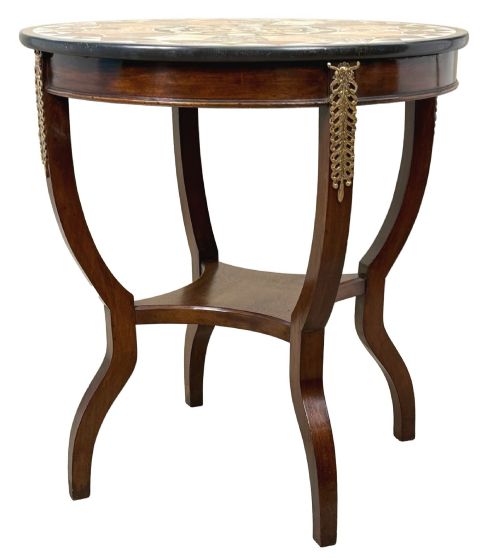
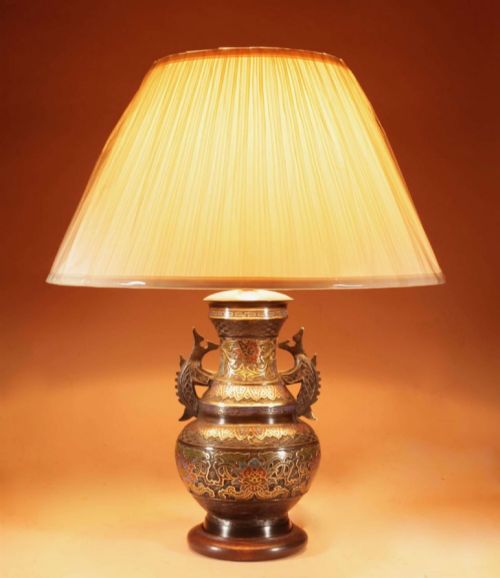
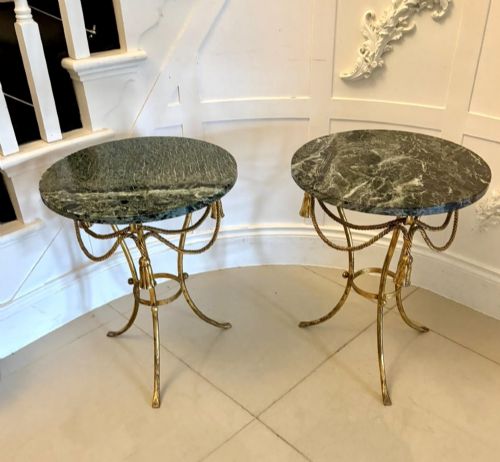
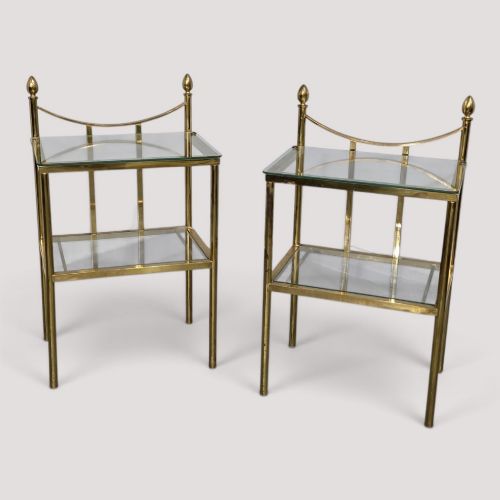
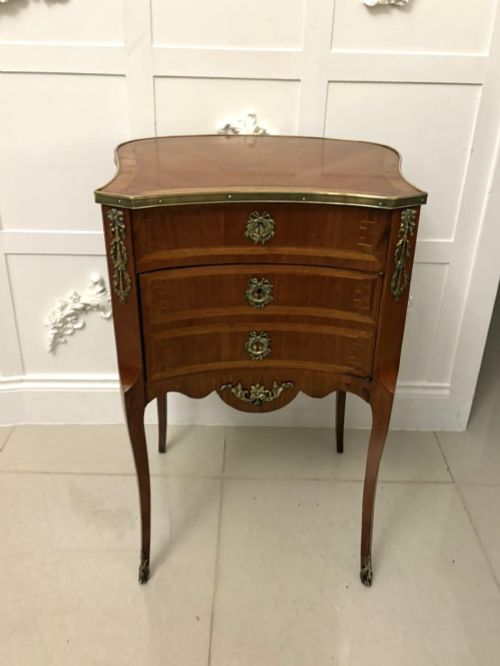
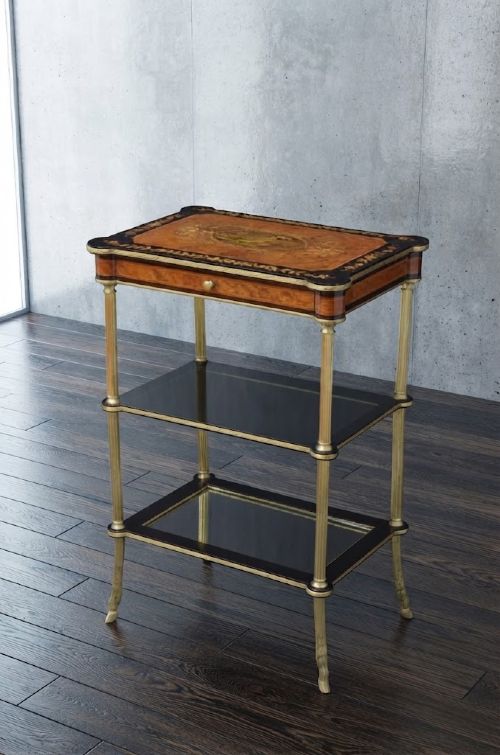
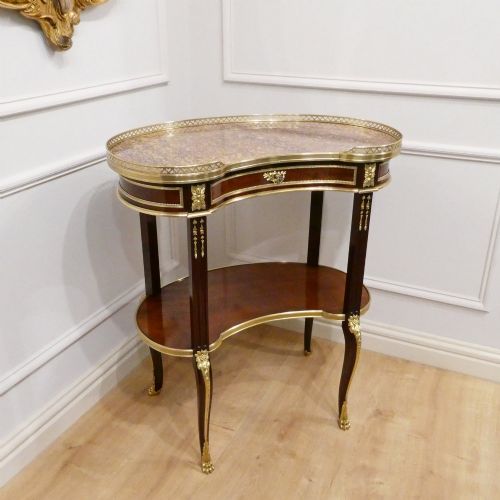
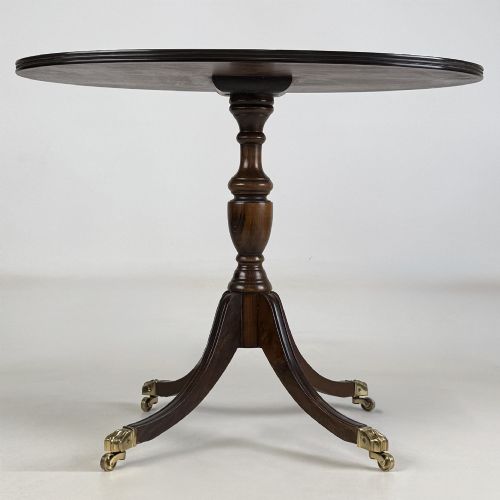
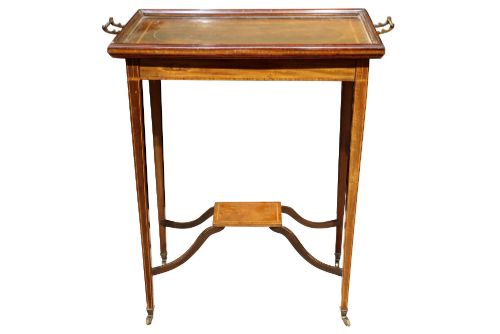
The most common manifestations on this page are decorative metal fittings on occasional tables, side cabinets, and desks, alongside table lamps cast in brass, gilt bronze, or ormolu. Items range from small French bouillotte tables with brass galleries to inlaid tables and heavy cast lighting fixtures.
Origins vary across English workshop traditions and continental European centres, particularly French cabinet-making styles such as Louis XV and Louis XVI revivals. Buyers find both structural metal mounts and standalone lighting designed to catch the light within a room.
Materials and construction methods
Metal components were produced using casting, chasing, and gilding techniques to achieve crisp surface detail on mounts, lamps, and galleries. Base metals such as brass were often combined with gilt bronze or ormolu, pairing bright metallic finishes with dense timbers.
Primary woods like mahogany, walnut, oak, and satinwood form the structural bodies of the tables and seating that carry these metal details. Inlays of marquetry and parquetry frequently accompany the hardware, alongside secondary elements of marble tops, leather upholstery, and crystal.
Materials span solid brass, gilt bronze, and ormolu paired with mahogany, walnut, marble, and leather.
Assessing quality in metalwork and mounts
Quality rests in the crispness of the casting and the depth of the hand-finishing on the metal elements. Finer pieces display sharp detail in chased foliage and figural mounts, whereas lesser examples show softer edges from worn moulds.
The integration between metal and wood reveals the maker's hand, seen in flush-fitted brass galleries, tightly secured mounts, and substantial timber scantlings. Weight, stability, and the retention of original gilding or patination separate standard production from superior work.
Maison Millet·Howard and Sons·Royal Worcester
The Antique Brass Accents Glossary
- Ormolu
- Gilded bronze, where finely ground gold is amalgamated with mercury and applied to a bronze base before heating. This technique creates a durable, golden metallic surface seen on decorative mounts and lamps.
- Bouillotte table
- A small French round card or occasional table featuring a raised brass gallery around the marble top. It typically includes small pull-out candle slides or central lamp fittings.
- Gallery
- A low pierced or solid metal railing fitted around the perimeter of a table top to prevent items from sliding off. Galleries are commonly cast or pierced in brass.
- Gilt bronze
- An alloy of copper and zinc or tin finished with a gold layer. It provides a bright, corrosion-resistant surface for decorative furniture fittings.
- Marquetry
- The art of applying decorative veneer pieces in various woods and materials to form geometric or floral patterns on furniture surfaces.
Antique Brass Accents: Frequently Asked Questions
Are these lamps wired for modern use?
Many vintage and antique lamps retain older wiring or have been adapted during their history. Buyers should expect to have lighting inspected or rewired by a qualified electrician before daily use.
Original lamp holders and switches may need updating to meet current safety standards while preserving the outer metal body.
How do I date furniture with brass mounts?
Examine the construction methods of the underlying wood alongside the style of the metal mounts. Georgian and Regency pieces show hand-cut joinery and simpler cast brass, while later revival styles display machine finishing.
Match the design motifs, such as Gothic revival or Louis XV scrolls, with the known production periods of the workshop or maker.
Where should I place these pieces at home?
Occasional tables and lamp tables with brass galleries work well beside seating areas or as bedside surfaces. Their reflective metal details catch natural light in darker corners.
Ensure timber and leather elements are kept away from direct heat sources and strong sunlight to protect the patination over time.