





Antique Box with Lid
An antique box with lid offers a neat vessel for keeping small treasures safe, carrying the craftsmanship of past centuries into modern rooms.
Antique Box with Lid
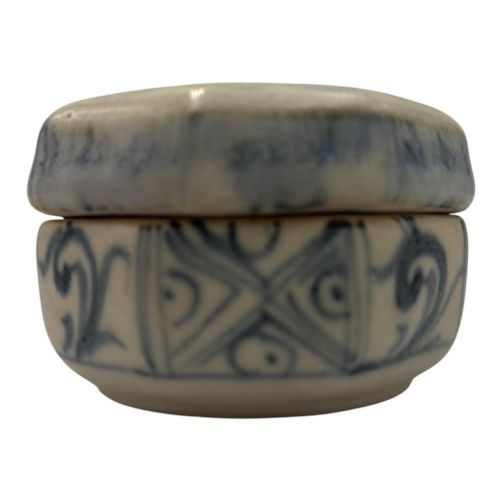
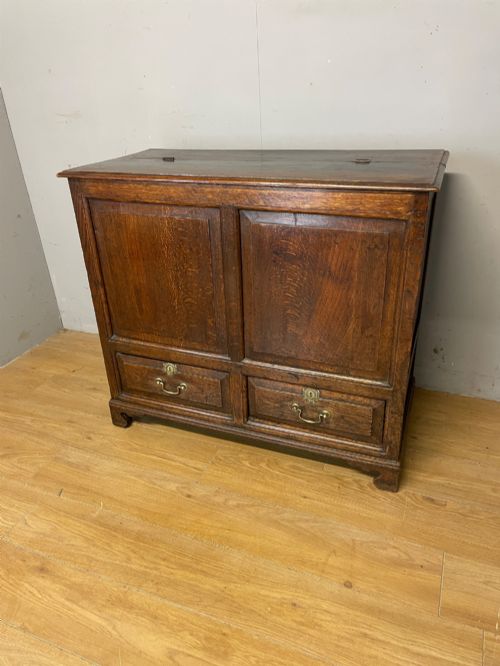
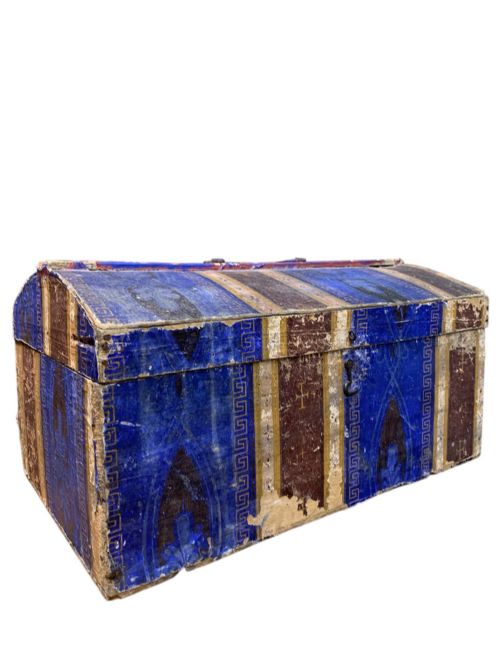
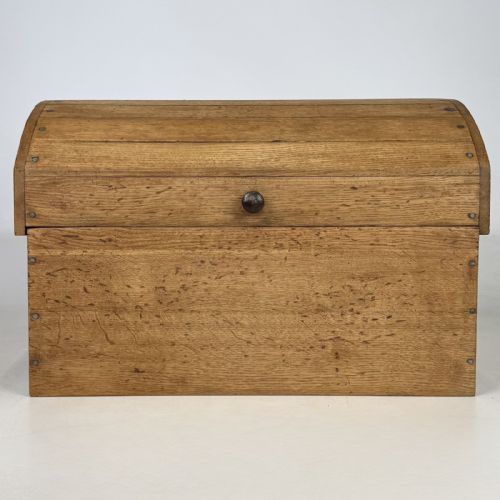
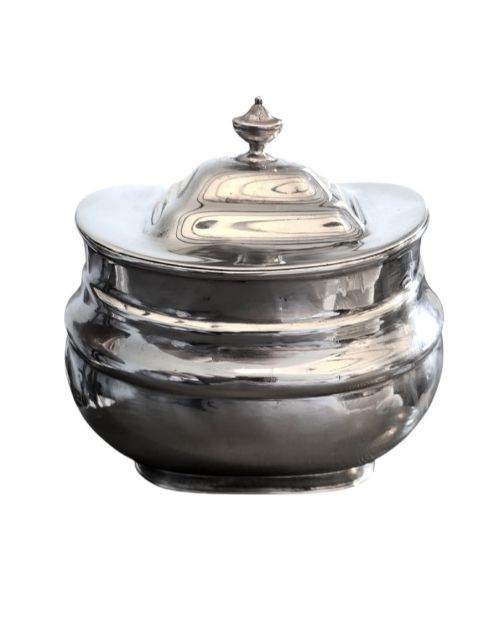
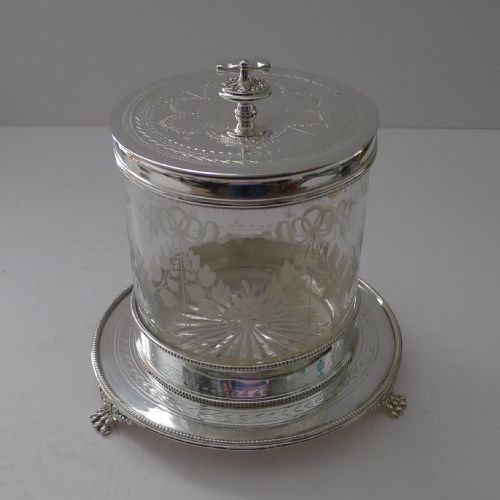
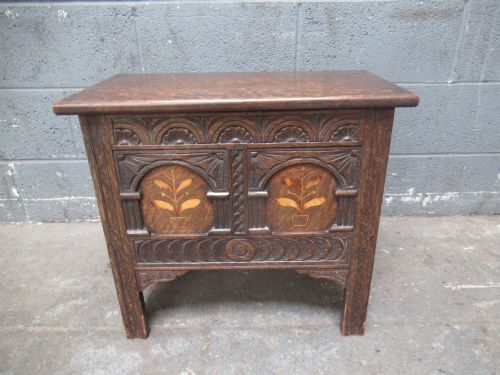
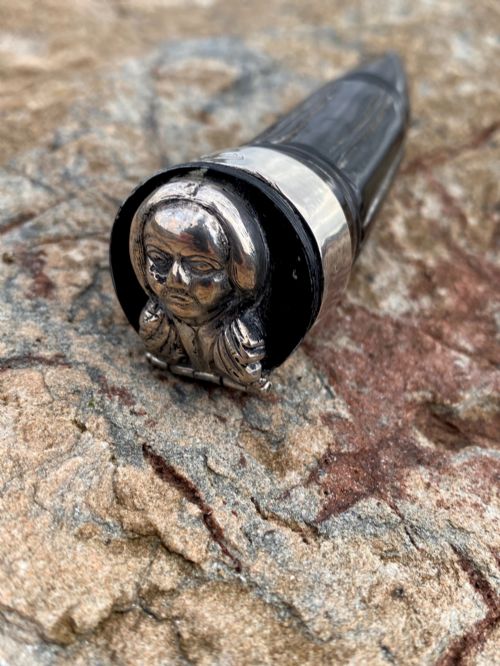
When searching for an antique box with lid, buyers encounter a diverse selection of containers spanning periods from pre-16th century coffers to Edwardian desk tidies. These pieces range from small trinket boxes and porcelain jars to larger coffers, chests, and coal bins.
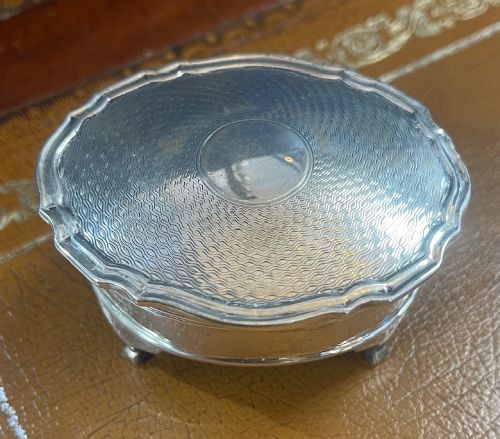
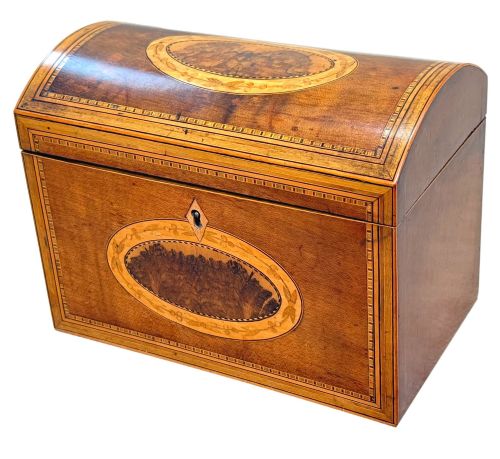
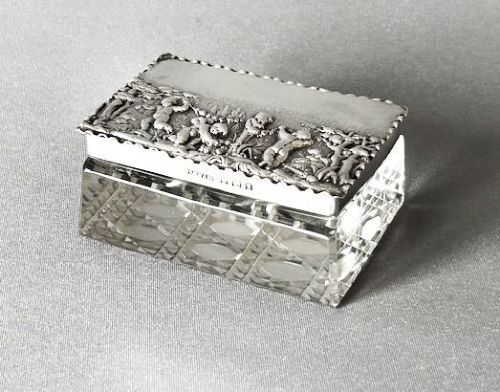
The most common examples on this page date from the Victorian and Edwardian eras, utilising materials such as mahogany, brass, and porcelain. Forms include sarcophagus-shaped teapoys, vanity jars with sterling silver mounts, and hand-painted French porcelain boxes.
Buyers also find utility in larger lidded vessels like pine fireside stores and brass log bins, alongside specialised items like Arts and Crafts pewter boxes and Japanese bronze boxes with mixed metal work.
Materials and construction
Construction relies heavily on traditional timber working, utilising mahogany, oak, and pine, often finished with inlays, nailhead details, or leather cladding as seen on early coffers. Metal elements such as brass, copper, and sterling silver provide structural mounts, hinges, and decorative accents.
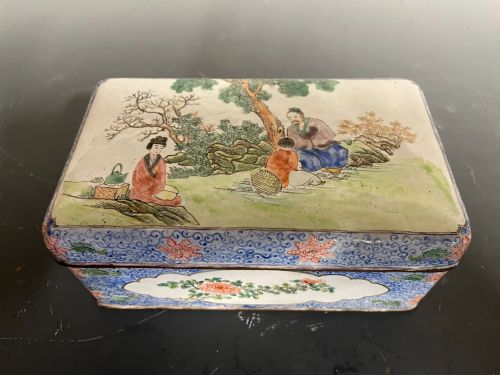
Ceramic and glass components feature prominently, ranging from cut glass vanity jars and cranberry glass biscuit barrels to hand-painted porcelain plaques and Meissen porcelain bodies. Artisans applied surface decoration through techniques including gilding, enamel panels, and mixed metal working in silver, gold, and bronze.
Antique Box with Lid Retail Price Guide 2026
Typical asking prices for box with lid among the pieces listed under this phrase on Sellingantiques today, from the lower quarter to the upper quarter. They describe what is for sale here now, not the wider market.
The styles represented include Edwardian, Regency, Victorian, Jacobean Revival, Military Campaign, and Arts and Crafts.
Distinctions in quality
Quality reveals itself in the fineness of the surface decoration, such as the precision of hand-painted porcelain plaques, gilt detailing, and mixed metal work on bronze lids. Superior examples display careful joinery and well-fitted hinged lids using quality brass or silver-plated mounts.
The choice and execution of materials also separate standard utility items from finer decorative pieces, visible in the depth of burr walnut veneer inlays, the clarity of cut glass, and the artistic merit of enamel panels.
The Antique Box with Lid Glossary
- Teapoy
- A small box or chest traditionally used for storing tea, often featuring a sarcophagus shape on this page.
- Coffer
- A robust wooden chest or box, typically used for storage and sometimes associated with early periods.
- Sucriere
- A lidded vessel designed specifically for holding sugar, frequently produced during the Regency period.
- Desk Tidy
- A compartmented lidded box used for organising stationery and small desk accessories.
- Campaign Chest
- A form of portable furniture constructed for travel, featuring hinged lift-up tops and sturdy handles.
Antique Box with Lid: Frequently Asked Questions
What were antique boxes with lids used for?
These lidded vessels served varied domestic purposes, from storing dry goods like sugar and tea to housing vanity items, trinkets, and desk stationery.
Larger lidded containers functioned as coffers for household storage or served near the hearth as bins for coal, logs, and fireside stores.
How do I date an antique lidded box?
Dating relies on identifying the prevailing styles, timber choices, and mounting hardware characteristic of specific periods such as the Victorian or Edwardian eras.
Construction methods and decorative motifs, including Arts and Crafts enamel work or Regency ceramics, also provide clear chronological markers.
Where should I place an antique box in my home?
Smaller trinket boxes and vanity jars suit dressing tables, sideboards, or mantelpieces where their detailed porcelain or silver mounts remain visible.
Larger chests, coffers, and log bins function well as living room storage or functional fireside accessories that anchor a room's aesthetic.
What is the difference between a teapoy and a trinket box?
A teapoy is a specialised container historically designed for holding tea leaves, frequently taking a substantial sarcophagus shape on a stand.
A trinket box is generally much smaller, intended strictly for holding personal jewellery and small keepsakes.