

Antique Box with Legs
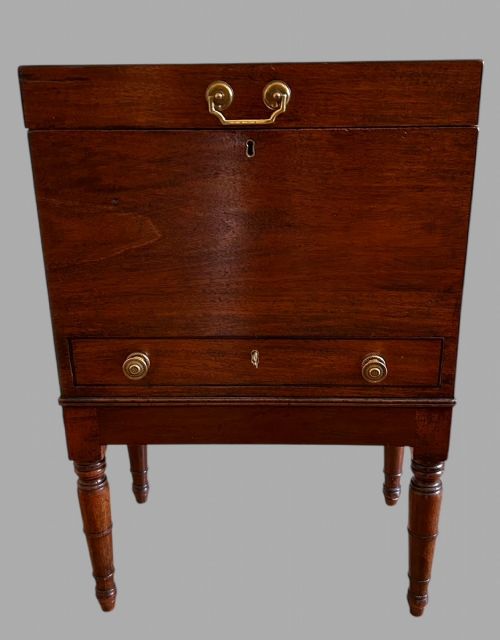
An antique box with legs elevates functional storage onto a distinct stand, bringing rich mahogany, burr walnut and brass detailing into the room.
Antique Box with Legs
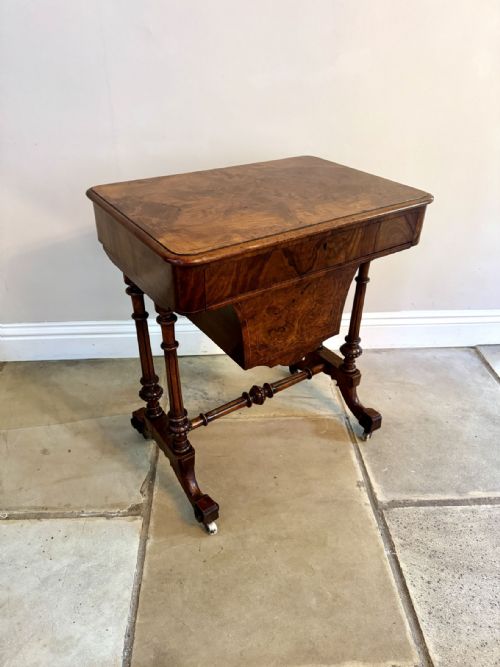
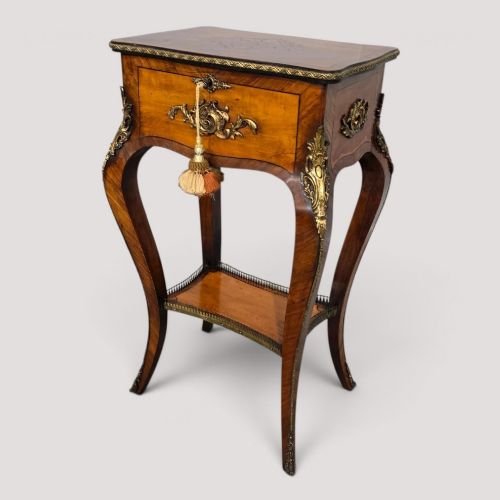
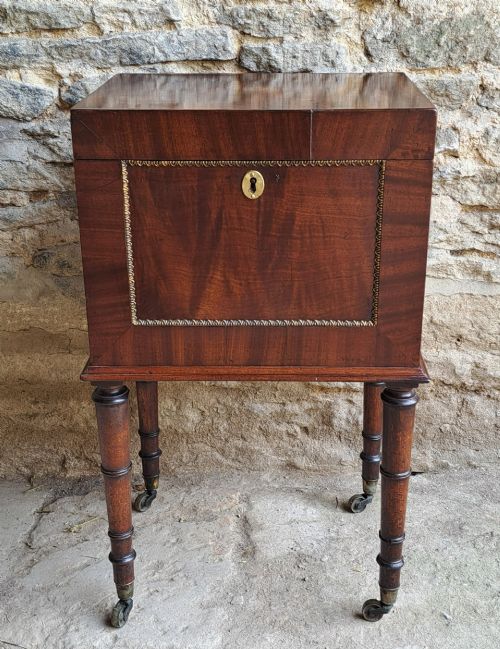
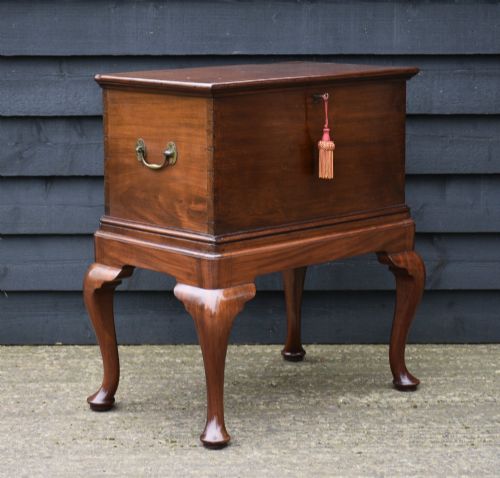
When you search for an antique box with legs, you encounter a varied assortment of raised containers designed for specific domestic tasks rather than simple floor storage. The selection spans utilitarian sewing tables and canteen cabinets to grander chests on stands originating from the eighteenth, nineteenth and early twentieth centuries.
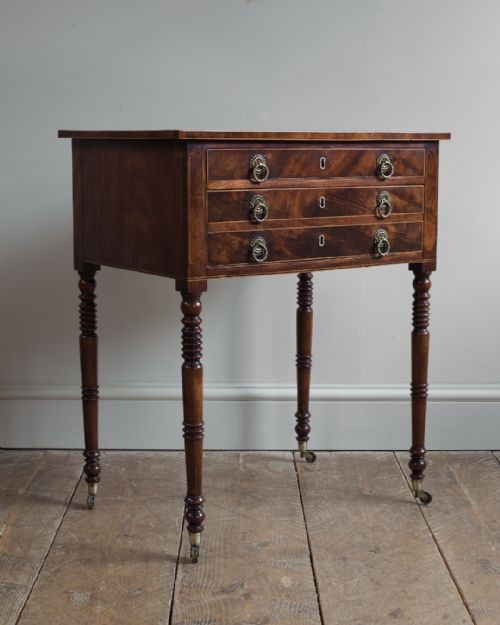
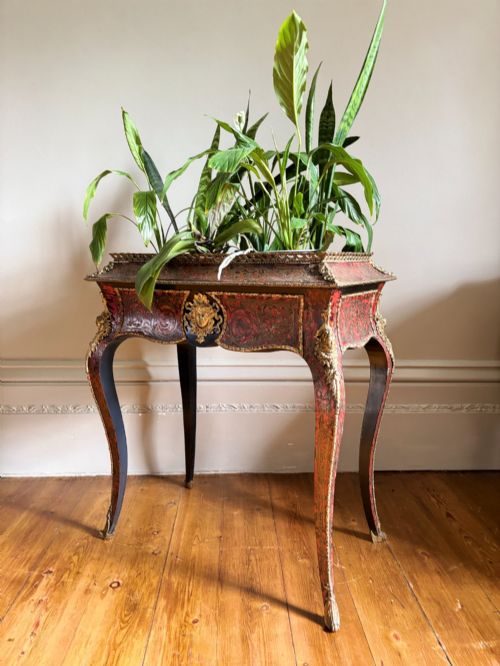
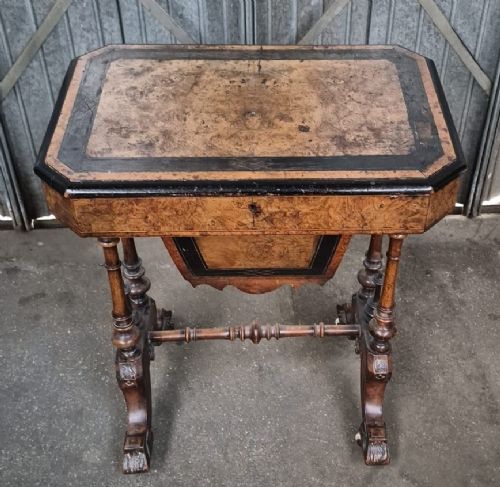
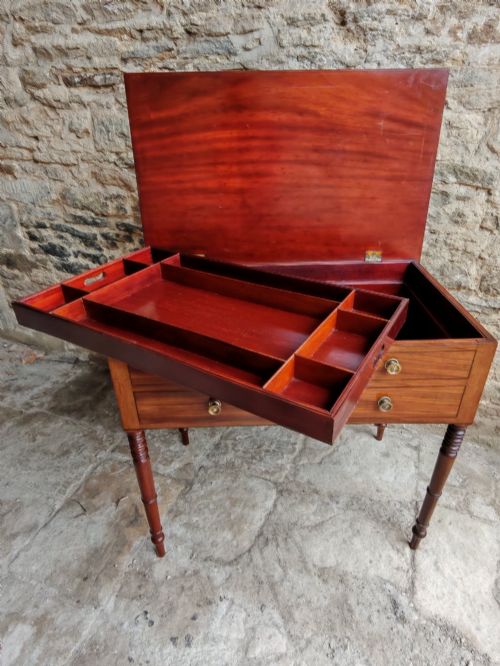
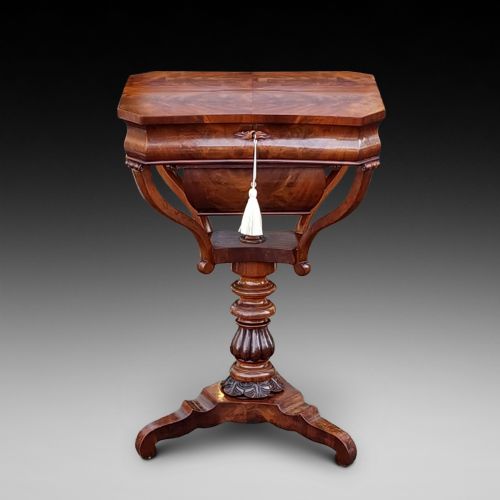
Mahogany and burr walnut dominate the pieces listed here, taking the form of work tables with lift-off lids or drop leaves alongside tripod tables featuring boxwood inlay. These items bridge the gap between cabinetry and furniture, combining the enclosed security of a traditional box with the elevated stature of a proper table.
Origins stretch from the restrained elegance of the Regency period and the George II era through to Victorian revivals and Edwardian examples. Buyers most frequently meet nineteenth-century work tables and sewing boxes, which often conceal compartments beneath their hinged tops for needles, thread or cutlery.
Materials and construction
Cabinetmakers utilised dense timbers like mahogany and burr walnut, often applying delicate boxwood inlay to accent the tops and legs of tripod tables. These woods provided a stable foundation for intricate work tables and chests on stands that required both durability and a refined surface finish.
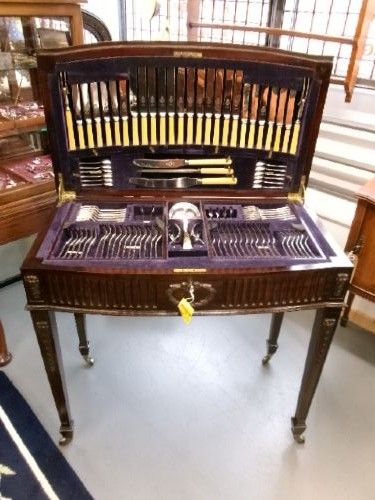
Interior fittings frequently involved secondary woods and fabric linings such as velvet to protect cutlery canteens or sewing equipment. Exterior hardware relied on brass hinges, escutcheons and castors, marrying structural joinery with functional metalwork.
Antique Box with Legs Retail Price Guide 2026
Typical asking prices for box with legs among the pieces listed under this phrase on Sellingantiques today, from the lower quarter to the upper quarter. They describe what is for sale here now, not the wider market.
The listings show pieces spanning from the George II era through Regency and Victorian periods up to Edwardian times, constructed mainly in mahogany and burr walnut.
Judging quality and craftsmanship
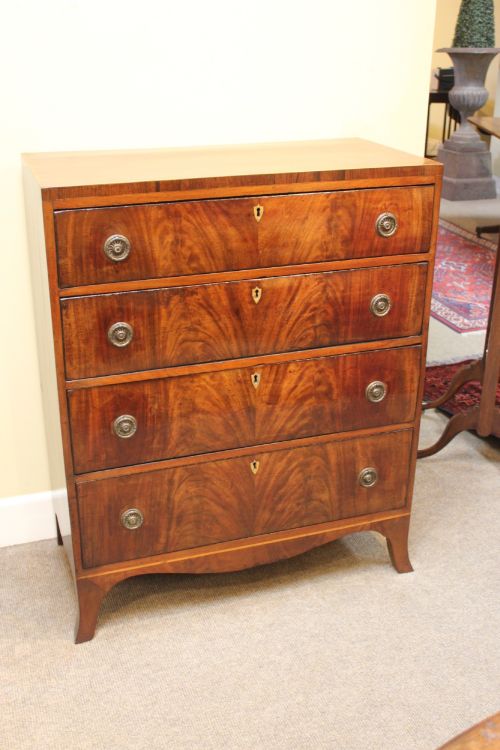
The distinction between standard items and superior examples lies in the precision of the cabinetwork and the figuring of the timber veneers. Burr walnut and mahogany pieces with striking grain patterns and crisp boxwood inlay command attention through their visual depth.
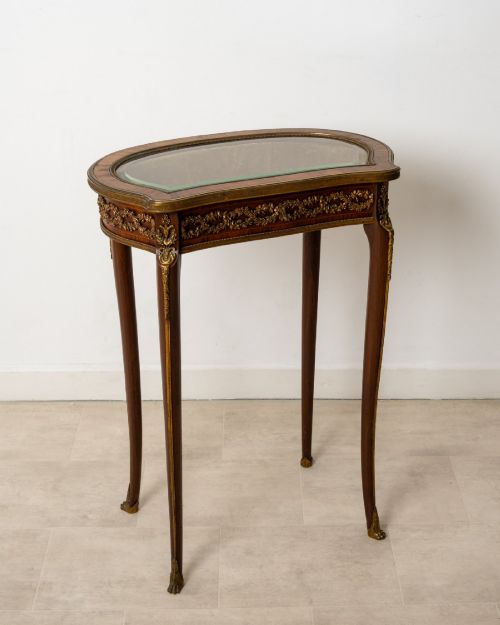
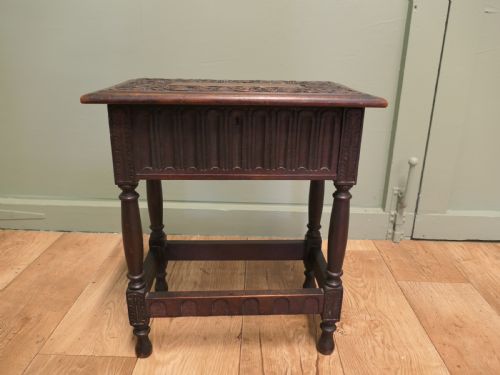
Proportion and the integration of the box onto its stand define the architectural success of the piece. Finer items maintain a harmonious balance between the container and its supporting legs, whether configured as slender tripod supports or robust chest bases.
The Antique Box with Legs Glossary
- Chest on stand
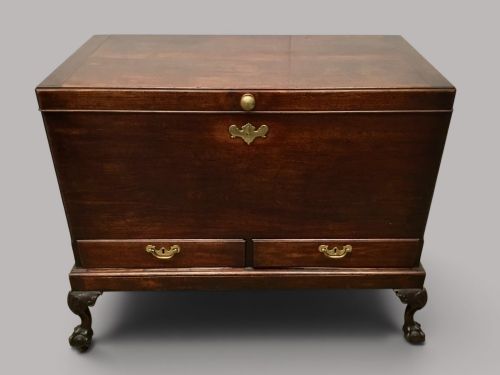
- A cabinet or chest elevated on a separate frame with legs, lifting storage off the floor to create a lighter silhouette. This form dates back to the eighteenth century and earlier.
- Work table
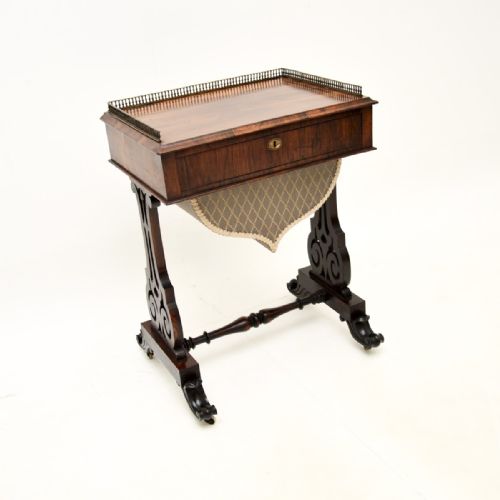
- A small specialised table fitted with drawers, compartments or a fabric bag beneath the top for sewing and needlework. These pieces became particularly popular during the nineteenth century.
- Tripod table
- A small occasional table supported by a central pillar resting on three legs. They frequently feature decorative inlay or tilting tops.
- Canteen of cutlery
- A fitted box or cabinet designed to hold a complete set of tableware securely. Examples often use baize or velvet lining to separate individual pieces of silver plate and steel.
- Burr walnut
- Timber taken from the gnarled growth of a walnut tree, prized for its swirling, highly decorative grain pattern. Cabinetmakers used it as a veneer on high-status nineteenth-century surfaces.
Antique Box with Legs: Frequently Asked Questions
What were sewing tables used for?
These tables served as mobile workstations for domestic needlework, holding threads, needles and fabric within fitted interior compartments. Ladies kept them close to hand in the parlour during the nineteenth century.
Many designs included a suspended silk bag or a deep wooden well beneath the main surface to catch offcuts and hold ongoing projects. Their compact size allowed them to be repositioned easily around the room.
How do I date an antique chest on stand?
Dating relies heavily on the timber species, construction methods and stylistic markers of the legs and base frame. Eighteenth-century pieces often display walnut or early mahogany with hand-cut dovetails and solid structural framing.
Later Victorian and Edwardian examples generally incorporate machine-sawn elements, different secondary woods, and revivalist decorative motifs. Examining the underside and drawer linings reveals the age of the woodwork.
Can I use a work table as a bedside cabinet?
Their height and proportion make them suitable for bedside use, offering a surface for a lamp and enclosed storage for night-time essentials. The fitted compartments originally intended for sewing items work well for modern small objects.
Care should be taken with antique polished surfaces, using coasters to prevent moisture rings from glasses or bottles. Placing them away from direct heat sources protects the timber and veneer.
What is the difference between a cutlery canteen and a box?
A cutlery canteen is specifically partitioned and lined to hold knives, forks and spoons in designated slots rather than general storage. This specialised interior protects silver plate and steel blades from rubbing together.
Standard boxes offer open or simply divided spaces suitable for letters, trinkets or sewing tools. Canteens often sit on dedicated stands or take the form of substantial freestanding cabinets.