


Antique Box with Inlay
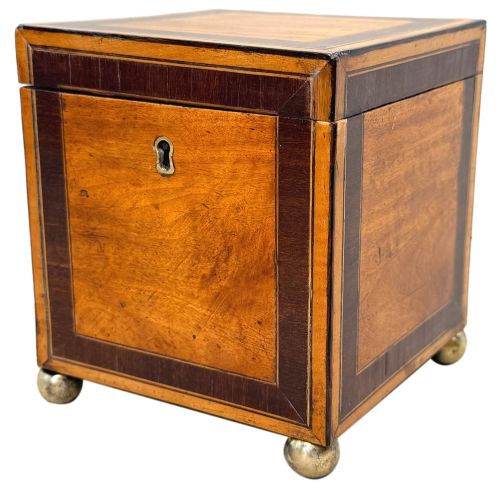
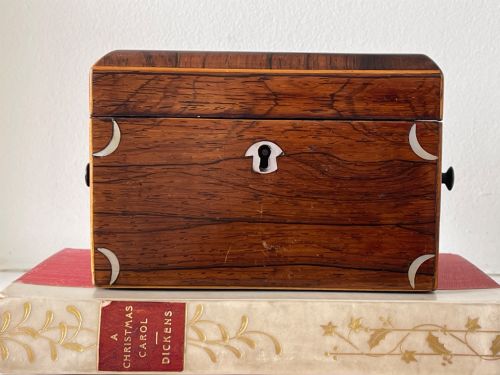
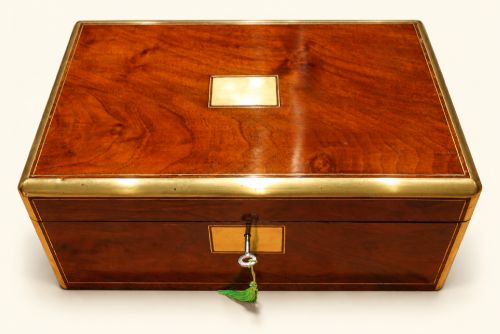
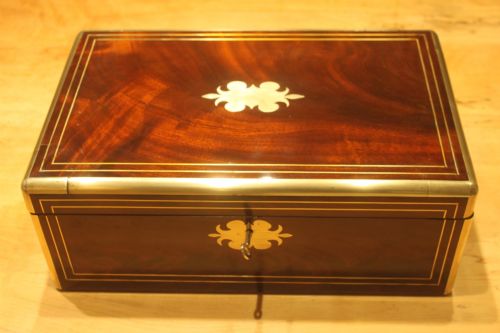
An antique box with inlay brings together dense timbers and precise contrasting woods or shell, ready to hold letters, tea or jewellery on a desk.
Antique Box with Inlay
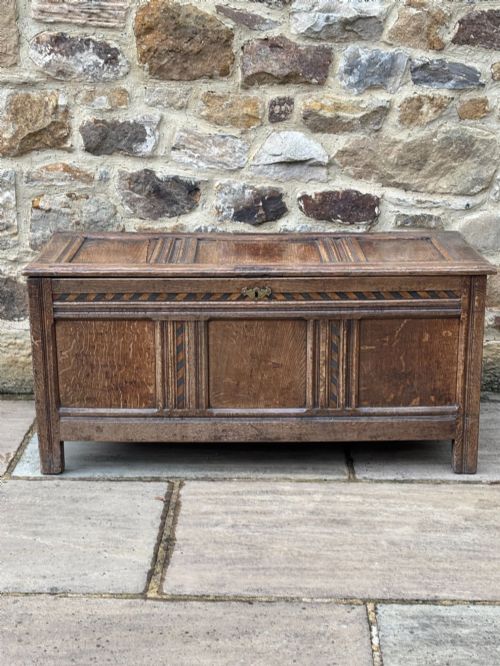
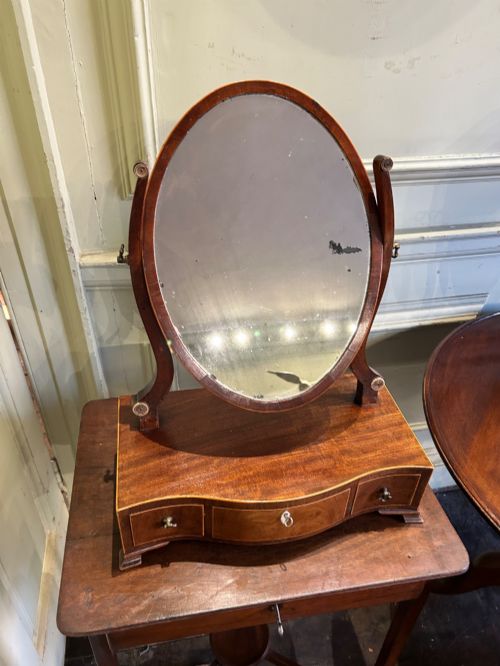
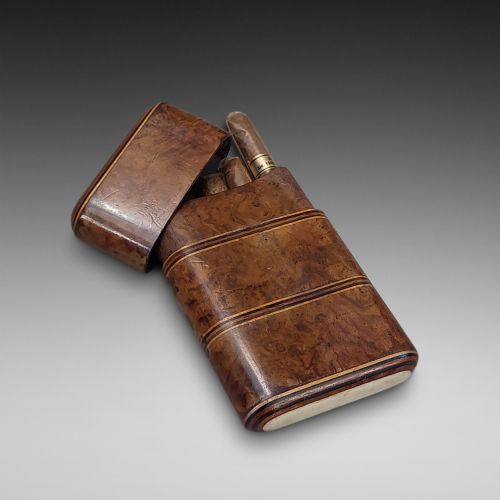
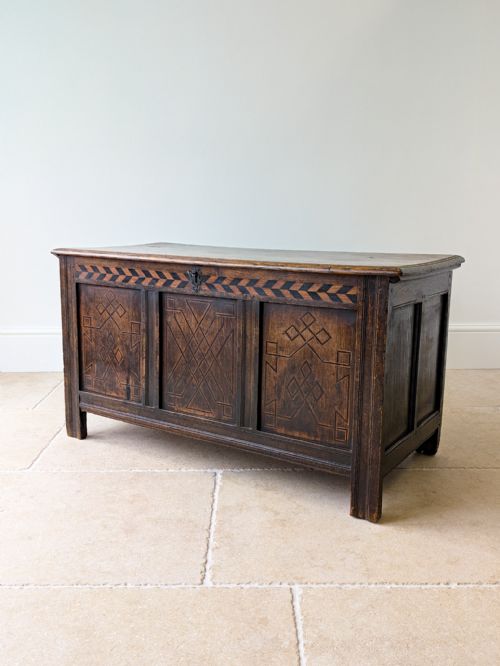
An antique box with inlay appears in various forms across the Georgian, Victorian and Edwardian eras, spanning small personal items and larger furniture pieces. Buyers encounter writing slopes, tea caddies, jewellery boxes and snuff boxes alongside occasional larger items like settles and tables.
The domestic containers reflect the changing storage needs of households from the seventeenth century through to the early twentieth century. Smaller lidded pieces dominate the selection, often fitted with compartments or trays for precious belongings.
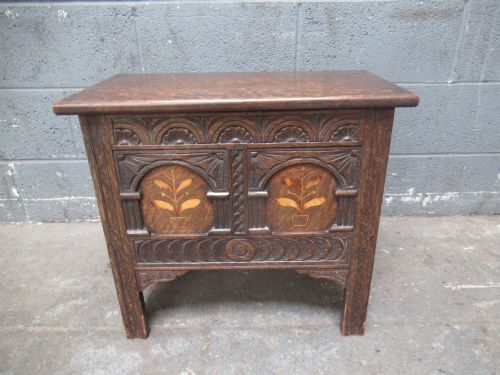
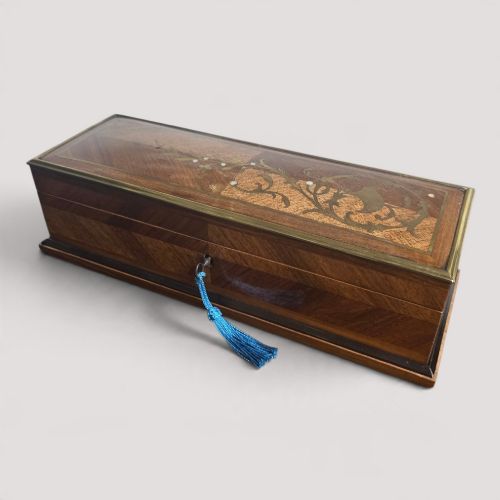
Timbers such as mahogany, rosewood and burr walnut form the primary structure of these items. Makers ornamented the surfaces with contrasting materials, setting geometric or floral patterns into the wood grain.
Materials and construction
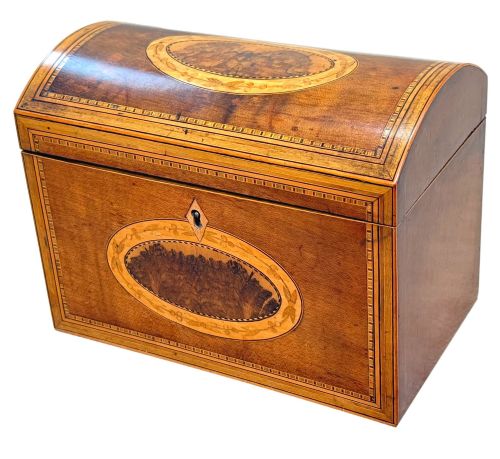
Cabinetmakers constructed the carcase of each piece using dense hardwoods like mahogany, oak or walnut, sometimes applying fine veneers over secondary woods. Boxwood, ebony, satinwood and tulipwood provided pale or dark contrasts for the linear patterns and motifs.
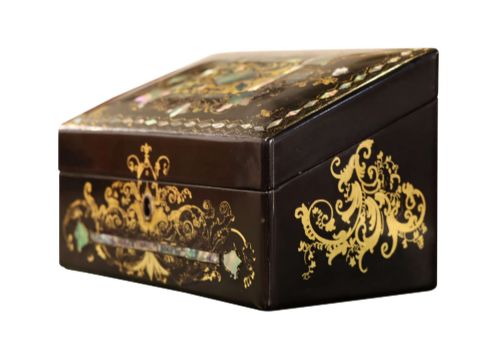
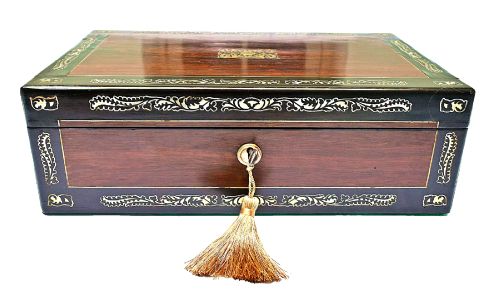
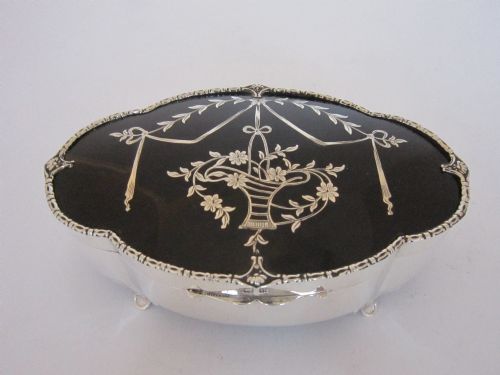
Inlaid sections required meticulous hand-cutting of recesses into the solid timber or veneer to receive thin pieces of contrasting wood, bone or mother of pearl. Brass stringing and brass pique work added metallic definition to the geometric borders and floral arrangements.
Internal fittings required precise joinery, particularly for writing slopes and jewellery boxes containing secret drawers, removable trays and lidded compartments. Linings of silk, velvet or plain paper completed the interior storage spaces.
Antique Box with Inlay Retail Price Guide 2026
Typical asking prices for box with inlay among the pieces listed under this phrase on Sellingantiques today, from the lower quarter to the upper quarter. They describe what is for sale here now, not the wider market.
Listings feature items spanning the seventeenth to the twentieth centuries, utilising mahogany, rosewood, walnut, oak, and tortoiseshell.
Judging the execution
The precision of the contrasting insertions separates standard workshop output from finer cabinet work. Tight joints around the individual pieces of wood or shell indicate skilled hand execution rather than rushed production.
Selection of the base timber heavily influences the character of the object, with figured grains like burr walnut or bird's eye maple providing greater visual depth. The integration of quality hardware, such as Bramah locks and flush brass handles, points to higher original cost.
Survival of internal components, including original trays, inkwells, canisters and velvet linings, preserves the integrity of the piece. Minimal disturbance to the original surface finish maintains the authentic appearance of the aged timbers.
James Shoolbred & Co
The Antique Box with Inlay Glossary
- Inlay
- The technique of inserting pieces of contrasting material into a recessed pre-cut surface to form a decorative pattern. This differs from marquetry, which covers the entire surface in a mosaic veneer.
- Writing slope
- A portable desk with a hinged sloping lid that opens to reveal a writing surface, inkwells and storage compartments. Many examples include secret drawers hidden behind internal partitions.
- Tea caddy
- A box designed for storing loose tea leaves securely, often featuring internal lidded cannisters or a mixing bowl. Teas were expensive commodities in the eighteenth and nineteenth centuries, necessitating lockable containers.
- Snuff box
- A small pocket-sized container used for holding dry powdered tobacco. These diminutive pieces frequently display intricate bone or brass pique ornamentation.
- Mother of pearl
- The iridescent internal layer of mollusc shells, commonly cut into thin geometric shapes or floral motifs for decorative inlay. It provides a luminous contrast against dark rosewood and papier-mâché.
Antique Box with Inlay: Frequently Asked Questions
How do I date an antique writing slope?
Writing slopes changed in construction and internal arrangement over the decades. Georgian examples often feature simpler internal layouts, whilst Victorian versions frequently incorporate brass binding, Bramah locks and complex secret drawers.
Secondary woods used inside the compartments and the style of the hinges provide further clues to the period of manufacture.
What were tea caddies used for?
Tea caddies stored precious tea leaves safely under lock and key in the parlour or dining room. The leaves were expensive, so the head of the household kept the box locked between uses.
Many caddies contain two internal cannisters for different varieties of tea, alongside a central glass or ceramic mixing bowl.
How do I care for inlaid wooden boxes?
Keep wooden boxes away from direct sunlight and sudden changes in temperature to prevent the timber and veneers from warping or cracking. Natural wax polish applied sparingly helps maintain the lustre of the wood.
Avoid excessive moisture on paper-lined interiors and fragile bone or mother of pearl sections.
What is Tunbridge inlay?
Tunbridge inlay involves assembling thousands of tiny coloured wood blocks into mosaic pictures or geometric borders. Craftsmen in Kent produced these detailed pictorial designs for small boxes and desk accessories during the nineteenth century.
Inspect the surface closely to appreciate the microscopic precision of the individual wood squares making up the motif.