

Antique Box Set
An antique box set brings together fitted containers and matched contents, offering a glimpse into past pastimes, writing habits, and dining rituals.
Antique Box Set
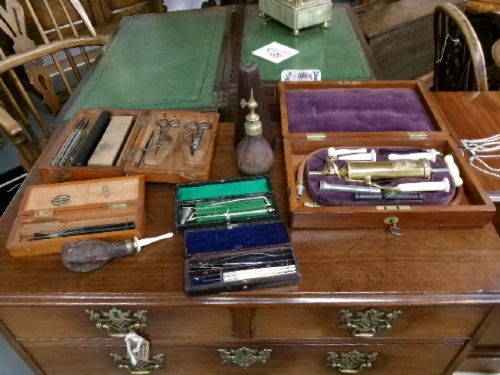
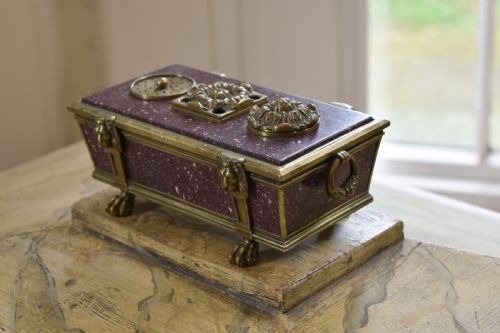
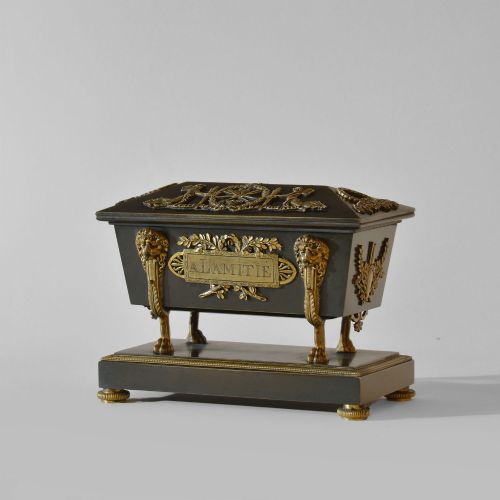
When you examine an antique box set, you encounter matched collections housed inside custom containers, ranging from cutlery canteens and tantalus sets to games boxes and writing slopes. These groupings often span the nineteenth and early twentieth centuries, reflecting the domestic organisation and social habits of Victorian and Edwardian households.
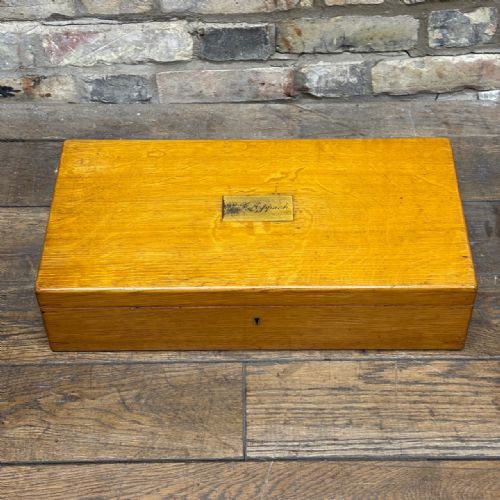
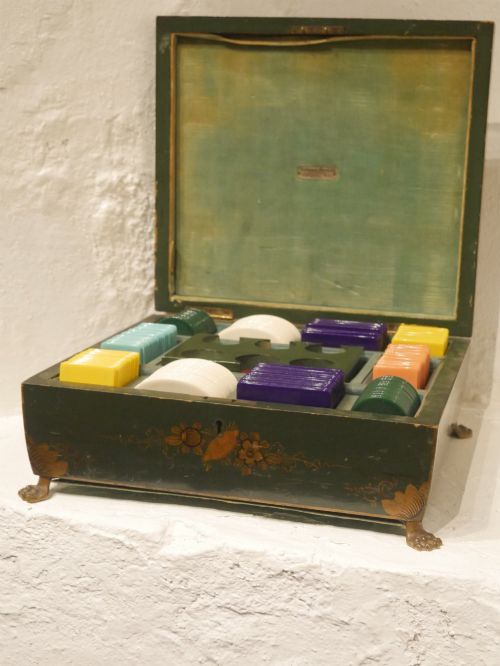
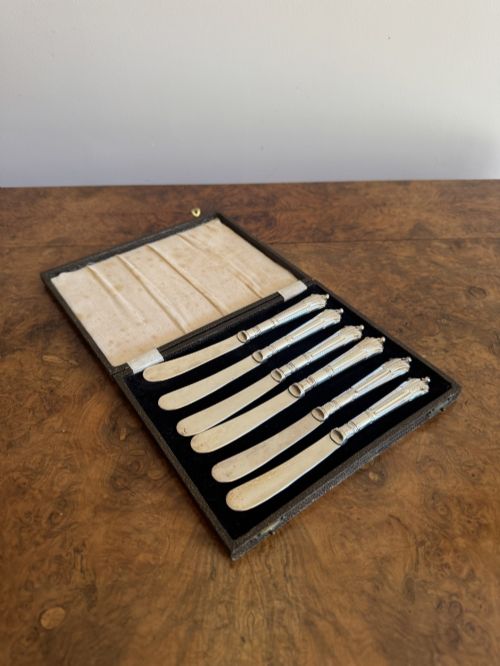
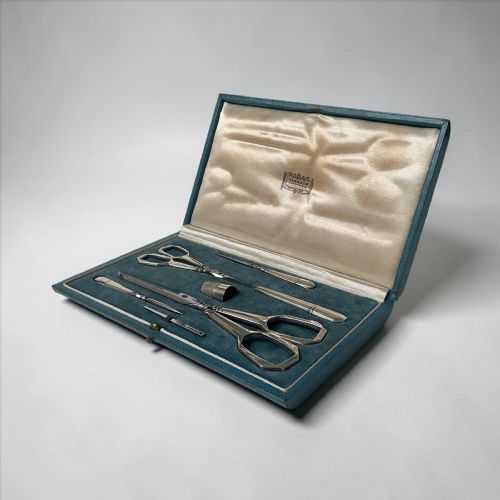
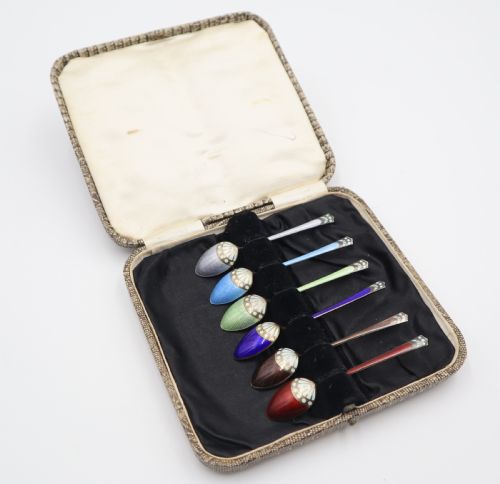
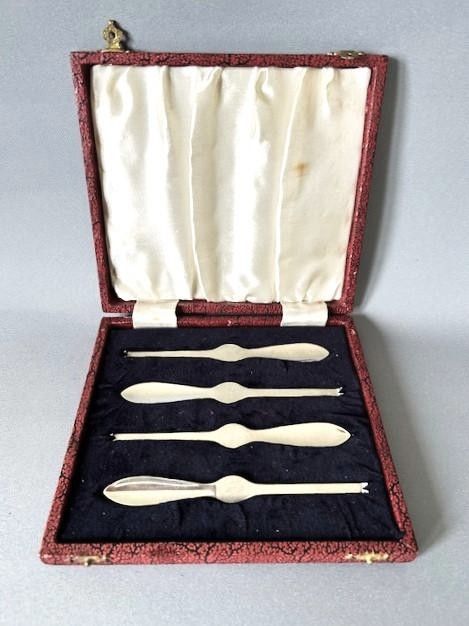
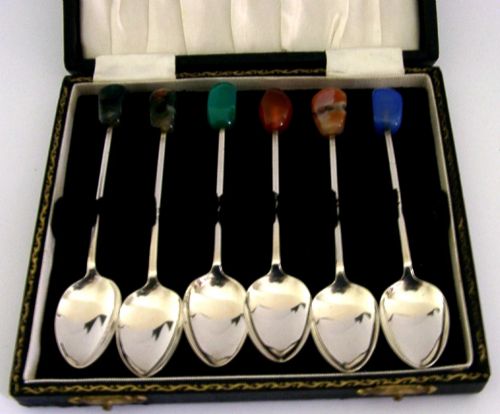
On this page, the pieces you meet most frequently take the form of boxed silver spoons, fitted travelling cases, and parlour games housed in oak or mahogany. Makers organised these items for specific duties, such as serving dessert, playing cards, or writing correspondence while away from home.
The objects inside these sets reveal how previous generations entertained themselves and guests. From cased croquet equipment to fitted writing desks, these groupings preserve complete sets that might otherwise have been scattered over time.
Materials and construction methods
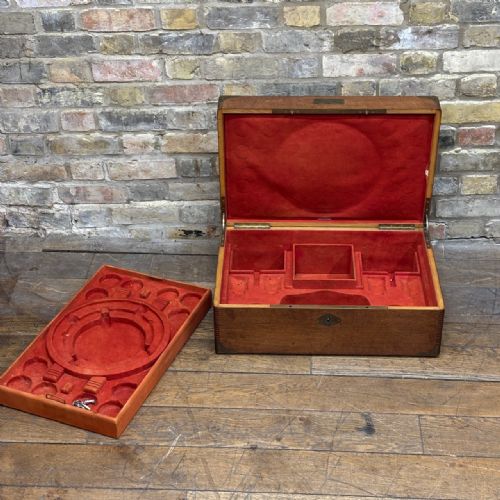
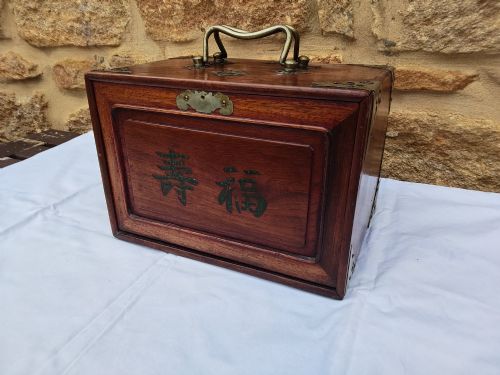
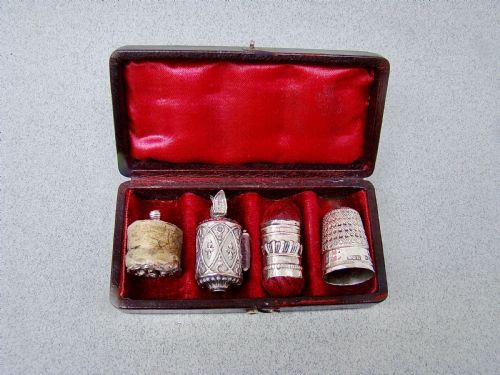
Cabinet makers built the outer housings using durable timbers such as oak, walnut, mahogany, and rosewood, often incorporating brass mounts, ormolu, and lockable hinges to secure the contents. Interiors were lined with velvet, silk, or fitted wooden blocks designed to hold each individual piece securely in place.
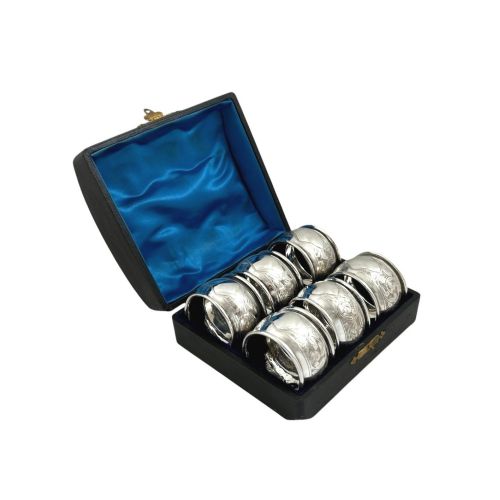
Metal components such as sterling silver, silver plate, and brass underwent casting, stamping, and engraving to produce matched cutlery, napkin rings, and cruet sets. Artisans also applied specialised finishes, including red lacquer and Chinoiserie designs, to exterior surfaces for decorative effect.
Antique Box Set Retail Price Guide 2026
Typical asking prices for box set among the pieces listed under this phrase on Sellingantiques today, from the lower quarter to the upper quarter. They describe what is for sale here now, not the wider market.
Judging the quality of matched sets
Quality rests upon the integrity of the fitted interior and whether the contents remain entirely original to the box. Sets that retain every matching spoon, glass bottle, or game piece without replacement hold greater significance than those with substituted items.
The standard of craftsmanship in the cabinetry and metalwork dictates the tier of the piece. Finely figured wood veneers, precise dovetail joints, robust brass hardware, and crisp hallmarks on silver elements distinguish superior workshops from standard production.
Edwards & Jones·De Grave Short & Co·Levi & Salaman
The Antique Box Set Glossary
- Tantalus
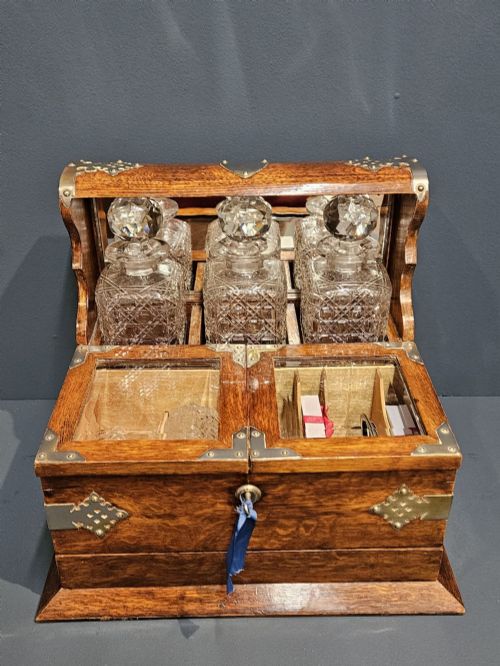
- A locked cabinet holding decanters that displays the contents while preventing unauthorized access to the liquor. It usually requires a key to release the locking mechanism across the necks of the bottles.
- Canteen
- A fitted box or cabinet designed specifically to store a complete set of cutlery. These containers often feature multiple velvet-lined tiers to organise forks, spoons, and knives.
- Vesta
- A small pocket box used to hold wax matches, frequently combined with a striking surface. Edwardian versions often paired these with sealing wax compartments for correspondence.
- Writing slope
- A portable desk with a slanted writing surface that folds flat, opening to reveal compartments for stationery, inkwells, and pens. They are frequently lined with velvet or leather.
- Divit Qalamdan
- A traditional travelling scribe's case containing an inkwell and pen holder, often fashioned from brass. These items reflect Middle Eastern writing traditions from earlier centuries.
Antique Box Set: Frequently Asked Questions
How were tantalus sets used?
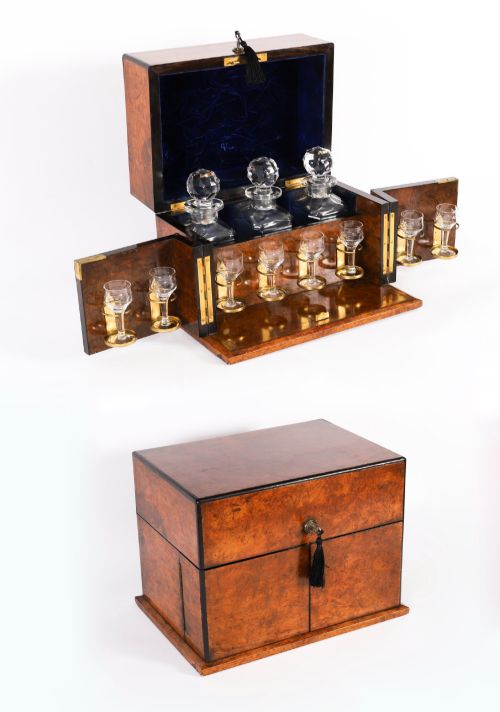
A tantalus held three or more decanters of spirits securely behind a locked metal bar to prevent servants from consuming the contents. The bottles remained visible to guests while keeping the supply secure.
Households placed these in studies or dining rooms for formal entertaining. The locking mechanism required a small key kept by the head of the house.
What went into a travelling set?
Travelling sets included glass scent bottles, brushes, and silver-lidded jars fitted tightly into burr walnut or rosewood boxes. Wealthy Victorians carried these personal items on extended journeys to maintain grooming routines.
Leather exterior cases often protected the wooden boxes during transit. Every compartment was custom-carved to hold a specific glass or metal item without movement.
How do I date a silver cutlery set?
Silver components feature assay office marks, date letters, and maker's stamps that reveal the exact year of manufacture. British sterling pieces display the lion passant and specific town marks.
Matching cases often carry retailer plaques or stamps inside the lid. Comparing the hallmark date letter against published registers provides the precise year.
What is a bridge box used for?
Bridge boxes stored playing cards, scoring pads, and pencils for card games popular in Edwardian drawing rooms. Leather or wooden exteriors often featured tooled gilt decorations.
Interior partitions kept multiple decks separate from the scoring equipment. These boxes sat on parlour tables ready for evening gatherings.