

Antique Box Pair
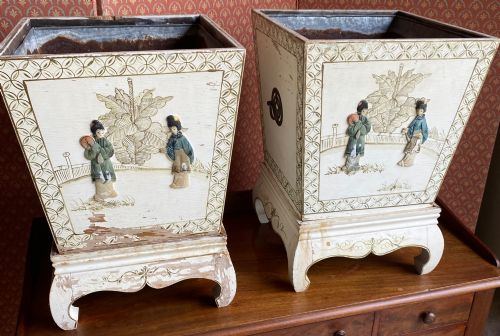
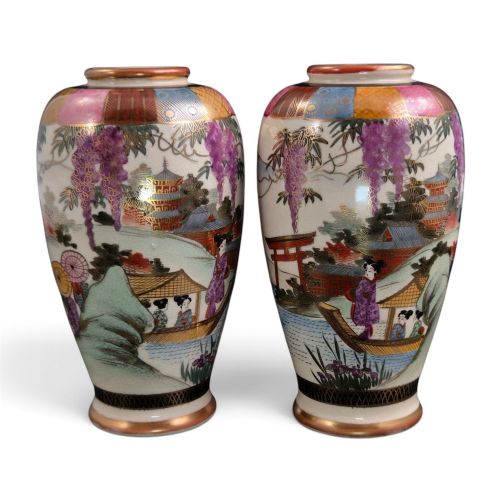
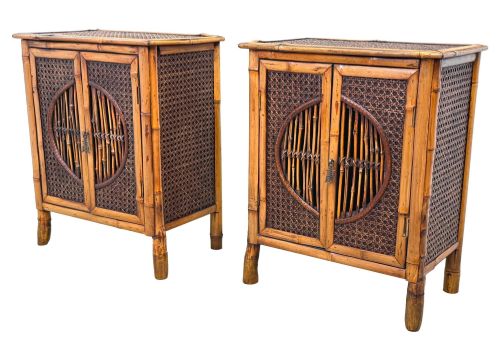
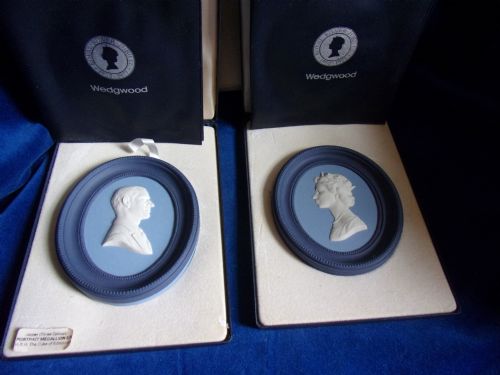
These antique box pair items bring matched storage and display items into a room, offering dual utility and symmetrical period charm.
Antique Box Pair
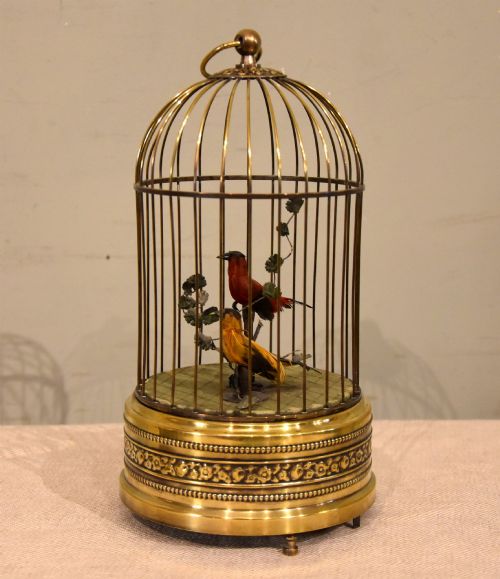
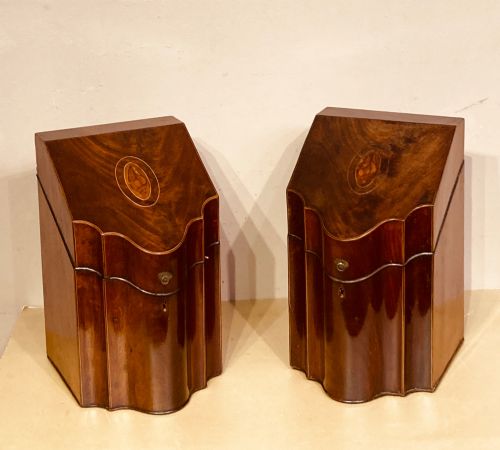
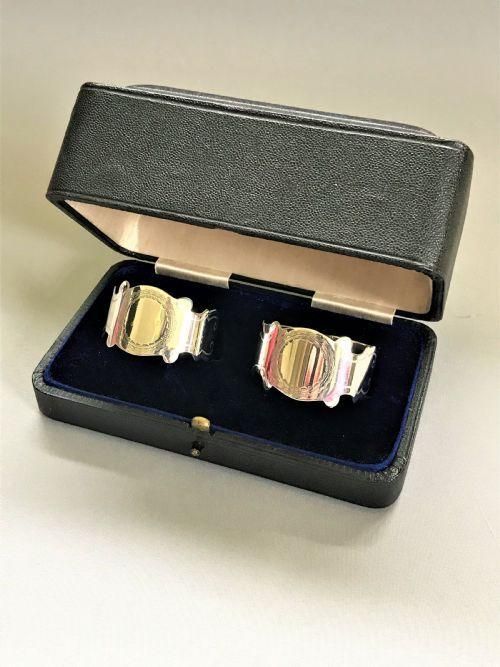
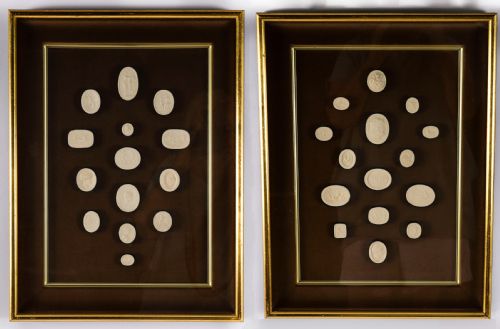
When you search for an antique box pair, you encounter matching containers that span centuries, including Georgian mahogany knife boxes, Victorian jewellery caskets, and Edwardian cased silver items. These matched objects frequently comprise containers, caddies, and miniature cupboards designed for functional use or decorative display in domestic interiors.
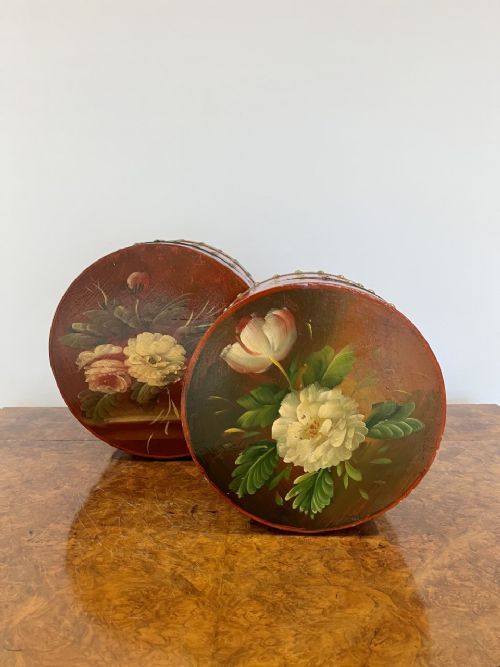
The selection on this page demonstrates that pairs often emerge in dining accessories and travel containers, such as George III knife boxes and bound pine chests. Buyers find both fitted presentation cases for silver flatware and standalone lidded vessels originating from Victorian and Edwardian workshops.
Materials and construction
Craftsmen utilised solid hardwoods like mahogany alongside softwoods like pine, frequently applying decorative veneers and inlaid details to the exterior surfaces of knife boxes and tea caddies. Metal elements appear extensively, ranging from sterling silver mounts and gilt-brass fittings to leatherette and brass hardware.
Interiors rely on tactile linings including velvet and silk to cushion delicate contents within fitted cases. Structural assembly combines traditional joinery with handcrafted hardware, creating durable lidded vessels and cased table wares designed to survive centuries of use.
Antique Box Pair Retail Price Guide 2026
Typical asking prices for box pair among the pieces listed under this phrase on Sellingantiques today, from the lower quarter to the upper quarter. They describe what is for sale here now, not the wider market.
Listings feature items spanning the 18th, 19th, and 20th centuries, including Georgian, Victorian, and Edwardian periods.
Factors determining quality
The standard of an antique box pair rests on the precision of the timber matching and the crispness of any inlay work across both pieces. Superior examples maintain original surface patination and retain their fitted internal compartments without structural alterations.
Hardware integrity dictates overall value, with intact silver mounts, original hinges, and matching clasps elevating a pair above those with replacement elements. The harmony between the two items in scale, timber grain, and decorative motifs separates standard utility pieces from exceptional collector items.
Martin Hall & Co·Mappin & Webb·Cartier
The Antique Box Pair Glossary
- Knife box
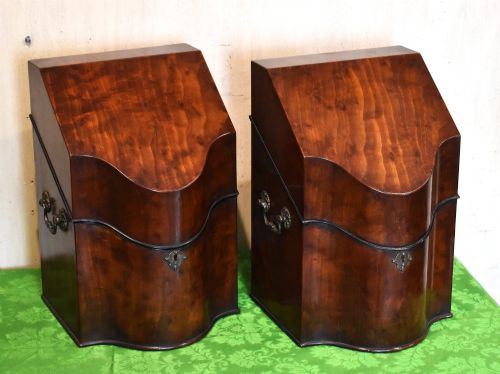
- A sloped container traditionally used in the Georgian period to store dining cutlery upright or flat. These pieces often feature serpentine or bow fronts in figured mahogany.
- Tea caddy
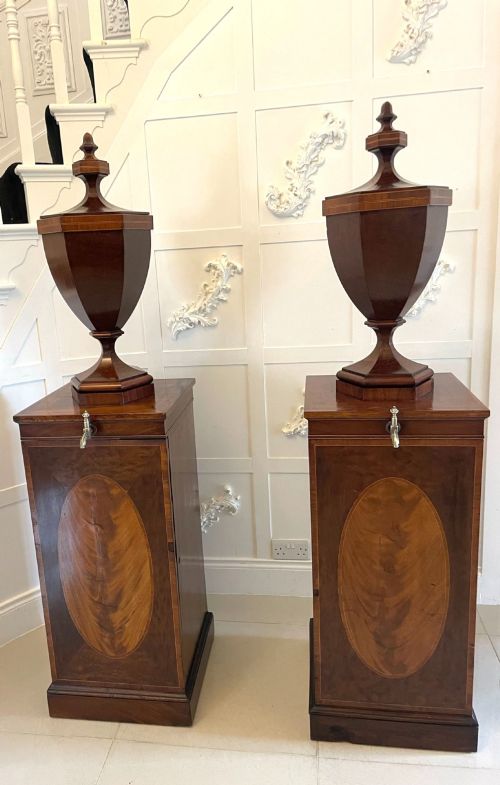
- A lidded container built to hold dry tea leaves securely. Pairs of these vessels frequently sat inside wooden outer cases or served on dedicated cellarettts.
- Cased
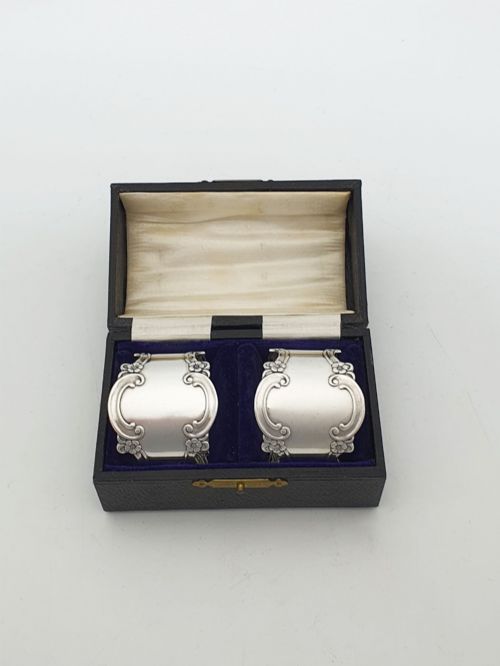
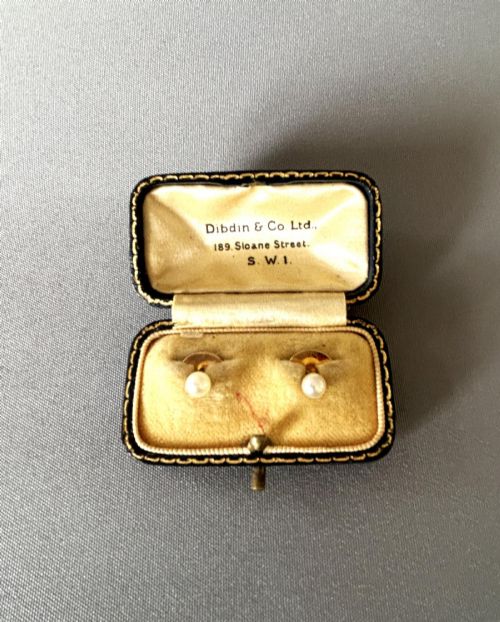
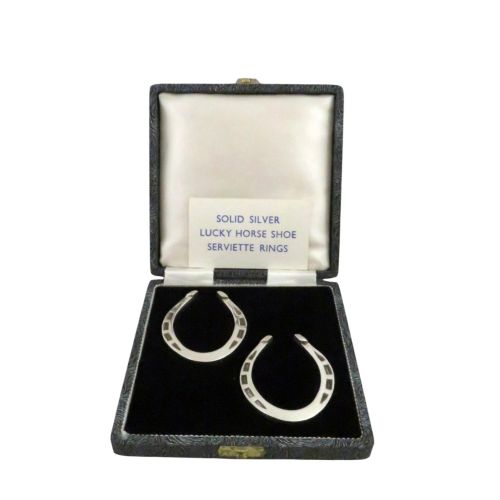
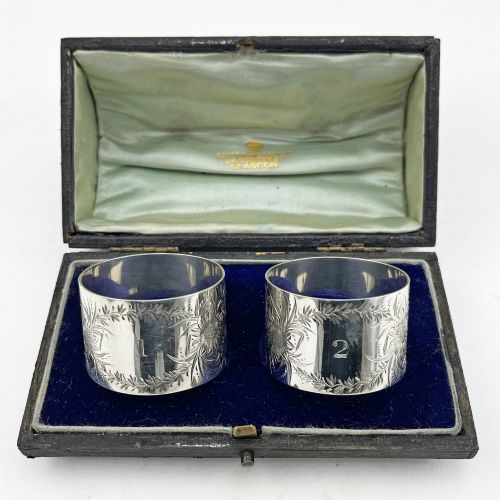
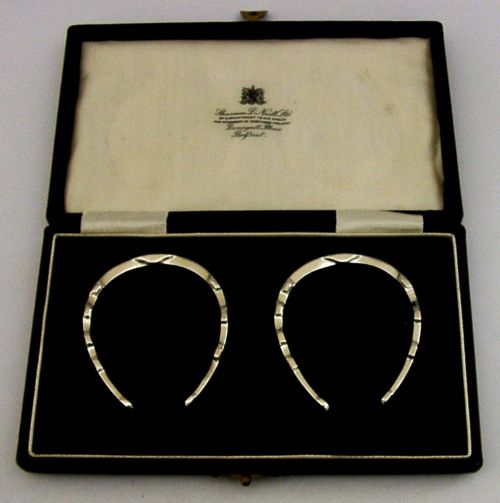
- A descriptor for items sold within their original fitted presentation housing. These velvet or silk-lined enclosures protect silver spoons, napkin rings, or grape shears.
- Patina
- The surface sheen and tactile depth developed by wood or metal over decades of handling and polishing. Good examples show uniform wear consistent with age.
- Inlay
- A decorative technique where contrasting woods, brass, or shell are set flush into the primary timber surface to form geometric or floral patterns.
Antique Box Pair: Frequently Asked Questions
How were knife boxes used?
Georgian households placed knife boxes on sideboards or serving tables to hold steel-bladed eating utensils when dining rooms were not in active use. The sloping lids protected the metal from tarnishing damp air.
Servants transferred the cutlery to the dining table as required, making these lidded containers both functional storage and prominent decorative fixtures in wealthy homes.
Why are silver items cased?
Presentation cases protected delicate tableware such as dessert spoons, fish servers, and napkin rings from dust, tarnish, and physical damage between formal meals. Fitted velvet or silk interiors held each piece securely in place.
Original cases significantly enhanced the status of the silver set when given as wedding gifts or displayed within domestic cabinets during the Victorian and Edwardian eras.
How do I date mahogany boxes?
Cabinetmakers working during the Georgian period utilised dense, rich timber with deep natural patination, often incorporating subtle string inlay and serpentine profiles. Later Victorian interpretations display heavier proportions and different interior joinery methods.
Examining the construction of the dovetail joints and the type of secondary wood inside the container helps establish whether a piece originates from the eighteenth or nineteenth century.
Can I use these for modern storage?
Many lidded containers and small cupboards adapt readily to contemporary rooms for holding jewellery, desk accessories, or small keepsakes. The fitted interiors of cased silver sets safeguard modern trinkets just as they once protected Victorian cutlery.
Placing wooden items away from direct heat sources and sunlight protects the antique finishes and delicate internal silk or velvet linings from degradation.