

Antique Box Ottoman
An antique box ottoman provides concealed storage beneath a cushioned seat, combining practicality with period craftsmanship for any room.
Antique Box Ottoman
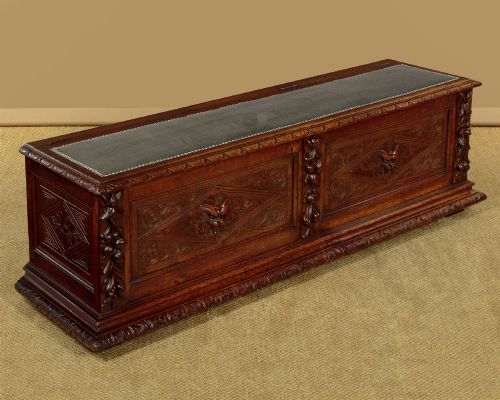
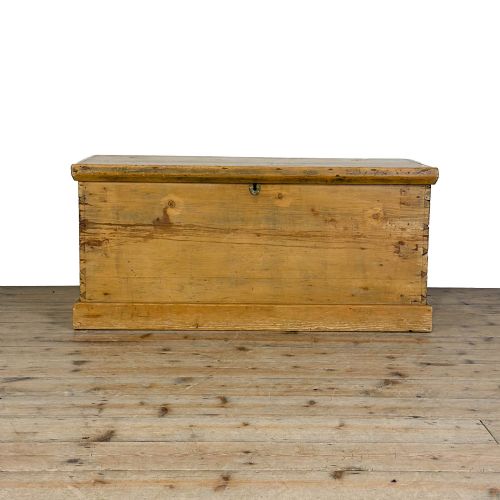
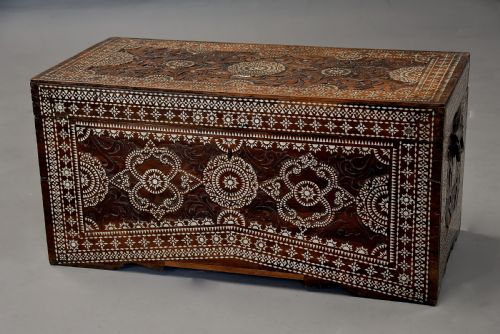
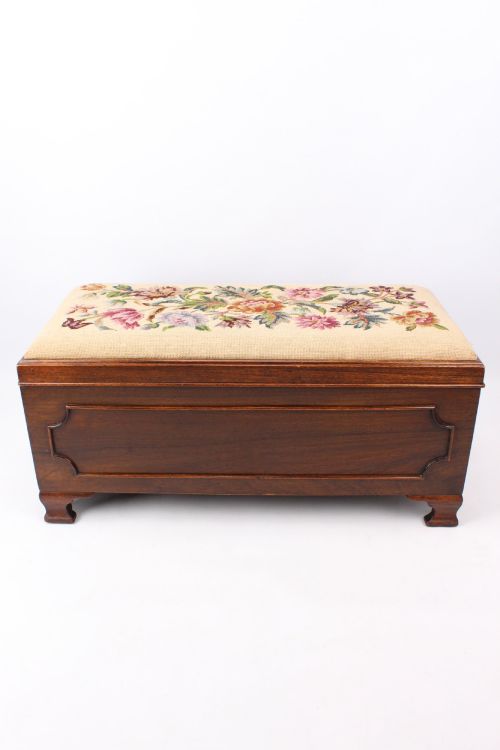
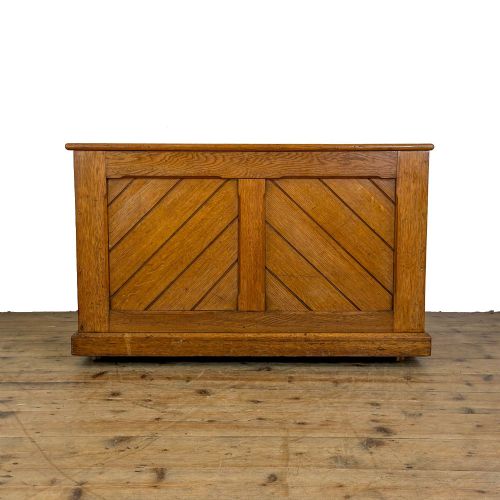
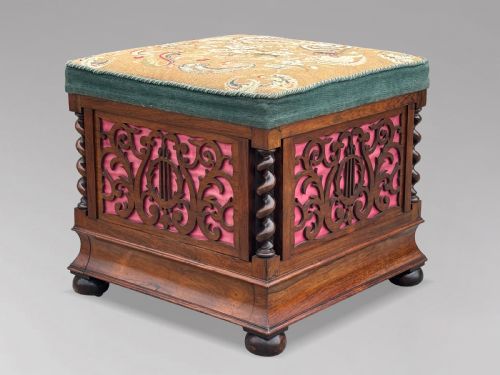
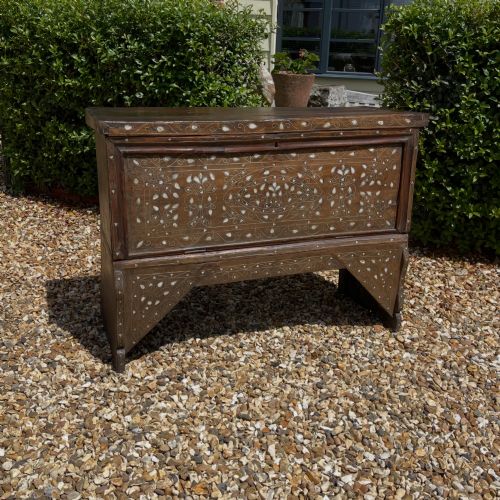
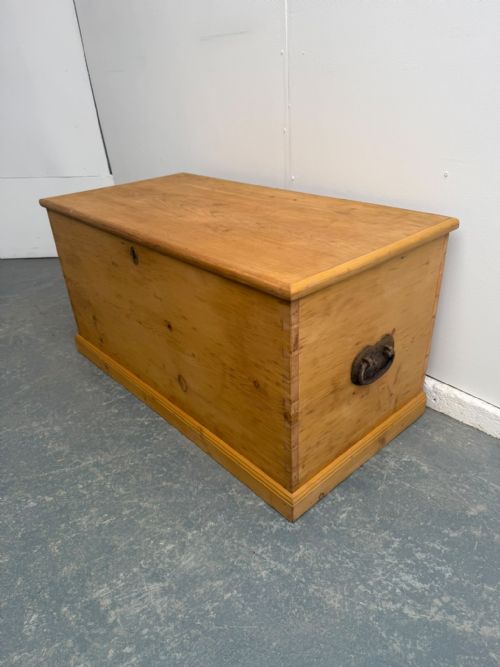
An antique box ottoman is essentially a hybrid piece of furniture, combining the deep lidded storage of a trunk or blanket chest with the padded comfort of a stool or footrest. When searching for an antique box ottoman, buyers encounter versatile seating solutions ranging from compact dressing stools to large country house storage chests.
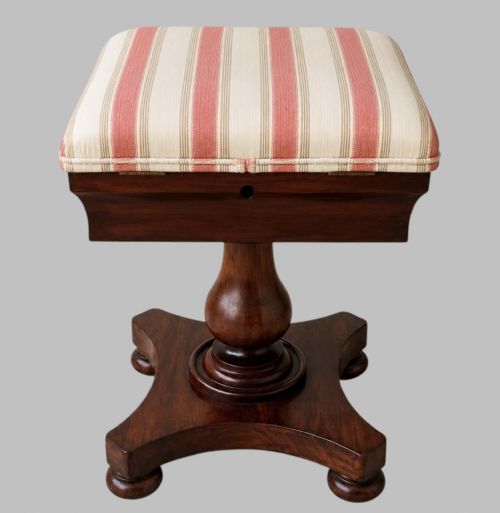
The pieces appearing on this page span the Victorian and Regency periods, alongside early twentieth-century examples, constructed primarily from timbers such as mahogany, rosewood, and pine. Many feature hinged or lift-off upholstered seats covered in needlework, crewel work, velvet, or hand-dyed leather.
Form follows function across these items, with some taking the shape of low coffee tables, piano stools, or daybeds with internal compartments. They bridge the gap between utilitarian storage boxes and refined drawing-room upholstery.
Materials and construction methods
Makers built the structural carcases of these pieces using sturdy hardwoods like mahogany, walnut, and rosewood, or practical domestic softwoods such as pine and birch. Dovetail joints frequently secure the corners of the storage boxes, ensuring long-term durability under daily use as seating.
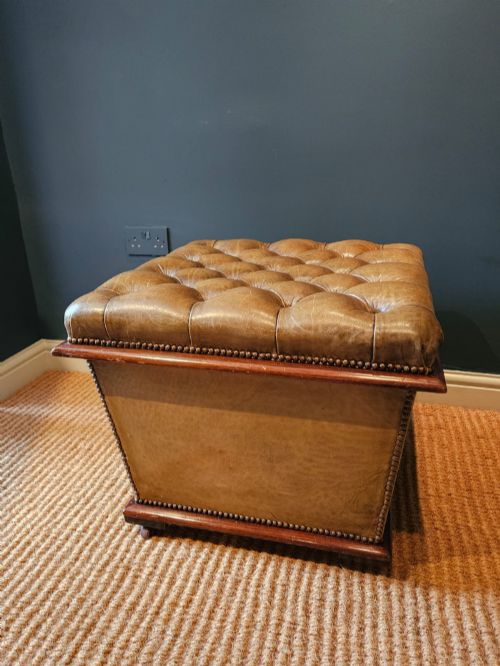
Upholstery techniques varied from simple pad seats to deep-buttoned leather or intricate crewel work and needlework panels. Metal components such as brass hinges, castors, and sometimes lions paw feet supported the mobility and opening mechanism of the heavier chests.
Listings feature structural timbers including mahogany, pine, rosewood, and birch alongside upholstered finishes in leather and velvet.
Distinguishing quality across examples
Quality in these pieces is dictated by the selection of primary timbers and the integrity of the internal framing rather than mere decorative flourish. Finer examples display carefully chosen wood veneers, solid mahogany carcases, and robust internal hinges that support heavy upholstered lids without sagging.
The execution of the upholstery and textile work marks a clear boundary between standard utility pieces and high-end salon furniture. Original needlework, crewel work, or quality hand-dyed leather indicates a piece commissioned for a principal reception room rather than private quarters.
Hallett & Sons
The Antique Box Ottoman Glossary
- Concave ottoman
- A box seat featuring inwardly curved sides, often associated with Victorian mahogany designs. This silhouette provides a distinctive architectural profile.
- Crewel work
- Embroidery executed in wool on a sturdy linen or cotton twill foundation. It frequently appears on nineteenth-century upholstered stool seats.
- Mule chest
- A traditional storage chest featuring one or more drawers beneath the main lifting compartment. It serves as an early precursor to the multi-functional ottoman.
- Canterbury
- A low wooden stand fitted with partitions for sheet music or papers, occasionally combined with an upholstered box seat. They date predominantly to the Victorian era.
- Divit
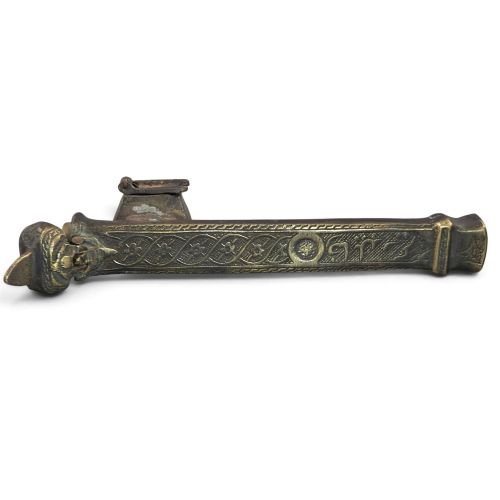
- A traditional Middle Eastern portable writing case incorporating a pen compartment and an attached inkwell. These brass or metal items reflect the broader definition of Ottoman craftsmanship.
Antique Box Ottoman: Frequently Asked Questions
What rooms suit an antique box ottoman?
These pieces function exceptionally well at the foot of a bed for storing extra blankets or in a living room as a low coffee table with hidden storage.
Their dual nature as seating and storage makes them ideal for smaller spaces where every item must serve multiple purposes.
How do I care for the leather upholstery?
Antique leather requires gentle cleaning with specialised leather balms to maintain its flexibility and prevent cracking over time.
Avoid placing these pieces in direct sunlight, which can fade hand-dyed leather and dry out nineteenth-century hides.
Can I use an ottoman as daily seating?
Most period box ottomans were built with sturdy hardwood frames designed for regular weight-bearing use as stools or piano seats.
However, fragile textiles or antique needlework seats benefit from considerate use to preserve the original fabrics.
How do I distinguish Regency from Victorian examples?
Regency pieces often display classical restraint, utilising exotic timbers like rosewood alongside brass inlay or decorative feet such as carved lions paws.
Victorian iterations tend to be bulkier, favouring rich mahogany, deep buttoning, and heavy woollen upholstery like crewel work.