






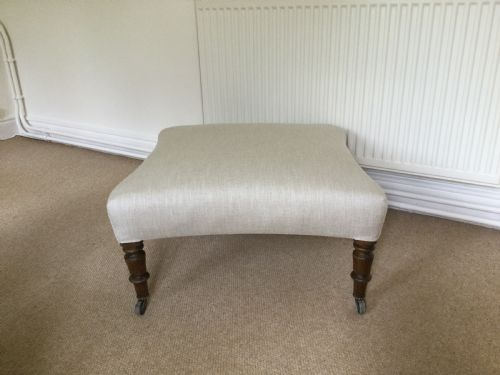

Antique Linen Footstool
An antique linen footstool offers low seating and practical utility, bringing textured fabric and period timber into a room.
Antique Linen Footstool
An antique linen footstool combines timber frames with durable woven covers, appearing in forms such as dressing table stools, box ottomans, and simple benches. These pieces originate across the nineteenth and early twentieth centuries, spanning periods from mid-Victorian decades through to the nineteen-thirties.
The versions most commonly met on this page are French and Swedish examples, alongside English country house pieces. They range from compact dressing table seats to very large footstools designed for substantial drawing rooms.
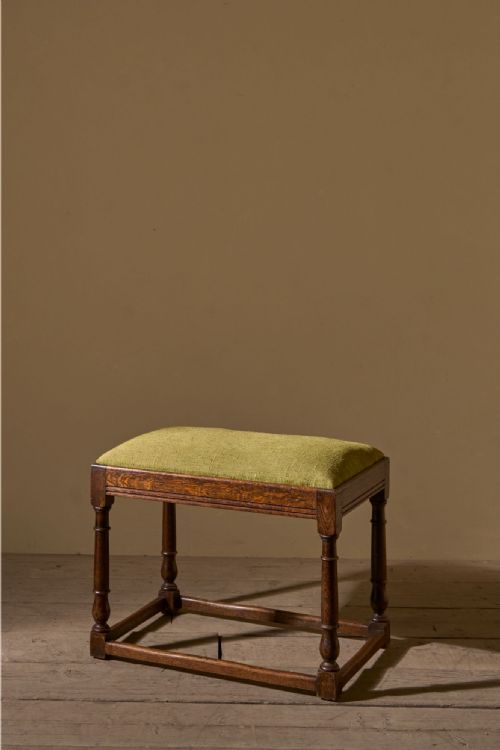
Makers shaped these frames in oak, carved wood, and painted wood, finishing them in heavier textiles like tweed linen and green linen. Buyers encounter pieces influenced by Gustavian, Louis XV, and Jacobean Revival styles.
How they were made
Carpenters built the foundational frames using solid woods such as oak and carved wood, sometimes applying paint or hand carving for decorative effect. Brass components also appear on certain items for structural or ornamental detail.
Upholsterers then covered the padding with linen or tweed linen fabrics, securing the textiles to withstand daily use. Painted surfaces often received hand-finished layers that aged distinctively over time.
Antique Linen Footstool Retail Price Guide 2026
Typical asking prices for linen footstool among the pieces listed under this phrase on Sellingantiques today, from the lower quarter to the upper quarter. They describe what is for sale here now, not the wider market.
Listings feature timber frames in oak and painted wood, upholstered in linen, green linen, and tweed linen.
What varies in quality
Quality rests in the crispness of the hand-carved wood details and the structural integrity of the timber frame. Oak and heavily carved elements demand skilled joinery to endure centuries of placement in domestic spaces.
The choice of textile and upholstery execution dictates the visual weight of the piece. Heavy green linen and tweed linen demonstrate substance, while painted finishes rely on the depth of the underlying wood preparation.
The Antique Linen Footstool Glossary
- Gustavian
- A Swedish style characterised by restrained neoclassical restraint, lighter painted finishes, and understated carved details.
- Box Ottoman
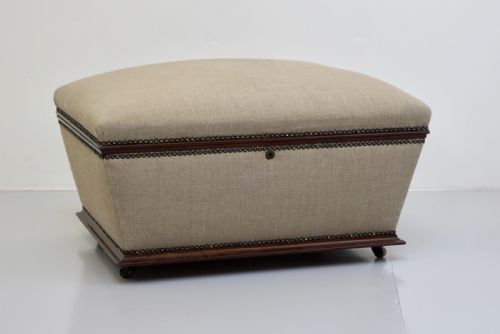
- A low upholstered seat featuring an internal compartment accessed by lifting the top lid.
- Tweed Linen
- A heavy, textured woven fabric combining yarn variations for durability and warmth in seating upholstery.
- Jacobean Revival
- A nineteenth-century design movement resurrecting seventeenth-century English oak furniture characteristics with sturdy turnings and panels.
Antique Linen Footstool: Frequently Asked Questions
Where do I place an antique linen footstool?
These low seats fit comfortably at the foot of a bed, beside a reading chair, or tucked beneath a dressing table. Their modest height makes them versatile for adding extra seating without crowding a room.
Larger ottoman formats work well centrally placed in a living space to serve dual purposes as a resting surface for feet or a casual seat.
How do I care for antique linen upholstery?
Regular gentle vacuuming with a soft brush attachment keeps dust from settling into the natural fibres of the linen or tweed. Avoid harsh chemical cleaners that can weaken old textiles.
Professional specialist cleaning is recommended for deeper marks to preserve the integrity of the vintage fabric weave.
How do I distinguish French styles from Swedish styles?
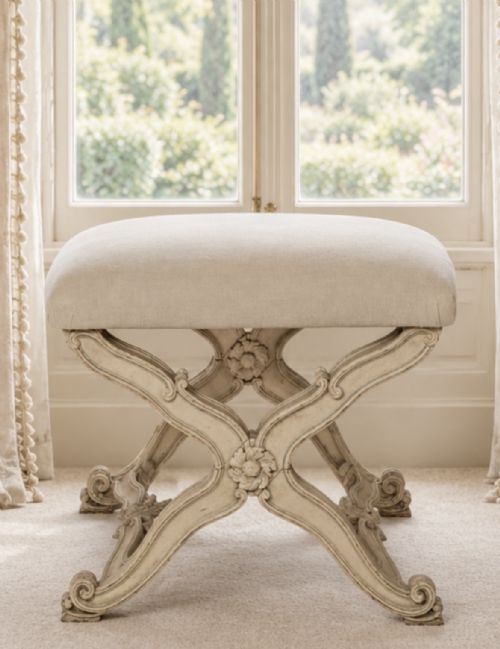
French pieces often display ornate hand carving, gilded surfaces, and curves inspired by Louis XV aesthetics. They lean towards decorative presence in a room.
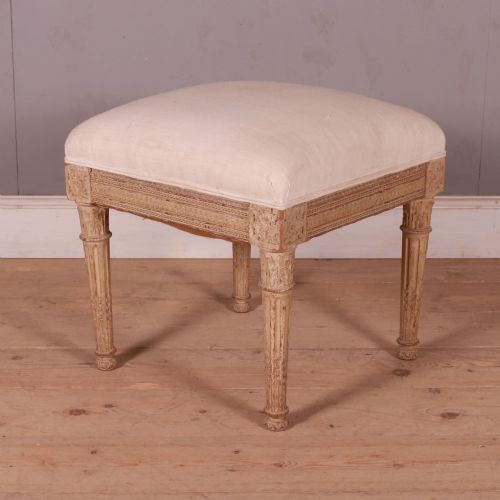
Swedish designs, particularly Gustavian items, favour paler painted wood, straighter lines, and a quieter form of neoclassical elegance.
What timber was used for these frames?
Oak is frequently encountered in English country house pieces and dressing table stools, offering robust weight and visible grain. Other frames utilise general carved wood or softwoods prepared specifically for painted finishes.
Gilded or decorated French examples often rely on dense timbers that held intricate hand-carved details securely.