

Antique Box Iron
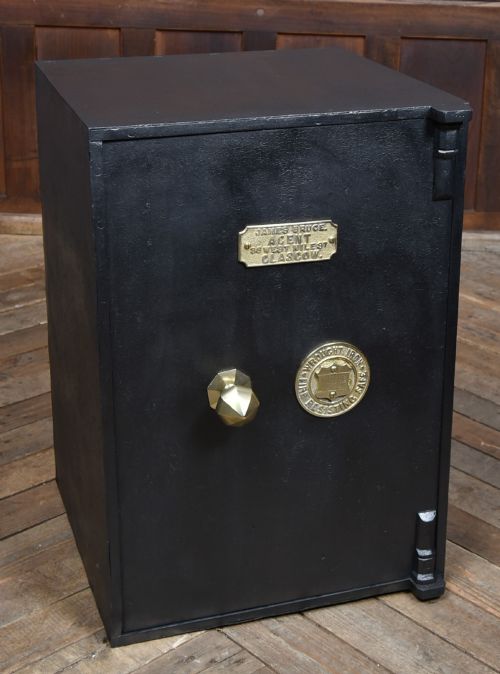
When you search for antique box iron, you are looking at utilitarian receptacles constructed from heavy metals and timbers designed to secure valuables or domestic goods.
Antique Box Iron
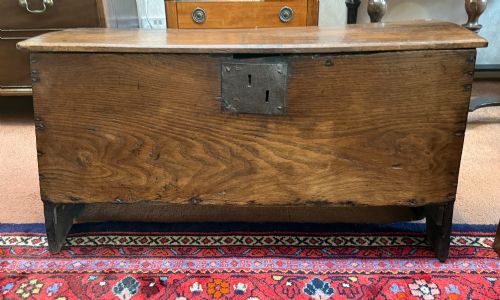
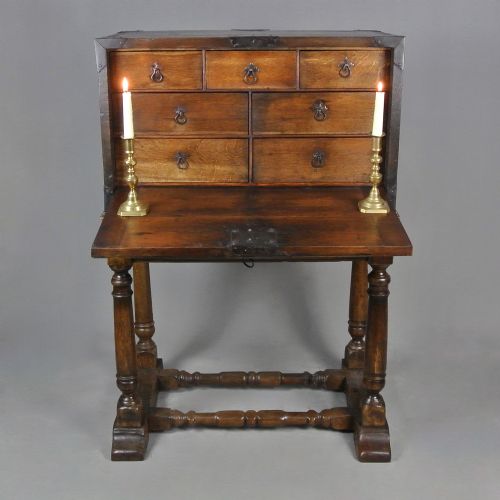
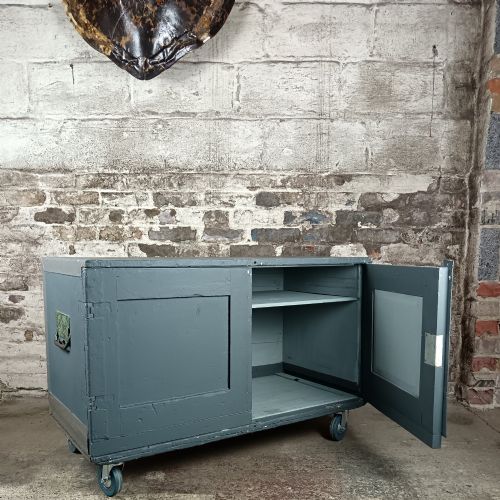
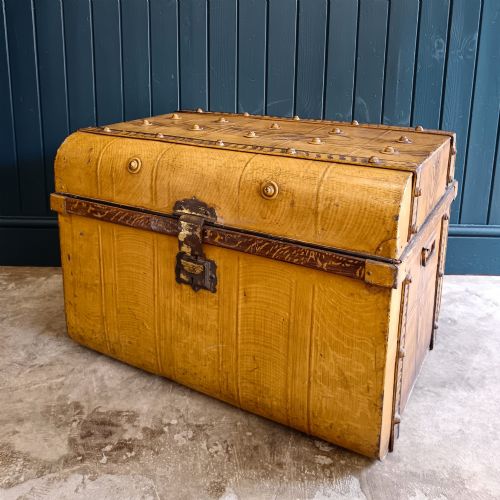
An antique box iron search reveals a robust category of domestic and travel receptacles, predominantly encompassing heavy chests, strong boxes, and reinforced trunks. These pieces span centuries of practical craftsmanship, moving from early oak strong boxes to Victorian campaign trunks.
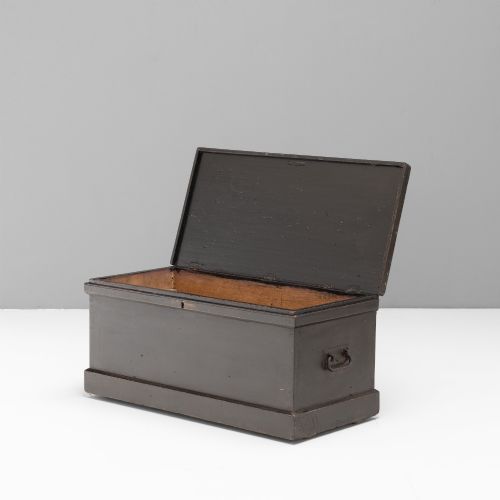
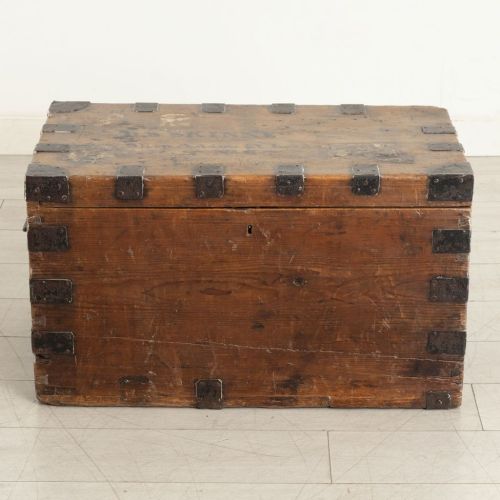
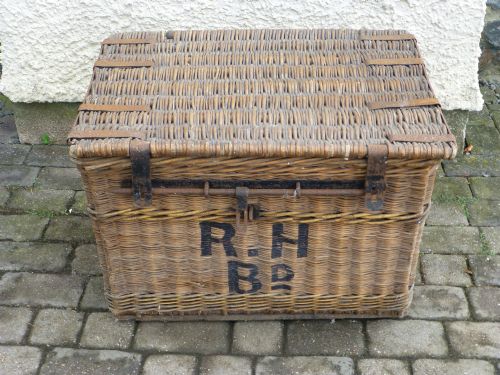
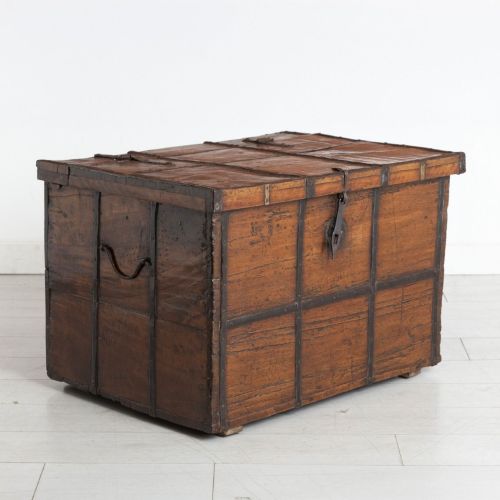
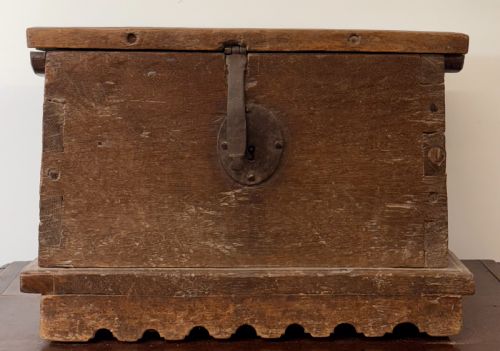
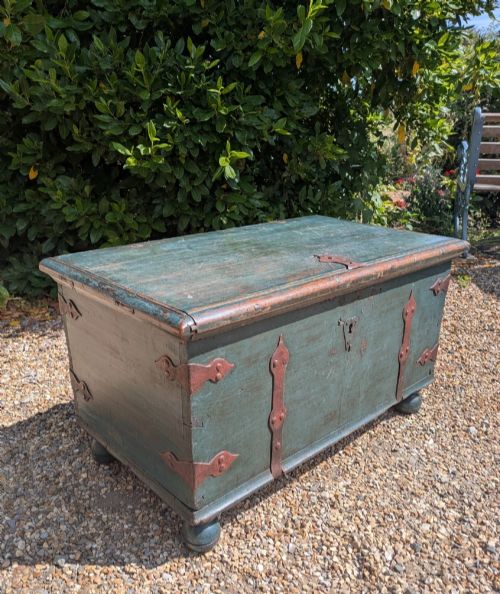
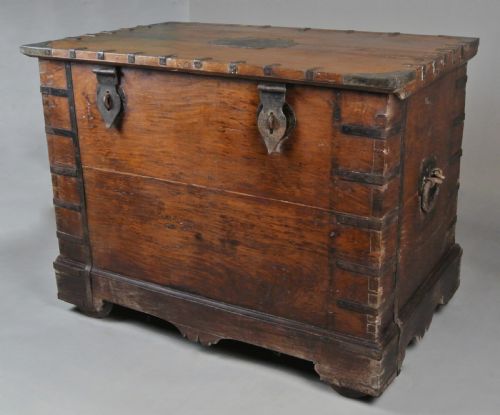
The versions most frequently met on this page include substantial pine blanket chests, iron-strapped travel trunks, and oak bible or salt boxes. Such items served essential functions in households and during transit, relying on structural ironwork for durability.
Construction and Materials
The fabrication of these pieces relies heavily on the combination of solid timbers such as oak, pine, elm, and teak with structural iron elements. Blacksmiths and carpenters joined panels using dovetailing or plank construction, then reinforced corners and lids with hand-forged iron strapwork.
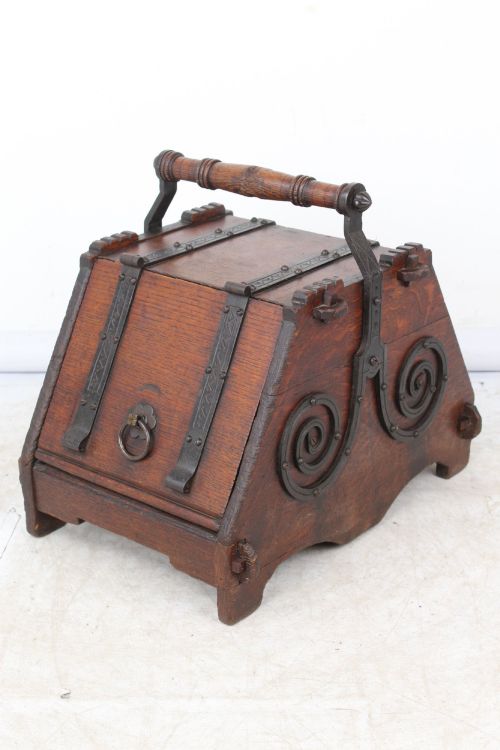
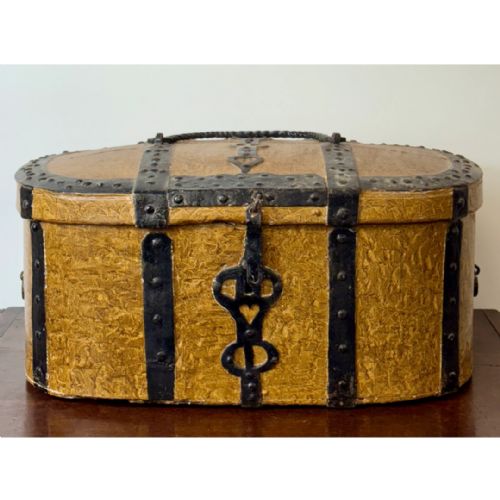
Surface treatments range from plain timber finishes and remnants of early red paint to leather-bound coverings and decorative metal studwork. Hinges, hasps, and locks were integral to the build, utilising brass and cast or wrought iron to secure the contents.
Listings within this category span from the sixteenth century through to the Edwardian period, incorporating oak, pine, teak, iron, and brass.
Assessing Quality
The distinction between tiers of quality rests primarily on the integrity of the original hardware and the skill of the carpentry. Pieces retaining their original locks, keys, hinges, and strapwork command greater interest than those with replaced or modern metalwork.
Subtleties in timber selection and joinery also define the standard, such as finely executed dovetail joints on smaller caskets compared to utilitarian nailing on everyday storage crates. Original surface patination and untouched painted or leather finishes further elevate the standing of a piece.
Christopher Dresser·James Bruce·F. Whitfield and Co·Fujii Miho
The Antique Box Iron Glossary
- Coffer
- A heavy wooden chest, typically used for storing valuables or documents before the widespread use of drawers. These often feature robust construction and primitive locking mechanisms.
- Strapwork
- Decorative or reinforcing bands of metal, usually iron, applied across the exterior of a chest or box to provide structural strength.
- Bible Box
- A small tabletop desk or storage container historically used to house family Bibles and important manuscripts safely. They frequently possess sloping lids.
- Strong Box
- A heavily reinforced security container constructed from thick timber or metal, designed to protect currency and precious documents from theft or fire.
- Casket
- A smaller, highly decorated box or chest intended for jewellery, relics, or luxury items, often finished in leather, fine woods, or metal.
Antique Box Iron: Frequently Asked Questions
What were strong boxes used for?
Strong boxes provided secure storage for valuable documents, family currency, and precious items in domestic or mercantile settings.
Their heavy timber walls and complex iron locking mechanisms helped deter theft before modern banking systems became universal.
How do I date an oak coffer?
Dating an oak coffer involves examining the construction methods, such as the use of hand-riven boards and early joinery techniques like pegging.
Hardware styles, including forged iron hinges and primitive locks, also offer strong chronological indicators for pieces spanning the sixteenth to eighteenth centuries.
Are campaign trunks waterproof?
Campaign trunks were built to endure harsh travel conditions, utilising dense timbers like teak or mahogany alongside tight joinery and leather bindings.
While reasonably water-resistant against rain during military transport, they were not designed to be fully submerged.
Why do some chests have painted finishes?
Many utilitarian chests received coats of paint to protect softer woods like pine from moisture and wear in domestic environments.
Folk art examples also incorporated decorative painted motifs or faux-wood finishes to emulate costlier materials.