

Heavy Cast Iron Iron
When you search for heavy cast iron iron, you are looking at substantial utility and garden pieces poured in dense metal during the nineteenth and early twentieth centuries.
Heavy Cast Iron Iron
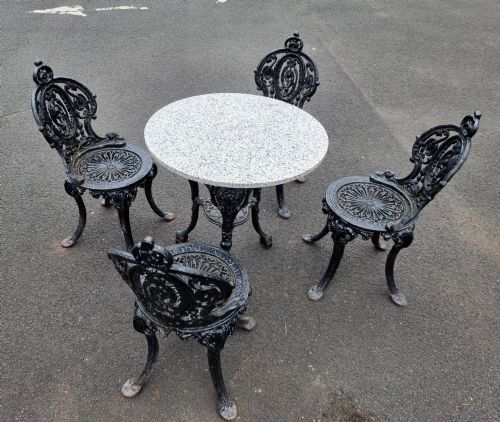
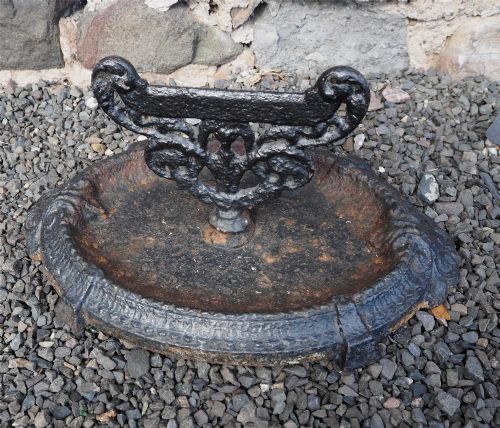
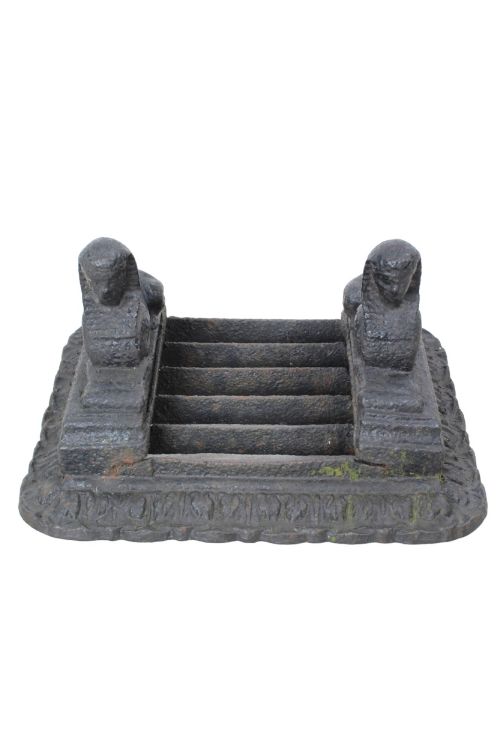
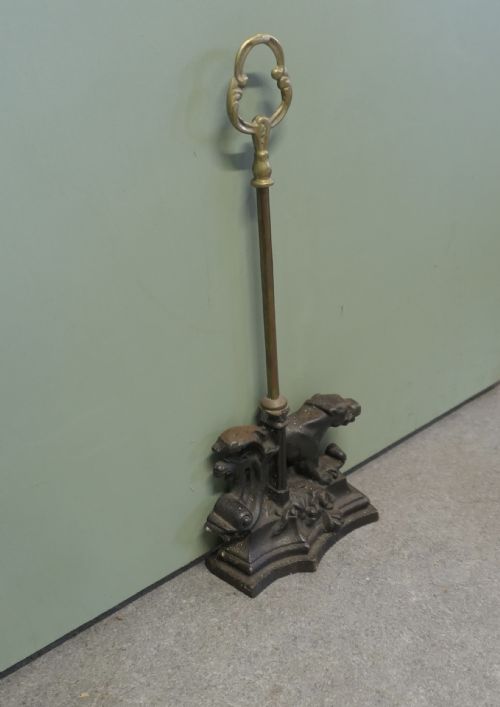
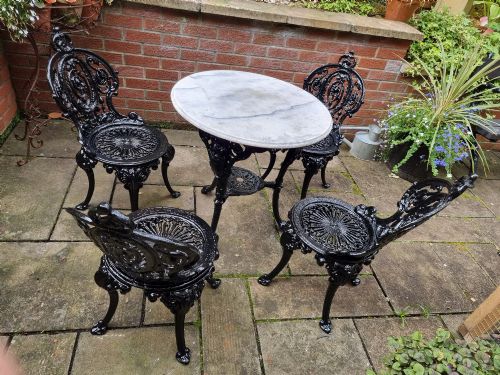
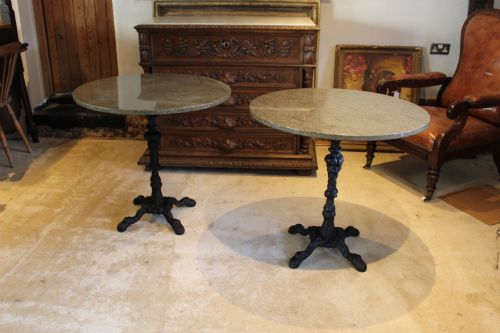
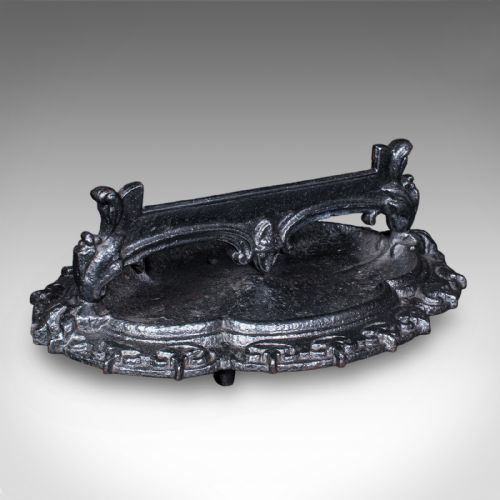
Heavy cast iron iron items span utilitarian hearth furniture, garden seating, and architectural accessories designed to endure decades of use. You will frequently encounter heavy cast iron iron doorstops, boot scrapers, and garden furniture sets across these listings.
The objects originate primarily from the Victorian era and the nineteenth century, alongside occasional Georgian and early twentieth-century examples. Forms range from utilitarian boot scrapers to decorative fire backs and garden urns.
Domestic and garden settings account for the majority of surviving pieces, reflecting the heavy industrial output of British and European foundries. These items bring substantial weight and structural presence to interior and exterior spaces alike.
How they were made
Foundries produced these pieces by pouring molten metal into sand or loam moulds, capturing intricate relief details in the rigid medium. Wrought iron, brass, and oak elements occasionally supplement the primary cast metal structure.
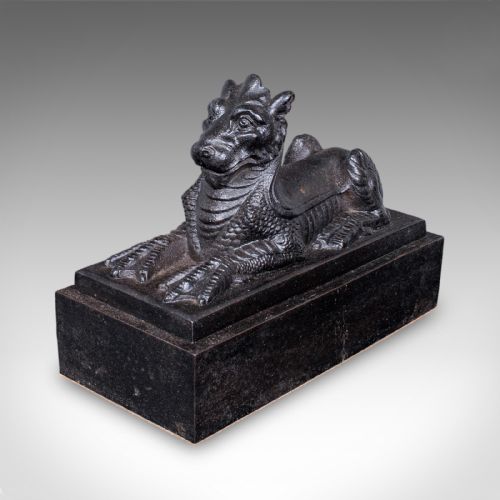
Moulders utilised multi-part patterns to achieve deep undercuts and sculptural forms such as lions, horses, and heraldic motifs. Surface treatments included protective black paint or applied finishes to deter oxidation in damp environments.
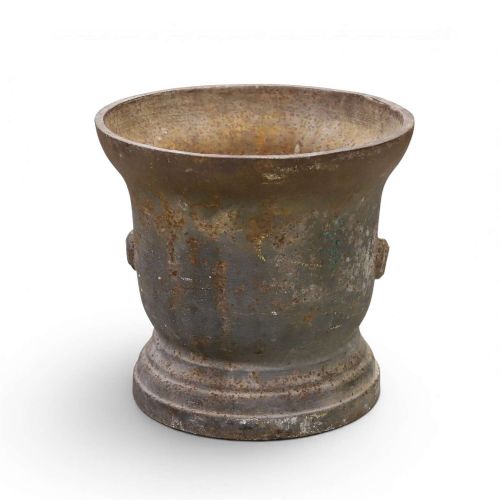
Printers stamps and hefty industrial mortars find new life holding down modern household bills.
What varies in quality
Quality rests in the crispness of the casting and the depth of the relief work, where finer moulds produce sharp details without surface pitting. Heavy proportions and clean edges distinguish superior foundry work from utilitarian production pieces.
The integrity of the original metal surface, free from excessive corrosion or obscuring modern paint layers, dictates the desirability of each piece. Maker attribution and well-preserved structural joins further elevate certain examples above standard foundry output.
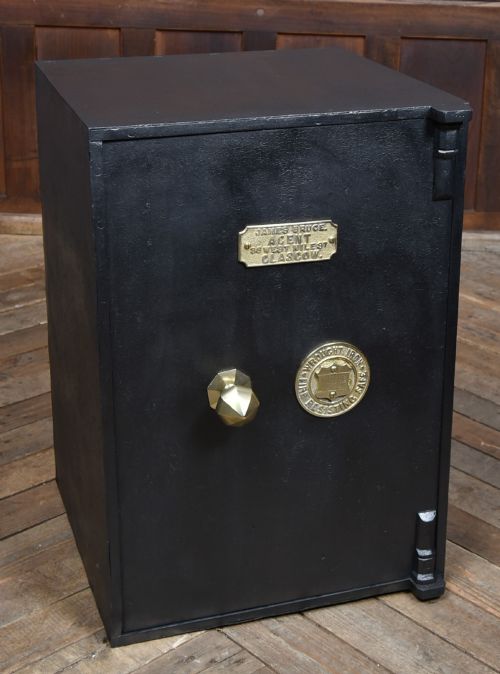
James Bruce Glasgow·Coalbrookdale·E C Osborne of Birmingham
The Heavy Cast Iron Iron Glossary
- Cast Iron
- An iron-carbon alloy poured into a mould while molten to create rigid, durable objects. It forms the primary material for the fire backs, doorstops, and garden benches found here.
- Andirons
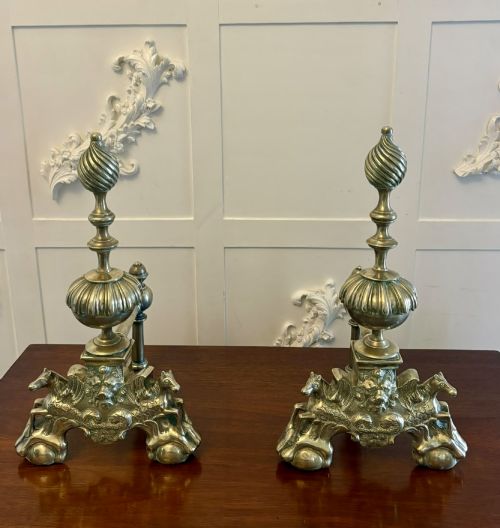
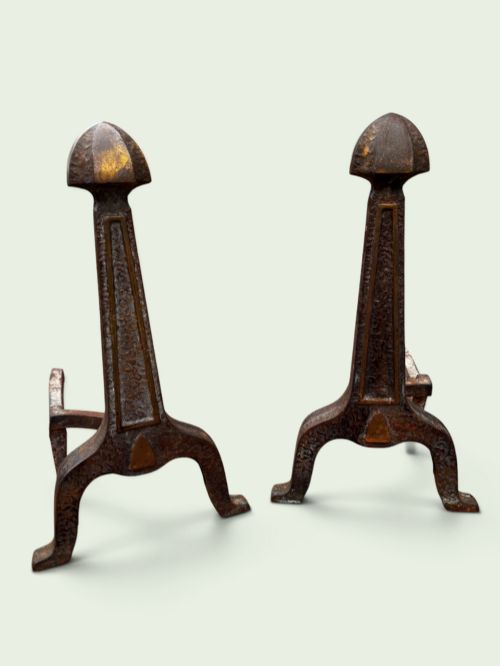
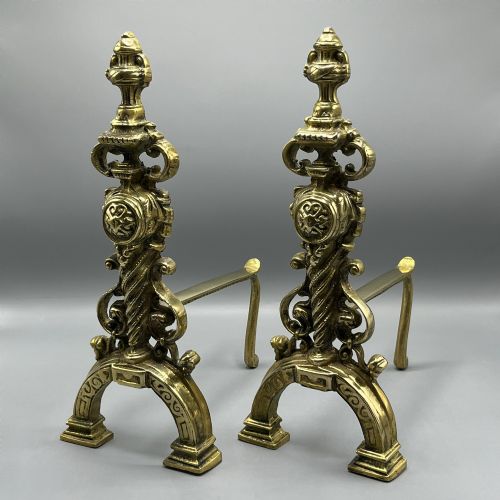
- Horizontal metal supports placed in a fireplace to hold logs above the hearth floor. They often feature decorative cast iron fronts.
- Boot Scraper
- A fixed iron blade or scraper mounted near an entrance to clean mud from footwear. They date mostly from the Victorian townhouse era.
- Fire Back
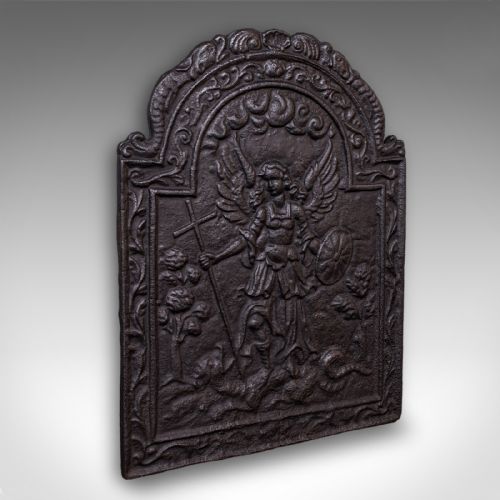
- A heavy iron plate placed at the back of an open hearth to reflect heat into the room. These frequently display relief mouldings of coats of arms or classical scenes.
- Doorstop
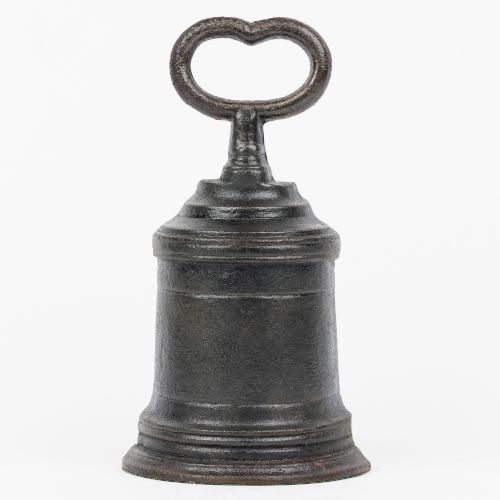
- A heavy weighted object used to keep doors open. Common Victorian forms include lions, horses, and historical figures cast in iron.
Heavy Cast Iron Iron: Frequently Asked Questions
How do I clean heavy cast iron items?
Brush away loose surface dust with a dry bristle brush to protect the underlying metal from moisture damage. Avoid harsh chemical agents that strip historical finishes.
Apply a light coat of neutral wax where appropriate to preserve the surface sheen. Keep the metal in dry environments to prevent active oxidation.
Can these garden pieces stay outside all year?
Most pieces withstand outdoor conditions due to their dense metal composition and protective coatings. Freezing water trapped in small crevices can cause stress, however.
Store vulnerable items under cover during severe winter months to prevent frost damage. Regular inspections help catch early signs of weathering.
How can I tell a Victorian piece from a later copy?
Examine the surface texture for the slight irregularities typical of nineteenth-century sand casting. Crisper, uniform details often point to later reproduction work.
Check the weight and construction methods against documented examples from the period. Wear patterns on touch points offer clues to genuine age.
Were fire backs used for heating or decoration?
Fire backs served the dual purpose of radiating heat forward into the room and protecting the masonry wall behind the hearth. Their substantial mass absorbed thermal energy during fires.
Foundries decorated them with heraldic crests and classical motifs to display taste. They remain functional additions to working open fireplaces.