




Antique Boteh Textile
These antique boteh textile pieces carry centuries of intricate pattern, offering rich wool, silk, and embroidery for your walls and interiors.
Antique Boteh Textile
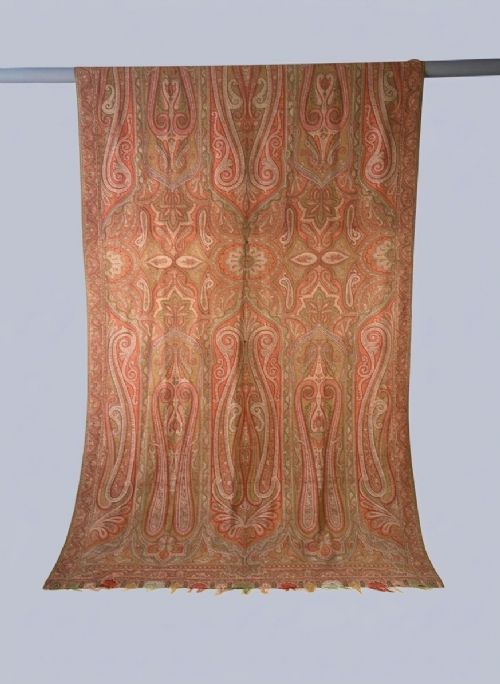
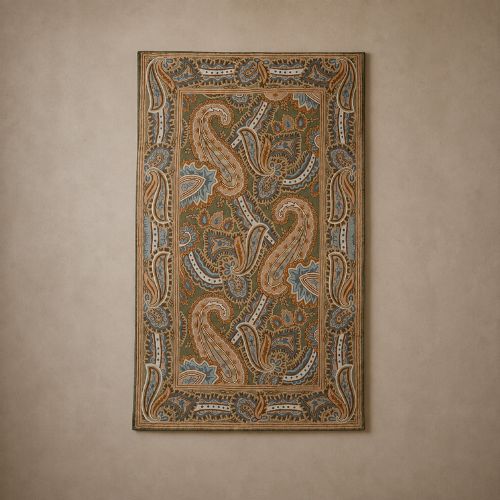
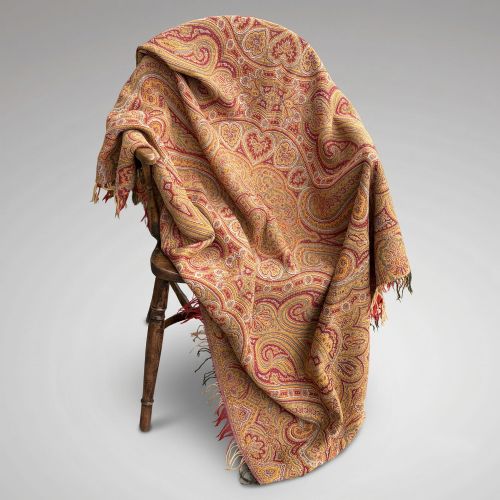
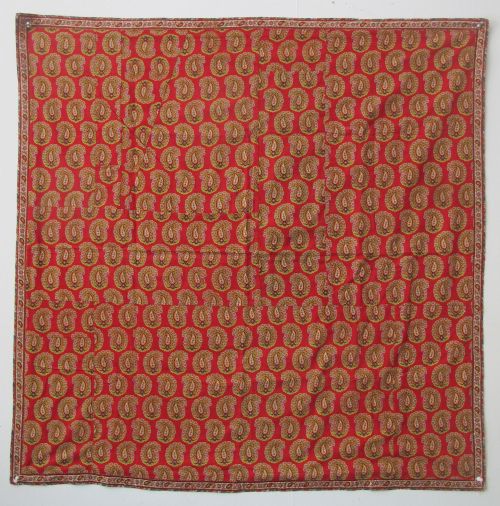
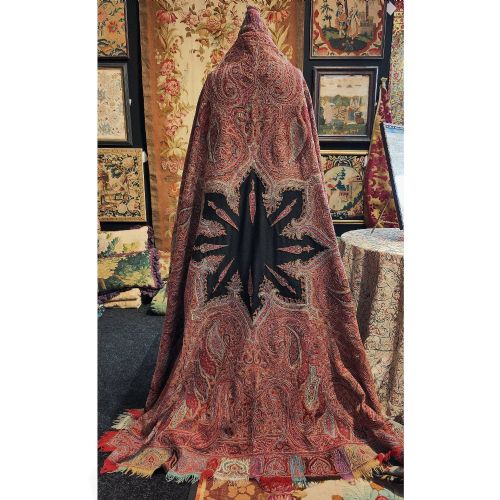
When you search for an antique boteh textile, you encounter woven shawls, embroidered panels, and tribal trappings bearing the classic curved almond motif. These items span from the nineteenth century into the early twentieth century, originating across Persia, India, Scotland, and Central Asia.
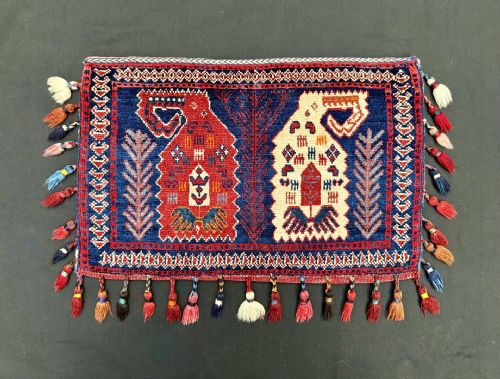
You are most likely to meet large wool shawls, embroidered fragments, and tribal saddle bags on this page. Examples range from Victorian and Scottish interpretations to Persian tribal and Ottoman works.
The diverse geographical origins mean forms vary from square shawls and wall hangings to vanity bags and ceremonial horse covers. Each piece showcases the enduring appeal of the boteh design across different textile traditions.
Materials and construction methods
The construction relies heavily on natural fibres such as wool, silk, cotton, and linen, often enhanced with metallic thread or pashmina. Makers employed techniques including crewelwork embroidery, blockprinting, and felt applique work.
Many items utilise natural dyes to achieve rich colour palettes across wool and velvet grounds. Tribal pieces frequently incorporate durable flatweave structures and sturdy wool foundations to withstand practical use.
Listings feature works from the nineteenth century and early twentieth century, spanning wool, silk, cotton, and metallic thread.
Assessing quality in woven and embroidered works
Quality rests upon the fineness of the needlework, the complexity of the boteh composition, and the condition of the ground fabric. Tightly executed embroidery and well-preserved natural dyes elevate a piece significantly.
The integrity of the structural textile, whether a delicate silk applique or a heavy wool shawl, distinguishes standard examples from superior ones. Original scale and intact borders also play a vital role in the overall desirability of the textile.
The Antique Boteh Textile Glossary
- Boteh
- A Persian motif shaped like a curved almond or pear, symbolising life and eternity. It forms the primary decorative element across these textiles.
- Amli rumal
- An embroidered Kashmiri square shawl where the pattern is worked with a needle rather than woven on a loom. These pieces demonstrate high levels of intricate threadwork.
- Crewelwork
- A type of embroidery using wool yarn on a heavy linen or cotton ground. It creates deeply textured surface designs on wall hangings and panels.
- Rasht embroidery
- A traditional Persian textile technique involving inlaid felt and silk applique work. It produces bold geometric and floral patterns in vibrant colour combinations.
Antique Boteh Textile: Frequently Asked Questions
What is a boteh motif?
The boteh is a distinctive almond-shaped or teardrop-shaped vegetable motif with a curved upper end. Originating in ancient Persia, it symbolises life, fertility, and eternity.
Over the centuries, this design spread through trade and shawl production to Scotland, India, and Central Asia, eventually evolving into the modern paisley pattern.
How were antique tribal bags used?
Tribal bags and saddle bag faces served practical purposes among nomadic groups such as the Afshar and Lakai tribes. They transported belongings, stored goods within tents, or adorned animals during ceremonies.
Today, these woven faces survive as decorative textile panels and wall art, prized for their geometric framing and bold boteh designs.
How should I care for an old textile?
Protect delicate wool, silk, and embroidered pieces from direct sunlight to prevent natural dyes from fading over time. Keep them away from damp environments and sources of excessive heat.
When hanging wall panels, distribute the weight evenly using a professional sleeve or mounting method rather than pinning directly through the fabric.
Can I hang a textile on the wall?
Many of these items, including crewelwork panels, Kashmiri shawls, and embroidered fragments, lend themselves well to interior display. Mounting them on a padded backing board protects the fibres from strain.
Ensure the hanging method supports the entire length of the textile, particularly for heavier velvet or wool pieces.