


Antique Boteh Paisley Rug
An antique boteh paisley rug brings centuries of woven symbolism into a room through repeating almond motifs rooted in Persian and Caucasian traditions.
Antique Boteh Paisley Rug
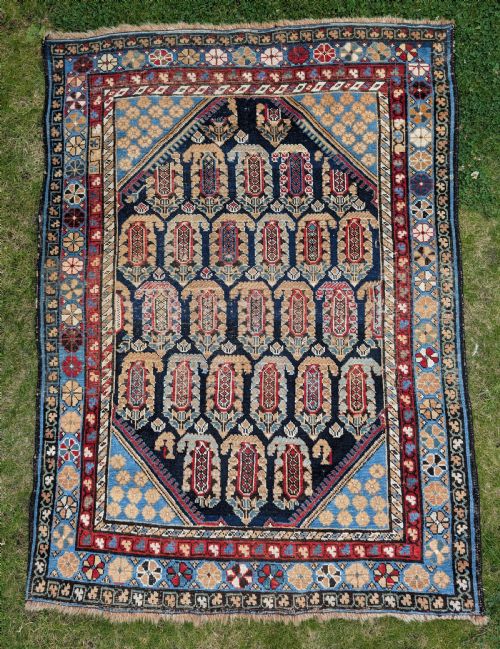
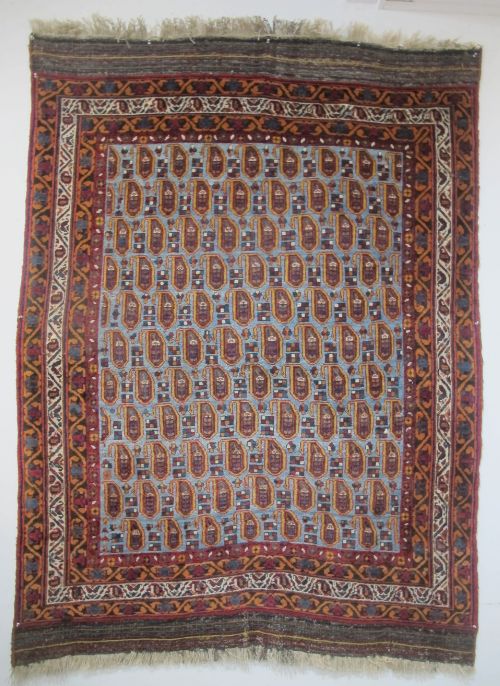
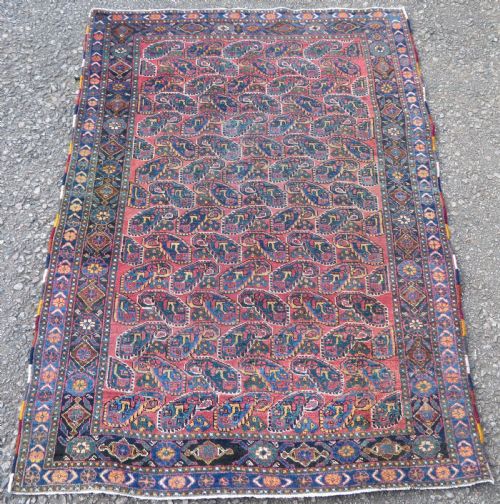
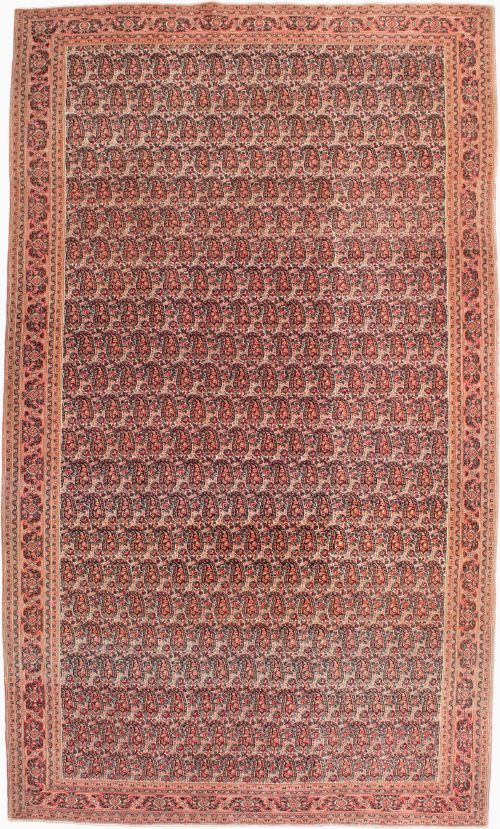
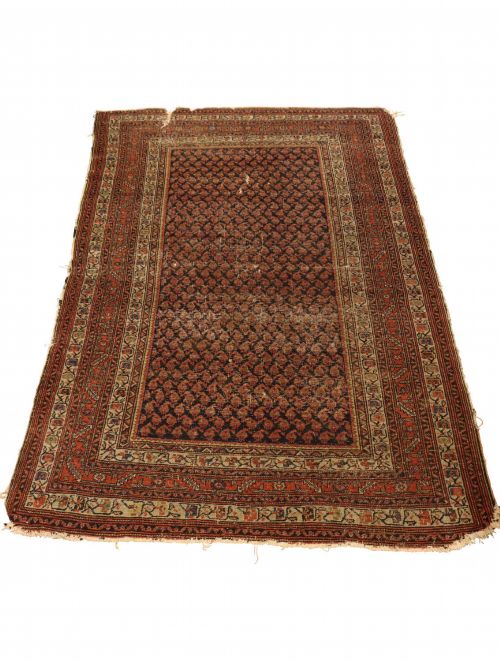
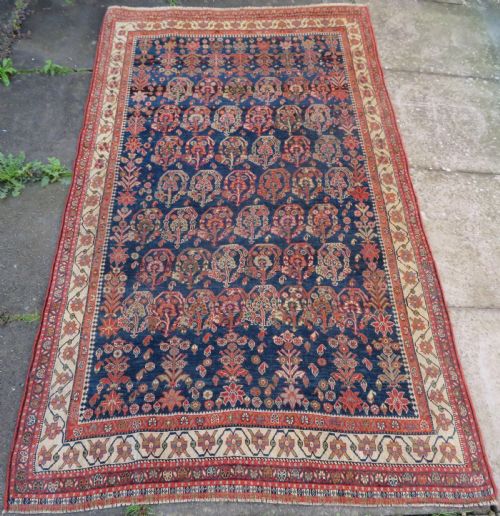
When you search for an antique boteh paisley rug, you encounter hand-knotted room carpets, area rugs, and long runners woven across Persia and the Caucasus during the nineteenth and early twentieth centuries. These floor coverings utilise distinctive stylised floral spray and almond-shaped motifs known as botehs, arranged in all-over field patterns, diagonal stripes, or repeat layouts.
The selections available span specific regional styles such as Afshar, Serabend, Kirman, and Karabagh, dating primarily from the 1870s through to the 1930s. Village and tribal workshops produced many of these pieces using wool pile on wool or cotton foundations, resulting in durable textiles suited for traditional interior schemes.
Materials and construction
Weavers constructed these textiles using hand-spun wool for the pile, secured with hand-knotted techniques onto foundations composed of cotton or wool warps and wefts. Certain decorative textile pieces incorporate silk and felt applique work or delicate embroidery threads.
Natural dye stuffs provided the saturated palette seen across Caucasian and Persian examples, yielding deep indigo blues, madder reds, and softer grounding tones that mellowed gracefully over decades of use.
Some nineteenth-century weavers hid tiny mother-and-child boteh motifs within field designs, leaving miniature surprises nestled among the larger rows.
Factors of quality
The finesse of the knotting and the precision of the drawn boteh motifs dictate the refinement of a textile, separating standard village weaving from exceptionally detailed workshop output. Finer knot counts allow for sharper geometric delineation in Caucasian runners and more fluid curves in Persian floral carpets.
The integrity of the wool pile and the survival of the original outer borders and selvedges determine the structural preservation of older floor coverings. Pieces retaining their original side finishes and uncompromised pile depth demonstrate superior longevity.
The Antique Boteh Paisley Rug Glossary
- Boteh
- A stylised floral or almond-shaped motif originating in ancient Persia that forms the primary decorative element of these rugs. It is frequently interpreted in Western textile history as the paisley pattern.
- Selvedge
- The finished side edges of a rug formed by wrapping the lateral warp threads to prevent unravelling. Original selvedges indicate that the textile has not been excessively trimmed or restored.
- Warp
- The vertical foundation threads stretched lengthwise on the loom before knotting begins. In many antique rugs, these structural elements consist of hand-spun wool or cotton.
- Weft
- The horizontal threads passed alternately over and under the warp threads to bind the knots in place. They provide structural stability across the width of the woven carpet.
Antique Boteh Paisley Rug: Frequently Asked Questions
What is a boteh motif?
A boteh is a traditional almond-shaped or teardrop motif filled with floral details, originating in Persian and Caucasian textile design.
Over centuries, this ancient symbol became widely known in the West as the paisley pattern, appearing across rugs, shawls, and embroidered hangings.
How do I care for an antique rug?
Protect your floor covering by placing it in a low-traffic area and using a breathable underlay to prevent slipping and friction.
Vacuum gently using suction attachments without rotating brush bars, and arrange for specialist textile cleaning when necessary.
Where were these rugs made?
These textiles were woven across Persia and the Caucasus by regional village weavers, nomadic tribes, and urban workshop centres.
Distinct areas such as Karabagh, Afshar, and Serabend developed recognisable colour palettes and specific structural characteristics.
How can I date an old rug?
Dating relies on examining the specific dye chemistry, wool characteristics, regional weaving structures, and stylistic design elements present in the piece.
Comparative analysis with documented examples from the nineteenth and early twentieth centuries helps narrow the period of production.