



1900s Persian Floor Rug
These 1900s persian floor rug examples bring dense village woolwork and city knots into a room to anchor an interior with enduring colour.
1900s Persian Floor Rug
A 1900s persian floor rug groups together woven area carpets, runners, and tribal pieces made around the turn of the twentieth century. These textiles originate from distinct weaving centres and nomadic regions across Persia.
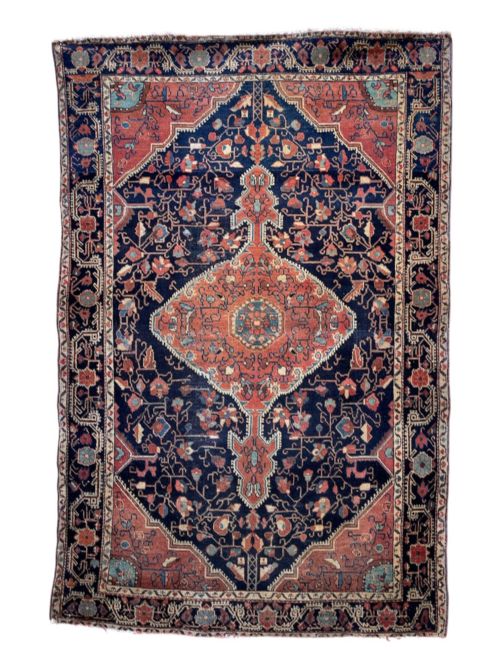
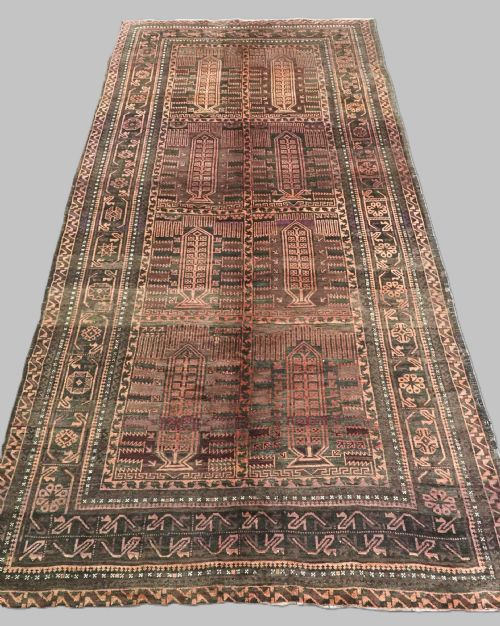
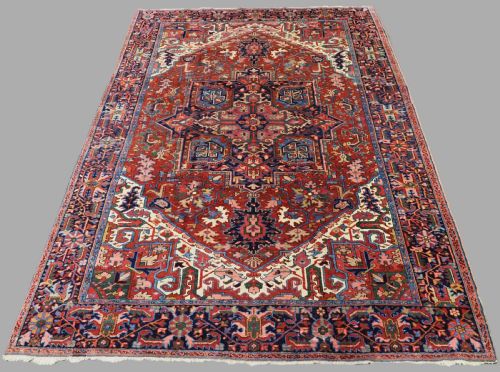
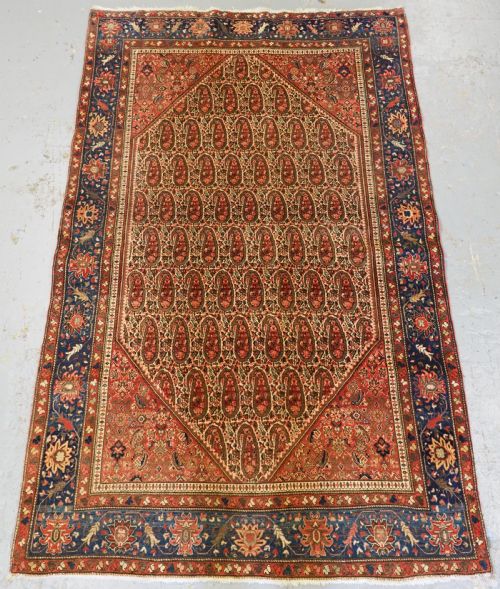
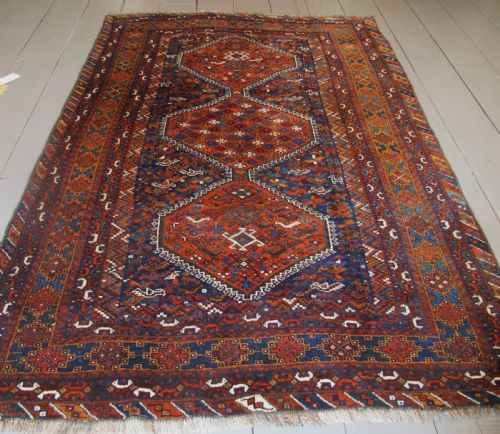
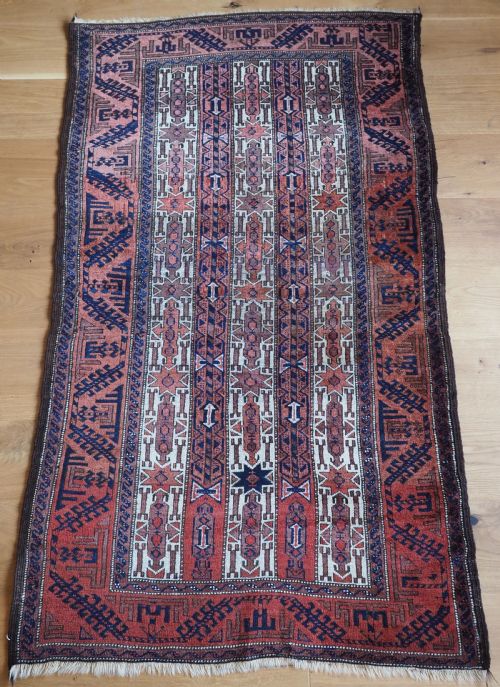
The most common form on this page is the room-size or area carpet featuring traditional medallion or all-over shrub designs. Buyers also encounter long narrow runners and tribal prayer rugs from this period.
Originating from regions such as Heriz, Isfahan, Sarouk, and Varamin, these rugs reflect the specific local aesthetics of city workshops and tribal groups alike.
Materials and Construction
Weavers constructed these pieces predominantly using durable wool piles knotted onto cotton foundations, with occasional silk highlights. This combination provided the necessary structural strength for floor use.
Dyes of the era included natural organic colourants that yielded the soft patinas and deep tones visible in these rugs. The hand-knotted technique ensured dense pile construction designed to withstand generations of foot traffic.
Materials recorded across these specific rugs are limited to wool, cotton, and silk.
Evaluating Quality and Execution
Knot density and precision of the design separate finely worked city pieces from coarser tribal productions. Finer examples display intricate curves and delicate botanical motifs executed with high knot counts.
The balance of the natural dye palette and the integrity of the foundation dictate the visual harmony of the rug. Superior pieces maintain crisp drawing and even wear across the field.
The 1900s Persian Floor Rug Glossary
- Medallion
- A symmetrical central ornament placed in the field of a rug. This motif often dictates the geometric or floral layout of the surrounding carpet.
- Boteh
- A stylised almond or pear-shaped motif representing a-shoot, shrub, or flame. It appears frequently in repeating patterns across antique Persian textiles.
- Runner
- A long, narrow carpet format designed specifically for hallways, corridors, or alongside beds. These pieces measure significantly longer than they are wide.
- Prayer rug
- A small rug featuring a mihrab or arch design at one end, traditionally used to indicate the direction of prayer. These formats often display specific regional iconography.
- Kilim
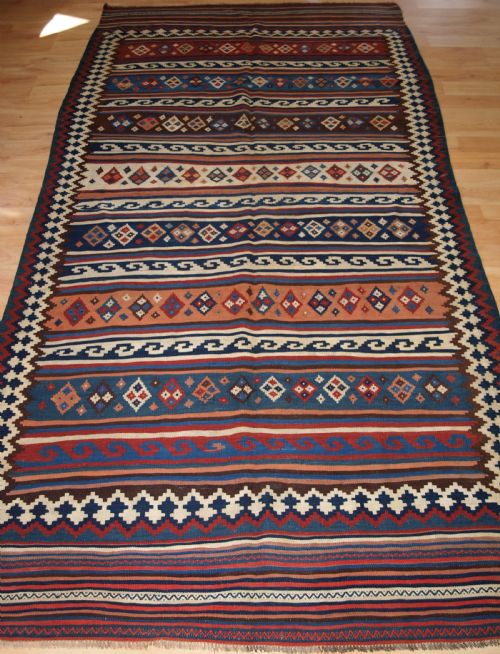
- A flat-woven carpet produced without a pile by tightly interweaving warp and weft threads. These textiles offer lighter structures than knotted pile rugs.
1900s Persian Floor Rug: Frequently Asked Questions
How do I clean an old wool rug?
Surface dirt lifts out through gentle regular vacuuming without the rotating beater bar engaged.
Professional specialist washing remains essential for deep cleaning to protect the natural wool pile and foundation.
Will these rugs handle heavy foot traffic?
Traditional wool pile construction on cotton foundations provides robust durability suitable for everyday residential use.
Using a quality underlay prevents slippage and absorbs impact, extending the active lifespan of the floor covering.
How do I identify a tribal rug?
Tribal pieces usually exhibit geometric motifs, asymmetric designs, and bolder colour contrasts woven by nomadic groups.
City workshop rugs tend toward refined floral curves and balanced symmetrical compositions executed with higher precision.
What is a prayer rug used for?
The distinct arch design indicates the focal point for personal devotional practice in traditional settings.
Today these smaller formats function effectively as decorative accent pieces in compact interior spaces.