





Antique Botanical Pottery
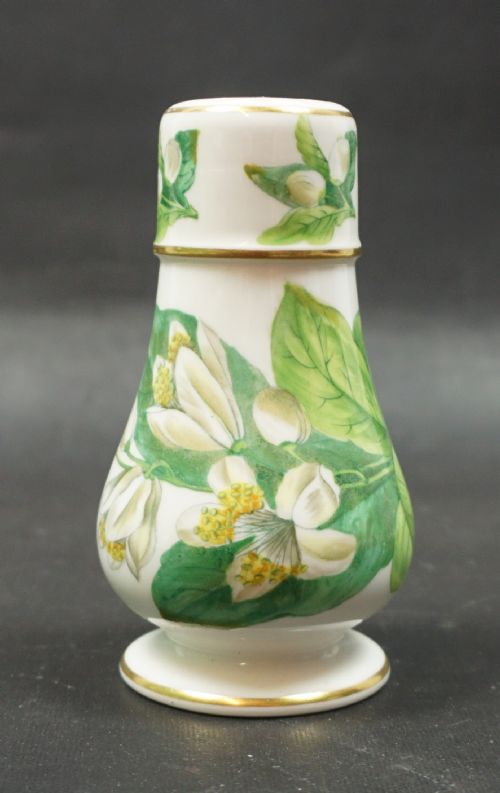
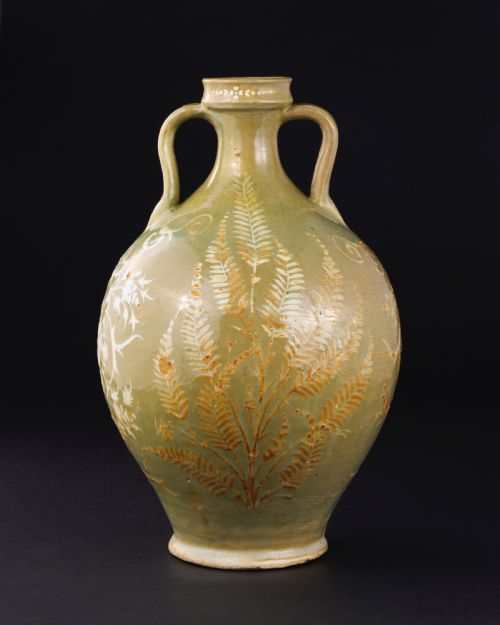
Antique botanical pottery brings natural motifs onto ceramics, offering hand-painted flowers and foliage from past centuries.
Antique Botanical Pottery
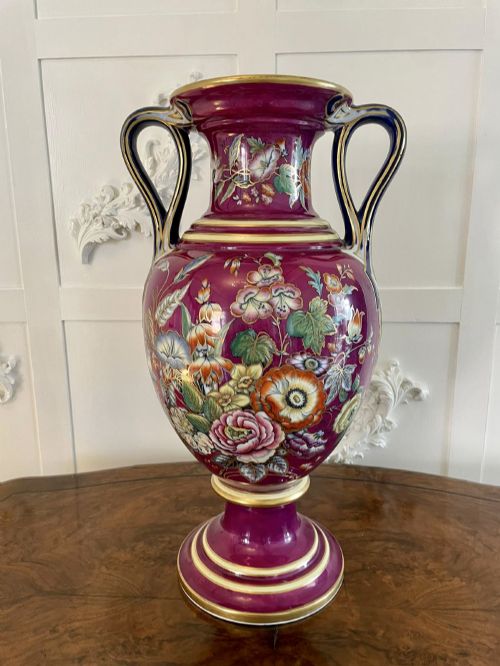
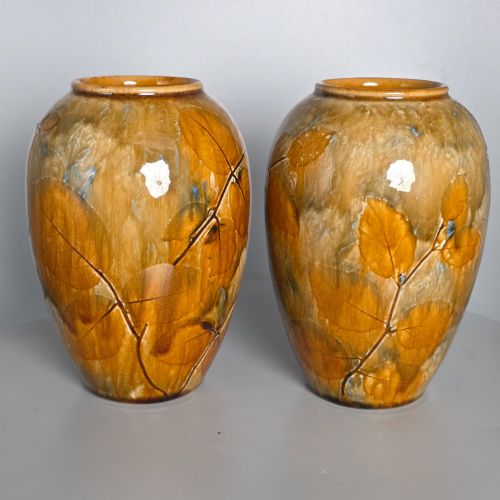
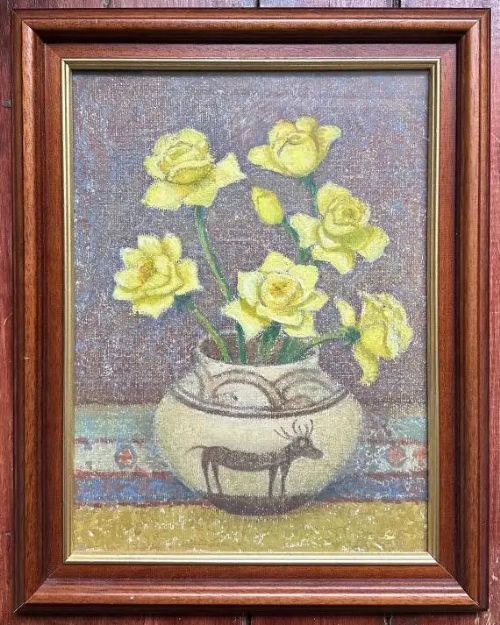
Antique botanical pottery comprises ceramic items decorated with plant motifs, flowers, and leaves. These pieces range from Georgian pearlware sauce tureens to Victorian majolica jugs and Art Nouveau porcelain vases.
Buyers meet various forms on this page, including dessert services, plates, ewers, tiles, and desk accessories. Production spans the eighteenth century through the early twentieth century across English, Austrian, and Persian makers.
The aesthetic bridges utilitarian vessels and display pieces, capturing natural forms through transfer printing, hand painting, and enamel decoration.
How they were made
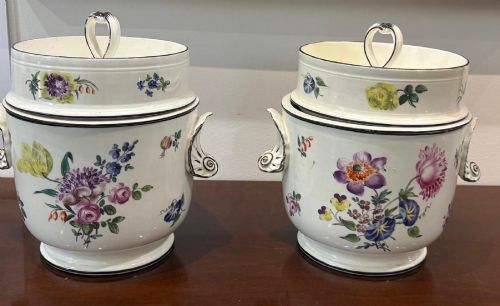
Makers formed these items using earthenware, creamware, porcelain, pearlware, and stoneware bodies. Potters shaped vessels on wheels or used moulds for more complex items like cabbage tureens and ice pails.
Decoration relied on ceramic glaze, enamel paints, gold leaf, and blue and white transfer printing to render floral and botanical details. Firing techniques fixed these pigments beneath or over the glaze, depending on the desired finish.
Listings feature 19th-century earthenware, porcelain, and stoneware decorated with floral designs across multiple European styles.
What varies in quality
Quality rests in the execution of the hand-painted botanical details and the crispness of the moulded form. Finer pieces display meticulous brushwork on subjects like lilies, roses, and sunflowers, whereas simpler items rely on standard transfer prints.
The sophistication of the glaze and the weight of the ceramic body also divide the range. Standard utility wares sit apart from exhibition-grade pieces decorated by notable potteries and individual artists.
Royal Doulton·Livesley Powell and Co·Ernst Wahliss·George Jones·William de Morgan
The Antique Botanical Pottery Glossary
- Pearlware
- A refined earthenware developed in the late eighteenth century featuring a subtle blue-tinted glaze over a white body. It often served as a base for botanical painting.
- Creamware
- A fine light-coloured earthenware perfected in England during the eighteenth century. It has a warm translucent glaze.
- Majolica
- A colourful lead-glazed earthenware popular in the nineteenth century. It frequently employs naturalistic plant and animal motifs.
- Drabware
- A type of unglazed or salt-glazed stoneware or earthenware featuring a muted brownish-grey body. It was often paired with applied ornamentation.
- Faience
- Tin-glazed earthenware produced in various European traditions. It provides a smooth white ground for painted decoration.
Antique Botanical Pottery: Frequently Asked Questions
How are botanical motifs applied?
Makers used hand painting, enamel work, and blue and white transfer printing to render flowers, leaves, and stems.
Some items combine moulded botanical shapes, such as bulrushes and cabbages, with coloured glazes.
What periods do these pieces span?
The selection includes items from the Georgian era, the nineteenth century, and early twentieth-century Art Nouveau and studio pottery.
Earlier pieces often feature creamware and pearlware bodies, while later examples showcase studio experiments and continental porcelain.
How were serving pieces used?
Sauce tureens, ice pails, and dessert services held food and drink at formal dining tables in past centuries.
Plates and dishes formed part of larger services used for dessert courses.
Can I display tiles and wall pieces?
Architectural pottery tiles and decorative wall plaques were designed to be mounted within interiors or displayed on surfaces.
Their glazes and painted plant designs protect the ceramic body from moisture while adding colour to a room.