


Antique Botanical Planter
An antique botanical planter holds greenery and flowers, uniting craftsmanship with interior display through enduring forms.
Antique Botanical Planter
When you search for an antique botanical planter, you encounter vessels designed specifically to house plants and flowers within domestic interiors and conservatories. These objects appear under various traditional designations including jardinieres, cachepots, and plant pots.
The pieces on this page span several centuries, reaching from the eighteenth century through the Victorian era and into the twentieth century. Forms range from heavy cast iron urns and milk churns to delicate porcelain pots and wirework baskets.
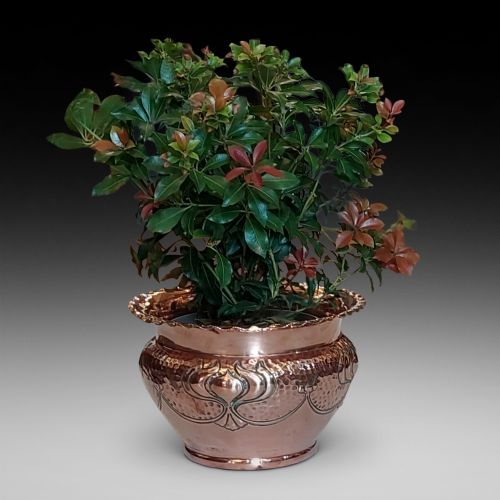
Originating across England, Europe, and Japan, these planters reflect diverse cultural aesthetics. A buyer is most likely to meet copper vessels from the Arts and Crafts period or glazed ceramic jardinieres from British potteries.
What varies in quality
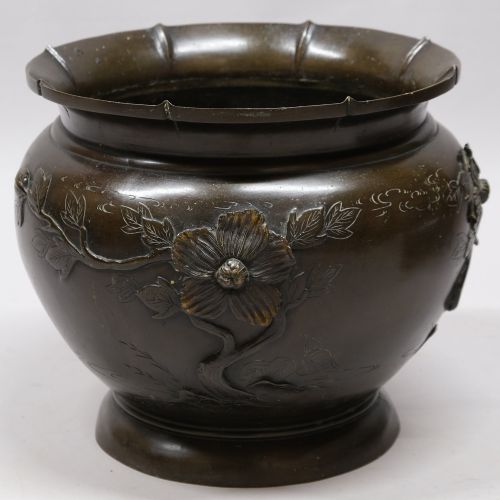
The distinction between ordinary and superior pieces rests on the crispness of the modelling and the depth of the material. Cast iron and bronze examples show superior definition where surface ornamentation remains sharp and unblemished by wear.
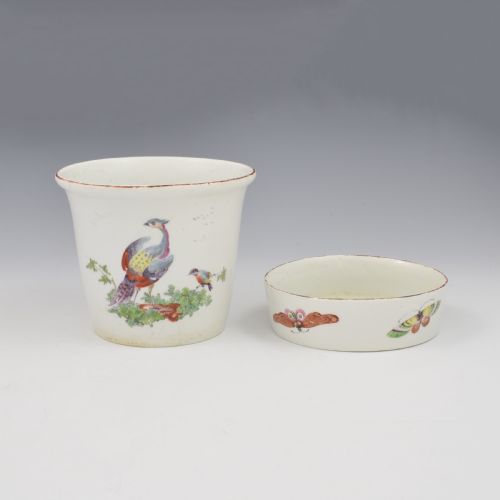
In ceramic items, the standard of the glaze and the complexity of the painted decoration dictate the grade. Potteries such as Royal Worcester and Minton demonstrate refined control over colour application and sculptural relief details.
Materials span copper, soft-paste porcelain, cast iron, and stoneware across the eighteenth, nineteenth, and twentieth centuries.
Derby Porcelain·Makuzu Kozan II·Royal Worcester·Minton·Meissen
The Antique Botanical Planter Glossary
- Jardiniere
- An ornamental pot or stand for holding flowers or plants. This term derives from the French word for gardener.
- Cachepot
- A decorative container used to hide an ordinary flowerpot. These vessels typically lack drainage holes at the base.
- Majolica
- A type of earthenware coated with an opaque tin-lead glaze and painted with metallic oxides. It produces rich, glossy colours well suited to botanical motifs.
- Soft-Paste Porcelain
- A ceramic composition made from clay mixed with ground glass and other materials rather than true kaolin. It was widely utilised by eighteenth-century European factories.
- Wirework
- An openwork structure formed from intertwined or welded metal wires. It provides a lightweight framework frequently utilised in nineteenth-century plant displays.
Antique Botanical Planter: Frequently Asked Questions
How do I clean a copper planter?
Wipe metal surfaces gently with a soft dry cloth to remove accumulated dust without disturbing the natural patina.
Avoid abrasive polishes that strip away historical character and alter the original surface tone accumulated over decades.
Are these planters waterproof?
Many historical ceramic and metal vessels lack modern interior sealants and may allow moisture to seep through.
Utilise a separate inner liner or saucer to protect delicate surfaces and the base of the planter from water damage.
How do I date a majolica jardiniere?
Examine the base for impressed factory marks, registration diamonds, or specific maker ciphers.
Compare the glaze colours and relief modelling style against documented pieces from known potteries of the nineteenth century.
Where should I place a heavy cast iron planter?
Position robust iron and bronze vessels on sturdy flooring or stable garden surfaces capable of supporting substantial weight.
Ensure the location offers adequate light if housing live plants, or display the piece empty as a decorative focal point.