
Antique Bookshelf Stand
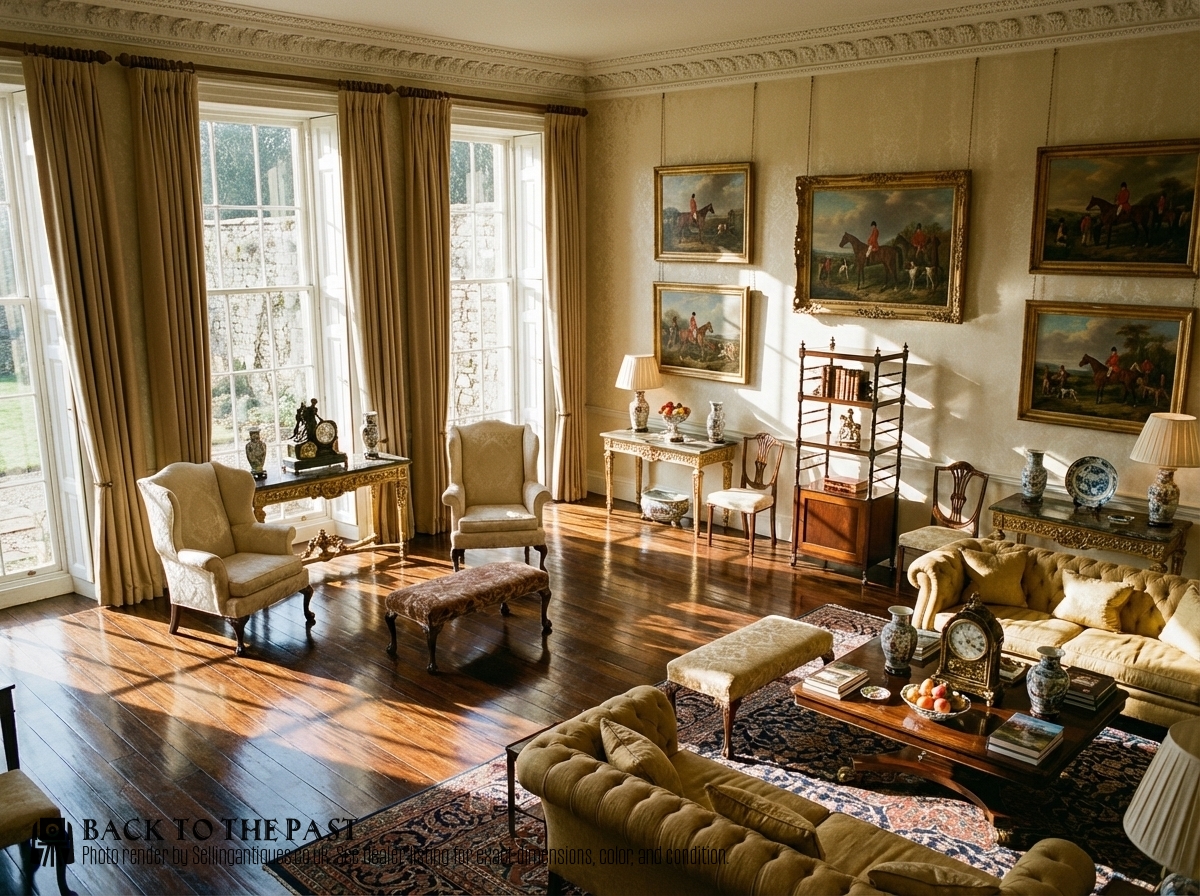
An antique bookshelf stand organises volumes within arm's reach while anchoring a room with period character and timber grain.
Antique Bookshelf Stand
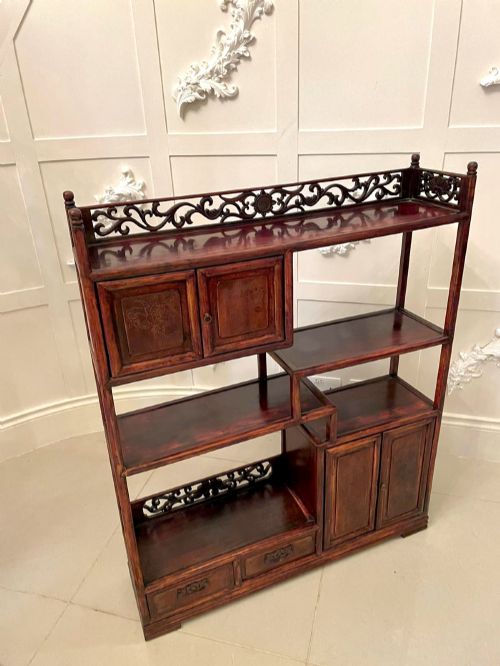
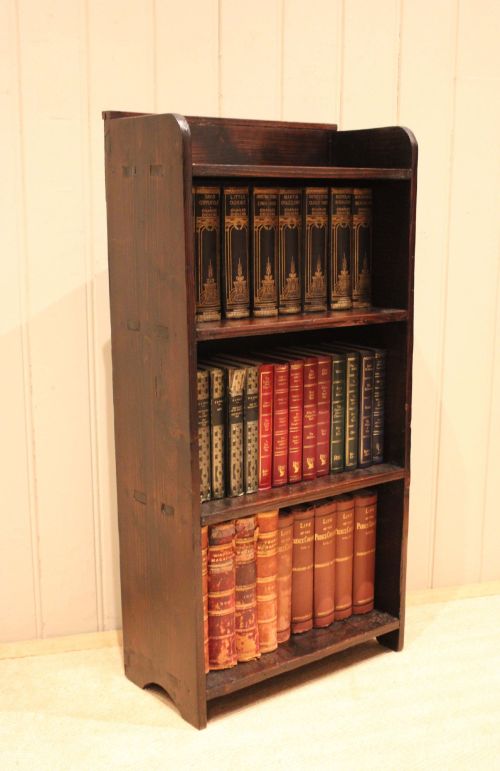
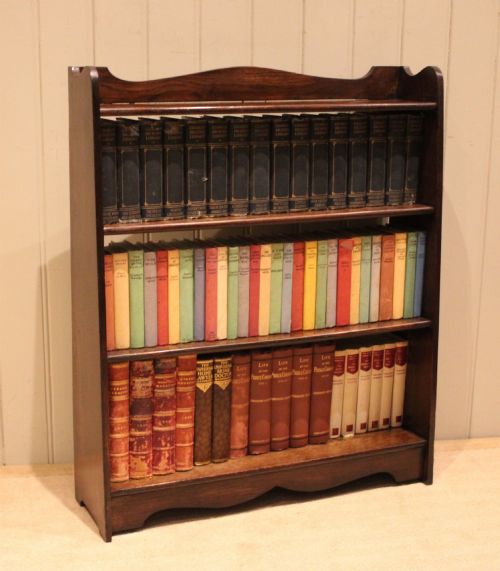
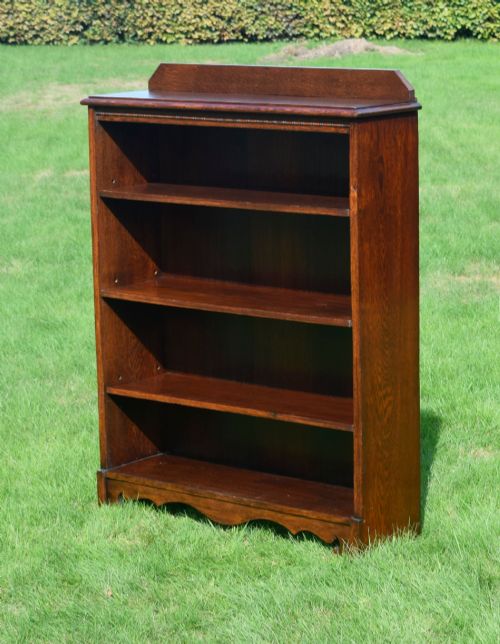
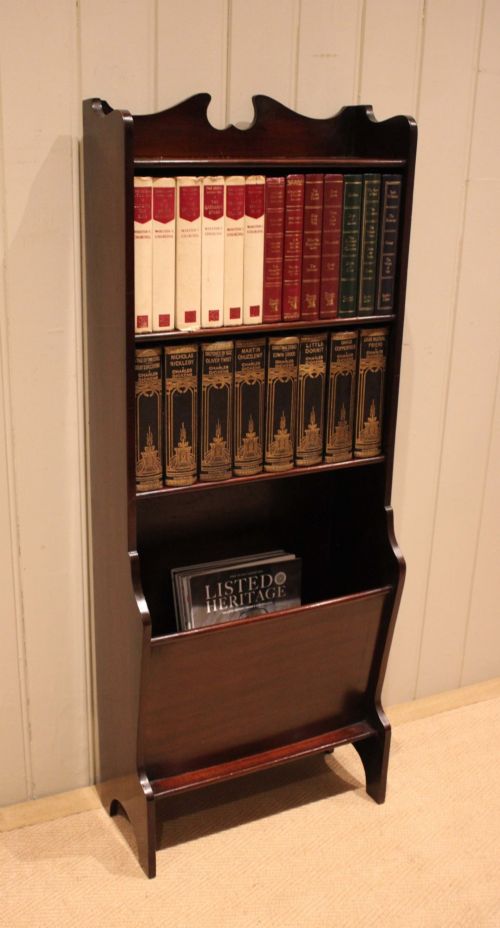
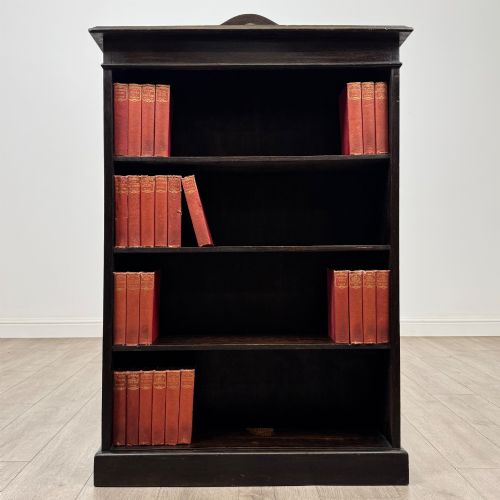
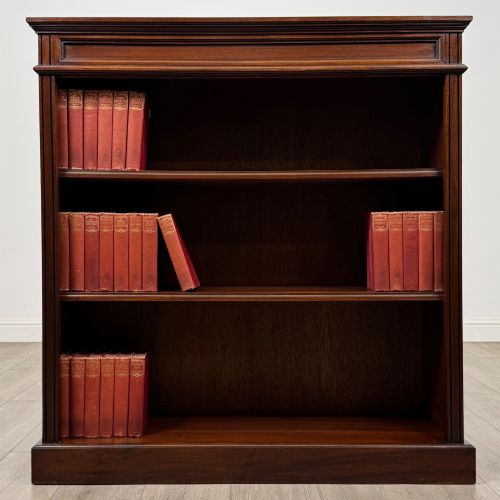
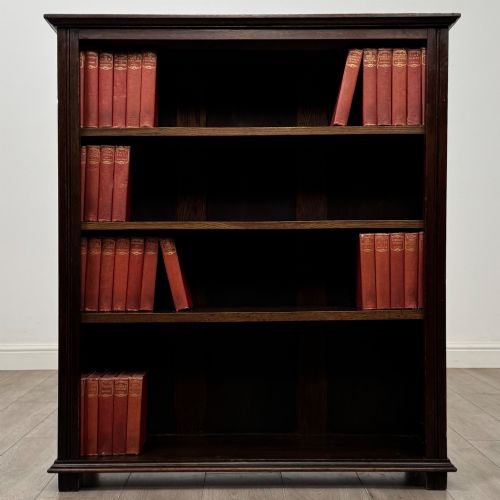
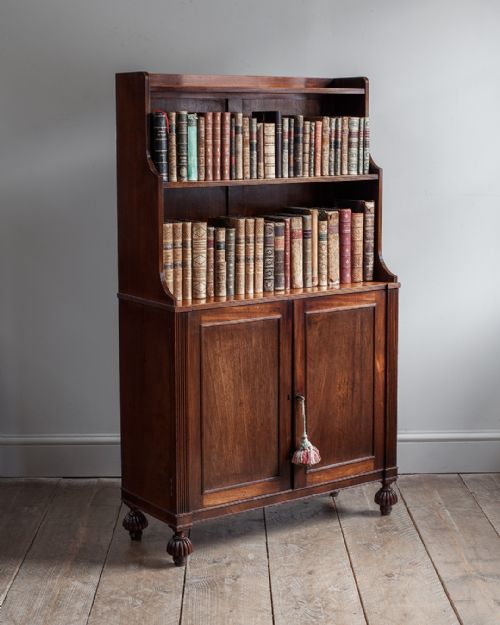
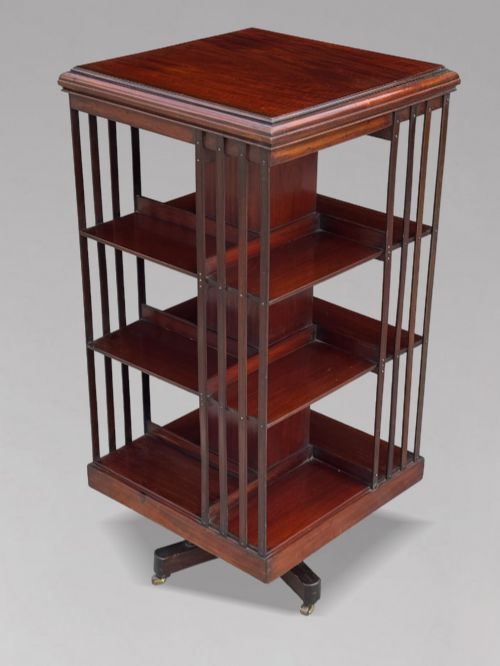
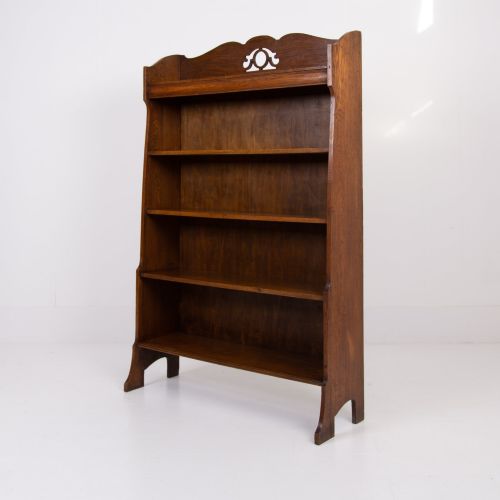
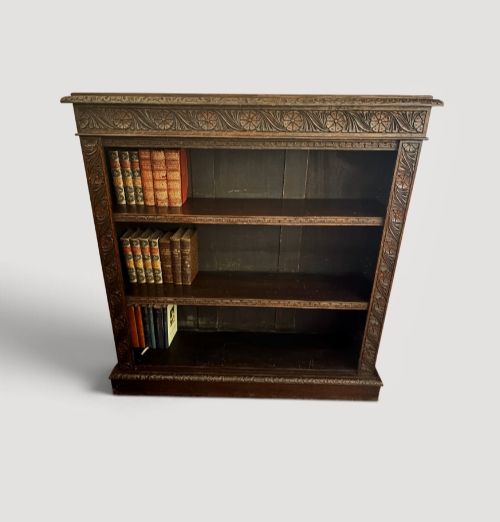
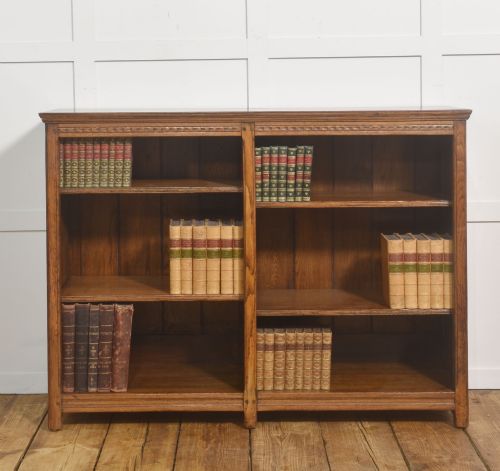
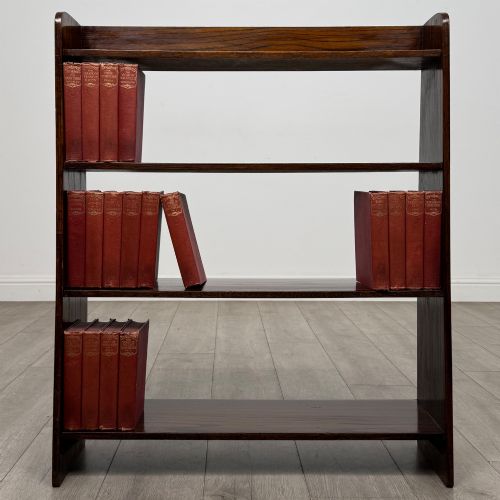
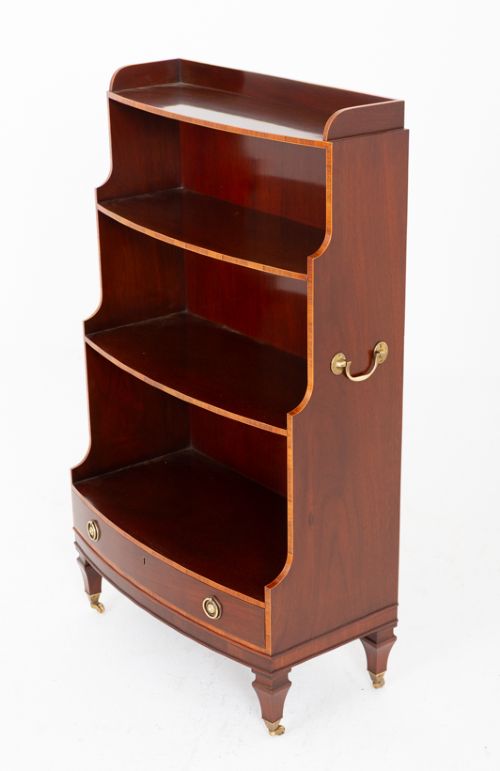
When you search for an antique bookshelf stand, you find compact vertical furniture designed to hold books and display small objects within living spaces and studies. The most common version met on this page is the Edwardian or Victorian oak open bookcase, though revolving formats and mahogany waterfall tiers appear frequently.
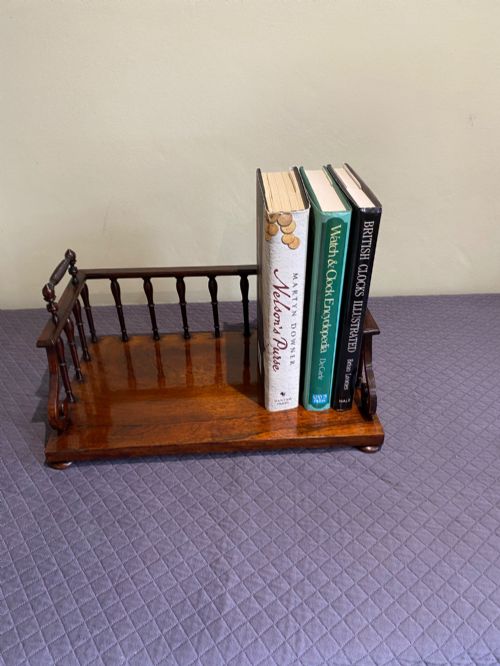
The objects span the nineteenth and twentieth centuries, encompassing styles from Regency and Arts and Crafts to Jacobean Revival and Art Deco. Forms range from revolving table models and small open shelving units to desk accessories and display cabinets.
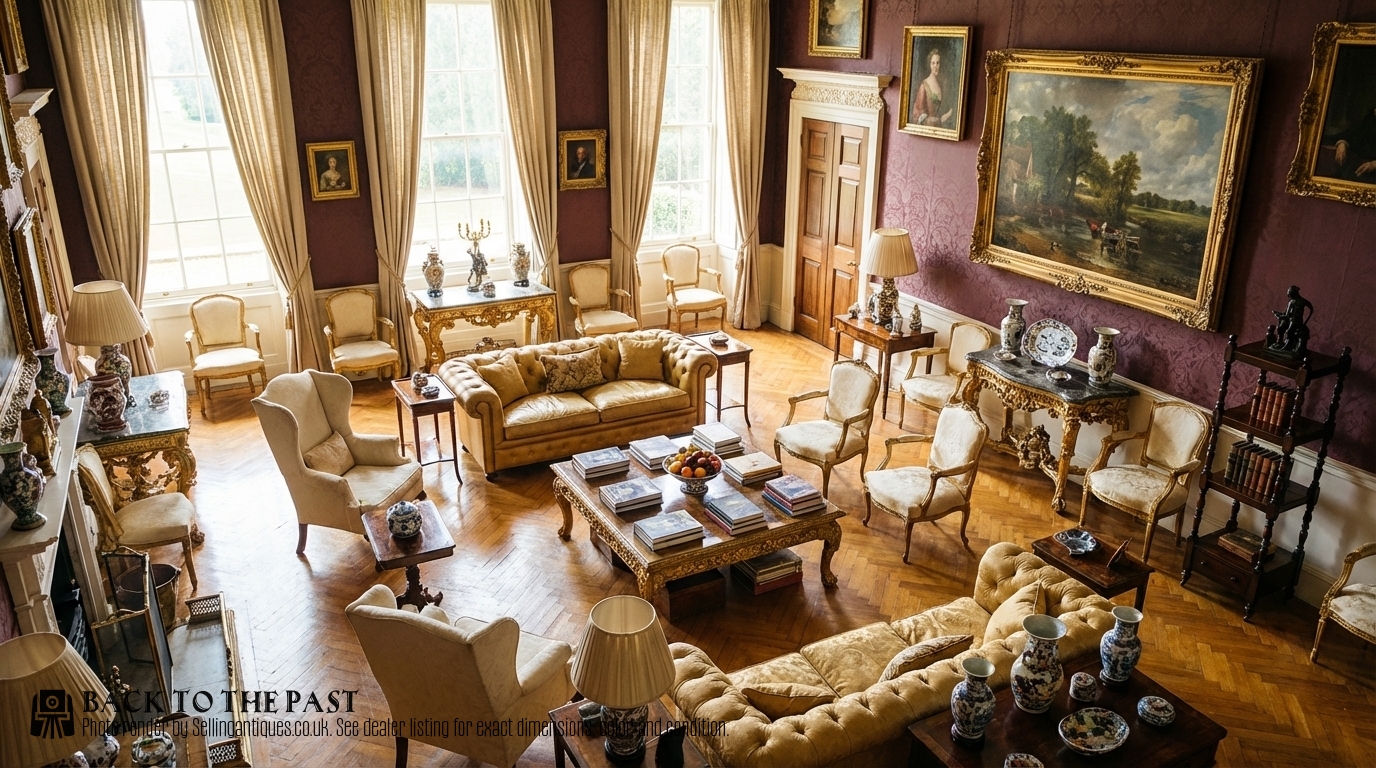
Makers and workshops utilised various native and exotic timbers to construct these stands, suiting both grand libraries and modest domestic interiors. Their primary function remains holding volumes securely while offering a pleasing visual silhouette.
How they were made
Makers relied heavily on solid oak and mahogany as the principal structural timbers, often selecting figured varieties for visible surfaces. Satinwood inlay and brass fittings frequently provided subtle contrast and operational hardware.
Joinery techniques prioritised durability, utilising housing joints for shelves and stable framing for revolving mechanisms and cabinet doors. Cast iron and brass castors enabled smooth mobility on heavier floor-standing revolving bookcases.
The listings on this site feature oak and mahogany most frequently, alongside smaller numbers in satinwood, brass, and cast iron.
What varies in quality
The standard of timber selection and intricacy of carving distinguish finer examples from utilitarian pieces. The crispness of inlaid satinwood banding and the smooth rotation of a revolving mechanism reflect the maker's original skill.
Proportion and structural integrity define the upper tier of these stands, where timber grain is carefully matched across shelves and side panels. Well-executed adjustable shelving systems and original brass castors further elevate a piece.
Gillows
The Antique Bookshelf Stand Glossary
- Waterfall bookcase
- A tiered shelving unit where each lower shelf steps forward from the one above, creating a cascading effect popular in the nineteenth century.
- Revolving bookcase
- A freestanding book stand built upon a rotating base, allowing access to volumes from all sides without moving the furniture.
- Whatnot
- A multi-tiered open stand designed for displaying ornaments, books, or small collectables in nineteenth-century interiors.
- Open bookcase
- A piece of storage furniture featuring exposed shelves without doors, facilitating quick retrieval of frequently read volumes.
- Satinwood inlay
- A decorative technique inserting contrasting blonde timber veneer into darker woods like mahogany to form geometric or floral patterns.
Antique Bookshelf Stand: Frequently Asked Questions
What is an antique bookshelf stand used for?
These stands serve to hold and organise books within domestic rooms, studies, and hallways for easy daily access.
They also provide display surfaces for small decorative objects and desk accessories alongside a collection of volumes.
How do I identify an Edwardian bookshelf?
Edwardian examples often feature lighter golden oak or inlaid mahogany with restrained decorative carving and simpler structural lines.
They frequently date from the period around nineteen hundred and tend towards smaller, more manageable domestic proportions.
Where should I place a revolving bookcase?
A revolving bookcase functions well beside an armchair or desk where books need to remain within immediate reach.
Because they can be accessed from all sides, they also suit corners or open floor spaces away from walls.
How do I care for antique timber shelves?
Keep wooden stands away from direct heat sources and strong sunlight to prevent the timber from drying and splitting.
Apply suitable wax polish occasionally to nourish the grain and maintain the protective finish of the wood.