
Antique Bookshelf Display
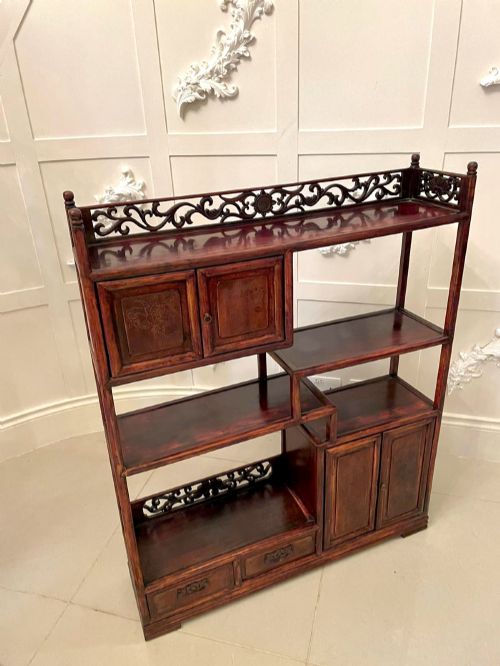
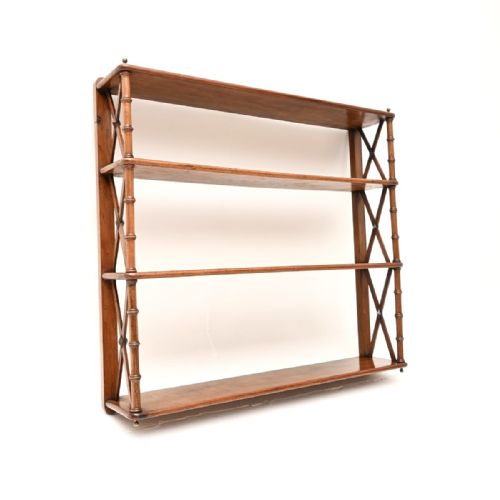
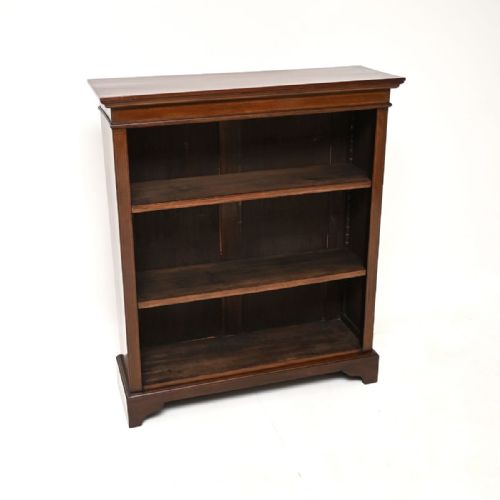
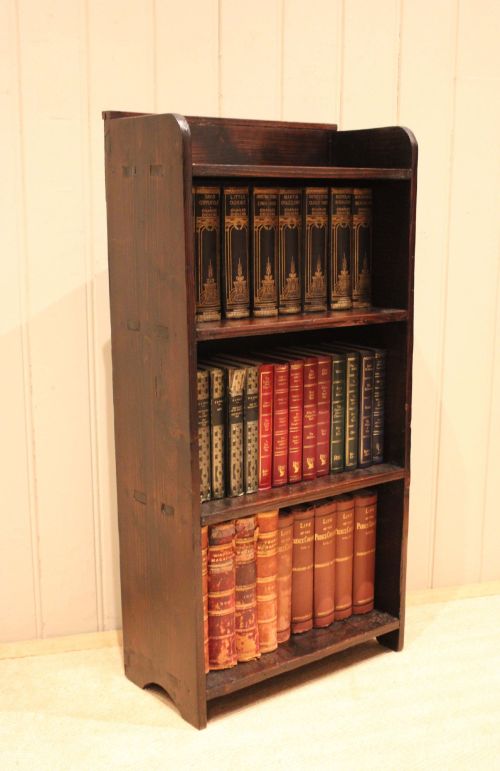
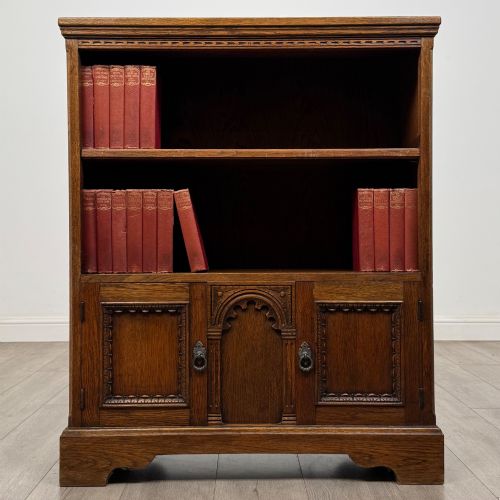
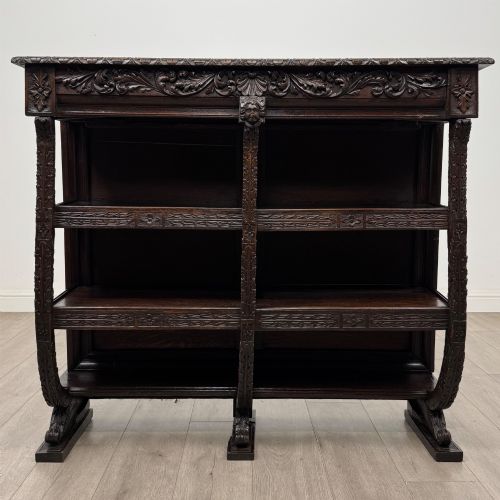
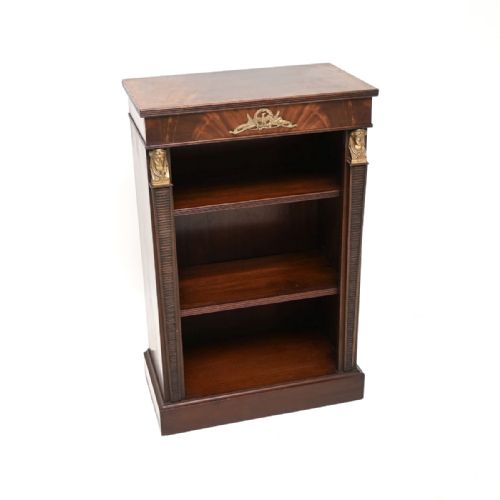
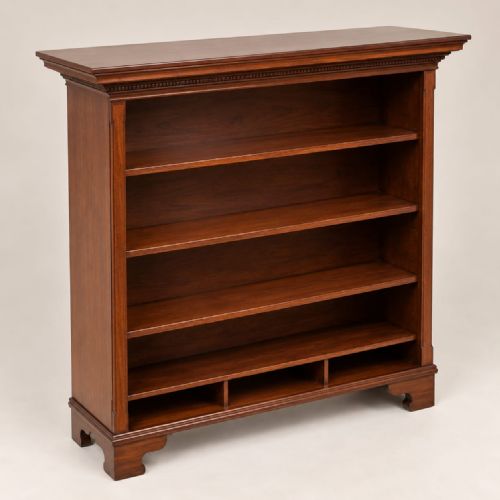
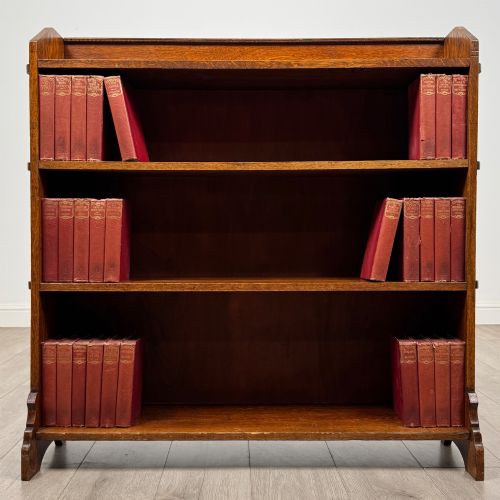
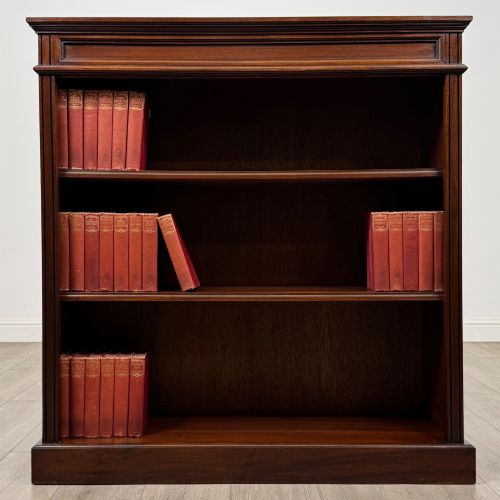
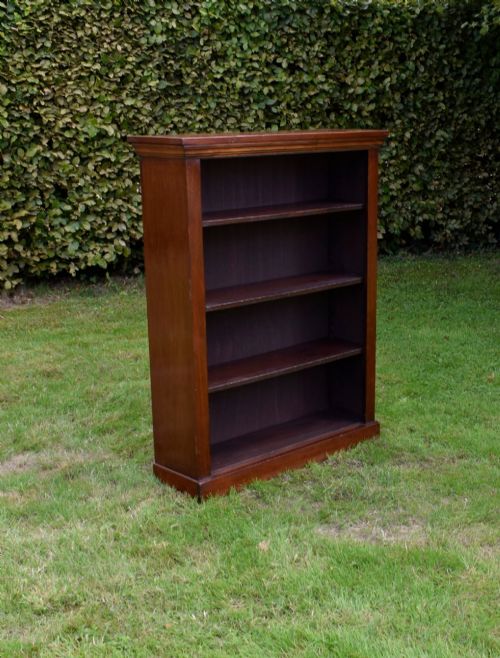
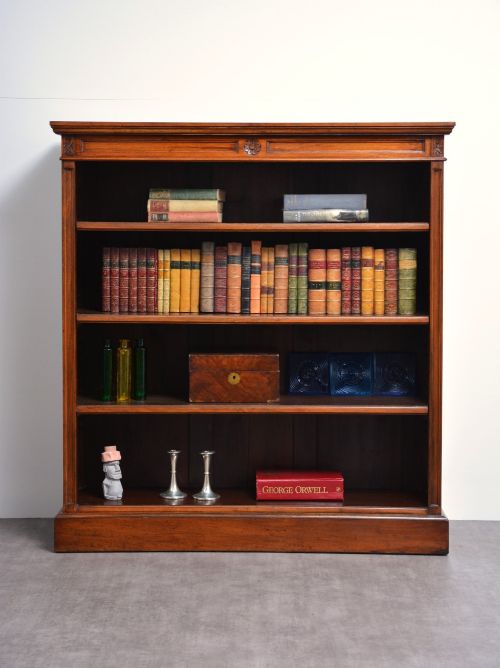
These antique bookshelf display pieces combine practical storage with open shelving, offering collectors a traditional way to organise books and display objects.
Antique Bookshelf Display
When you search for an antique bookshelf display, you encounter open bookcases, wall shelves, and revolving bookcases designed to hold books while presenting decorative objects to view. The pieces appearing on this page span the Victorian, Edwardian, and Regency periods, alongside Arts and Crafts and rustic country styles.
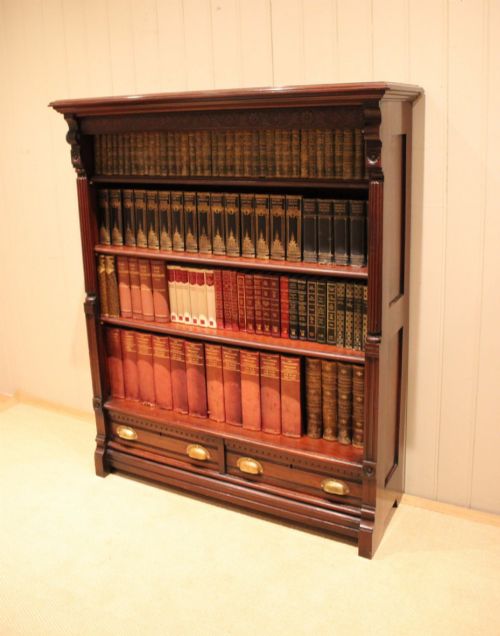
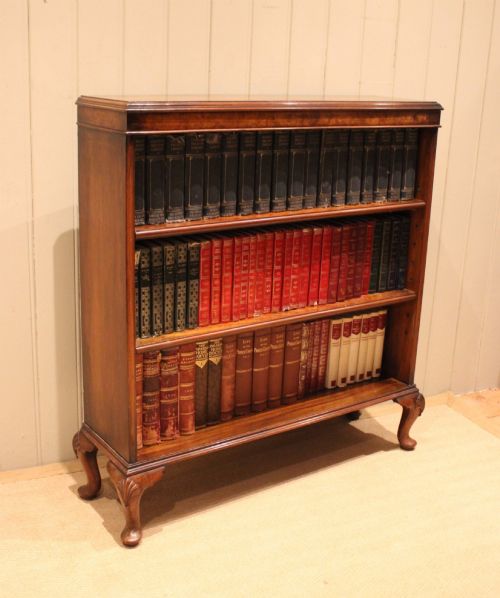
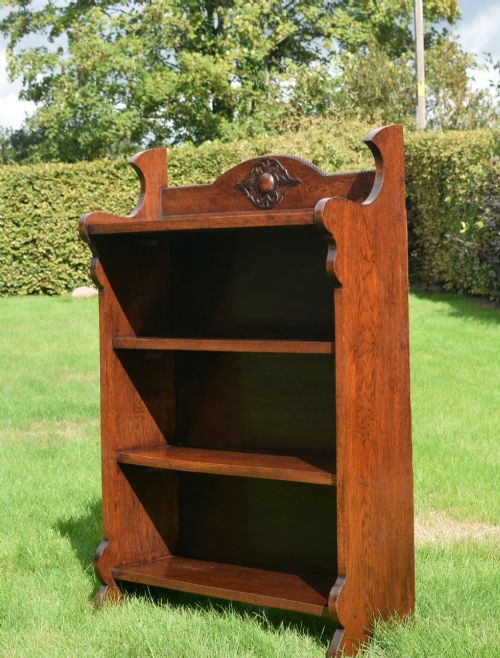
Most examples take the form of open bookcases and wall shelves made in oak or mahogany, often featuring adjustable shelves for practical utility. Collectors also find smaller formats such as whatnots and waterfall bookcases suitable for compact spaces.
Originating largely from the nineteenth and early twentieth centuries, these items serve both domestic libraries and living rooms. The selection ranges from plain utilitarian oak pieces to inlaid mahogany and burr walnut creations.
How they were made
Cabinet makers utilised solid timbers such as oak, mahogany, walnut, and pine to construct the main bodies and shelving units. Finer examples incorporated decorative elements like satinwood inlay, brass castors, and carved detailing.
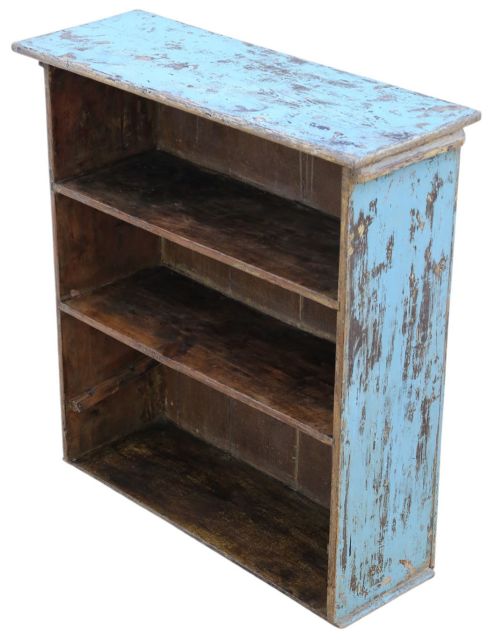
Surfaces were frequently finished with polish or paint, including distressed blue paint and polished burr walnut veneers. Adjustable shelf mechanisms utilised wooden supports or brass fittings to allow customisation of internal space.
Some revolving bookcases still spin smoothly after a century of daily reading.
What varies in quality
The refinement of the timber selection distinguishes standard pieces from exceptional ones, with burr walnut and figured mahogany commanding particular attention. Craftsmanship in the joinery, such as precise inlay work and carved ornamentation, marks the difference between basic utility items and formal parlour furniture.
Proportion and scale also influence distinction, as seen in slim formats, waterfall tiers, and revolving mechanisms that require precise engineering. The integrity of the original finish, whether polished wood or period paint, preserves the character of the piece.
The Antique Bookshelf Display Glossary
- Waterfall bookcase
- A set of open shelves diminishing in depth from bottom to top, often arranged in tiers. This stepped profile creates a graceful silhouette popular in the nineteenth and early twentieth centuries.
- Revolving bookcase
- A compact bookcase mounted on a low rotating base designed to sit beside a chair or desk. It allows easy access to a small collection of volumes from every angle.
- Whatnot
- A multi-tiered piece of freestanding furniture featuring open shelves supported by slender columns. It was traditionally used in Victorian interiors to display ornaments and books.
- Breakfront
- A cabinet or bookcase whose central section projects forward from the flanking wings. This architectural arrangement adds depth and formal presence to larger wall furniture.
- Inlay
- A decorative technique where contrasting woods or materials like satinwood are inserted into recesses carved into the primary timber surface. This creates flat ornamental patterns along shelves and cornices.
Antique Bookshelf Display: Frequently Asked Questions
How do I adjust the shelves?
Many nineteenth and twentieth century bookcases feature movable shelves resting on wooden supports or traditional peg systems. Users simply lift the shelf off its rests and reposition it into adjacent slots.
Older oak and mahogany models rely on simple slot-in ledges rather than modern metal tracks. Care must be taken not to force tight boards within older side panels.
Where should I place a revolving bookcase?
Revolving bookcases work best beside armchairs or sofas where books and periodicals need to remain within arm's reach. Their rotating mechanism requires clearance on all sides to spin freely.
Placing them away from direct heat sources protects the timber joints and prevents the central spindle from warping over time.
What is the difference between a whatnot and a bookcase?
A whatnot is primarily designed for displaying ornaments across multiple open tiers, whereas a bookcase is built specifically to hold heavy volumes vertically. Whatnots utilise slender uprights and lighter timber frames.
Bookcases feature sturdier side panels and deeper shelves capable of supporting rows of heavy book bindings without sagging.
How do I clean mahogany shelves?
Polished mahogany surfaces require dusting with a soft, dry cloth to prevent grit from scratching the polish. Periodic application of quality beeswax maintains the lustre of the wood.
Avoid using modern liquid sprays containing silicone, which can penetrate older finishes and attract dust to the carved details.