

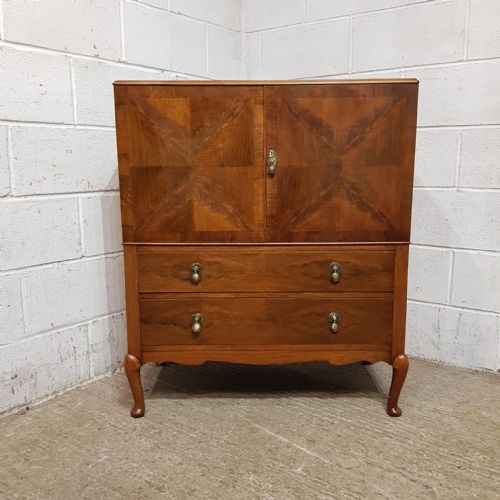
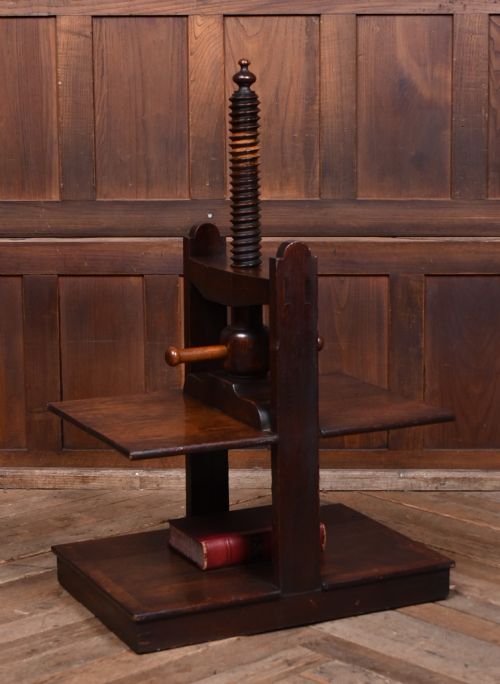


Antique Book Press
An antique book press is a heavy mechanical device designed to flatten pages or bind volumes, prized for both practical utility and sculptural form.
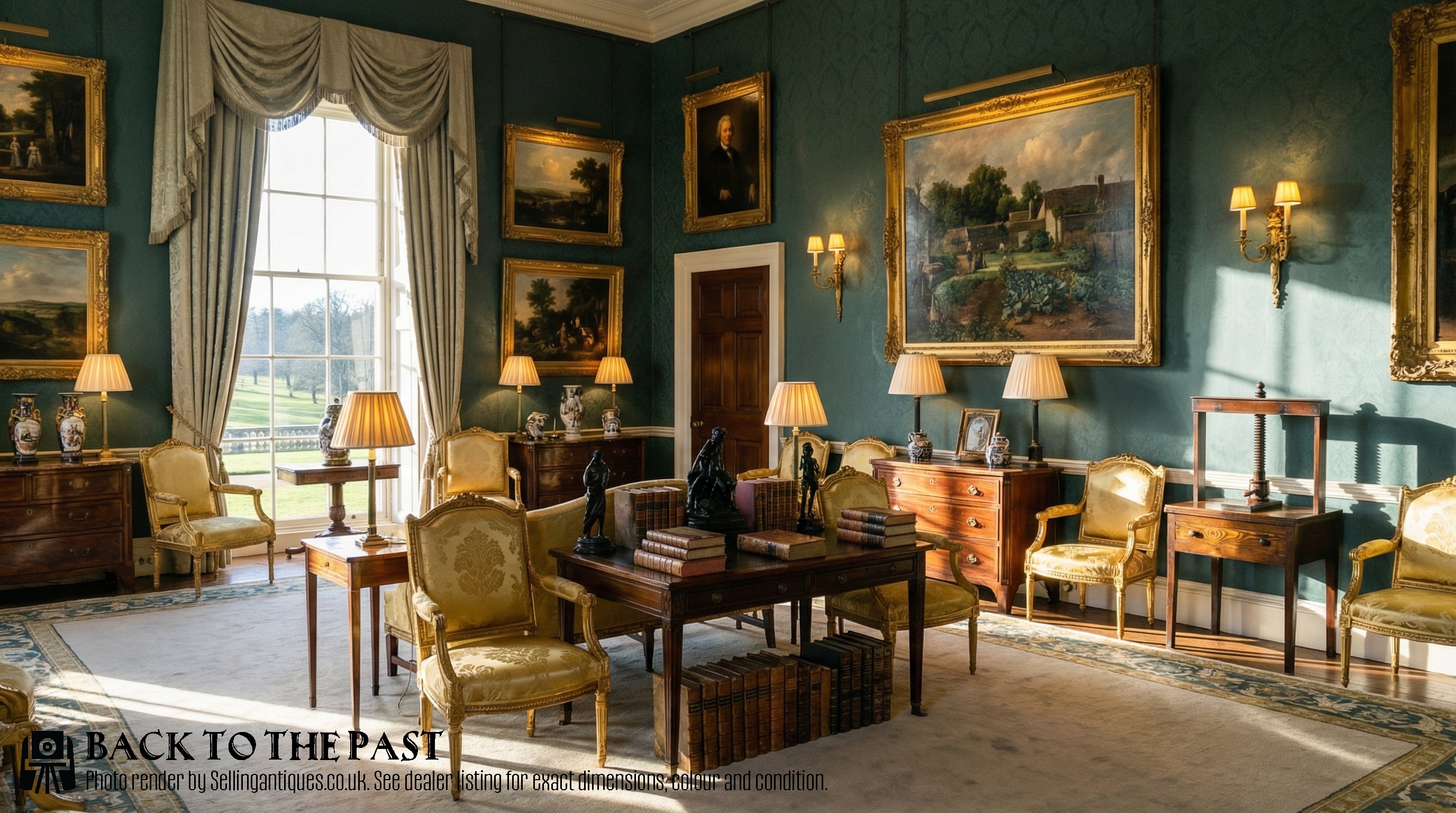
Antique Book Press
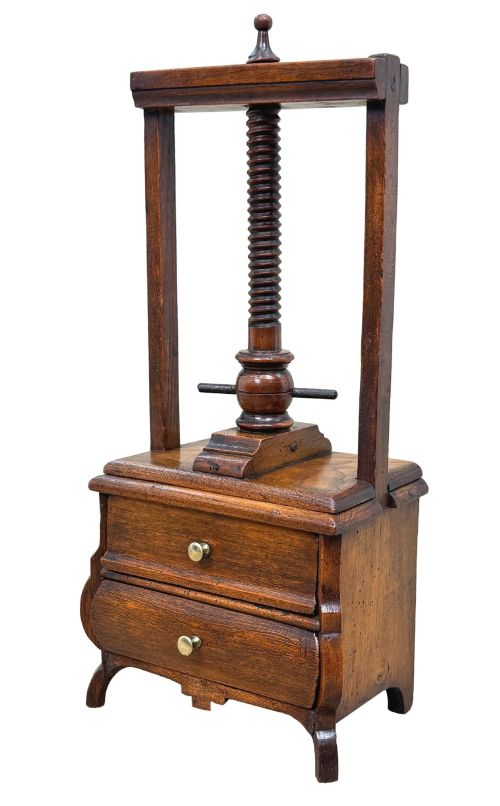
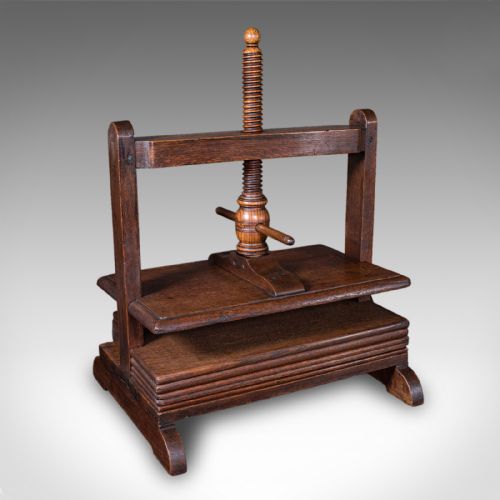
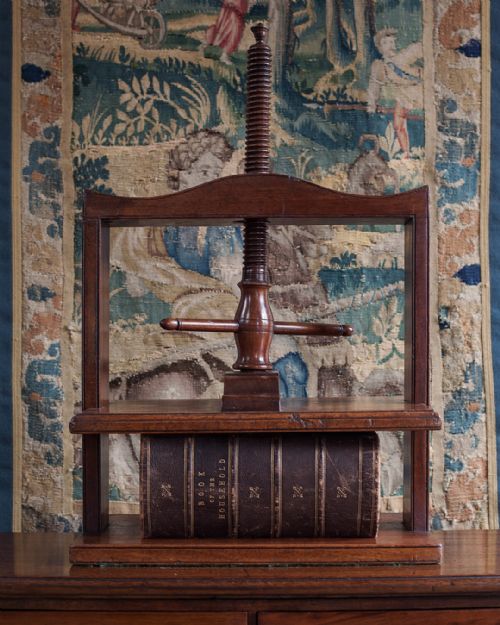
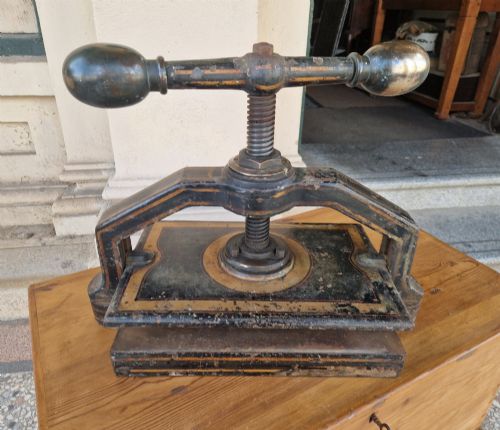
When you search for an antique book press, you encounter robust mechanical implements spanning the Georgian, Regency, Victorian, and early twentieth century eras. These pieces appear primarily as table-top presses constructed with heavy metal or timber screws, alongside occasional integrated press tables.
The selection ranges from utilitarian cast iron binders to refined table-top designs in oak and mahogany. You also meet related pressing formats, including flower presses and letter copying nipping presses, reflecting domestic and bindery uses.
Originating largely from English workshops, these items demonstrate how functional workshop equipment crossed into domestic libraries and country house studies. Their survival relies on sturdy framing materials that endured decades of heavy pressure.
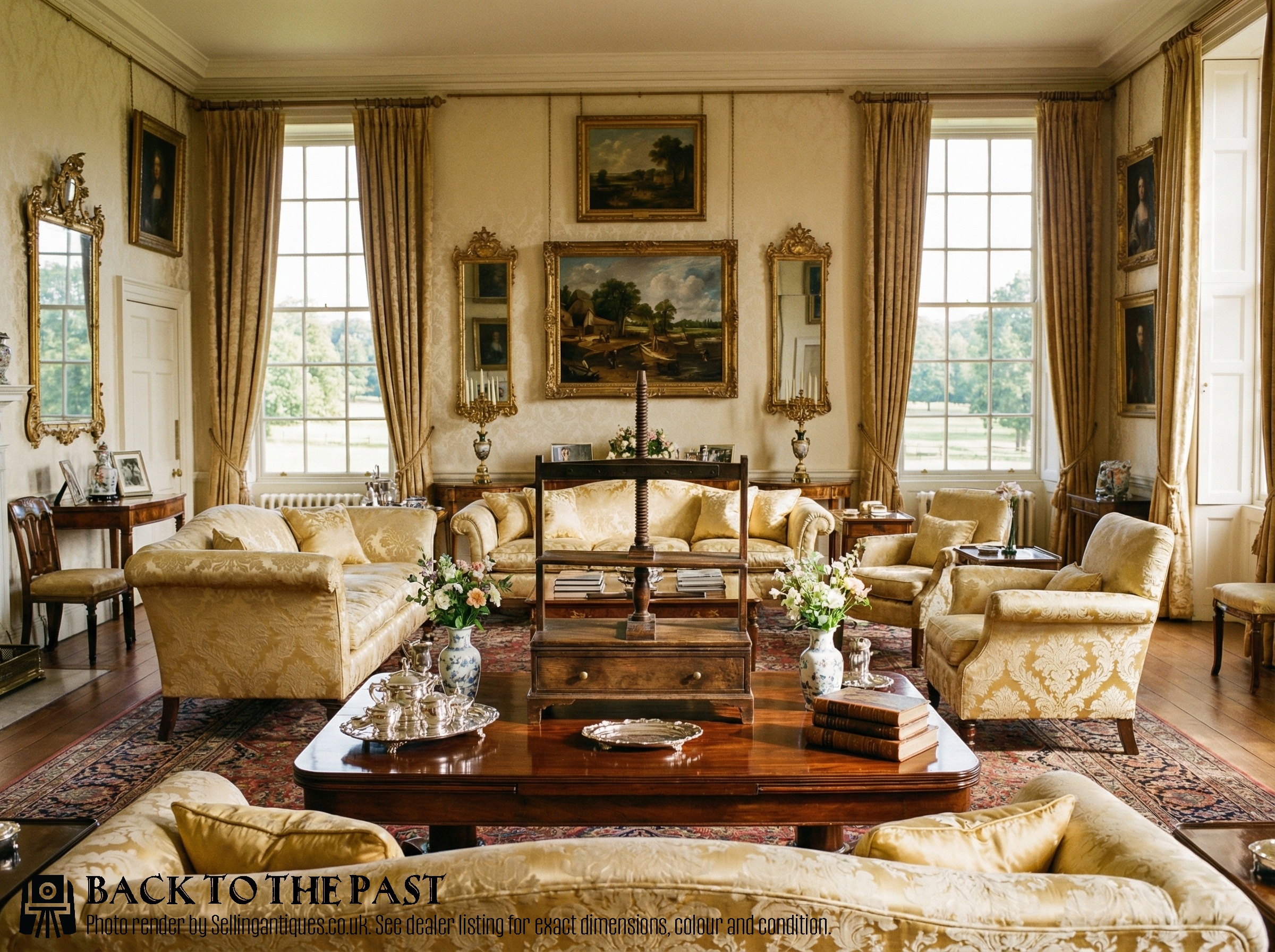
Materials and mechanism
Makers utilised dense timbers such as oak and mahogany for the structural platens and tables, often pairing them with heavy cast iron and bronze for the central turning screws and framing. This combination provided the immense downward force required for binding and pressing.
Some examples incorporate secondary woods like elm or feature specialist additions like brass fittings and steel components. The mechanical action relies on a threaded metal spindle turned by a handle to drive the upper platen evenly downward.
Antique Book Press Retail Price Guide 2026
Typical asking prices for book press among the pieces listed under this phrase on Sellingantiques today, from the lower quarter to the upper quarter. They describe what is for sale here now, not the wider market.
Several presses double happily as botanical flower presses, proving that Victorian correspondence and botany shared the same heavy iron screw.
Build and proportion
Superior examples distinguish themselves through the heft of their metalwork and the selection of figured timbers like mahogany or burr walnut for the base structures. The smoothness of the screw thread and the integrity of the joints determine how well the mechanism performs.
Quality rests in the balance between industrial strength and cabinet-maker finish, where exposed metal patination meets cleanly joined wood. Lesser pieces show utilitarian wear without refined timber surrounds, while the finest retain their original stands and turning handles.
The Antique Book Press Glossary
- Platen
- The flat heavy board or plate that applies downward pressure onto the material below. It moves vertically via the central screw mechanism.
- Nipping press
- A compact mechanical press utilised primarily for copying letters or pressing small bookbindings. It applies concentrated pressure through a threaded iron spindle.
- Treen
- Small handmade wooden objects and household utensils produced before the era of mass manufacturing. These pieces often include miniature presses or card holders.
- Breakfront
- A large piece of furniture featuring a central section that projects forward from the flanking wings. This architectural form appears frequently in associated library bookcases.
- Secretaire
- A cabinet or bookcase incorporating a pull-down writing drawer fitted with pigeonholes and small drawers. It combines storage with a functional writing surface.
Antique Book Press: Frequently Asked Questions
What is an antique book press?
An antique book press is a mechanical apparatus operated by a screw thread, built to flatten paper, bind volumes, or copy letters.
These devices utilise heavy metal components and wooden frames to apply uniform downward pressure over extended periods.
How were book presses used originally?
Bookbinders and stationers used them to hold newly glued book blocks tightly while the adhesives dried securely.
In domestic settings, owners also repurposed them as letter copying presses or large flower presses for botanical specimens.
How do I identify Georgian presses?
Georgian presses typically display heavier timber construction in oak or mahogany, often featuring hand-cut joinery and simpler ironwork.
They predate the mass-produced cast iron frames common to later Victorian industrial workshops.
Can I still use an antique press?
Most antique presses remain fully operational and capable of exerting considerable mechanical force for modern binding work.
Owners should check the movement of the screw thread and clean accumulated dust from the wooden platens before use.